Portuguese
  Spanish


The President of the United States, Donald Trump, raised the tone against Iran by stating that it is time to abandon any conciliatory stance and quickly move towards an agreement. The statement comes at a time of strong geopolitical tension, marked by direct conflicts, stalled negotiations, and increasing impacts on the global scene, especially in the rise of oil prices.
By adopting a tougher discourse, Trump made it clear that the White House’s patience has run out. According to him, Iran needs to act quickly to end the deadlock, especially given the economic and military consequences that have already accumulated over the past few months.

Trump hardens discourse and pressures Iran to close deal amid stalled negotiations and war scenario
Behind the scenes, the negotiations between the United States and Iran face significant difficulties. Despite proposals under discussion, concrete advances remain limited, which has increased the frustration of the American government.
-
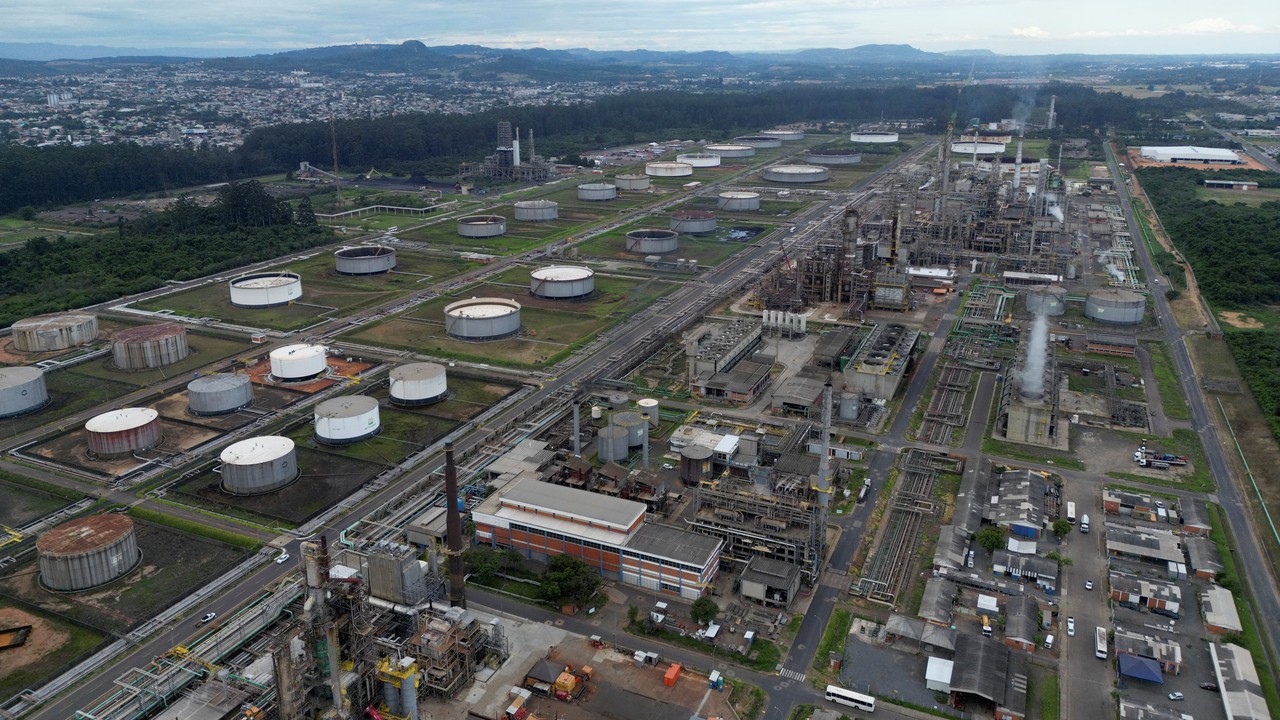
With a record production of nearly 3 million barrels per day, Petrobras resumes importing diesel in July, highlighting the bottleneck in Brazilian refining.

-
Island in Brazil Innovates by Installing 184 Solar Panels on Urban Lagoon to Generate Clean Energy

-
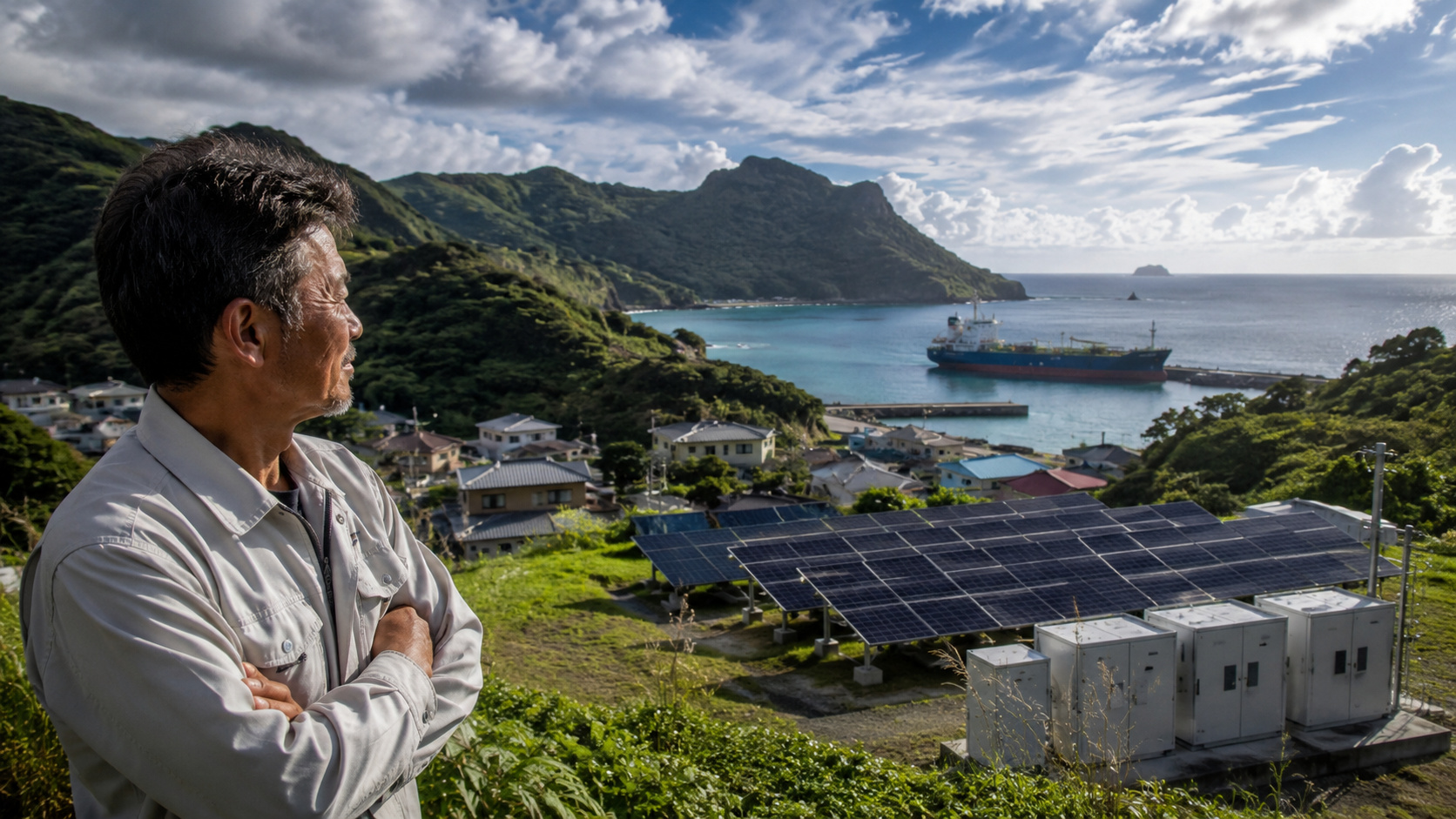
Japanese Island of 417 Residents to Test Living Half the Year Solely on Solar Power, Reducing Dependence on Diesel Brought by Ship
-
Brazilian Fishermen Use Solar Power to Produce Nearly One Ton of Ice Daily, Preventing Fish Spoilage Before Reaching Market


In this context, Trump has adopted a more direct stance. He criticized the lack of progress and stated that Iran needs to “get organized” and make quicker decisions to enable an agreement.
Furthermore, the American president reinforced that he will not accept concessions that allow Iran to maintain advances in its nuclear program. This point remains the main obstacle in the negotiations.
Thus, the more aggressive discourse does not arise by chance. On the contrary, it reflects a clear strategy to increase pressure on Tehran at a moment considered decisive.
Prolonged conflict and strategic blockade increase tension and pressure global economy
The escalation of tensions between the United States and Iran does not occur in isolation. The conflict, which has already extended for weeks, has caused direct impacts on international trade and the energy market.
One of the main points of concern involves the Strait of Hormuz, a strategic route through which about 20% of the world’s oil passes. Control and restrictions in the region have generated instability and contributed to the rise in oil prices.
Moreover, the American government is considering maintaining a prolonged blockade against Iran as a form of economic pressure. This strategy aims to weaken Iranian exports and force the country to accept stricter conditions in negotiations.
In this scenario, the conflict ceases to be just a regional dispute and starts to directly influence the global economy, affecting everything from fuels to supply chains.

Trump bets on maximum pressure and rules out retreat amid impasse with Iran
Over the past few weeks, Trump has reinforced a policy of “maximum pressure” against Iran. This approach combines economic sanctions, strategic blockades, and indirect threats to force a favorable agreement for the United States.
Moreover, the American president has shown little willingness to retreat. He even stated that Iran needs to act quickly, suggesting that the time for negotiations is running out.
Meanwhile, the Iranian government maintains a firm position. Authorities in the country indicate that they will only advance in negotiations after the end of sanctions and guarantees related to the conflict, which creates a difficult impasse to resolve.
Therefore, the current scenario reveals a power struggle, in which both sides try to impose their conditions without showing weakness.


Tensions between the United States and Iran increase uncertainties and directly affect the energy market
The crisis between the United States and Iran also has direct repercussions on the energy sector, especially in the oil market. Whenever there is instability in the Middle East region, investors react quickly, raising prices and increasing volatility.
In this sense, the current conflict is already causing noticeable effects. The fear of interruptions in the supply of oil and natural gas contributes to an environment of uncertainty, impacting economies around the world.
Moreover, the possibility of a prolonged blockade or new military escalations further increases the risks. If the impasse continues, the effects may intensify, affecting inflation, transportation costs, and even energy policies of various countries.
Thus, Trump’s speech is not limited to the political field. It also carries relevant economic implications, especially for sensitive markets like energy.

Trump’s statements indicate a decisive moment in negotiations and increase international pressure
The hardening of Trump’s rhetoric signals that the negotiations have reached a critical point. International pressure is growing, while allies and analysts closely watch the next moves.
At the same time, the lack of consensus between the parties keeps the scenario unpredictable. While the United States demands immediate concessions, Iran resists accepting terms considered unfavorable.
Thus, the outcome of the negotiations remains uncertain. However, one thing is already clear: the stance adopted by Trump indicates that the coming days will be decisive in defining the course of the conflict and its global impacts.