Portuguese
  Spanish


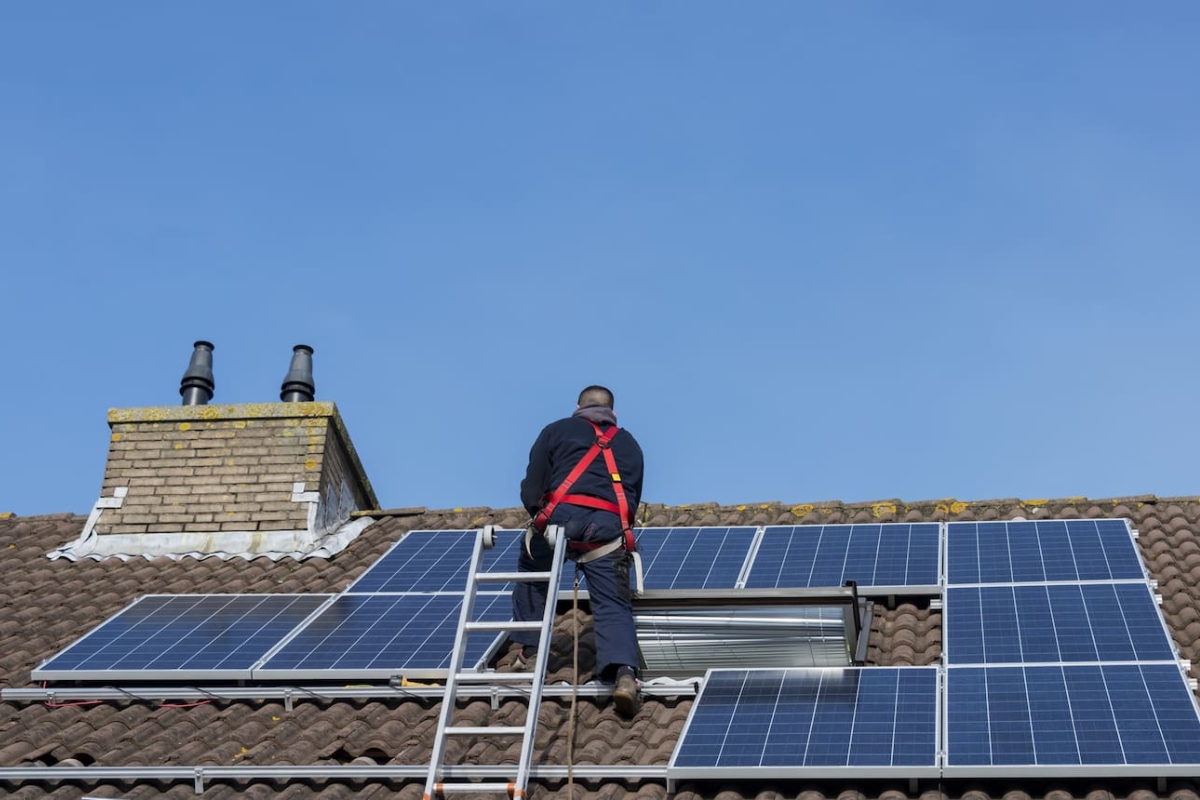

Price Comparison Shows Strong Advantage in Installation Cost, with Residential Systems Much More Accessible in Brazil.
Solar energy in Brazil has a much lower installation cost compared to the United States. The difference reaches up to seven times, in scenarios of direct comparison between similar projects.
In practice, this expands the appeal of the technology for those looking to reduce electricity costs and gain predictability in their budget. The lower price also helps explain the accelerated growth of installed systems in the country.
The striking numbers come from residential systems with similar power and significantly different values between the two markets. In some cases, Brazil falls in a range of tens of thousands of reais, while the United States reaches well higher equivalent values.
-
Solar energy reaches 55 GW, becoming the second largest power source in Brazil’s energy mix

-
Solar energy can increase property value by up to 10% and become a selling point.
-
Solar and wind energy surpass natural gas for the first time in the world and accelerate energy revolution

-
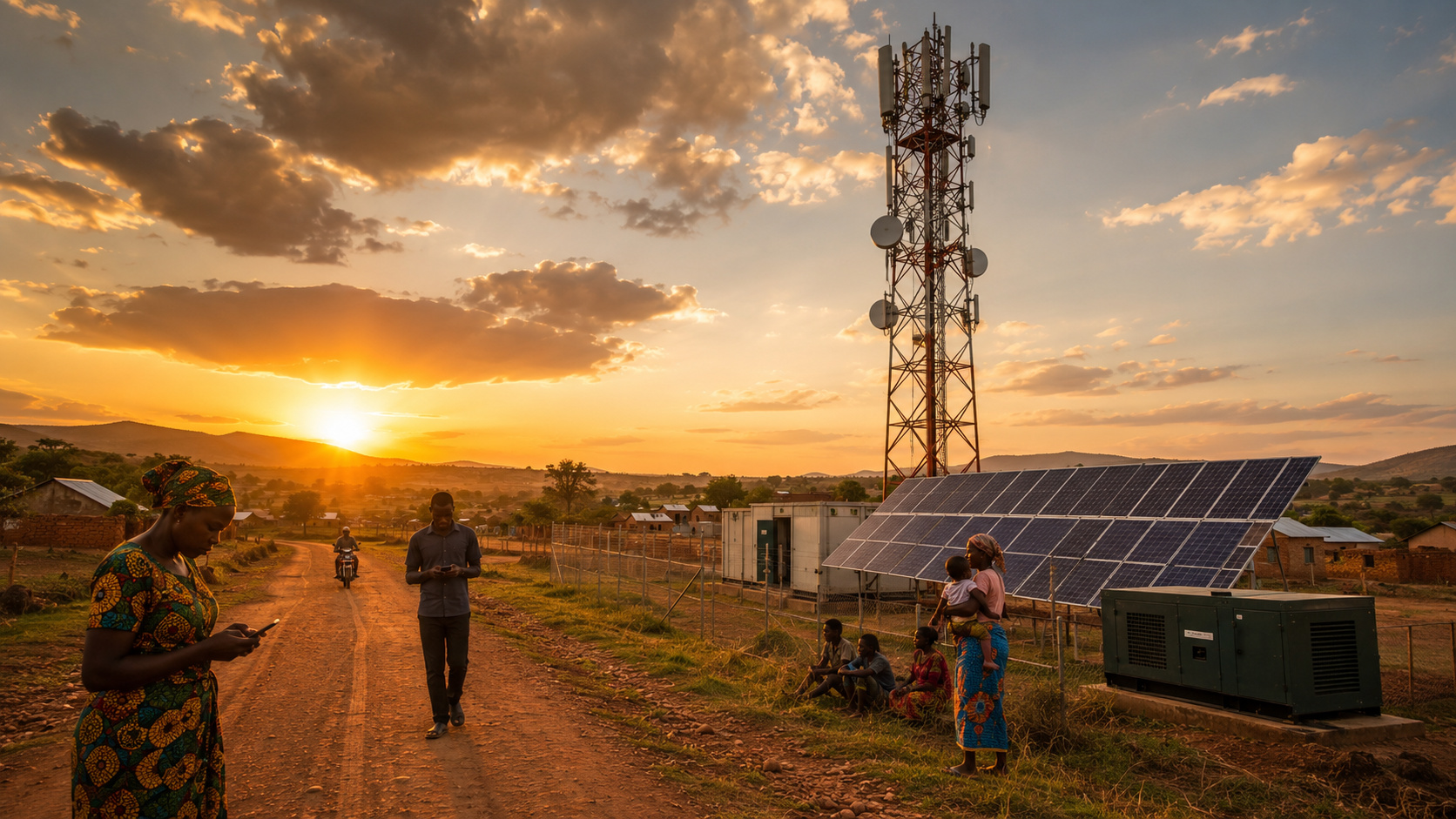
Africa has about 500,000 cell towers and most still burn diesel to operate, while companies rush to cover antennas with solar energy and avoid signal blackouts.

What Happened and Why It Caught Attention
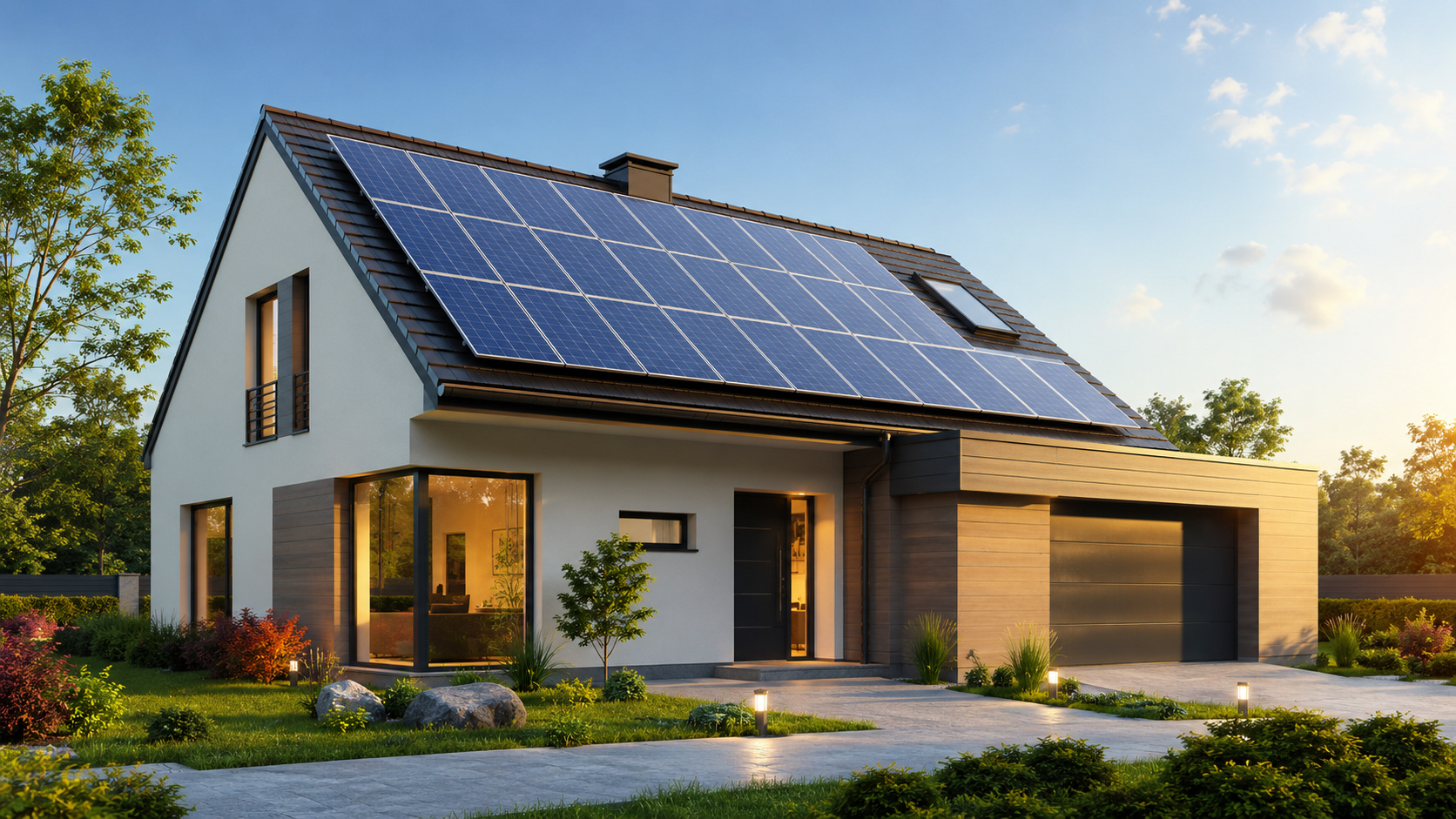
A residential system of approximately 7 kWp appears in Brazil for about R$ 16 thousand. For an equivalent project in the United States, the value reaches US$ 23.5 thousand, which translates to around R$ 130 thousand.
The comparison is direct and highlights how the initial cost to put the panels on the roof varies significantly from one country to another. This point draws attention because the upfront investment is usually the main barrier to adopting solar energy.
The difference also appears in a larger system. A project of approximately 10 kW shows up in Brazil for around R$ 25 thousand, while in the United States, it reaches about R$ 150 thousand.
What Changes in Practice for Those Who Want to Install Solar Energy

The first impact is the cost to start. A lower installation price facilitates the buying decision and opens up space for more households and small businesses to adopt solar energy.
Interest in financing and payment solutions also rises, as the upfront cost directly influences the installments and the time to perceive the benefit in the budget.
Despite the focus on prices, the central point is to understand that the comparison focuses on the cost of installing the system. The final return can vary with local rules, energy tariffs, and project conditions.
Why Costs Are So Different Between Brazil and the United States
Part of the burden lies in the conditions of the North American market, with trade barriers that increase the cost of importing panels, especially when involving equipment from Chinese sources. This raises the final value of the system.
Another difference comes from expenses that do not appear as equipment but are included in the total price. Customer acquisition costs, marketing, and administrative expenses tend to be higher in the United States.
In Brazil, the presence of many integrators increases competition. This environment usually pressures prices and spreads the technology across more cities and regions.
When the Comparison Is Not About Electricity Bills but About Installation
The main comparison is in the amount paid to install the system, that is, the initial investment. This does not mean that the electricity prices are identical or that the return is the same in any scenario.
Factors such as local incentives, financing methods, and energy compensation rules change the outcome for each consumer. Even with the system installed, usage conditions and the tariff structure influence the gain.
Still, the low initial cost increases the attractiveness of the Brazilian model and accelerates the adoption of solar energy in households, commerce, and the rural sector.
Brazil Also Appears Well Positioned in Generation Cost
Industry reports place Brazil in a competitive position on the levelized cost of solar energy generation. A quoted value for evaluated projects is US$ 0.036 per kWh.
This type of indicator helps to understand why solar energy has gained ground in the matrix and has become an alternative to reduce costs and expand distributed generation.
The scenario of competitiveness does not eliminate risks. Equipment prices in the global market, regulatory changes, and financing conditions can alter the pace of expansion.
What May Happen from Now On
The trend is to continue growing, with more consumers seeking to reduce expenses and diversify their energy consumption. The drop in installation costs may keep the sector vibrant.
Recent numbers show scale. Distributed solar capacity has increased from less than 1 GW in 2018 to approximately 40 GW by June 2025.
This advance is also reflected in the number of installations, with more than 3.7 million distributed generation systems in the country, reinforcing the technology’s presence in daily life.
Brazil enters this movement with an important advantage. The lower cost facilitates the decision and may further expand the reach of solar energy in the residential market.
The price difference compared to the United States draws attention and highlights how the cost structure affects the final value. For those who want to install, the most direct impact is a lower entry barrier and a more accessible path to adopting the system.