Portuguese
  Spanish


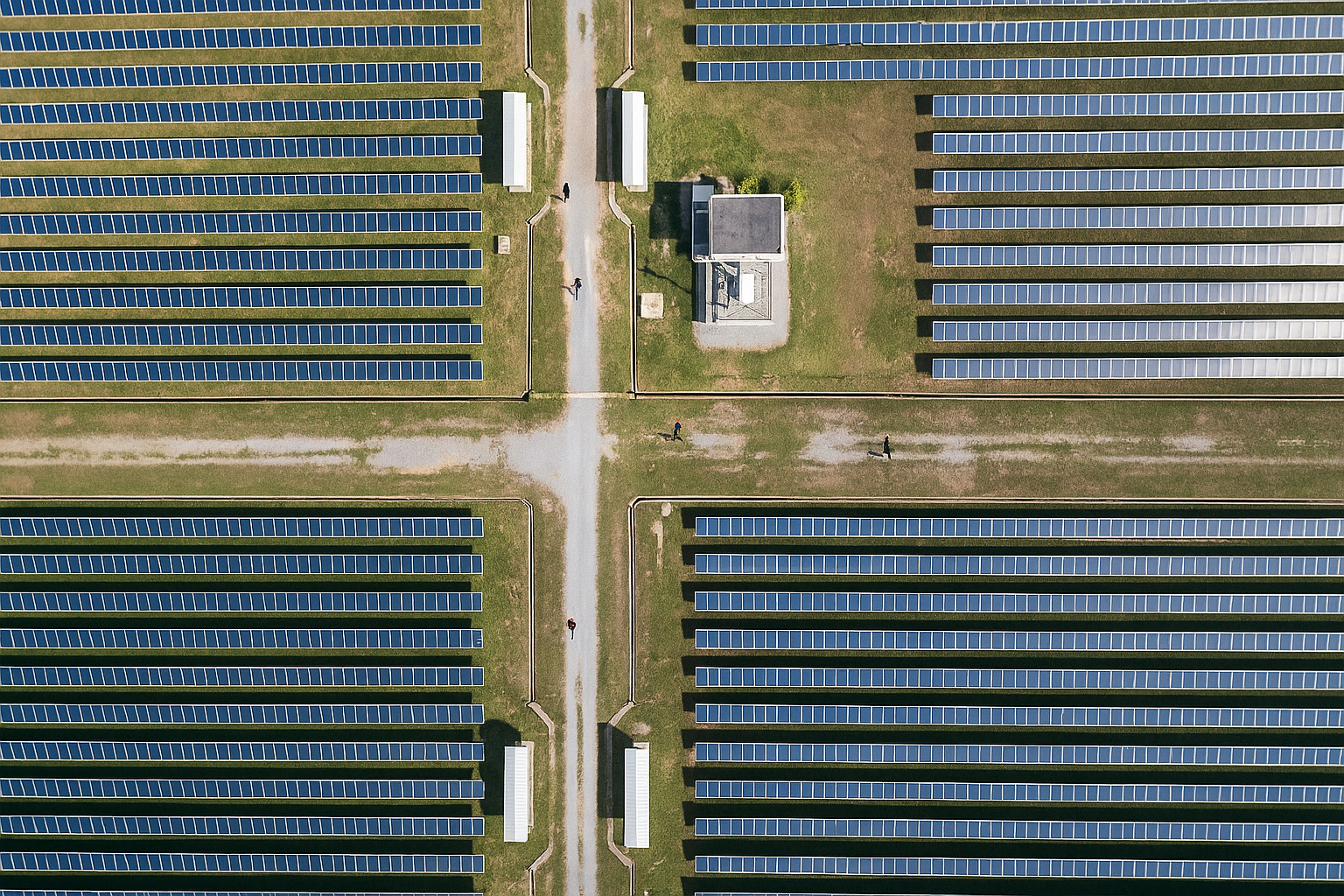


Solar Energy In Brazil Surpasses New Historical Record, with 60 GW Installed, Reinforcing Its Role In The Electricity Grid And The Sustainable Advancement Of The Country.
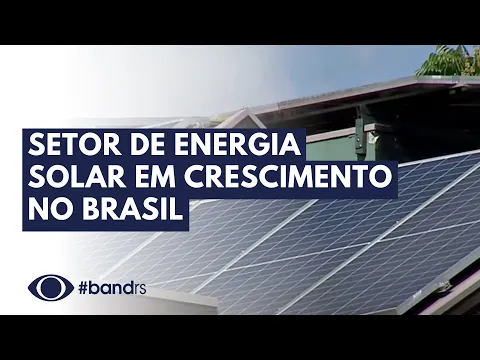
Solar energy in Brazil surpasses a historical milestone by exceeding 60 gigawatts of installed capacity, establishing itself as one of the main forces in the national electricity grid.
This growth represents not only the expansion of a renewable source but also a symbolic milestone in the advancement of Brazil’s energy transition.
According to ANEEL (National Agency for Electric Energy), this power results from the sum of 42.05 GW of distributed generation — small and medium systems installed in residences, businesses, and rural areas — and 17.95 GW of centralized generation, coming from the large solar plants scattered throughout the country.
In the total for 2025, more than 7 GW have already been added to the electrical grid.
This increase is significant when considering that, at the end of January, Brazil had reached the mark of 53 GW.
-
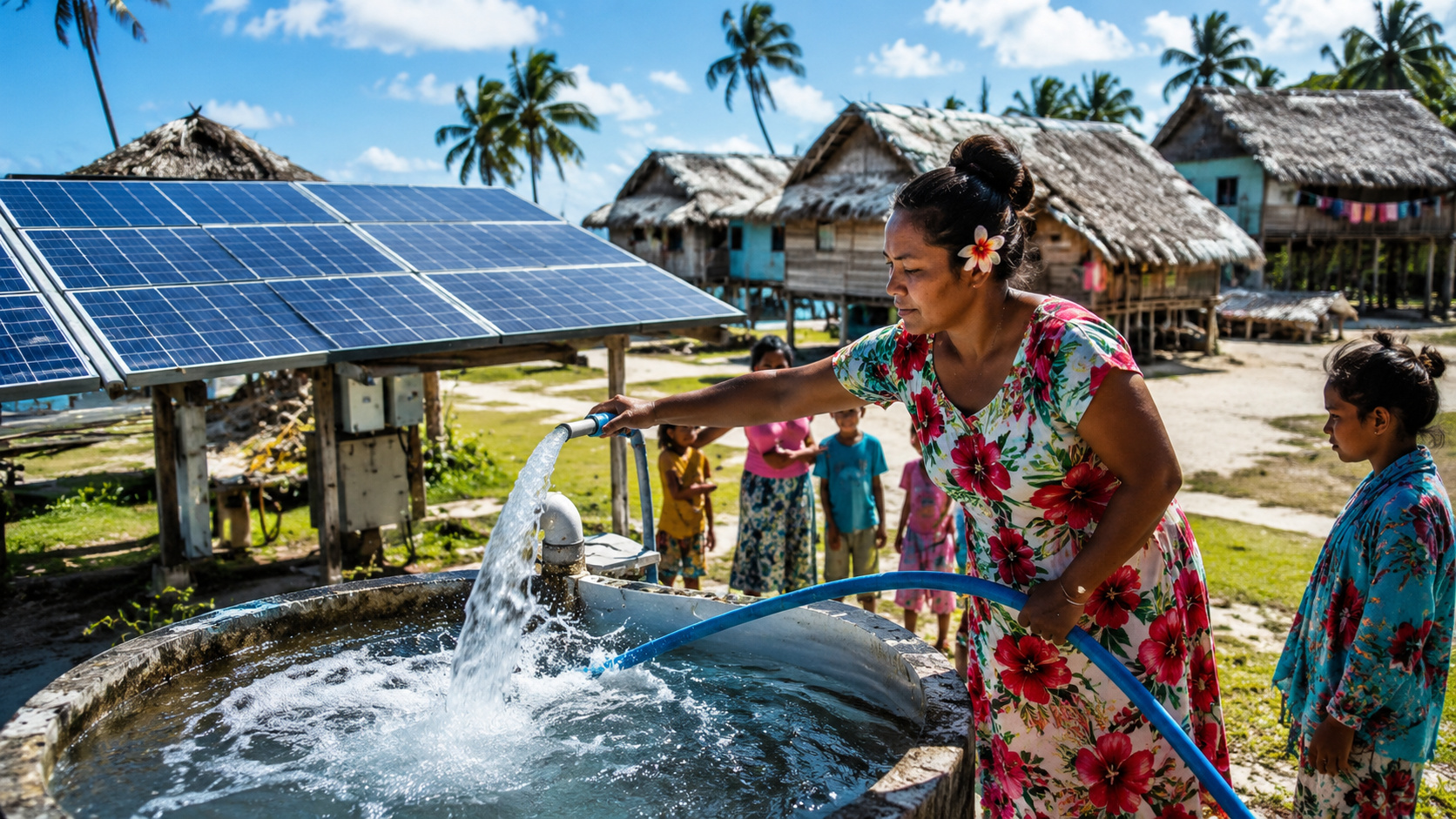
More than 1,000 residents of a remote island in Kiribati now have clean water and electricity with solar systems operated by the community itself.

-
Island in Brazil Innovates by Installing 184 Solar Panels on Urban Lagoon to Generate Clean Energy
-
Japanese Island of 417 Residents to Test Living Half the Year Solely on Solar Power, Reducing Dependence on Diesel Brought by Ship
-
Brazilian Fishermen Use Solar Power to Produce Nearly One Ton of Ice Daily, Preventing Fish Spoilage Before Reaching Market

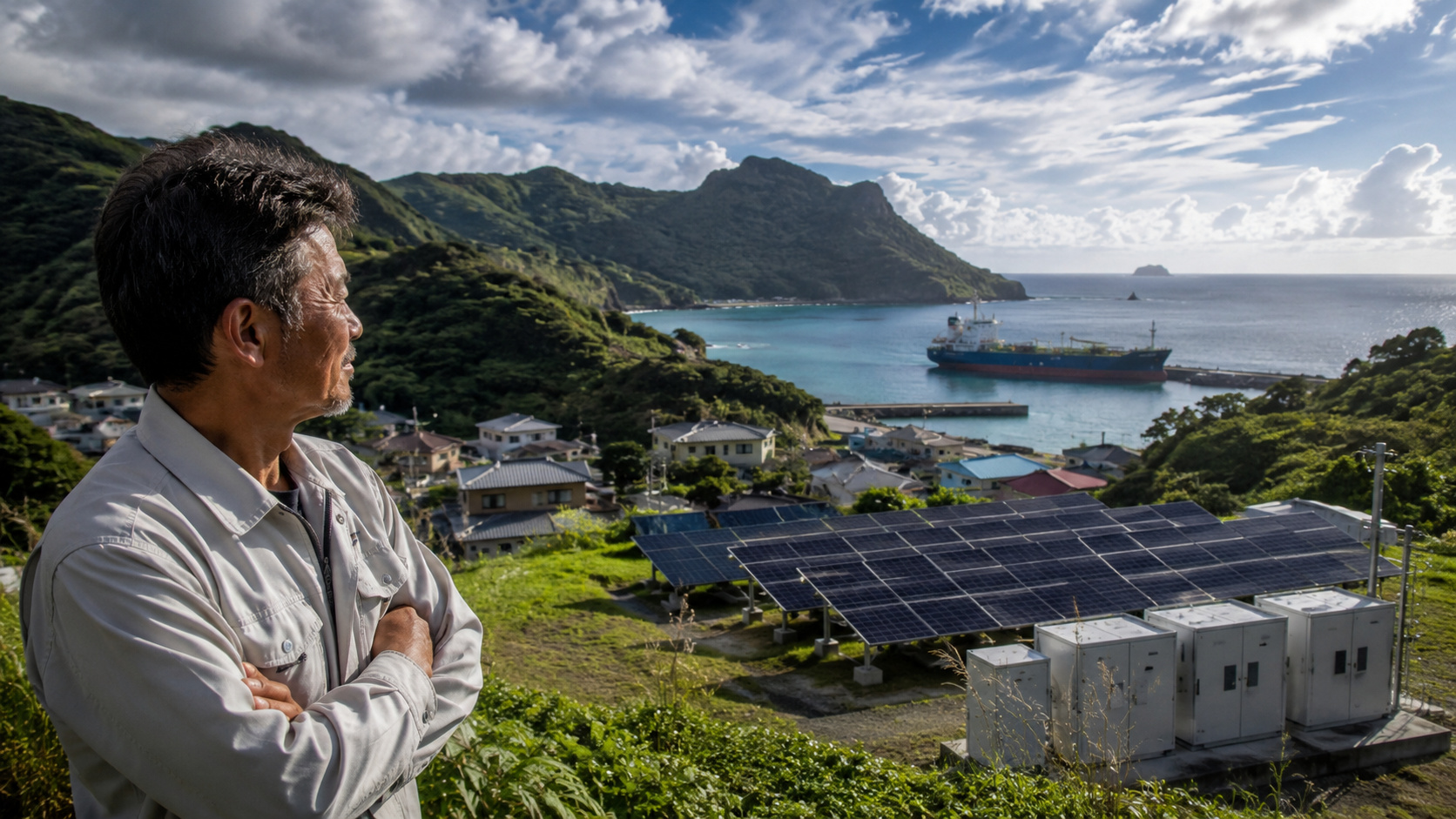

Today, solar energy represents more than 23% of the national electricity matrix, trailing only hydroelectric plants, which still account for about 43.3% of the installed capacity.
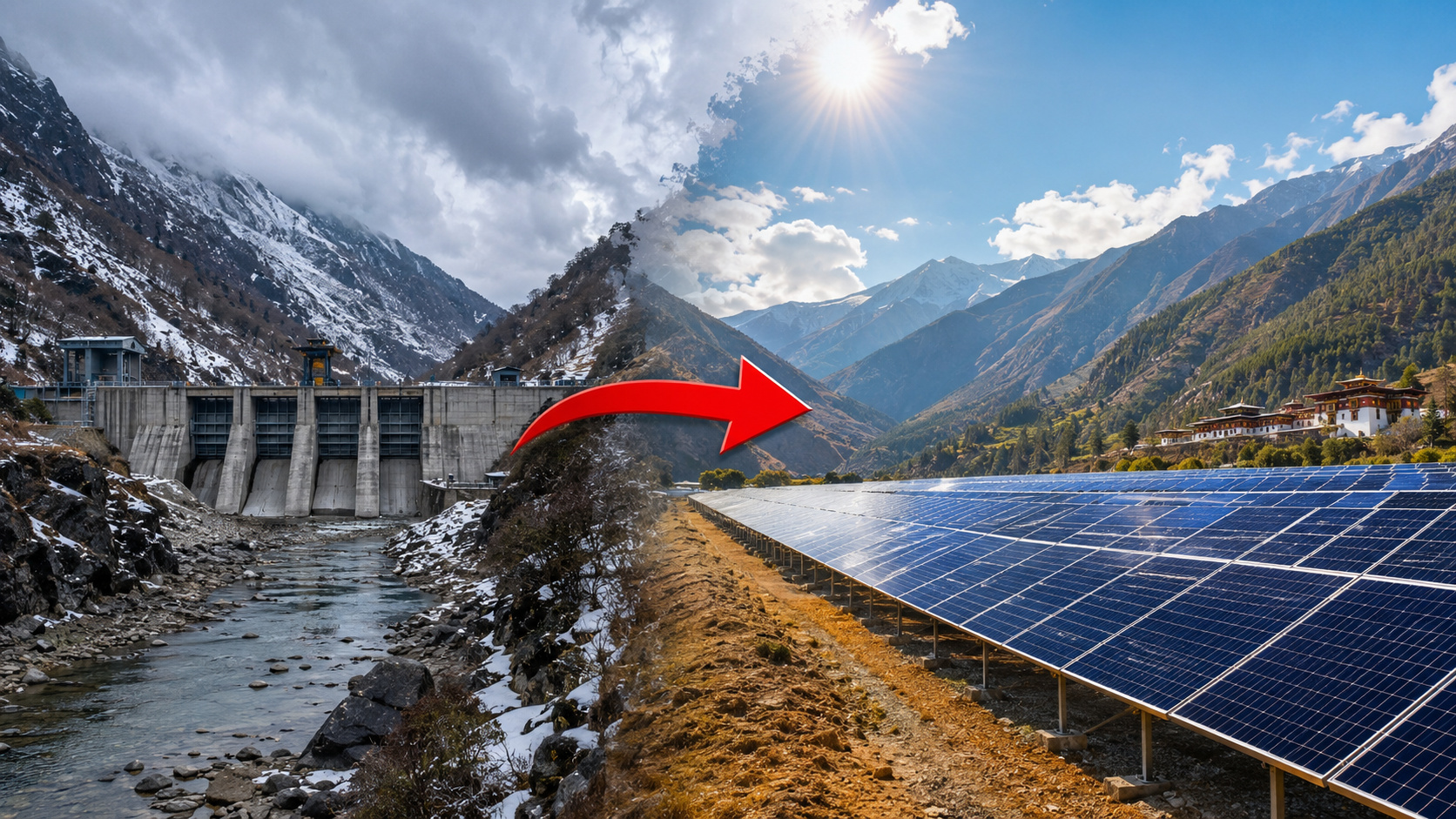
Therefore, the photovoltaic source not only strengthens the grid but also contributes to reducing dependence on water sources during drought periods, ensuring greater stability in energy supply.
Additionally, the expansion of solar energy generates indirect positive impacts, such as encouraging research and technological development and innovation in storage systems, allowing energy to be used more efficiently during peak times.
This demonstrates that solar energy in Brazil surpasses technical barriers and enhances the transformative potential of the entire energy infrastructure of the country.
Significant Growth And Challenges Ahead
Despite the rapid growth, the sector faces challenges that hinder even more robust progress.
One of the main issues is the lack of reimbursement to entrepreneurs for cuts in renewable energy generation.
Another relevant obstacle lies in the connection of small solar generation systems, especially in areas where there is a reverse power flow.
Moreover, the expansion of distributed generation depends on upgrading the electrical grid, with investments in transmission lines and smart systems.
These improvements are essential for solar energy not only to be produced but also to reach all consumers efficiently, increasing the socioeconomic and environmental impact.
Nevertheless, the advancement of distributed generation is impressive. In DG, photovoltaic technology accounts for 99.9% of connections throughout Brazil.
Only 11 municipalities, out of the 5,570 existing, still do not have installed solar systems.
Today, there are over 3.76 million systems on rooftops, facades, and small plots, directly benefiting 6.61 million consumer units.
The majority of the installed capacity is found in residences, totaling 20.84 GW. The commercial sector follows next, with 11.95 GW, followed by agricultural, with 5.64 GW, and industrial, with 3.05 GW. São Paulo leads the ranking with 5.91 GW, followed by Minas Gerais, with 5.31 GW, and Paraná, with 3.78 GW.
It is interesting to note that the growth of DG also contributes to regional development, especially in smaller municipalities that gain access to their own energy generation.
In this way, the technology not only promotes cost savings but also stimulates energy autonomy and encourages local economies, creating a multiplier effect that benefits the entire society.
The Strength Of Centralized Generation
In centralized generation, Brazil records 17.95 GW from large solar plants. A curious fact is that, until 2017, this modality did not participate in the national electricity matrix.
Today, some states stand out in this segment, such as Minas Gerais, which totals 7.41 GW, Bahia, with 2.40 GW, and Piauí, with 2.09 GW.
In addition to the installed capacity, Brazil has 29.3 GW in the process of construction or implementation, according to data from ANEEL.
This indicates that the pace of expansion should maintain over the coming years, further consolidating the prominence of solar energy.
The large plants also offer strategic benefits. For example, they contribute to the geographical diversification of generation, strengthening supply in regions with higher industrial and urban demand.
Additionally, these projects create new job opportunities, especially in engineering, construction, and specialized technical maintenance, fostering economic growth in various regions of the country.
Investments And Socioeconomic Impact
The growth of solar energy in Brazil surpasses technical barriers and translates into strong economic impact. Since it began to be implemented in the country, this renewable source has attracted R$ 266.8 billion in investments.
Additionally, it has generated more than 1.7 million jobs and collected R$ 83.1 billion in taxes for public coffers.
The sector also stimulates public-private partnerships, the expansion of green credit lines, and the emergence of renewable energy startups, which develop innovative solutions for optimizing consumption and integrating with the electrical grid.
Therefore, solar energy not only provides clean electricity but also drives the entire production chain of the electric sector.
On the environmental aspect, the contribution is equally relevant. Solar energy has avoided the emission of about 88.1 million tons of CO₂, helping to reduce dependence on fossil sources and strengthening the fight against climate change.
Moreover, the expansion of solar energy contributes to reducing pressure on water resources, as this technology does not rely on large volumes of water, unlike hydroelectric plants.
Historical Context And Promising Future
The beginning of solar energy in Brazil was modest, characterized by high installation costs and little popularization of the technology.
With technological advancements and incentive policies, prices fell significantly, making it viable for residential consumers, businesses, and rural producers to adopt.
In the last ten years, the growth of installed capacity has been exponential, reflecting a global trend toward clean source migration.
The trajectory of solar energy in Brazil surpasses mere installation of photovoltaic panels. It involves structural changes in the way energy is produced and consumed, requiring planning, investment, and constant updating of the electrical grid.
If it maintains the current expansion pace, the country could consolidate itself as a leader in solar energy in Latin America and one of the largest global players.
The path, however, requires attention to regulatory bottlenecks, strengthening of infrastructure, and continuous encouragement of innovation.
With suitable solutions, solar energy in Brazil surpasses not only numerical targets but also historical barriers, accelerating the transition to a more sustainable matrix.
Furthermore, it is expected that new storage and grid integration technologies will further enhance the efficiency of solar energy.
With this, Brazil will not only be able to produce clean energy but also manage its consumption and supply remote regions, strengthening energy security and economic competitiveness.