Portuguese
  Spanish


Discover How Solar Energy in Rural Properties Strengthens Family Farming and Promotes Sustainability in the Field.
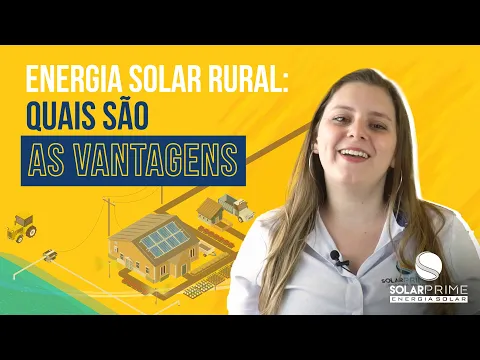
The production of solar energy in rural properties has become a decisive factor for the growth of family farming in Brazil. By combining economy, sustainability, and energy autonomy, the microgeneration model transforms the daily lives of thousands of families in the countryside and redefines the role of rural areas in the country’s energy transition.
Throughout history, the Brazilian countryside has always been associated with food production and the foundation of the national economy. However, in recent decades, technological advancements and the search for sustainable alternatives have expanded the role of rural properties, which now also stand out in clean energy generation.
The Protagonism of Rural Properties in Solar Generation
Photovoltaic solar energy allows producers to use the sun — an abundant resource — as the main source of supply. Thus, rural properties begin to generate their own energy and, in some cases, even sell the surplus, creating a new source of income. This practice drastically reduces production costs and makes agricultural activities more competitive and sustainable.
-
Giant Batteries Take Center Stage in Chile Auction as Company Offers 960 GWh of Solar Energy for Nighttime Use, Aiming to Stabilize Solar Power Supply

-
World’s Largest Engie Solar Plant in Brazil Highlights Billion-Dollar Energy Waste Issue: Company Considers Batteries and Bitcoin Mining to Avoid Wasting Production

-
Over 60 Tractors Take to the Streets in Lopera as Solar Parks Compete with Olive Groves, Affecting 13,000 to 100,000 Trees According to Conflicting Reports
-
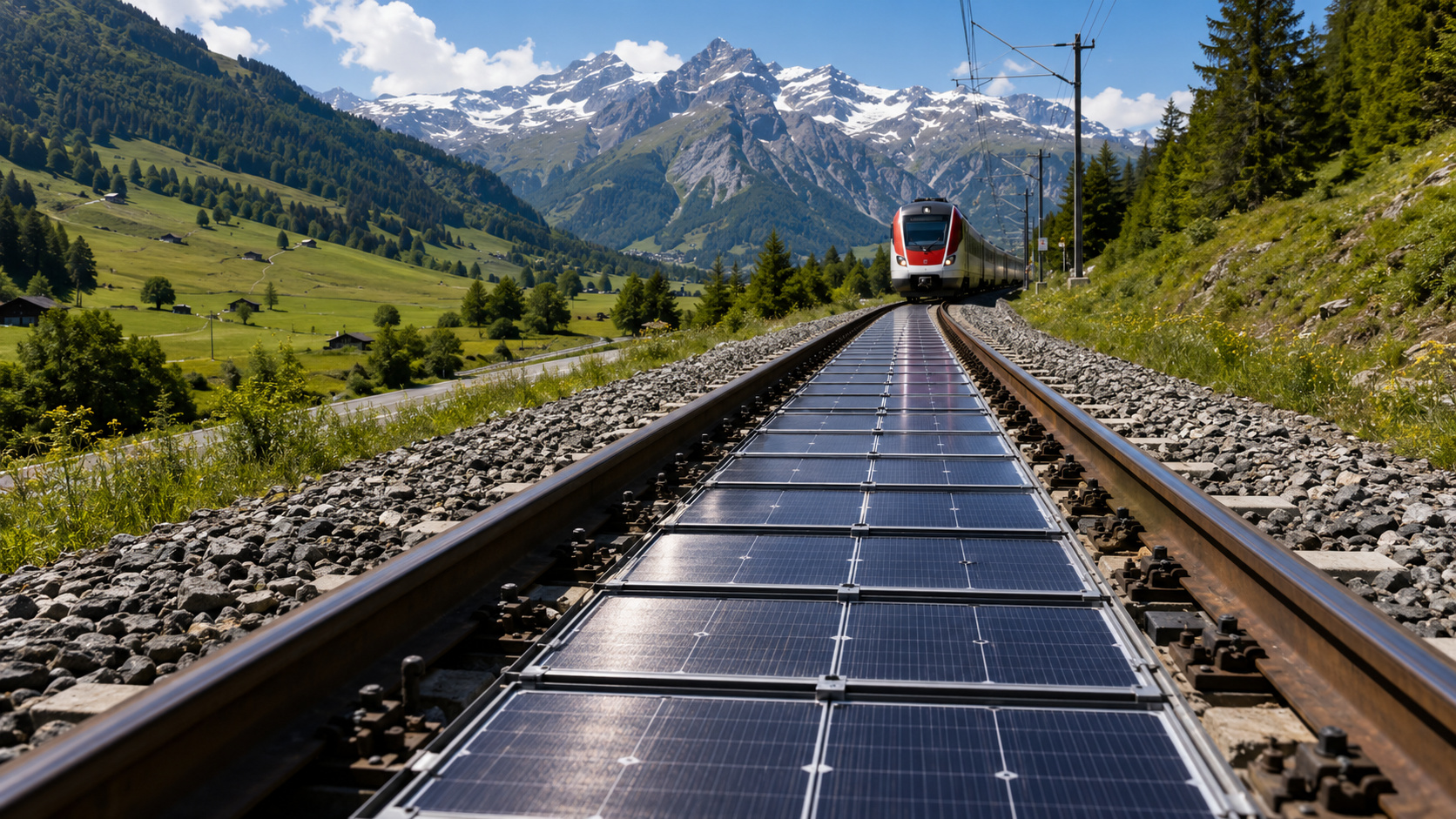
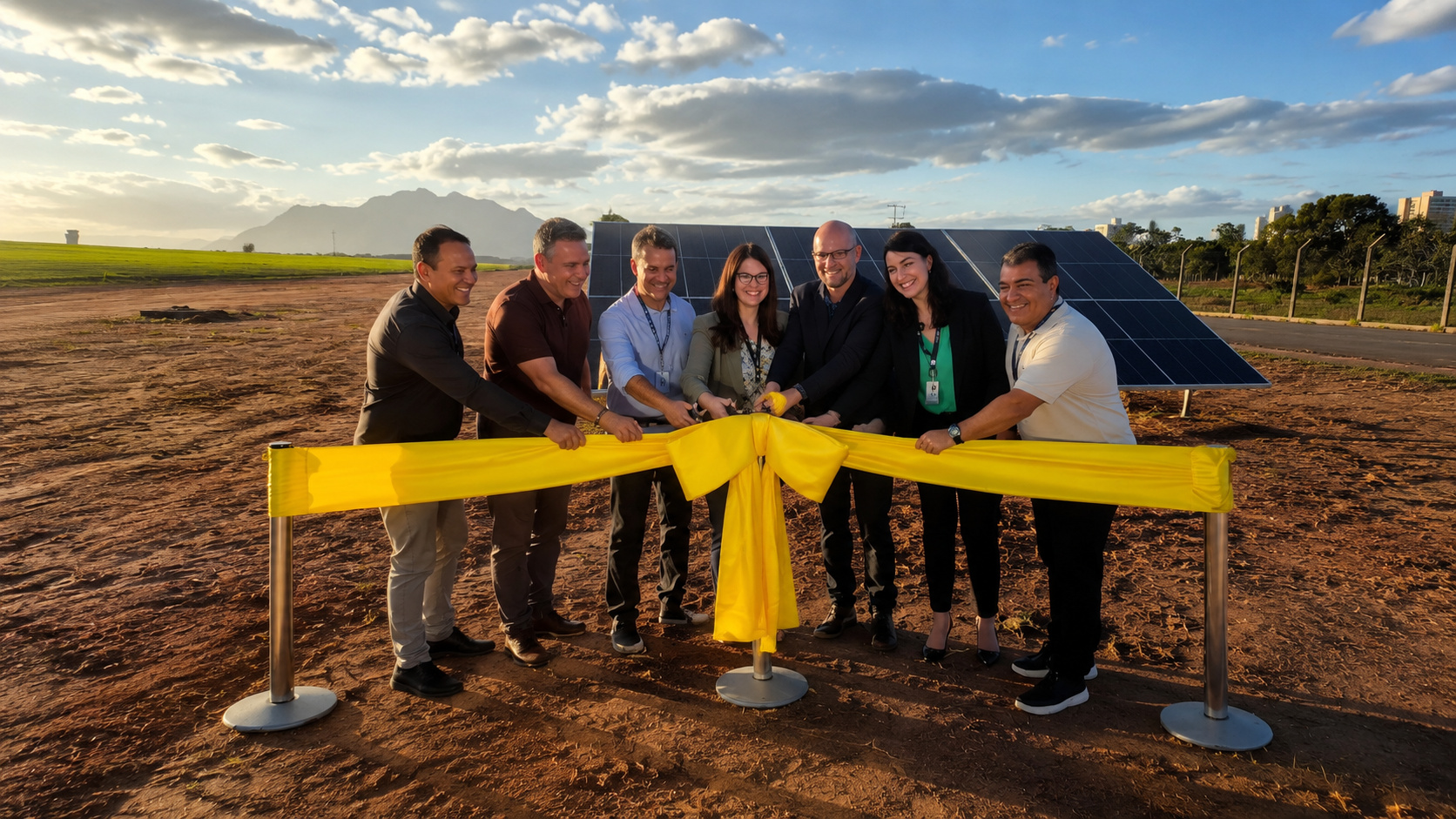
Brazil’s Vitória Airport to Launch Solar Plant Covering Area of 10 Soccer Fields, Boosting Clean Energy and Cutting Costs


Minas Gerais is an emblematic example of this trend. The state leads distributed generation in the country and has thousands of rural producers who invested in solar panels to reduce expenses and ensure more autonomy. According to experts, this change is not only technological but also social, as it strengthens the permanence of families in the countryside and stimulates the local economy.
The adoption of solar energy also attracts the interest of cooperatives and associations, which see the possibility of organizing producers around a collective generation model. In this way, the cost of equipment is shared, and the financial return becomes more accessible to all.
Solar Energy and the Future of Family Farming
The impact of solar generation in rural properties goes beyond energy savings. It promotes a structural transformation, allowing small farmers to increase their production without raising fixed costs. Additionally, clean energy reduces dependence on fossil fuels, making agricultural production more aligned with global sustainability goals.
In recent years, the debate on the democratization of access to renewable energy has intensified. Legislative projects, such as PL 3.159/24, propose the purchase of energy from cooperatives formed by farmers, ensuring small producers enter the clean energy market. This initiative represents a significant advancement towards a fairer and more inclusive energy transition.
However, many producers still face difficulties in connecting to distribution networks. In Minas Gerais, for example, there are barriers with Cemig, which limits new connections under the justification of excessive injection of solar energy during the day. This barrier hinders the expansion of microgeneration and raises concerns among farmers and sector experts.
Sustainability and Inclusion in the Countryside
Despite the obstacles, the potential of solar energy in rural properties is immense. Besides reducing costs, it increases land value, attracts investments, and drives the modernization of agricultural activities. The smart use of renewable energy transforms rural properties into spaces for sustainable production, fostering a new green economy.
Experts highlight that the solar generation model can generate extra income for farming families, especially when the surplus is sold. According to estimates, a rural property equipped with a microgeneration system can achieve savings of up to 99% on the electricity bill, in addition to creating a new source of monthly revenue.
This movement aligns with the global trend of valuing clean energies. Brazil, due to its privileged location and abundance of solar radiation, has all the conditions to lead the sustainable production of renewable energy in the countryside. Thus, each rural property that adopts solar panels becomes a small nucleus of environmental and economic transformation.
Challenges and Paths for the Advancement of Rural Solar Generation
Although the potential is high, there are still challenges to overcome. The main difficulty lies in the bureaucracy for connection to the electrical system, which discourages small producers. Moreover, the initial cost of equipment remains high, despite reductions in recent years.
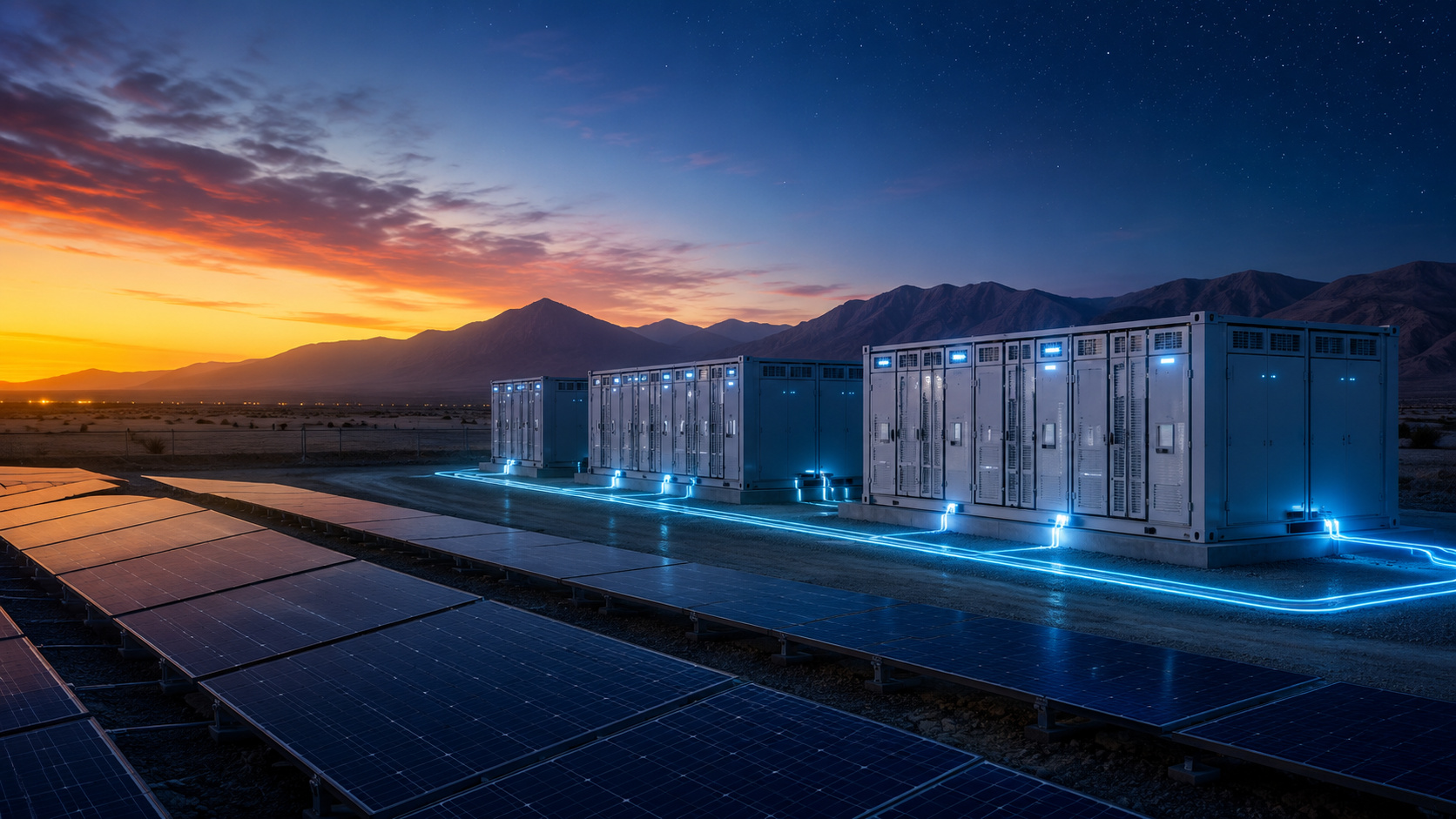
However, solutions are being discussed. The adoption of batteries for energy storage is an alternative that avoids direct dependence on utility companies and ensures autonomy for producers. Another path is the creation of tax incentives, such as reducing the ICMS on solar energy, making investments more accessible.
Over time, the combination of public policies, accessible technology, and incentives for cooperation can revolutionize how Brazilian agriculture produces energy. Solar energy will then cease to be just a technological option and become a tool for social inclusion and environmental sustainability.
The Story of an Energy Transformation
The use of solar energy in rural properties is, in a sense, a return to a logic of self-sufficiency that has always characterized the countryside. In the past, farmers produced almost everything they consumed, from food to inputs. Today, with technological advances, they can also produce the energy that powers their activities.
This process represents a new stage in rural evolution, marked by the integration of tradition and innovation. Family farming, which has always been the foundation of food security in Brazil, is now also a key piece in the global energy transition.
Additionally, solar energy strengthens the sense of belonging and future among young people in the countryside. When they see that it is possible to live well and prosper sustainably, they find reasons to stay and invest in rural life, combating the exodus to the cities.
A Bright Future for Brazilian Agriculture
With well-structured policies and adequate technical support, Brazil can transform its rural properties into true clean energy hubs. The integration of agriculture and renewable technology shows that sustainability is not just a trend but a necessity for the future of the planet.
As more farmers adopt solar systems, dependence on polluting sources decreases and the country takes firm steps towards a low-carbon economy. Thus, each roof covered with solar panels becomes a symbol of resistance, innovation, and hope.
In short, the solar energy produced in rural properties is more than just an energy alternative. It is a concrete opportunity to strengthen family farming, generate income, and protect the environment. The Brazilian countryside, illuminated by this transformation, is moving towards a future where technology and nature work together, side by side, to ensure a more sustainable and just tomorrow.