Portuguese
  Spanish



Interest Grows With Rise In Electricity Bills And Environmental Concerns
Users searched for the term “solar energy at home” 25,700 times on Google between July 2024 and July 2025, according to a survey by Aldo Solar.
The company is considered the largest distributor in the sector in Brazil. The growth occurred in parallel with the escalation in electricity prices in the country.
Additionally, discussions about sustainability have increased the demand for the technology. The term “residential solar panel price” registered an expansion of 136.36% in the last year.
-
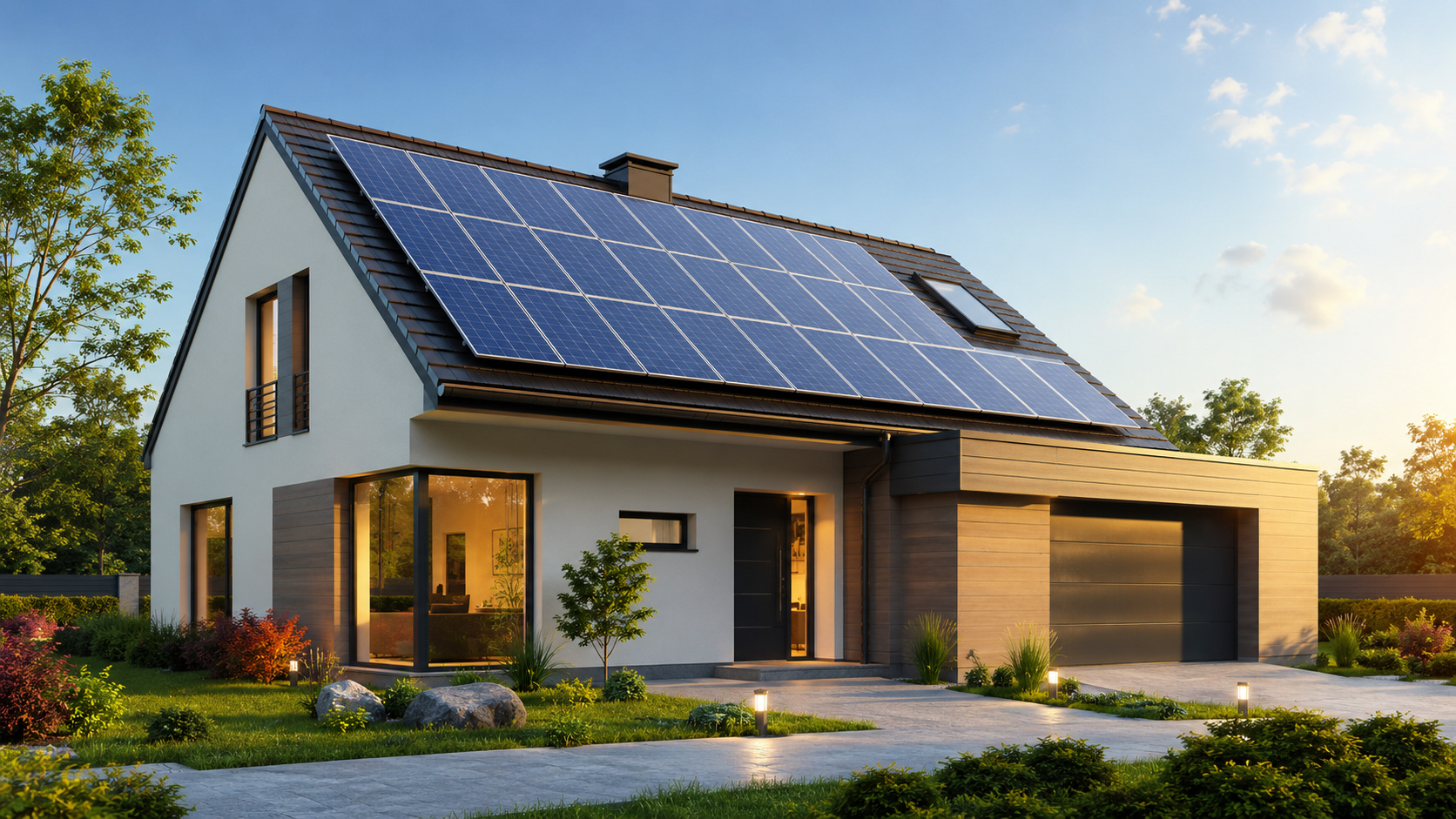
Solar energy can increase property value by up to 10% and become a selling point.

-
Solar and wind energy surpass natural gas for the first time in the world and accelerate energy revolution

-
Africa has about 500,000 cell towers and most still burn diesel to operate, while companies rush to cover antennas with solar energy and avoid signal blackouts.
-
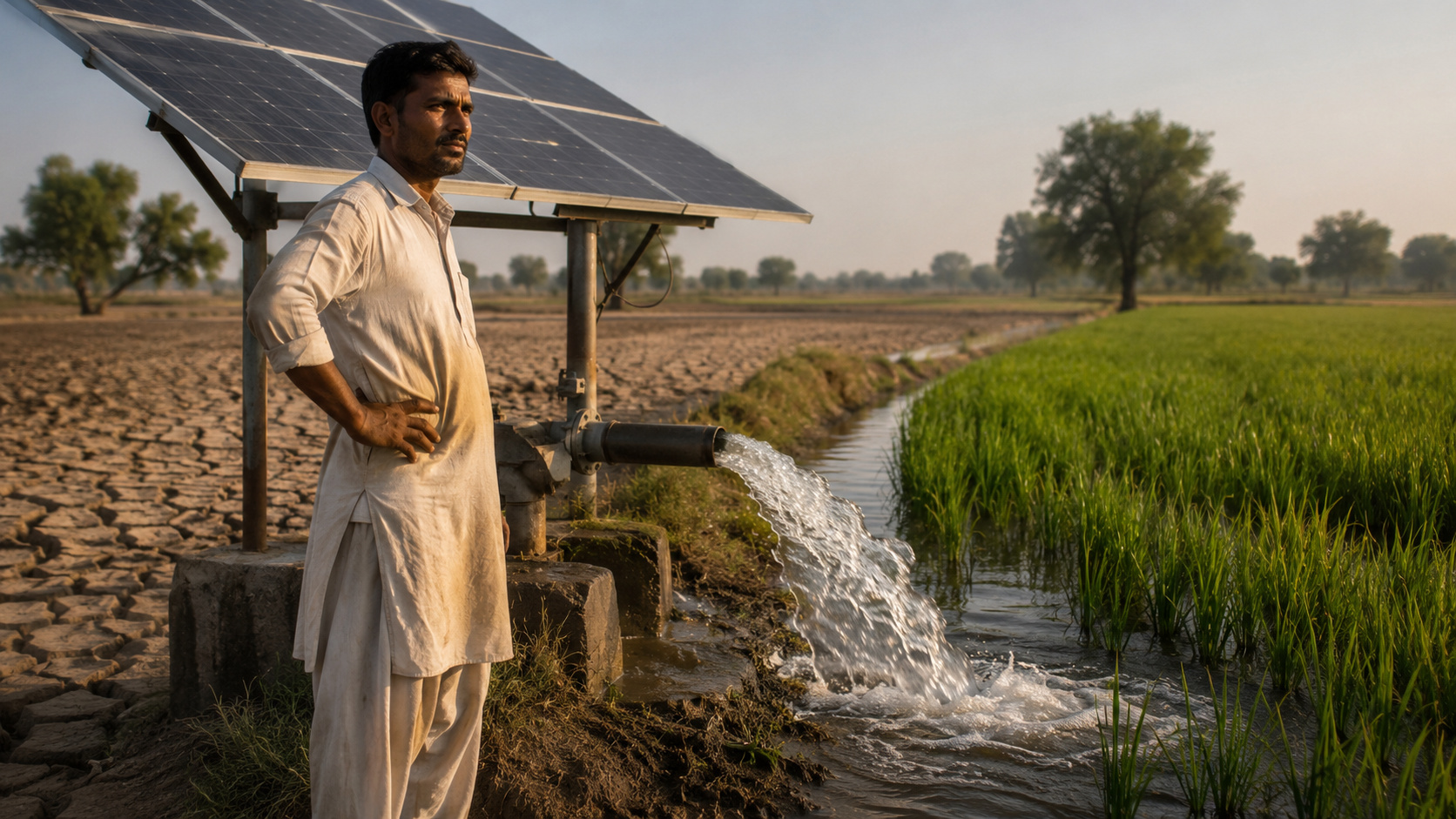
Farmers swapped diesel for solar panels in Pakistan, powered irrigation pumps almost cost-free, expanded rice fields, and now groundwater has become a red alert in the countryside.


This movement highlights the strong economic and environmental appeal of solar energy, which increasingly attracts the attention of Brazilian consumers.
Solar Energy Already Accounts For 23.5% Of The Electrical Matrix
The growth in demand for photovoltaic solutions accompanies the consolidated advancement in the sector and structurally transforms the national energy matrix.
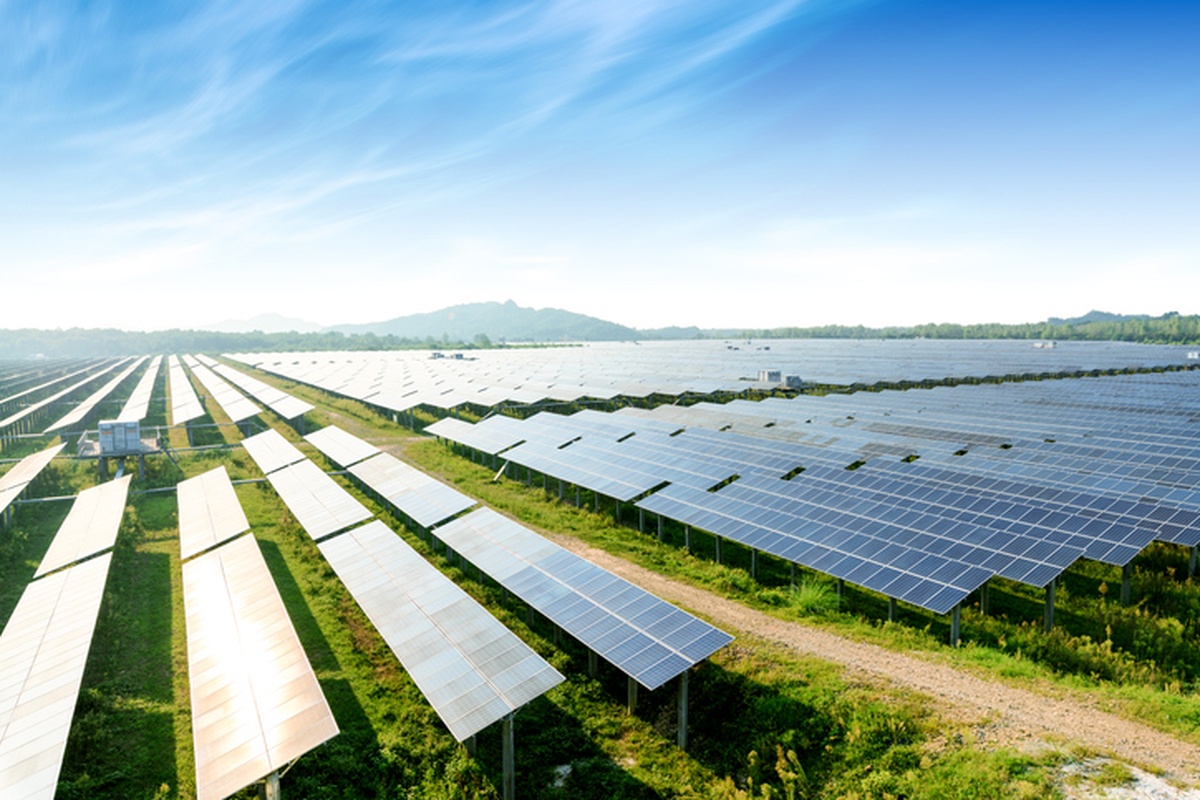
According to the Brazilian Association of Photovoltaic Solar Energy (Absolar), the solar source reached 60 gigawatts (GW) of operational installed capacity in 2025.
This result represents 23.5% of the national electrical matrix, ranking second, just behind hydroelectric plants, which remain the main source of electricity.
Therefore, the expansion reflects an accelerated energy transformation, which increases the participation of renewable and sustainable sources throughout the Brazilian matrix.
Advantages Of Residential Solar Energy In Spotlight
Experts point to solar energy as a low environmental impact alternative, as it generates electricity quietly and without pollution.
Unlike hydropower and wind energy, the solar source is not directly affected by abrupt climate variations, ensuring predictability and stability in energy production.
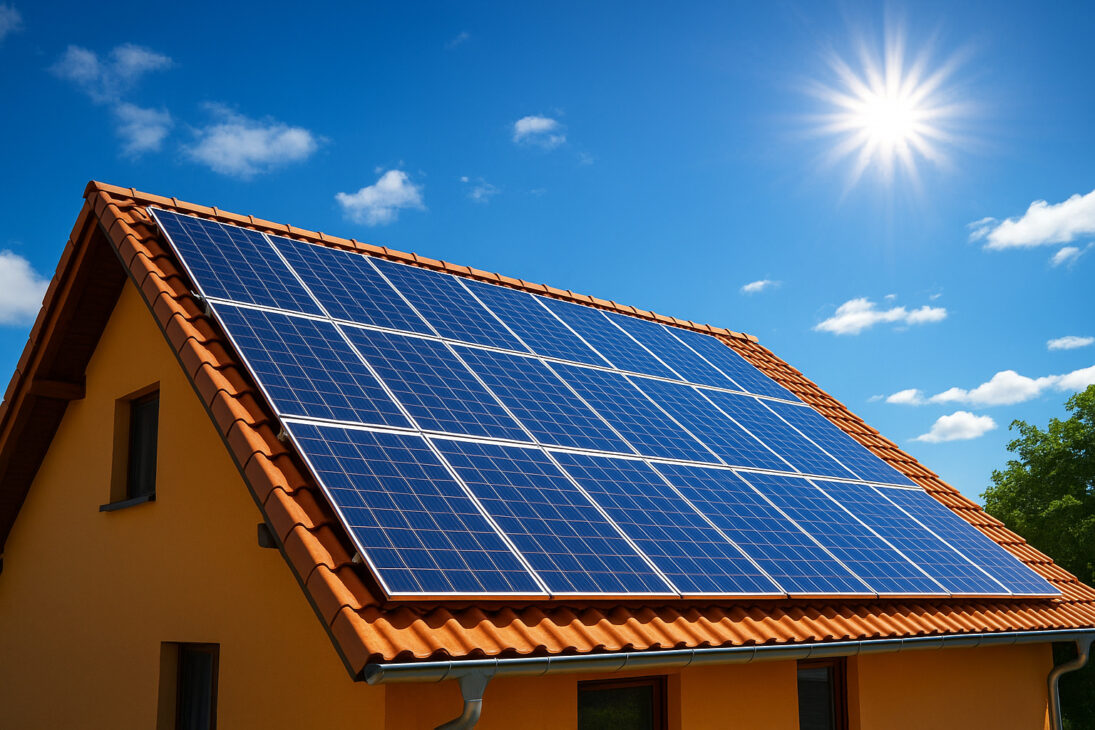
The technology allows for system installation on rooftops, facades, ground, and even on water surfaces, taking advantage of sunlight in various environments.
Among the financial benefits, reductions of up to 90% on electricity bills and an average payback of 3 to 5 years stand out.
According to Absolar, properties with photovoltaic systems appreciate between 4% and 6%. This appreciation further strengthens the real estate market linked to renewable energy.
Another point is the possibility to offset excess energy. The system sends the surplus to the distributor and generates credits that the consumer can use in subsequent months.
Additionally, the systems have an average lifespan of 25 years, with low maintenance needs, ensuring economic returns in the long term.
Job Creation Drives The Sector In 2025
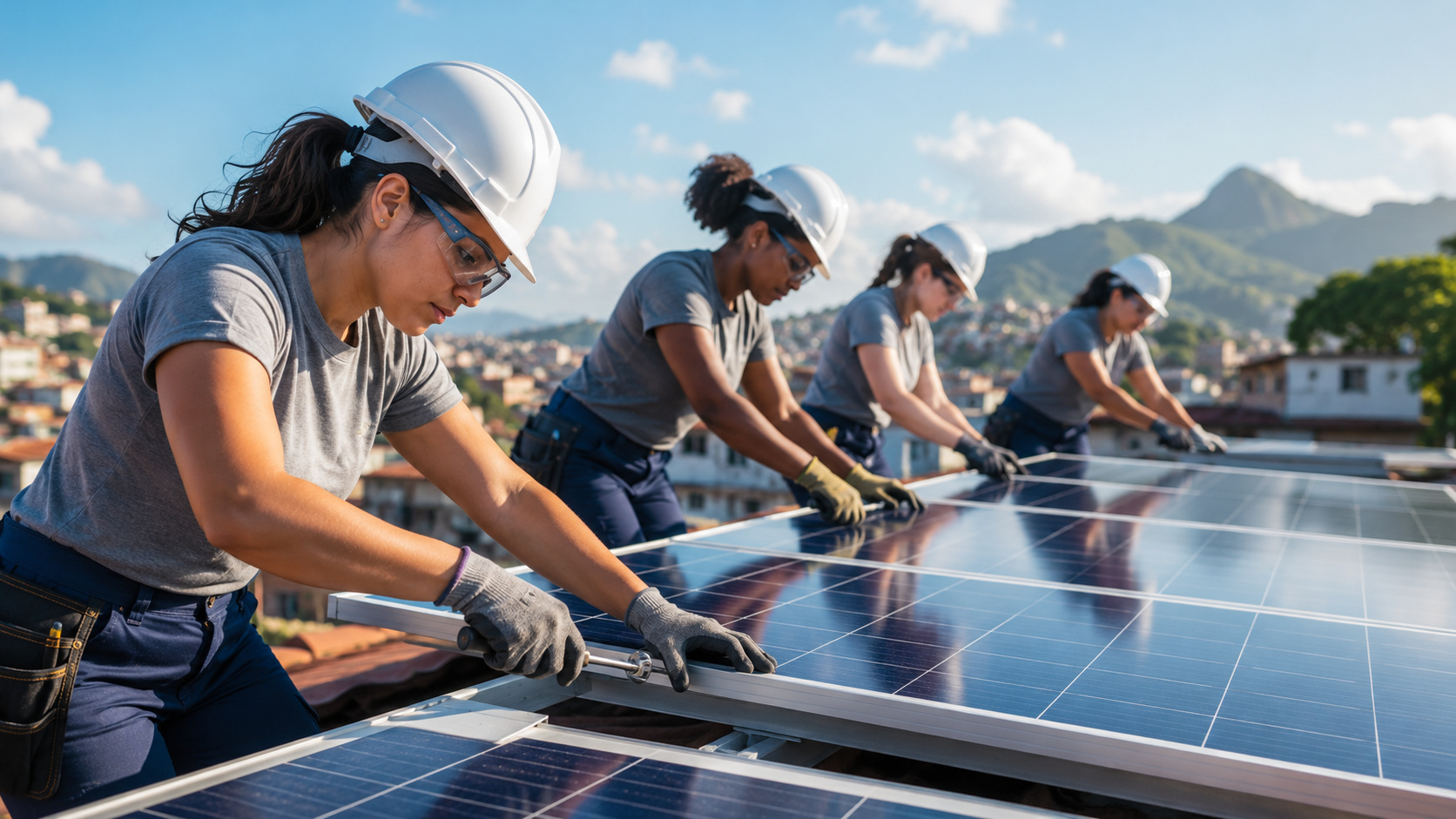
The expansion of the sector also impacted the labor market and generated opportunities in different areas. In the last 12 months, 500,000 job openings were created.
Only in 2025, nearly 200,000 positions emerged in companies related to micro and mini distributed generation, in addition to the large solar plants operating in Brazil.
The growth of the sector increased the demand for integrators, engineers, electricians, and specialized companies in photovoltaic projects in different regions of the country.
Consequently, training in sales and regulation has become essential to convert consumer interest into effective contracts within the solar sector.
Promising Future Until 2050
According to the report “Future of Energy: Climate Observatory’s Vision For A Just Transition”, Brazil could reduce 80% of CO₂ equivalent emissions by 2050.
This scenario will be achieved without relying on carbon capture technologies or the expansion of fossil fuel production within the national territory.
Therefore, solar energy emerges as a strategic element to alleviate electricity bills and consolidate the Brazilian energy transition in the coming years.
After all, it is a clean, renewable, and competitive source that combines economy, sustainability, and electrical inclusion in areas still without distribution networks.