Portuguese
  Spanish



“Fuel of the Future” Is Already Highlighted on the Global Stage and Could Bring More Shine to Brazil with Solar Energy
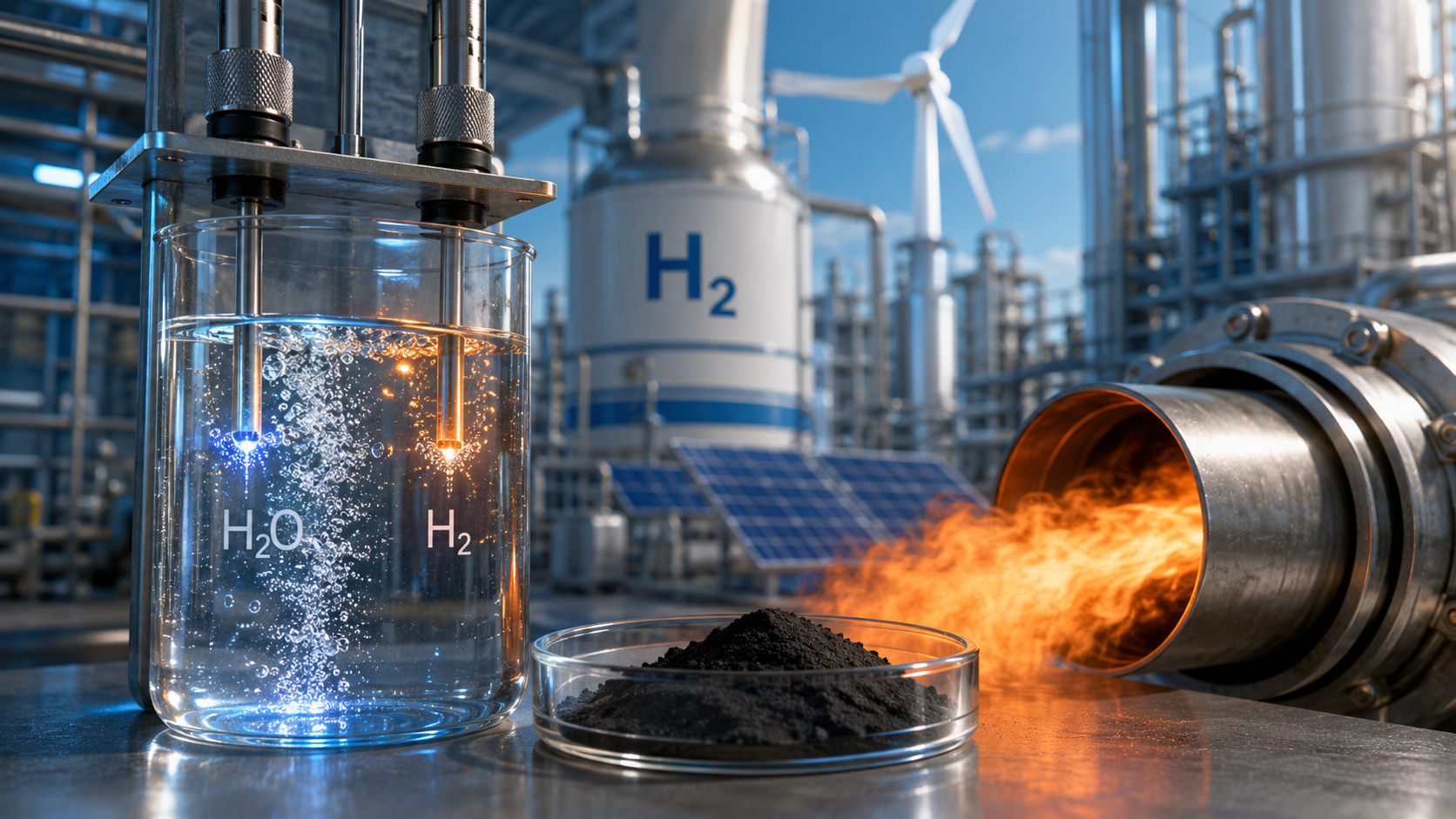
And let’s move forward because rockets don’t have reverse! Hydrogen is one of the main fuels to propel rockets into space and is gaining even more prominence on the global stage. After all, green hydrogen, the “fuel of the future” produced from solar and wind energy, is a renewable energy source. In addition, it is gaining attractive prices, competitive with those of gasoline, which will stimulate the energy transition.
Thus, many experts are pointing to green hydrogen as the next global fuel. In other words, they project that it could become the main energy source for society. Do you know what is even more interesting? This fuel generates up to 3 times more energy than other types of fossil fuels and does not pollute the environment. Understand how solar energy will expand this market.
Get to Know a Little More About Green Hydrogen in the Video Below

Green Hydrogen Is Obtained from Solar Energy and Can Expand the Domestic Market Due to Installed Capacity
Green hydrogen is obtained through a process known as electrolysis. In other words, this process separates hydrogen from oxygen using water and electricity. Therefore, you can have immense energy production without burning any type of fossil fuel. Additionally, hydrogen has competitive costs compared to gasoline, which is very appealing.
-
Fired during apartheid and with a little borrowed money, an electrician started with a borrowed truck and transformed electrical services into a group connected to energy, real estate, and infrastructure in South Africa.

-
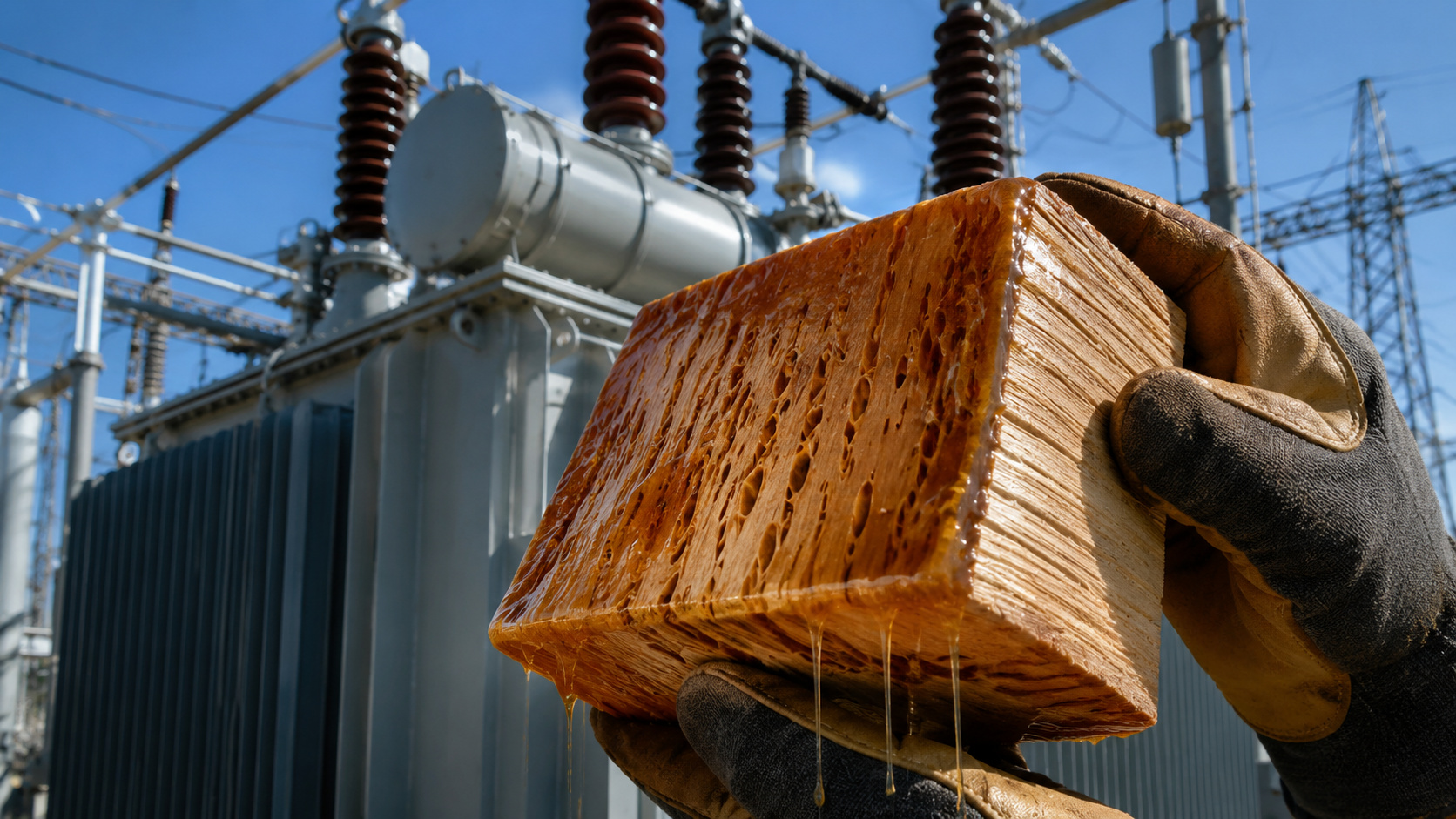
Wood has ceased to be just a construction material in Yale research and has become insulation for electrical transformers that face intense heat, aging, and increasing pressure from the renewable energy-powered grid.
-
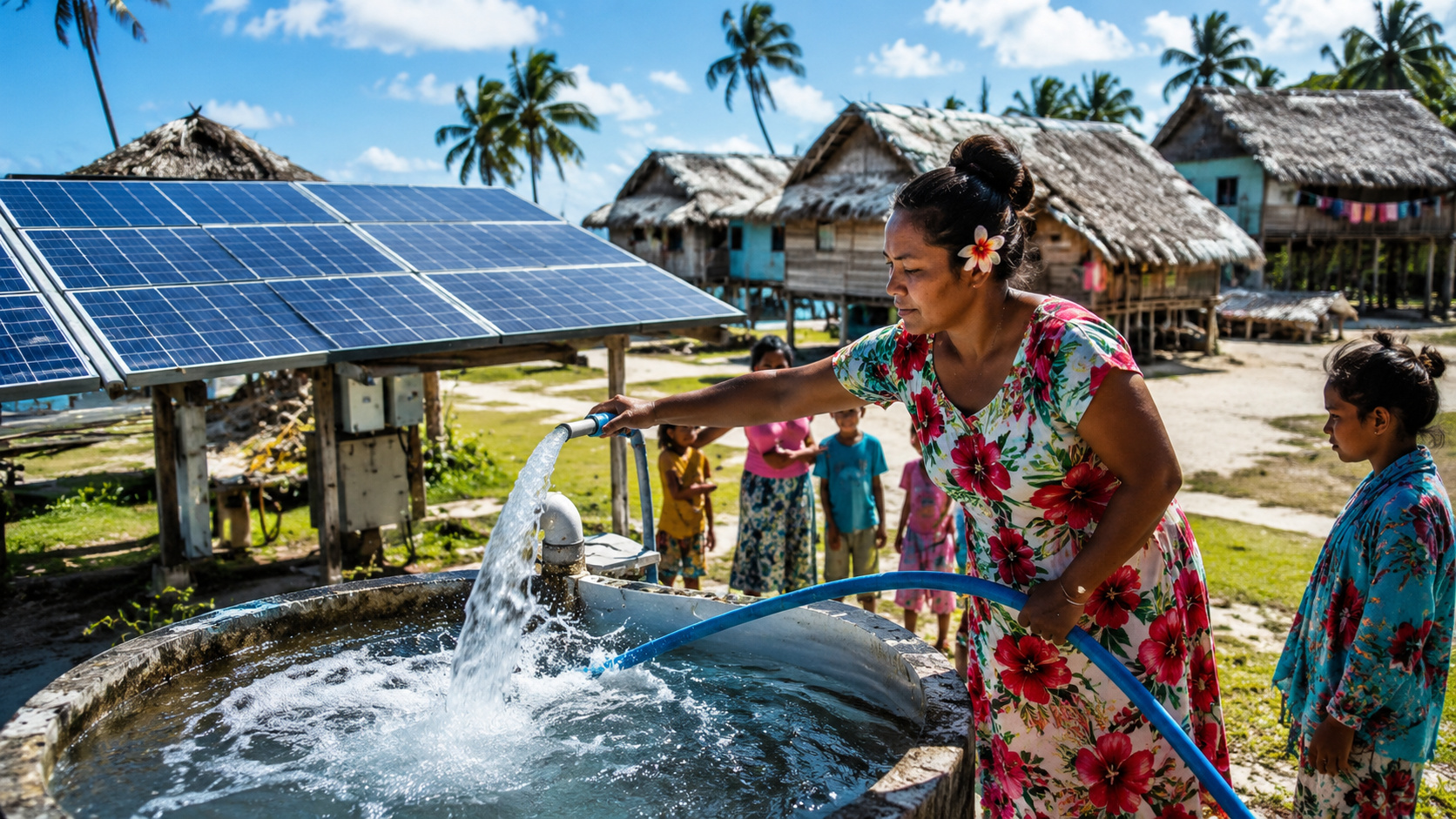
More than 1,000 residents of a remote island in Kiribati now have clean water and electricity with solar systems operated by the community itself.
-
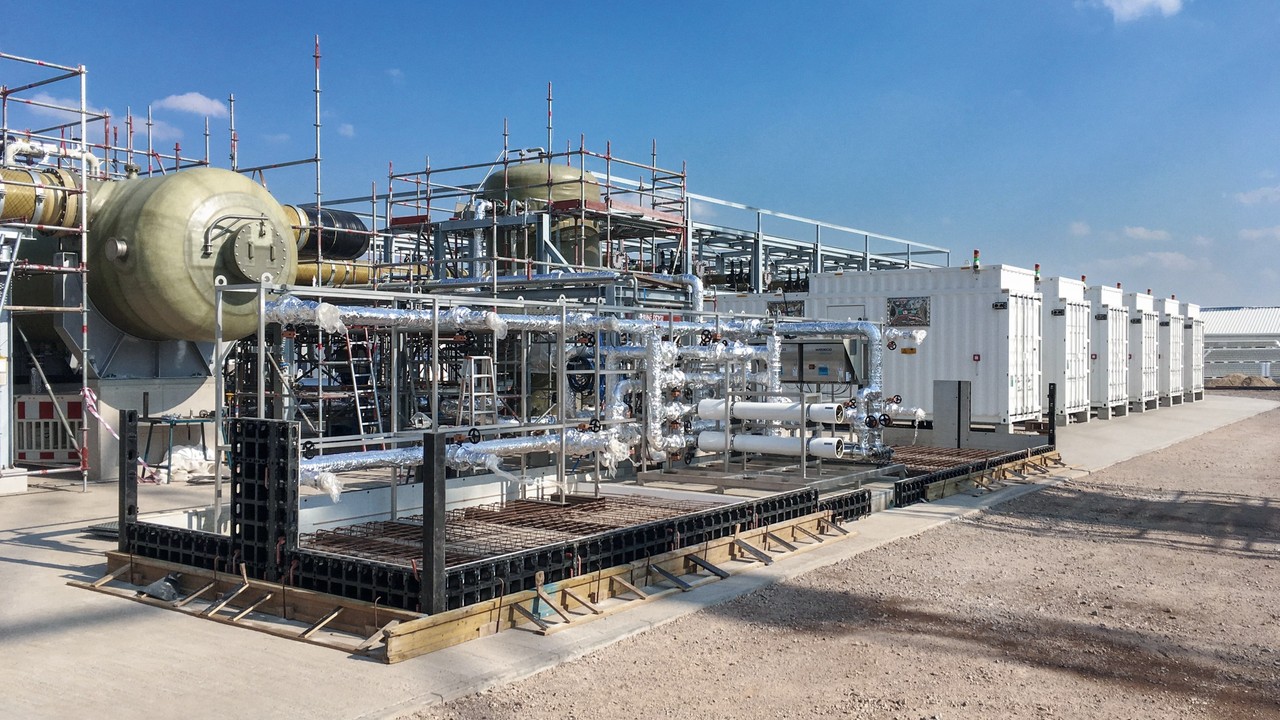
Ceará brings together 7 giants and R$ 66 billion to transform Pecém into the largest green hydrogen hub in Brazil, with final decisions expected by the end of 2026.

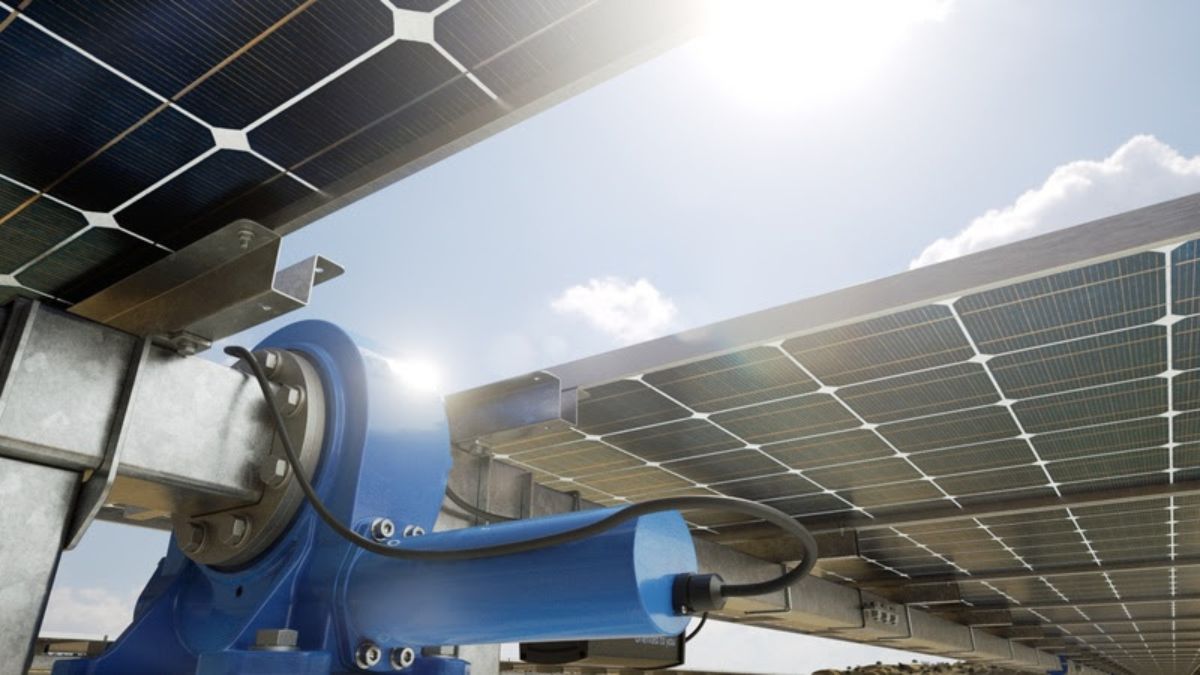
Our country has immense reservoirs to store produced energy and also has an installed capacity of 20,250 MW in solar energy. This means that we have everything to become one of the biggest names in the world as producers of green hydrogen. Thus, we can expand exports and thrive with economic development.
Low Cost of Green Hydrogen Could Stimulate Production and Export Worldwide, Due to Vast Energy Potential
The low cost of green hydrogen, or the “fuel of the future”, is a point that attracts a lot of attention from investors and countries. Currently, experts point out that production costs will be between US$ 1.20 and US$ 1.40/kg by 2030.
Thus, we can have a renewable energy source that will stimulate the energy transition. After all, production and distribution costs end up being competitive with the prices currently charged for gasoline sales. In other words, we will have a new fuel that does not pollute, but has a price as favorable, if not more so, than that of gasoline.
Production Is Still Small-Scale but Expected to Reach Interesting Levels in the Next 5 Years, According to STI Norland Experts
Green hydrogen is a great promise but is still produced on a small scale. However, some experts, including those from the technical team at STI Norland, one of the largest producers of trackers for solar energy, predict that in 5 years we will see significant progress. This progress will be driven by the constant interest in the energy transition worldwide.
“The idea of replacing fossil fuels with Green Hydrogen is indeed a promising bet. We have observed special attention to the topic globally and, consequently, an opening of the market for investments in this direction. Brazil is already at an advantage due to its high generation of energy from renewable sources, especially the solar matrix that is in full expansion and reaching increasingly higher levels of energy generation.”.
Javier Reclusa, CEO of STI Norland (2022)
In other words, what we have ahead in the coming years is optimism to be one of the main countries exporting green hydrogen in the world.