Portuguese
  Spanish


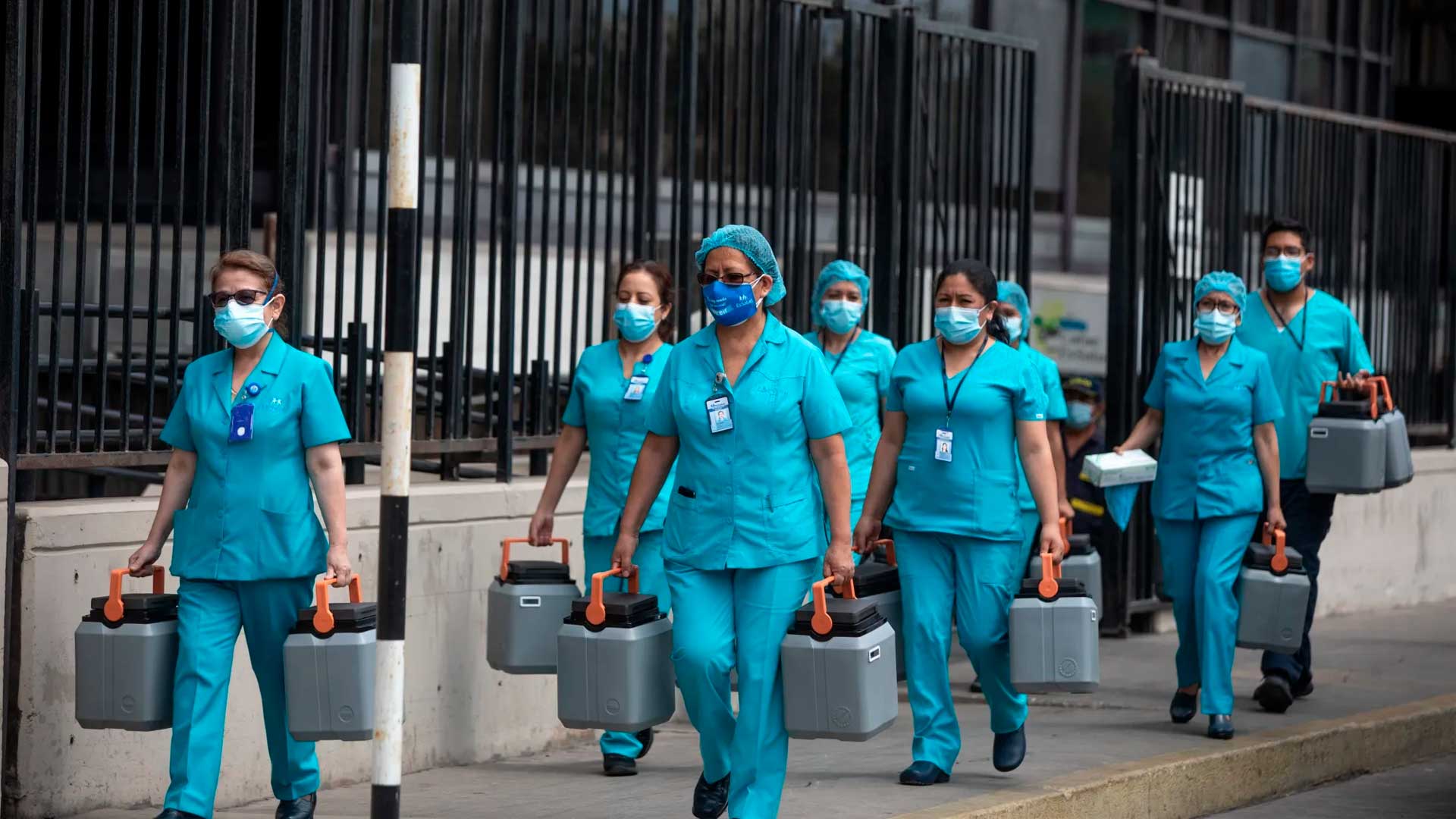


Understand What Changes with the New Regulation and What Requirements the Professional Needs to Comply With to Open a Private Clinic Without Leaving the Legal Competencies
Peru entered 2026 with a significant change in how nursing can operate outside traditional hospitals and clinics. A supreme decree published in January began to explicitly recognize the right of nurses to provide care in private clinics, provided that rules and limits defined by the health authority are respected.
The measure was formalized by Supreme Decree No. 001-2026-SA, which amends the regulation of Law No. 27669, known in the country as the Nursing Work Law. In practice, the regulation creates a framework for professional nursing clinics to operate as part of the health system, with obligations for structure, registration, and transparency.
The topic gained attention because it addresses two common issues in any healthcare network. The first is rapid access for outpatient cases. The second is the need to expand points of care safely, without confusing the patient about what constitutes medical practice and what is within the nursing scope.
-
Award-Winning Japanese Restaurant Reveals It Has Preserved Part of the Same Frying Oil for 66 Years

-
American Youth Transforms from Severe Obesity to U.S. Air Force Enlistment, Losing 90 Kilograms in Two Years
-
11-Year-Old Entrepreneur Sells 60 Homemade Sweets Daily, Mastering Cost Calculation, Social Media Promotion, and Client Negotiation Since Age 7

-
Peruvian Mountain’s 5,200 Aligned Holes May Unveil Ancient Indigenous Market for Corn and Cotton


For this reason, the decree is not a generic authorization for any procedure. It defines minimum operating duties, requires visible documentation for the user, and reinforces that certain actions can only occur when there is a diagnosis and treatment indicated by a legally qualified health professional.
What Changes with Supreme Decree 001-2026-SA and Why It Affects the Health System
Supreme Decree No. 001-2026-SA incorporates a specific right related to private activities into the regulation of Law No. 27669 and creates article 11-A, which deals with the operation and functioning of professional nursing clinics. This section is what transforms the idea into an applied rule, with concrete obligations.
A central point is the classification of the nursing clinic as a health establishment. By categorizing the service this way, the text subjects its operation to existing general norms for health establishments and support services, as well as to the framework mentioned in the decree involving supervision and sector rules.
In practice, this means that the clinic cannot be viewed as informal care. It must adhere to sanitary and organizational requirements established in the Regulation of Health Establishments and Medical Support Services, approved by Supreme Decree No. 013-2006-SA, which outlines rules and conditions for operation focused on quality and safety.
Five Mandatory Requirements to Operate a Nursing Clinic
- Focus on outpatient care. The clinic must develop nursing activities compatible with the logic of care outside hospitalization, focusing on continuous care, guidance, and permitted procedures in this context. The regulation ties the service to this profile to prevent deviation from purpose.
- Nursing actions within the legal scope and with indication when necessary. The decree allows nursing actions and procedures, including those derived from diagnoses and treatments indicated by a duly qualified health professional, always within the professional scope and current rules. This serves as a clear limit to avoid confusion of duties.
- Recording all interventions in health care records. The professional must document the actions and activities carried out in the care records stipulated by the regulation. In practice, this pulls the clinic into a routine of patient records and traceability, helping the patient and also facilitating oversight.
- Appropriate structure, equipment, and supplies. The clinic must have infrastructure and resources that ensure the quality of nursing services, including materials and supplies compatible with the service offered. It is one of the key points that separates professional care from improvisation and reduces risks.
- Transparency of credentials for the patient. In a visible and accessible location, the professional’s title must be displayed, along with the certification of registration and specialist certification when applicable. The requirement aims for user trust and prevents unqualified practice.
How Are Limits of Action and Patient Safety Affected
The text does not position nursing as a substitute for other categories, but rather as a point of care with its own competencies. By mentioning actions linked to diagnoses and treatments indicated by qualified professionals, the decree reinforces that there are conditional procedures and that practice must respect what the law and professional standards allow.
Another practical effect is raising the standard of responsibility. By treating the clinic as a health establishment and linking it to sanitary regulations, the decree pushes the service towards typical demands for quality, documentation, and control, which tends to protect the patient as the model begins to expand.
Reaction of the Nursing College and Next Steps in Regulation
The regulation was issued in 2026 and referenced an extraordinary edition of the official gazette on January 17, 2026, which helped gain traction for the topic in local coverage.
In a response reported by Agencia Andina, the Nursing College of Peru evaluated the change as a milestone for health care, associating the measure with the recognition of nursing’s strategic role. The organization also advocated that the opening could expand the availability of care services, promotion, and prevention with more timely support.
In practice, the advancement may have a greater impact at the primary care level, where the demand for guidance, monitoring, and outpatient procedures is typically high. The presence of nursing clinics, if well regulated, tends to reduce bottlenecks and expand entry points without necessarily increasing complexity.
Still, the expansion may bring discussions regarding oversight and boundaries of action, especially when the public does not clearly distinguish what is within nursing scope and what requires another professional. Therefore, the list of requirements and the obligation to display credentials should become the focus of social and institutional scrutiny in the coming months.
From your perspective, does this change improve access safely or could it open gaps for confusion regarding responsibilities in care? Leave a comment stating whether you believe nursing clinics are effective in alleviating the healthcare system.