






 Portuguese
  Spanish


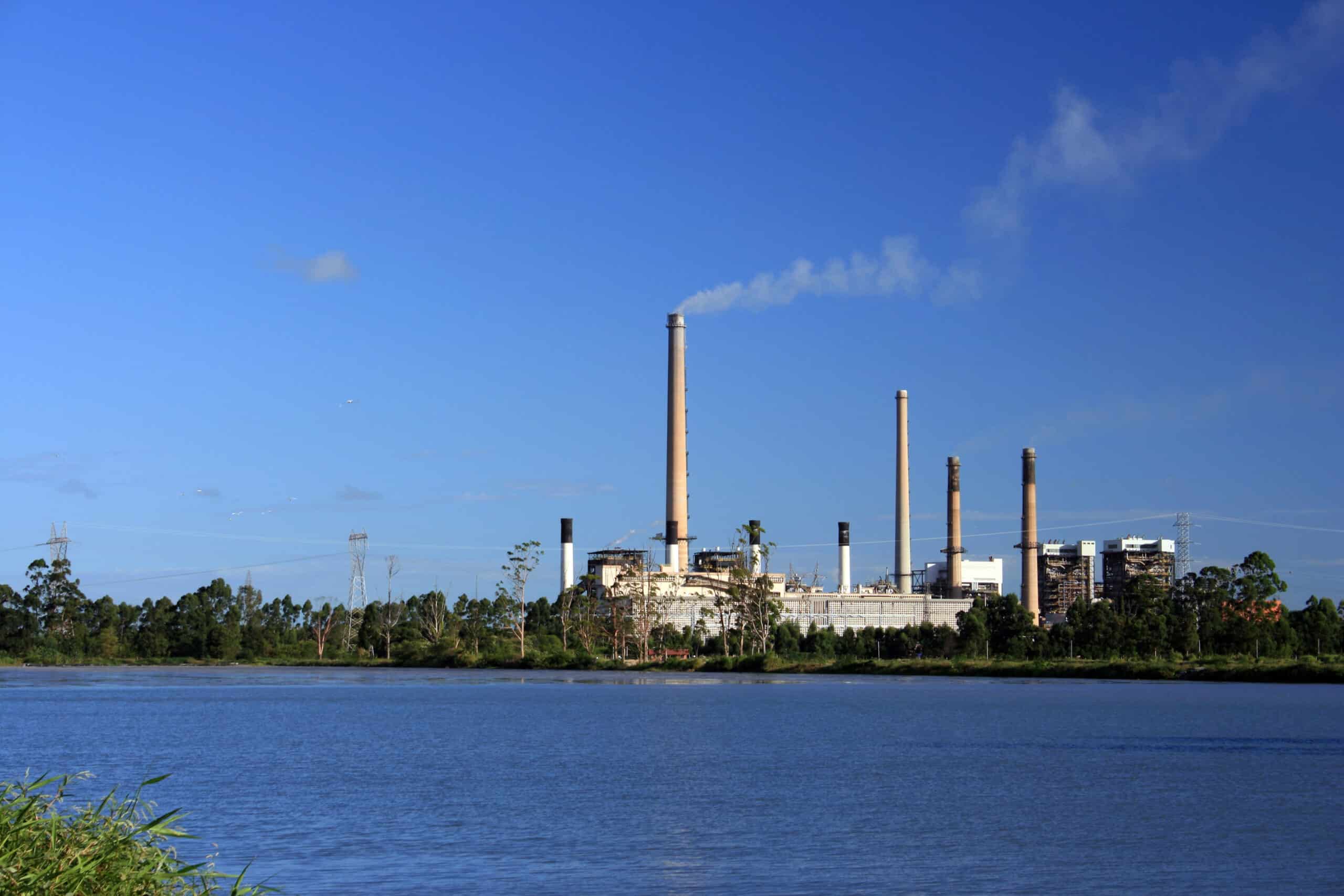

Engie Brasil Energia Approved, on June 11, Its Voluntary Dismissal Program for Employees at Headquarters and Thermoelectric Plants in Operation
On Friday, June 11, Engie Brasil Energia approved a Voluntary Dismissal Program (VDP) for employees at headquarters, thermoelectric plants, and other operational assets of the company. The plan was discussed in a meeting that also included the presence of the company’s workers. See also: Engie Resumes Sale of the Pampa Sul Thermoelectric Plant in Rio Grande do Sul
- After Bosch and Volkswagen, Nissan Bets on Ethanol Cell for Fueling Electric Car Engines and Partners with the Energy and Nuclear Research Institute Tied to USP to Develop Bioethanol in Brazil
- Americanas and Ame Digital Announce 400 Job Openings for Candidates of All Education Levels in Various Regions of Brazil
- Ceará Will Have the Largest Green Hydrogen Plant in the World, Becoming a Global Player in the Production, Storage, Distribution, and Export of H2V, Creating Thousands of Jobs in the State
- Troller Factory May Be Moved to the Port of Pecém Due to Graphene Production
- Government of Rio Grande do Norte Invests in Solar Energy and Installs Solar Panels at the School Headquarters in the Region
Adoption of Engie’s Voluntary Dismissal Program
In a statement issued to the market, Engie emphasized that the voluntary dismissal program will provide a “succession planning and career transition harmoniously for those interested in joining the program.” Not only the Jorge Lacerda Thermoelectric Plant is expected to be affected, but also the other plants managed by the company.
Engie Brasil Energia further denies that the approved voluntary dismissal plan is related to the decarbonization process aimed by the company in Brazil, which involves, among other actions, the sale or deactivation of the Capivari de Baixo plant. The company also states that workers believe that this action supports the company’s distancing from the management of the thermoelectric plant.
-
Brazil’s 2026 Tax Refund: Record 9.58 Million Filers in Largest Payout Ever, But a Key Detail on Priority Recipients Draws Nationwide Attention

-
Itaú Alters Hybrid Work Model, Increasing Office Days from 2028, Prompting Employees to Adjust to New Routine
-
Facing Labor Shortage, Japan Plans to Invest $34 Million to Attract Foreign Workers in Construction, Healthcare, Industry, and Commerce

-
Brazilian City Makes Remarkable Leap, Becomes 4th Wealthiest in the Country with GDP of R$ 134.1 Billion




The Dismissal Program and Its Relationship with the Company’s Workers
Luiz Antônio Barbosa, the coordinator of the Union of Electric Power Workers of Southern Santa Catarina (Sintresc), says that Engie’s voluntary dismissal plan facilitates both issues: the sale (decrease in payroll) and the discontinuation and dismantling of the plants.
Only at the Jorge Lacerda thermoelectric plant, which was being negotiated between Engie and FRAM, approximately 320 workers are expected to be eligible for the dismissal plan. About 60, in fact, participated in the meeting held last Friday. According to Luiz Antônio, the next step concerns signing the agreement, followed by the opening of the adhesion process. Only after these two steps will it be announced how many employees will join the plan.
The coordinator of the Union of Electric Power Workers of the South of Santa Catarina says they are still optimistic that the sale of the thermoelectric plants in the Jorge Lacerda complex will happen because it is clear that Engie will not retain the complex any longer.
See Also: Engie Resumes Sale of the Pampa Sul Thermoelectric Plant in Rio Grande do Sul
Engie, the largest private generator in the country, has decided to resume the commercialization process of the Pampa Sul thermoelectric plant located in the municipality of Candiota, in the state of Rio Grande do Sul. The project has a capacity of 345 megawatts of electricity and has been in commercial operation since June 2019. The coal-fired plant is no longer part of the company’s future strategy, which aims to decarbonize its portfolio by 2025.
In 2015, the company promised to decarbonize its portfolio of products by 2025 and, in the past, announced plans to sell its two thermoelectric plants in Santa Catarina, Pampa Sul and Jorge Lacerda. However, Engie backed down on Pampa Sul until the thermoelectric plant was ready for operation, aiming to reduce risks for potential buyers.







