






 Portuguese
  Spanish



Engie and Sabesp Advance in New Self-Production Project with Six Wind Farms in Bahia, Strengthening Sustainable Energy Generation and Reducing Dependence on the Electric Market.
In a strategic move aimed at energy efficiency, sustainability, and reducing operational costs, Engie and Sabesp announced on October 10, 2025 a self-production partnership for wind energy at six plants located in Bahia.
The agreement includes an installed capacity of 197 megawatts (MW), reinforcing the companies’ commitment to energy transition and expenditure predictability in the sanitation sector.
Partnership Between Engie and Sabesp Strengthens Wind Energy in Brazil
The union between Engie, one of the largest private energy generators in Brazil, and Sabesp, a reference in basic sanitation, represents a milestone in the search for clean and economically viable energy solutions.
-
Brazil filled the Northeast with wind turbines but now faces the side effect of 705 giant blades reaching the end of their lifespan by 2032 just in Rio Grande do Norte, while the world projects 43 million tons of waste by 2050.

-
Brazil has filled the Northeast with wind turbines, but now it faces the side effect of 705 giant blades reaching the end of their useful life by 2032 just in Rio Grande do Norte, while the world projects 43 million tons of waste by 2050.
-
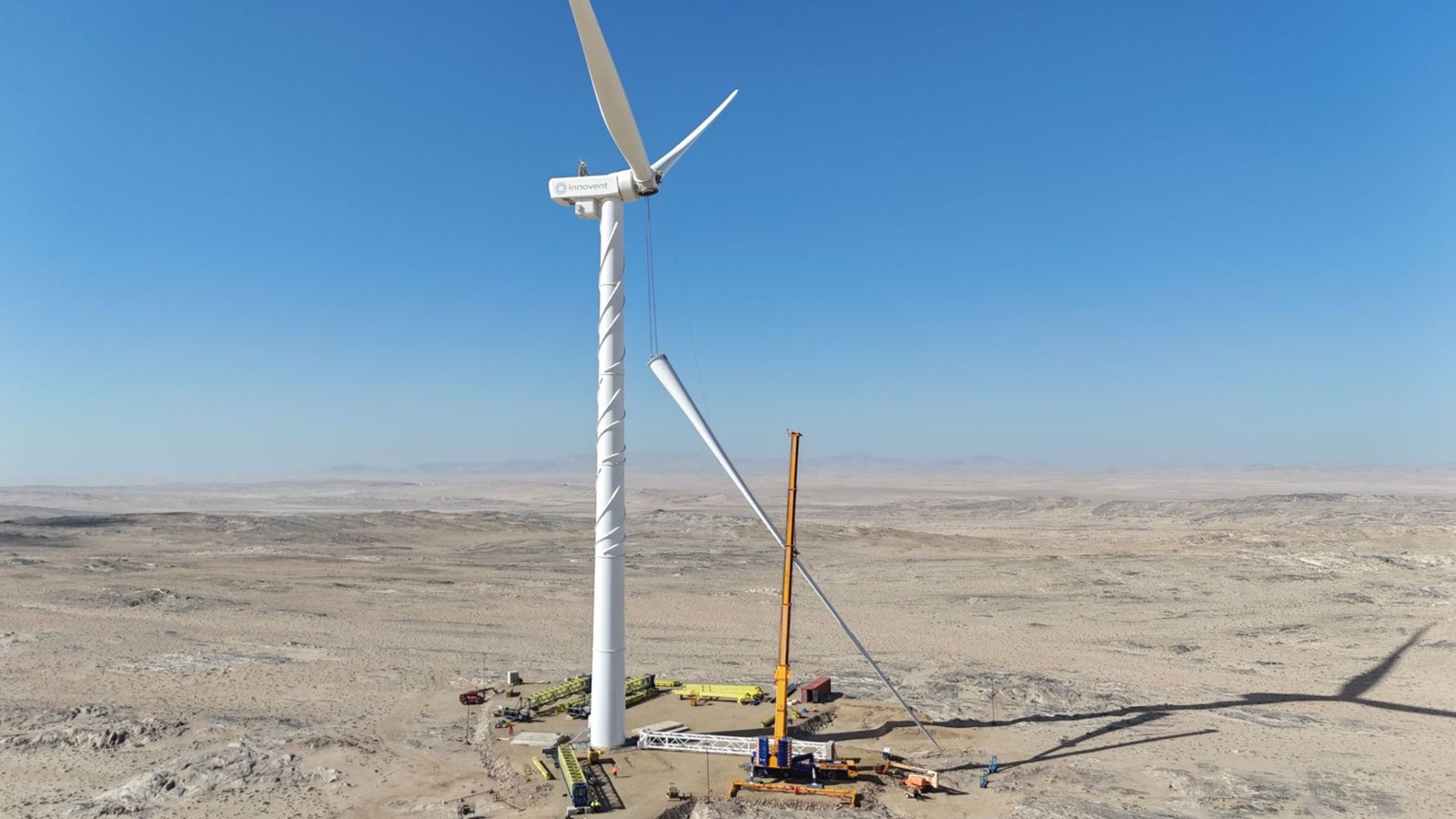
Wind farm in Namibia will have wind turbines assembled without giant cranes and is expected to avoid 200,000 tons of carbon dioxide per year when it becomes operational.

-
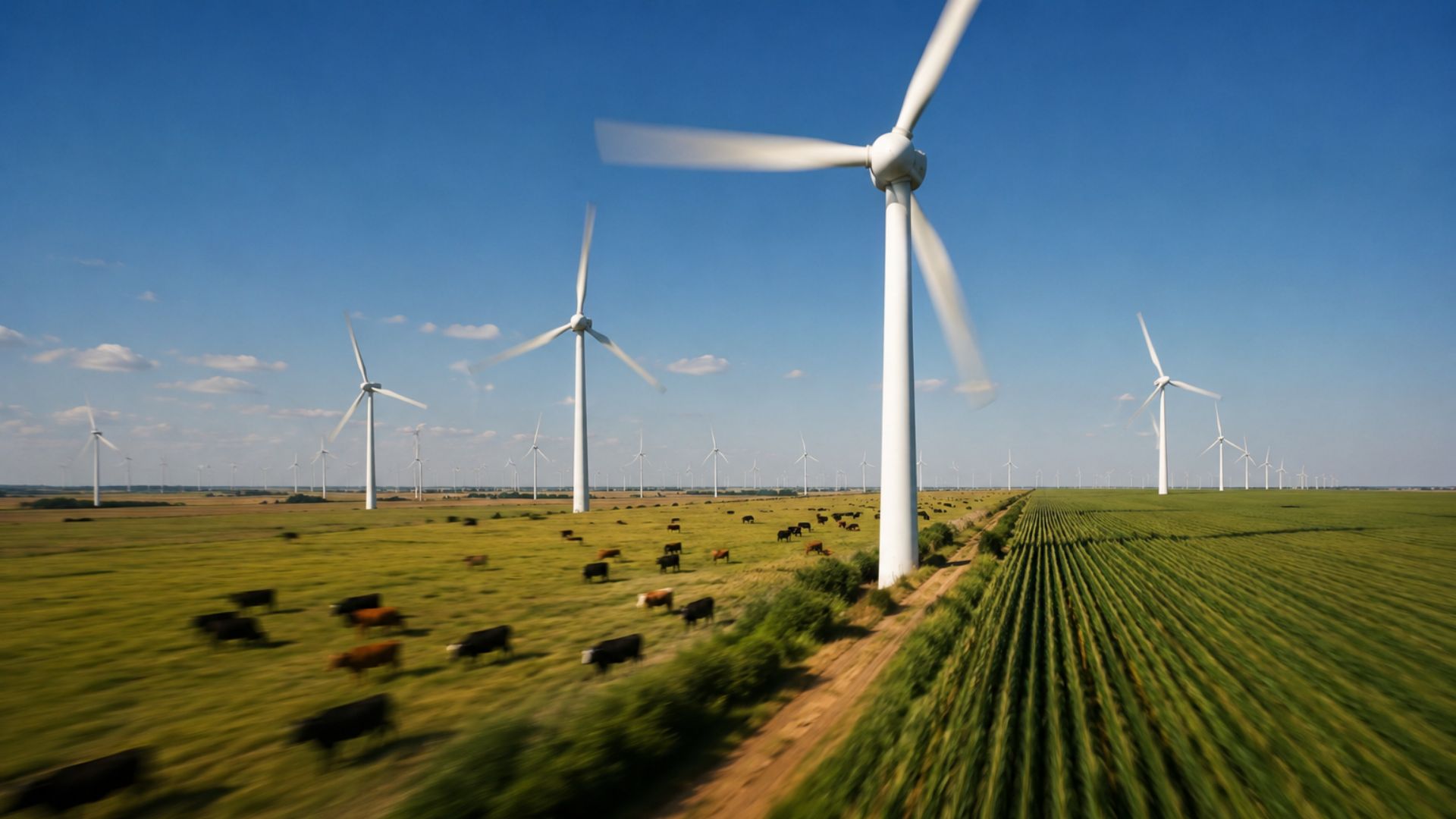
Taller than the Statue of Liberty, thousands of wind turbines are being planted in the middle of U.S. fields, creating two-story farms where corn and soybeans grow below while the wind turns into electricity above.


The self-production project involves six wind farms operated by Engie in the state of Bahia, focusing on meeting part of Sabesp’s energy demand through long-term contracts.
In addition to reducing exposure to fluctuations in the free energy market, the adopted model allows Sabesp to become a partner in the ventures, ensuring direct access to the generated energy and greater control over its operational costs.
Technical Details of Engie and Sabesp’s Wind Farms in Bahia
The agreement includes the use of six wind farms already in operation, with a total capacity of 197 MW. These ventures are part of the Umburanas Wind Complex, located in the municipalities of Umburanas and Sento Sé, in northern Bahia. The complex is recognized for its high efficiency, having ranked among the ten parks with the highest capacity factor in Brazil in 2023.
Each wind turbine in the project has a capacity of 2.5 MW, with towers 90 meters high and blades measuring 56.9 meters. The operation is managed remotely from the Generation Operation Center (COG), headquartered in Florianópolis, Santa Catarina.
The robust infrastructure and cutting-edge technology used in the parks ensure high performance and reliability, essential elements for the success of self-production.
Self-Production as an Efficiency and Sustainability Strategy
The self-production strategy adopted by Engie and Sabesp allows Sabesp to become a co-owner of the wind ventures, ensuring direct access to the generated energy. This model reduces the company’s exposure to fluctuations in the free energy market and guarantees significant savings in operational costs.
According to industry experts, self-production can generate savings of up to 30% compared to conventional energy purchasing, in addition to contributing to decarbonization goals and ESG (Environmental, Social and Governance).
Aside from financial benefits, the model provides greater budget predictability, essential for large enterprises like Sabesp, which depend on stability to plan investments and expansion.
Bahia: Strategic Hub for Wind Energy
The state of Bahia has consolidated itself as one of the main hubs for wind energy generation in the country. According to data from the Bahia Secretary of Economic Development, the state accounts for about 30% of the installed wind energy capacity in Brazil, with over 270 parks in operation or under construction.
The choice of Bahia to host the ventures of the partnership between Engie and Sabesp reinforces the region’s potential and its infrastructure favorable for renewable generation. In addition, the constant and high-quality winds make the state ideal for large-scale projects.
The presence of modern transmission lines and proximity to consumption centers also contribute to the technical and economic viability of wind projects in the region.
Positive Environmental Impact and Commitment to Sustainability
In addition to economic efficiency, the project directly contributes to environmental sustainability. Wind energy generation is considered one of the cleanest and safest sources, with virtually zero greenhouse gas emissions.
The partnership between Engie and Sabesp is aligned with the climate commitments made by Brazil under the Paris Agreement and with the United Nations Sustainable Development Goals (SDGs), particularly regarding affordable and clean energy (SDG 7) and action against global climate change (SDG 13).
Moreover, the wind farms have a low impact on the soil and local wildlife, allowing them to coexist with agricultural activities and contributing to the sustainable development of neighboring communities.
Sabesp and Engie: Energy Transformation in the Sanitation Sector
Sabesp, responsible for water supply and sewage treatment in over 300 municipalities in São Paulo, consumes large volumes of electricity in its operations.
The adoption of self-production represents a strategic shift in the company’s energy management, with positive impacts on efficiency, predictability, and sustainability.
With Sabesp’s privatization in progress, the partnership with Engie is also seen as a way to enhance the company’s attractiveness to investors, demonstrating a commitment to innovation and environmental responsibility.
The initiative may also serve as a model for other companies in the sanitation sector, facing similar challenges regarding energy consumption and the need for modernization.
Overview of Wind Energy in Brazil and Future Perspectives
Brazil ranks 5th worldwide in installed wind energy capacity, with over 33.7 GW in operation, according to data from the Brazilian Wind Energy Association (ABEEólica). The source accounts for about 12% of the national electric matrix, with a trend of accelerated growth in the coming years.
The expectation is that the country will exceed 40 GW by 2030, driven by private investments, public policies, and growing demand for clean energy. Partnerships like that of Engie and Sabesp are concrete examples of this progress.
Additionally, the development of new technologies, such as higher-capacity turbines and storage systems, should further enhance the competitiveness of wind energy in Brazil.

Wind Energy as a Vector of Innovation and Competitiveness
The strategic partnership between Engie and Sabesp for self-production of wind energy at six wind farms in Bahia represents a relevant step towards a more efficient, sustainable, and resilient energy model.
With 197 MW of installed capacity, the project reinforces Bahia’s prominence in renewable generation and consolidates self-production as a smart solution for large consumers.
By joining forces, Engie and Sabesp demonstrate that it is possible to reconcile economic growth with environmental responsibility, creating value for society, shareholders, and the environment.
The initiative not only strengthens the companies’ positions in the market but also inspires other corporations to adopt more sustainable and innovative practices.







