





 Portuguese
  English
  Spanish
  4 min of reading
  0 comments


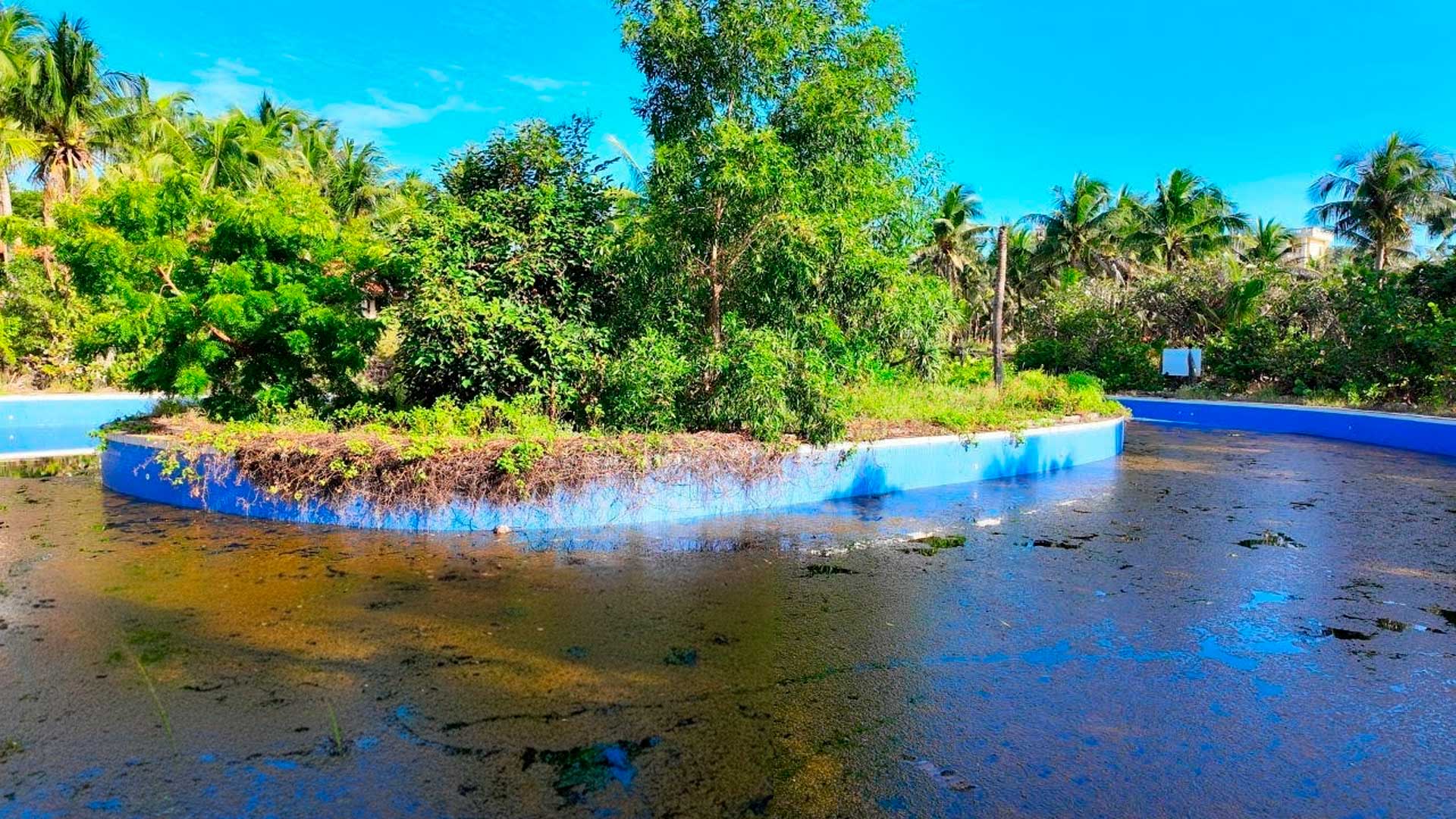
An Abandoned Resort Pool Reappeared After An Extreme Restoration Documented By The Channel Gardening The Houses, And The Before And After Has Already Surpassed Half A Million Views
The restoration of a pool from a resort valued at US$ 1 million went viral by showcasing, in just a few days, the recovery of a space that had been taken over by vegetation and standing water. The work was documented in a video by the channel Gardening The Houses, which publishes content on cleaning and revitalization on YouTube.
The mission, described as a concentrated effort of seven days and approximately 60 hours, involved the removal of debris and the extraction of roots that had already encroached upon the structure.
The impact was amplified by the visual contrast, with dark water and weeds covering the deck making way for visible blue tiles after the cleaning.
-
A 600-meter hill in the interior of Santa Catarina hides a volcanic past of almost 600 million years. The Morro do Garrafão in Corupá may have been an ancient extinct volcano, and science now confirms what the residents have always suspected.

-
Family has lived for over 50 years without electricity and running water at home in the South of Minas, 10 minutes from the city, improvising light, bath, and water while facing a lack of basic resources and awaiting property regularization.

-
Children from the 1980s and 1990s who spent hours playing in the street until dark naturally developed spatial intelligence, which today has become the subject of expensive courses, cognitive training, and modern methods of child and adult learning.

-
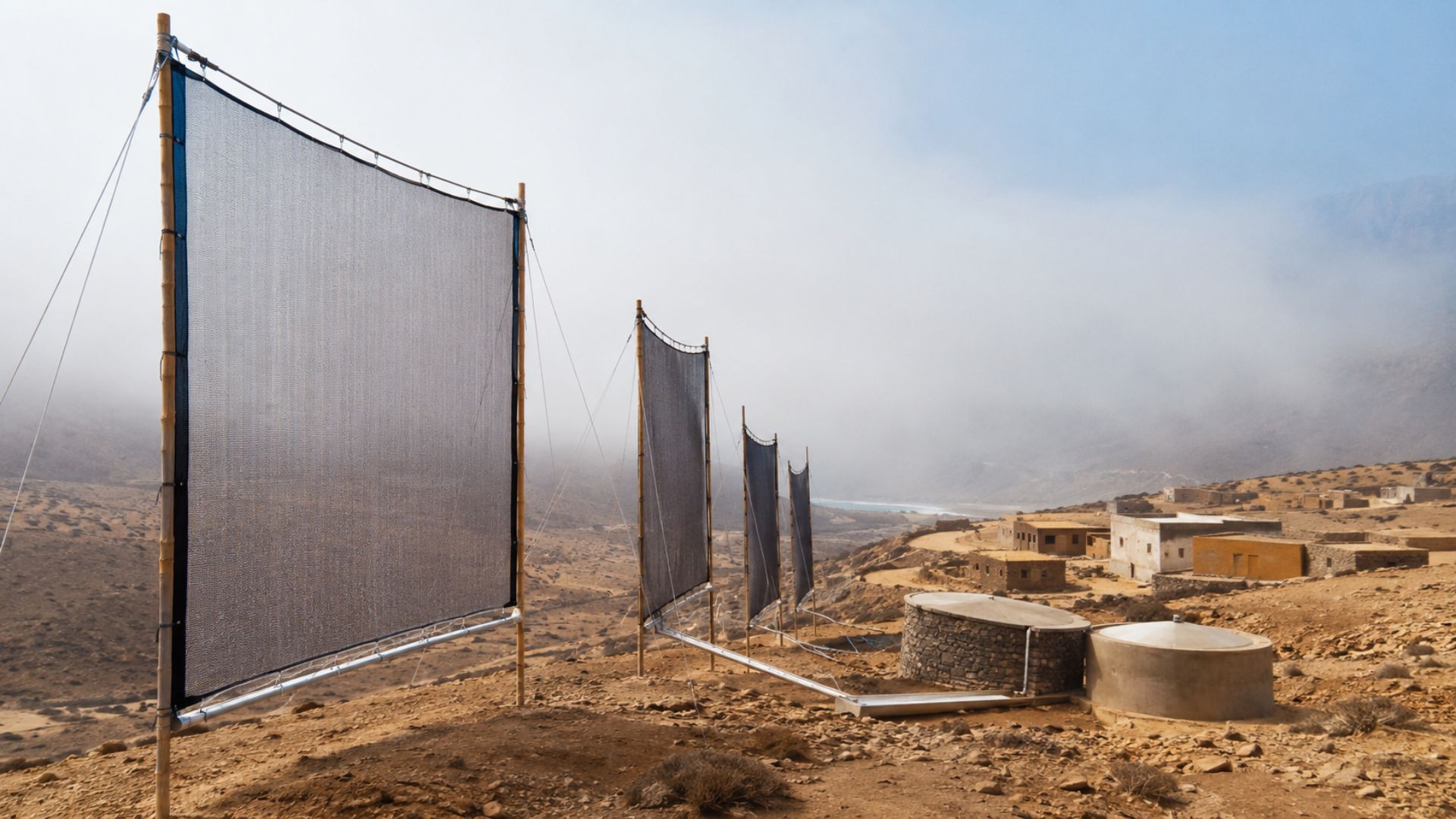
Without bombs, without electricity, and without drilling the ground, villages in southwestern Morocco have discovered how to extract water directly from the air using only polymer nets, wind, and the humidity of the Atlantic amidst the advancing desert.


The case also drew attention for a reason more practical than aesthetic. Non-functioning and untreated pools can become a breeding ground for mosquitoes and pose risks to the neighborhood, according to public health guidelines regarding standing water and breeding sites.
What The Video Shows About The Extreme Restoration In One Week

In the initial stages, the challenge was simply to clear a path. According to the case’s coverage on Brazilian websites, the team needed to remove layers of vegetation and trash even before they could see the edge of the pool.
With the area exposed, the focus shifted to structural and operational aspects. Water that had accumulated for years was drained, while fine debris and sludge from the bottom required suction and heavy cleaning to prevent dirt from spreading again across the surface.
The final part was the most repetitive and the most satisfying for viewers. Restoring the shine of the tiles depended on manual scrubbing and the removal of crusts, a step that often yields the transformative effect that goes viral in restoration content.
Why An Expensive Resort Has Been In Ruins Since 2019
The most commonly repeated public explanation in the video’s coverage is that the location was closed and unmaintained for a long period, spanning the pandemic years and allowing the vegetation to take over. This version identifies the owner as Mr. Tài and describes the return as a symbolic movement to reactivate the space.
Apart from that, there is little verifiable information available from independent sources about the exact reason for the abandonment, such as financial issues, property disputes, or business strategy. Without additional documentation, the safest approach is to treat it as a case of prolonged closure that turned into abandonment in practice.
Nonetheless, the episode illustrates a known pattern in tourism. Without the circulation of guests and with high maintenance costs, structures like pools and decks deteriorate quickly, especially in humid areas with aggressive vegetation nearby.
Risks Found And Why An Abandoned Pool Can Become A Public Problem
The video narrative includes threats beyond dirt, such as the presence of insects and the need for careful removal of a nest, according to the case’s coverage. In abandoned places, this is common because the environment becomes a shelter, and any intervention involves biological and accident risks.
The main concern for environmental health specialists is standing water. Mosquito control programs recommend eliminating water accumulations and cite containers and pools as places that require regular attention to interrupt the breeding cycle.
There are even more direct warnings when the pool is out of service. Local vector control authorities point out that a non-functional pool can generate large quantities of mosquitoes and impact community health by maintaining accumulated water for long periods.
Another risk is physical and may not show on camera. Unstable ground, holes under leaves and debris, along with concrete cracked by roots, increase the chances of falls and structural damage that are difficult to reverse without construction work. It was this type of scenario that made the restoration feel more like a rescue operation than a typical cleaning.
Finally, the decision to “save” rather than demolish also has economic implications. Recovering may cost less than rebuilding everything from scratch, but it only makes sense when the structural base is still sound, and the transformation displayed in the video suggests that part of the original quality was still there, just hidden beneath years of neglect.
Leave your opinion in the comments. Do you think that properties with abandoned pools should face fines for risks to the neighborhood, or is that too much interference in private life?







-

-

2 people reacted to this.