





 Portuguese
  English
  Spanish
  4 min of reading
  0 comments


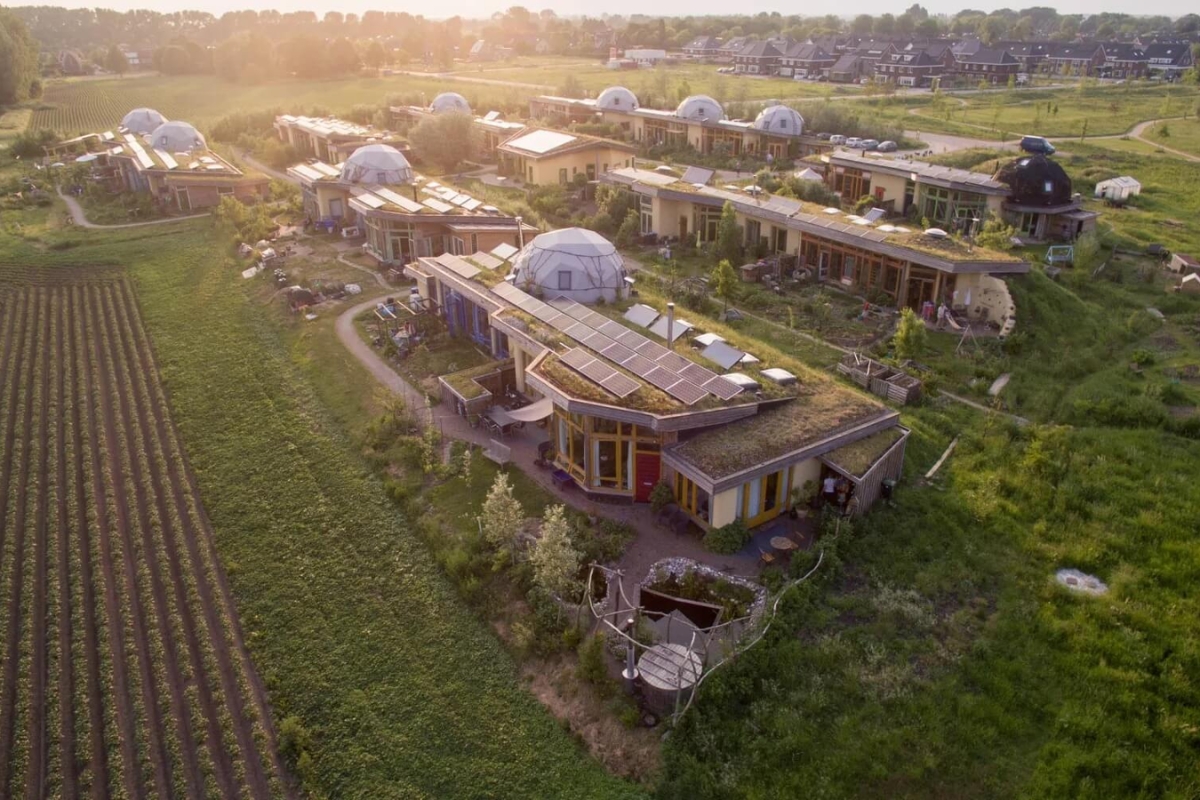
From Findhorn, Scotland, to Dancing Rabbit, United States, Ecovillages Test Solutions to Reduce Carbon Footprint, Strengthen Social Bonds, and Prove That It’s Possible to Live Well with Less Environmental Impact
Ecovillages represent a way of life where intentional communities seek to harmonize human existence with the ecological limits of the planet. These spaces emerge as alternatives to the traditional urban model, integrating environmental, social, and economic practices in a voluntary and conscious manner. Unlike a merely “green” residential neighborhood, ecovillages seek to unite human well-being with the regeneration of the surrounding natural environments.
The concept has been increasingly studied and applied in various parts of the world, showing that it’s possible to combine technology, culture, and human relationships in an integrated manner. The focus is not only on reducing impact but also on creating dynamic communities where people support each other, share responsibilities, and design the future together.
What Are Ecovillages and How Do They Work
An ecovillage is defined by a set of practices and values that simultaneously encompass social, ecological, cultural, and economic aspects. It’s not just the adoption of solar panels or organic farming that characterizes it, but the way these elements are collectively organized to generate a positive impact on the surroundings.
-
For the first time in history, a submarine cable will descend to four thousand meters deep under the ice of the North Pole to ensure that the internet between Europe and Asia no longer depends on conflict zones in the Middle East.

-
A British company has installed in the middle of the ocean the world’s first floating platform that generates electricity 24 hours a day from the temperature difference between the surface and the depths of the Atlantic, without relying on wind or sun.
-
The James Webb telescope spotted a planet 700 light-years from Earth with mornings full of sand clouds and nights with clear skies, the temperature difference between the two hemispheres reaches an impressive 170 degrees.
-
A former Hong Kong police officer has just become the first astronaut from her city to go to space. She embarked on the Shenzhou-23 mission alongside two other colleagues who will face muscle atrophy, radiation, and prolonged fatigue in orbit.




Many of these places adopt participatory decision-making systems, where residents have an active voice in defining rules and priorities. This includes everything from decisions about how to treat waste to how to distribute responsibilities within the community. Collaborative governance is at the heart of an ecovillage, as it is through this that social cohesion is maintained and commitment to common goals is ensured.

The use of sustainable technologies is just one of the pillars. Ecovillages also pay attention to local food production, water management, ecological construction, and biodiversity preservation. Often, these elements combine into complex systems, such as permaculture, which seeks to work with natural cycles rather than against them.
Real Examples Around the World
Findhorn, Scotland, is one of the most globally recognized ecovillages. Since the mid-20th century, it has served as a gathering point for people interested in communal living and sustainability. There, practices such as organic farming, the use of renewable energies, and educational programs are part of everyday life, attracting visitors and researchers.
In the United States, Dancing Rabbit Ecovillage stands out for its systematic and pragmatic approach. Founded in the late 1990s, this community established strict ecological guidelines and produced publicly accessible materials that demonstrate how it is possible to drastically reduce the environmental footprint of a small community.
There are smaller and larger ecovillages on different continents. Yarrow Ecovillage in Canada combines residential spaces with community agriculture and local businesses. Suderbyn Ecovillage in Sweden emphasizes environmental education and collaborative projects, showing that the principles of ecovillages can be adapted to different cultural and climatic contexts.
Importance of Ecovillages in the Current Context
The world faces complex challenges, such as climate change, depletion of natural resources, and loss of biodiversity. In this scenario, ecovillages function as experimentation laboratories, where sustainable practices are tested and refined. They serve as concrete examples that more integrated ways of life can be implemented with measurable results.
Moreover, many of these communities are connected through global networks, such as the Global Ecovillage Network, which brings together initiatives from dozens of countries to share knowledge, support new projects, and enhance the visibility of these models. This collaborative approach allows local learnings to spread and inspire other regions.
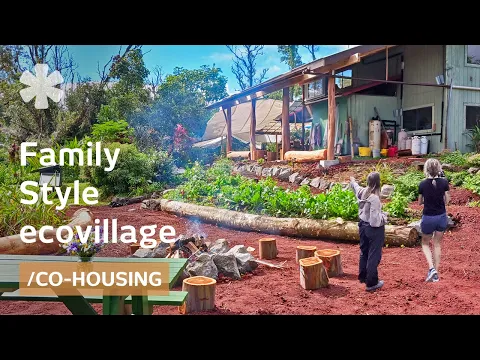

Another important aspect is the potential of ecovillages to influence public policies. By demonstrating in practice how systems of food production, transportation, waste management, and energy can be integrated sustainably, they provide insights that can be adapted on a larger scale by cities and governments.
Challenges Faced by Ecovillages
Despite the enormous potential, ecovillages also face significant challenges. Financial sustainability is one of them: many depend on local productive activities, eco-tourism, or donations to sustain themselves. This can limit their capacity for growth or investment in long-term infrastructure.
Another common challenge is human coexistence in such an intense community context. People with distinct values, expectations, and backgrounds need to learn to communicate, resolve conflicts, and reach consensus frequently. This process of collaborative governance, while enriching, requires time, patience, and continuous learning.
Additionally, integration with the external environment can be complex. Ecovillages do not always succeed in establishing harmonious relationships with neighboring communities or larger administrative structures. This interface between local and regional may require negotiations, adaptations, and partnership building over time.
Ecovillages and the Future of Sustainability
Even in the face of challenges, the ecovillage movement continues to grow and inspire people around the planet. They represent concrete alternatives to the dominant consumer model and show that it is possible to build healthier, more resilient, and cooperative ways of life.
By looking at these examples, governments, organizations, and citizens can draw valuable lessons on how to address complex social and environmental issues. The experience of ecovillages, even on a small scale, offers insights into building fairer systems that are less dependent on external resources and more attuned to the needs of people and the planet.








-

-

2 people reacted to this.