






 Portuguese
  Spanish


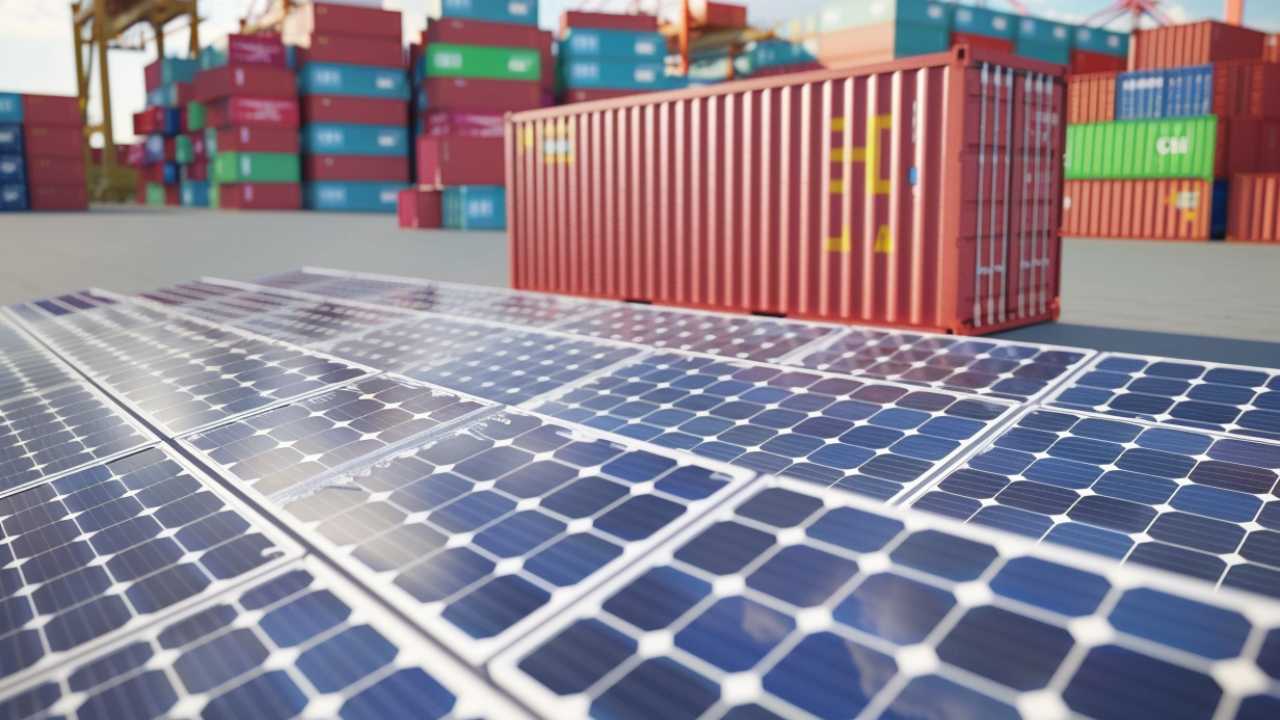

We Explore The Complexities And Costs Involved In Importing Solar Panels From China, Highlighting The Financial, Regulatory, Logistical, And Certification Challenges That May Influence The Decision Of Brazilian Importers.
Have you ever wondered if it’s really worth importing solar panels directly from China? Today, we will dive into the lesser-known details of this process, which may seem tempting at first glance due to the significant reduction in photovoltaic panel costs in the Asian giant. However, the reality behind this apparent advantage is much more complex and requires careful analysis.
Importing solar panels from China is not simply a matter of placing an order and waiting for delivery. Large Chinese manufacturers typically prefer to negotiate with large companies, selling loads of up to 400 photovoltaic panels per container, which would make the cost high.
The Fees And Bureaucracy Involved In Importing Solar Panels Are Another Critical Point


The fees and bureaucracy involved are another critical point. Each country has its own rules, and facing this process without deep knowledge can result in costs much higher than expected. Importing solar panels involves understanding complex customs and tariff regulations, as well as considering federal taxes and state ICMS.
-
Fired during apartheid and with a little borrowed money, an electrician started with a borrowed truck and transformed electrical services into a group connected to energy, real estate, and infrastructure in South Africa.

-
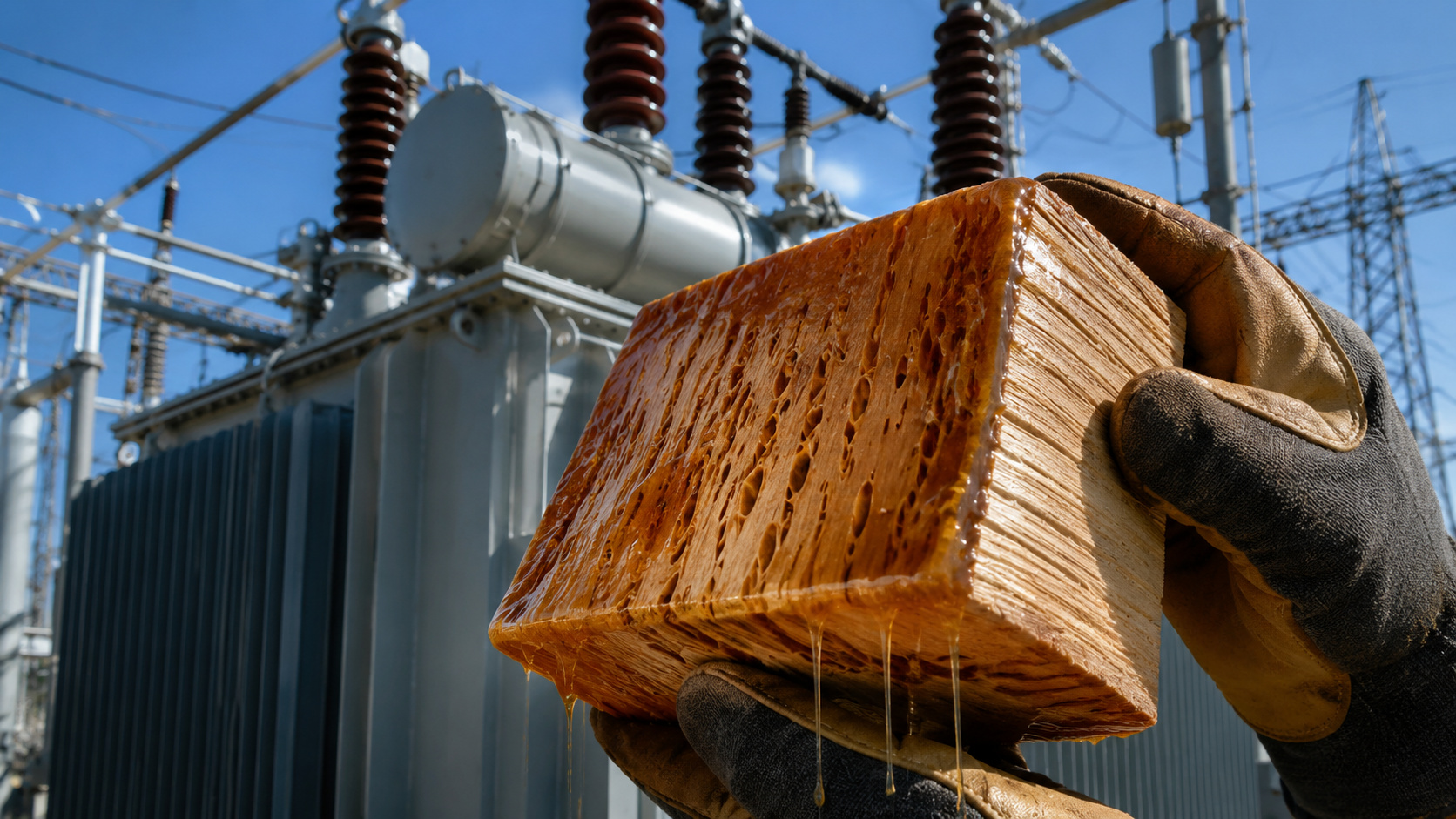
Wood has ceased to be just a construction material in Yale research and has become insulation for electrical transformers that face intense heat, aging, and increasing pressure from the renewable energy-powered grid.
-
More than 1,000 residents of a remote island in Kiribati now have clean water and electricity with solar systems operated by the community itself.
-
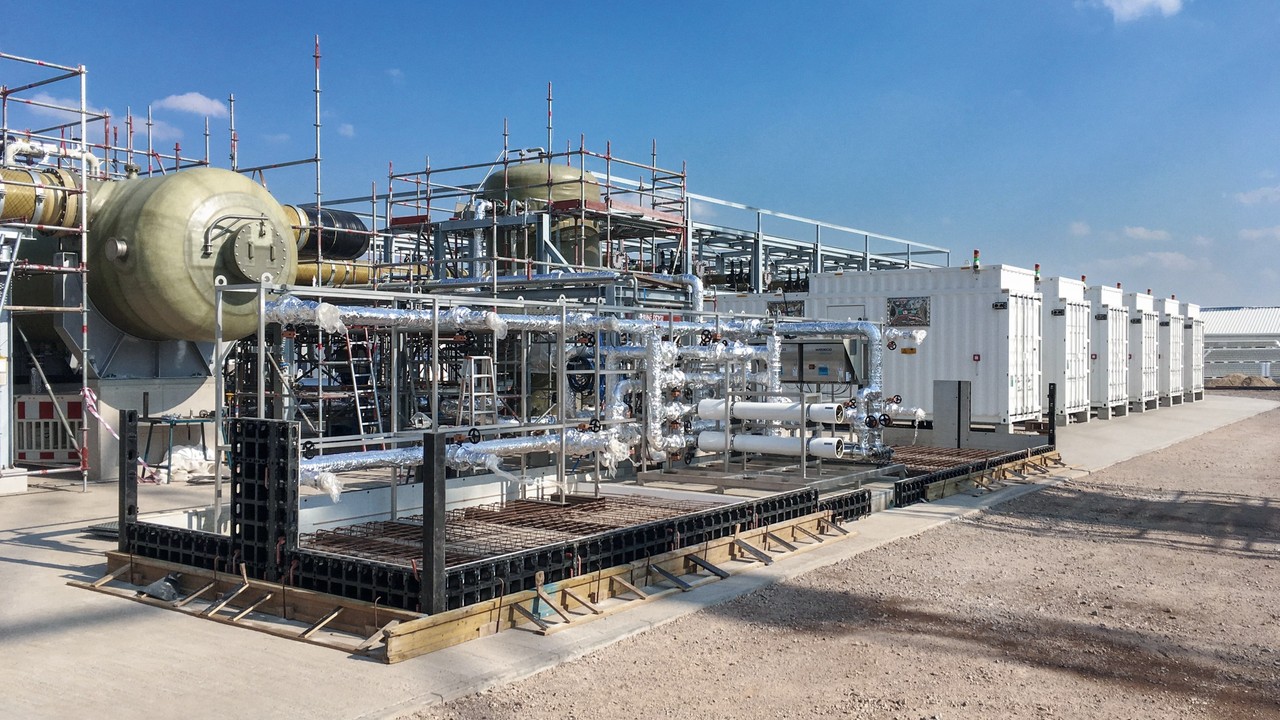
Ceará brings together 7 giants and R$ 66 billion to transform Pecém into the largest green hydrogen hub in Brazil, with final decisions expected by the end of 2026.



Quality And Compliance With International Safety Standards Are Also Essential
Quality and compliance with international safety standards are also essential. In Brazil, panels must be approved by the INMETRO before being marketed. This process includes lab tests and obtaining necessary documentation, which can cost up to R$ 20,000 per model of panel.
The Panels Are Fragile And Must Be Handled With Extreme Care
Transportation logistics is another significant concern. The panels are fragile and must be handled with extreme care, which implies challenges in both maritime and land transportation. In the case of defects or technical problems, liability falls on the importer, which can severely impact the company’s reputation and operability.
Therefore, while the idea of directly importing from China may seem economically attractive, the associated risks and costs may outweigh potential benefits. For small to medium-sized companies in the solar energy segment, it may be more prudent and safer to collaborate with local distributors, strengthening the regional economy and ensuring quality service without the unpredictability of direct importation.
The Advantage Lies In The Unit
The main advantage of importing solar panels directly from China lies in the significant reduction of unit costs for photovoltaic panels. Due to large-scale production and the advanced supply chain in China, the prices offered by Chinese manufacturers are highly competitive. This can result in a greater profit margin for importers and distributors who can successfully navigate the challenges of the import process.
Having direct access to manufacturers can provide a greater variety of products and advanced technologies in the field of solar energy, potentially offering more efficient and innovative solutions that are not yet available locally. Rodrigo Sauaia, CEO of Absolar (Brazilian Solar Photovoltaic Energy Association), says that national equipment can cost up to 50% more than imported equipment.
In light of the financial, regulatory, logistical, and certification challenges, we want to know your opinion: do you think it’s worth importing directly? Leave your comment and join the discussion!









Compre sua placa solar R$182,62 de 500W, 12V, 100A e Controlador na Aliexpress aqui: https://s.click.aliexpress.com/e/_DBgoDRv