






 Portuguese
  Spanish
  5 min of reading
  0 comments


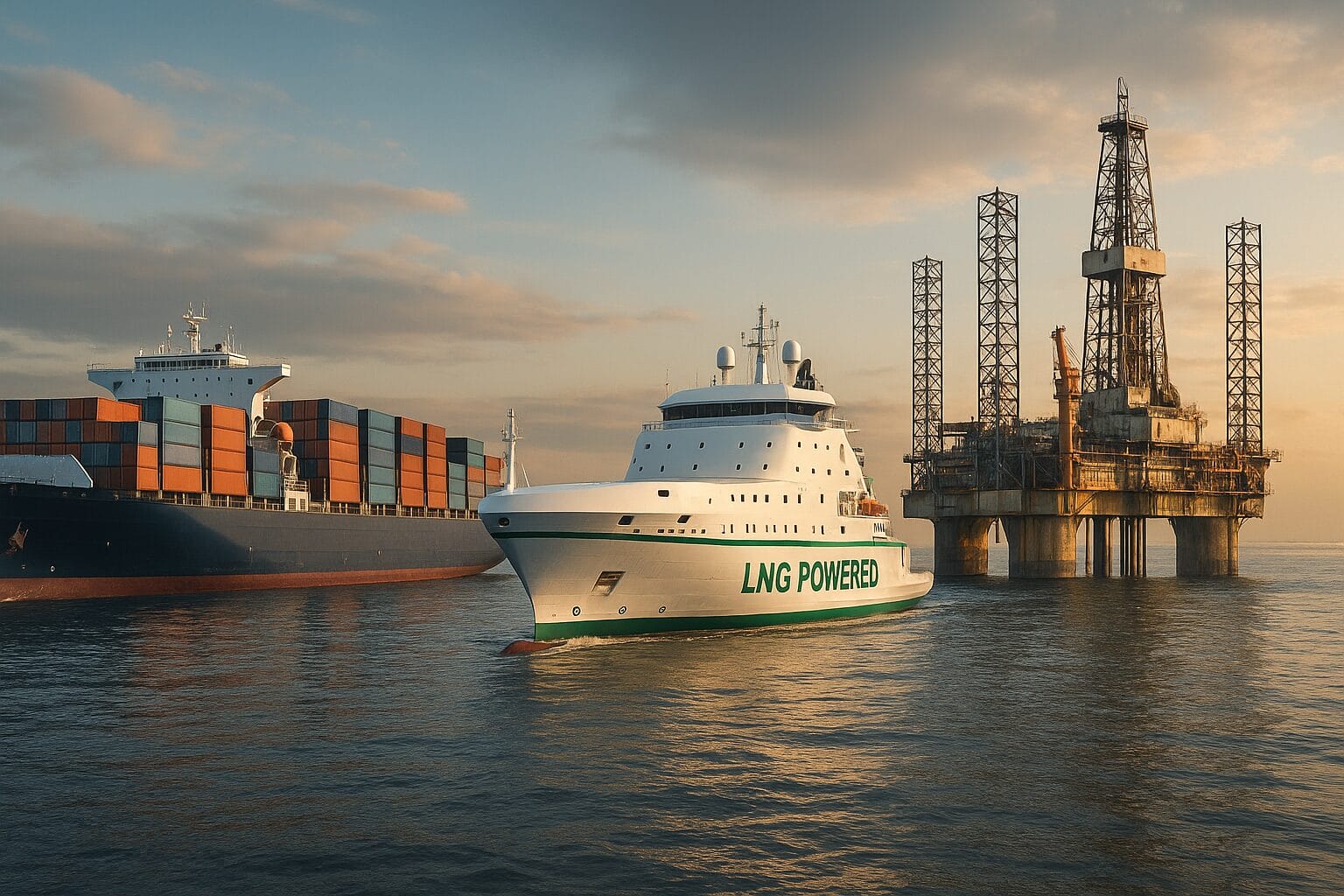
Discover The Main Trends In The Maritime Industry And Understand How Innovation, Sustainability, And Technology Shape The Future Of Maritime Transport Worldwide.
The maritime industry, one of the oldest in the world, has been reinventing itself throughout history. From ancient times, when peoples like the Egyptians and Phoenicians built vessels for trade and war, to the present day, this sector has undergone profound transformations.
According to the National Institute for Educational Studies and Research Anísio Teixeira (INEP), navigation was essential for the development of the first civilizations, facilitating cultural and commercial exchanges.
In this guide, you will learn about the main trends in the maritime industry, understand its historical context, and see why this sector is still vital for the global economy.
-
North Korean Fiasco: Launch of the Largest Warship Ends in Sinking

-
While giant ships still burn heavy fuel and the maritime sector races against climate targets, Maersk and Vale are starting to bet on ethanol as a new route to reduce emissions at sea.

-
China begins construction of the world’s largest LNG ship, a 344-meter giant capable of supplying 4.7 million homes for a month, carrying 271,000 m³ of gas, and placing QatarEnergy in the largest naval order ever recorded in world history.
-
China is designing a container ship with a thorium nuclear reactor that will operate for 40 years without refueling, and the 25,000-container giant from Jiangnan Shipyard will cross oceans without emitting carbon in an industry that burns 300 million tons of fuel per year.


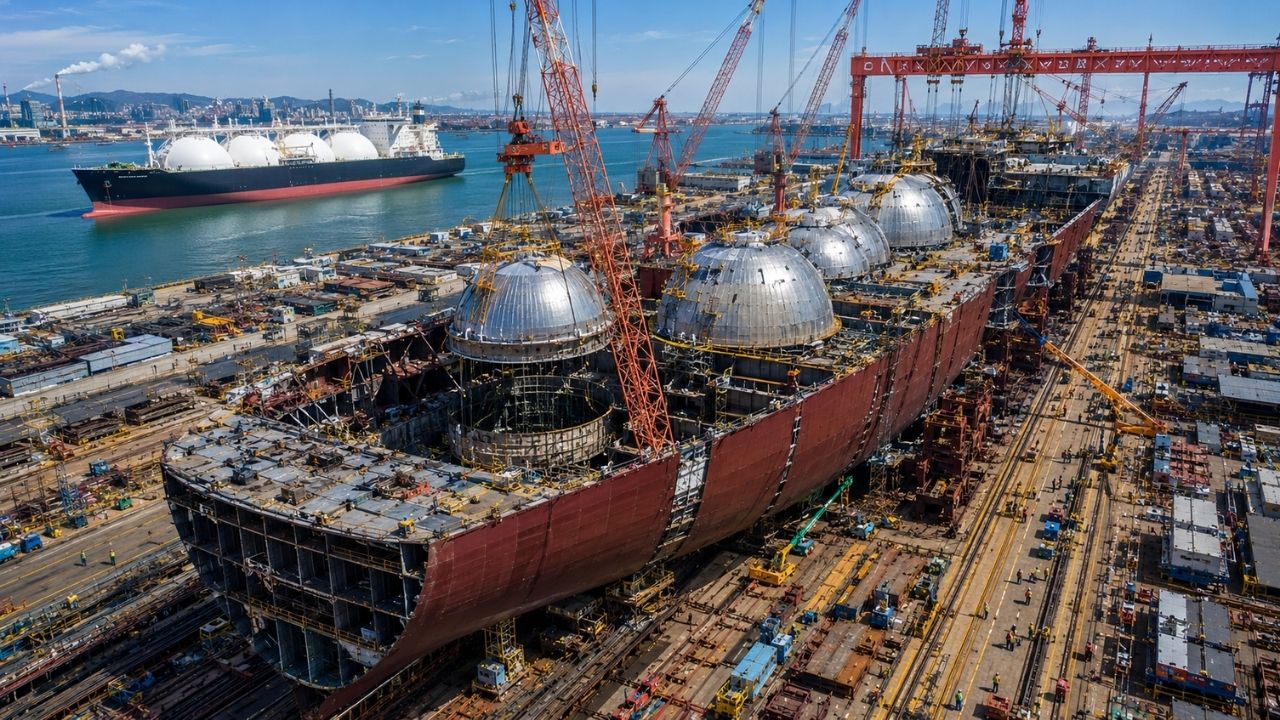

Although cargo and cruise ships are the most well-known, the maritime industry encompasses everything from small vessels to offshore platforms for oil exploration.
This diversity requires constant investments in innovation to meet demands ranging from safety to reducing environmental impacts.
A Brief Journey Through The History Of The Maritime Industry
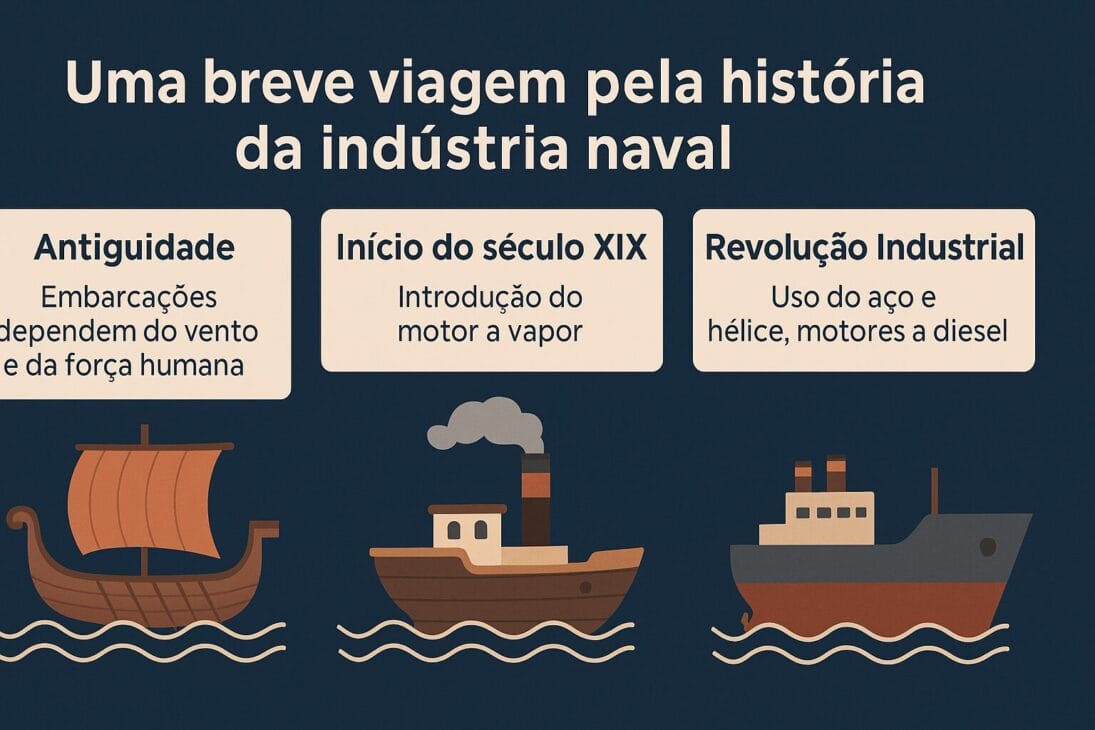
Historically, ancient vessels depended exclusively on wind and human power. However, with the advancement of technology, the maritime industry underwent a revolution.
According to the National Maritime Museum of the United Kingdom, the introduction of the steam engine in the early 19th century transformed navigation, increasing speed and cargo capacity.
During the Industrial Revolution, the use of steel replaced wood in shipbuilding, and the propeller invented by engineer John Ericsson increased efficiency.
Additionally, the development of diesel engines in the 20th century was crucial for making ships more powerful and economical.
According to the United Nations Conference on Trade and Development (UNCTAD) report of 2023, maritime transport still accounts for about 80% of international trade, reinforcing the importance of this industry.
History also shows that ships played a decisive role during the Age of Discoveries, with Portuguese and Spanish vessels exploring new trade routes.
Therefore, the maritime industry is more than technology: it is a sector that connects cultures and economies.
Technological Innovation As A Driving Force For Change
In recent years, technological innovation has been the main driving force in the maritime industry.
According to the European Maritime Safety Agency (EMSA), published in 2024, technologies like autonomous navigation promise to revolutionize the sector.
Modern ships already use advanced sensors, artificial intelligence, and GPS systems to optimize routes and ensure safety.
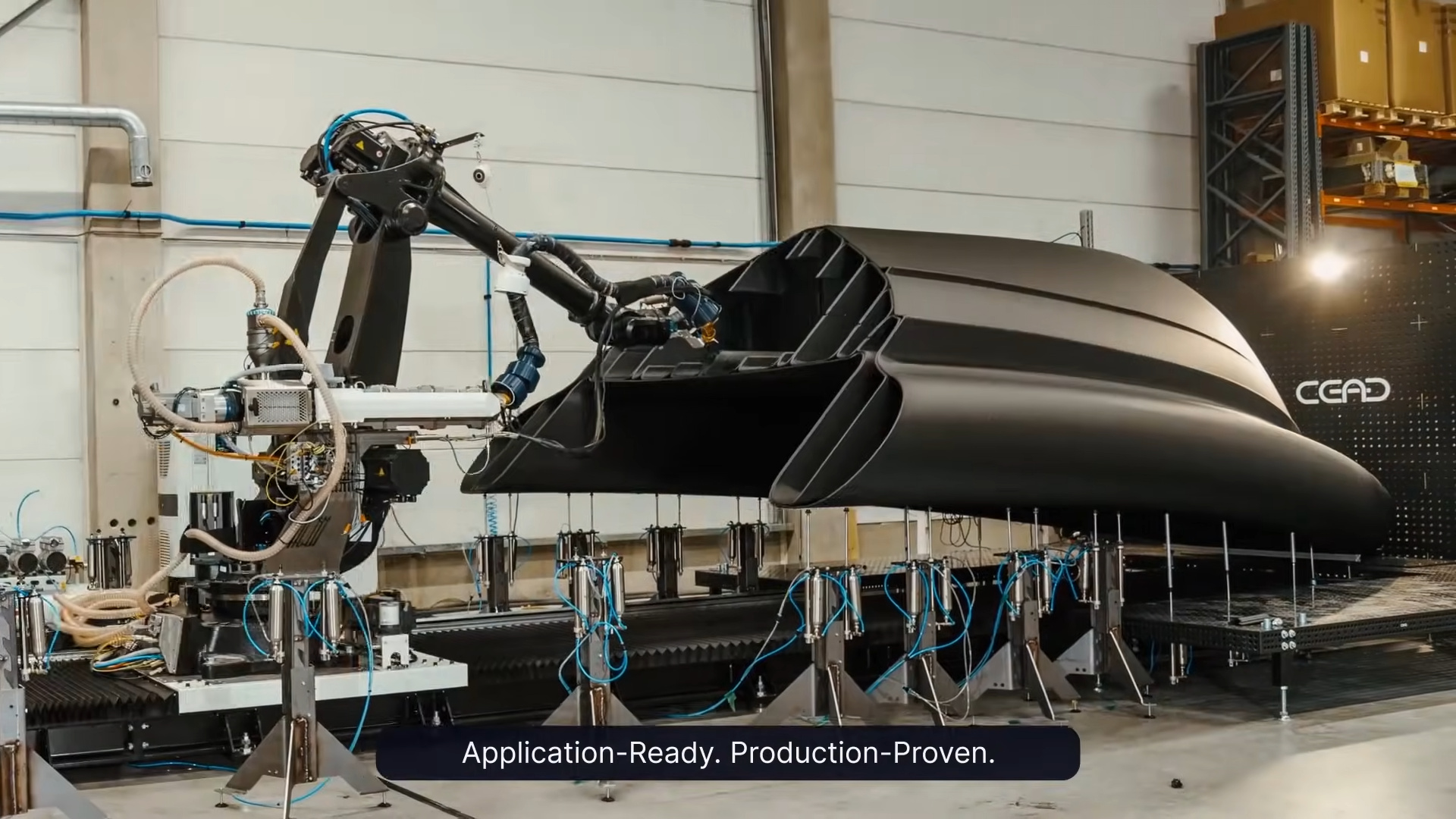
Moreover, 3D printing facilitates the production of custom parts, speeding up repairs and reducing costs.
Another significant advancement is augmented reality, which assists crews in training and maintenance, according to studies from the Naval Engineering Institute (IEN).
Computational simulations allow engineers to design more efficient and resilient vessels, reducing risks and waste.
This technological landscape enhances competitiveness and prepares the industry for future challenges.
Sustainability And Environmental Pressure
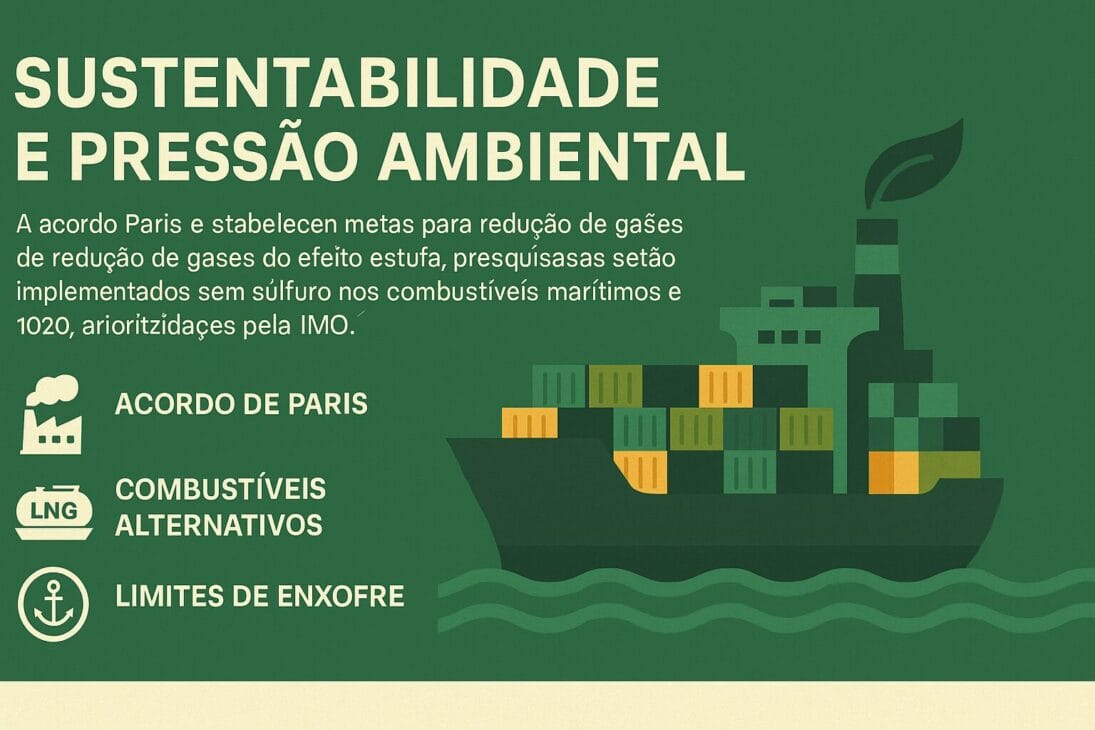
With climate change gaining global attention, sustainability has become central to the maritime industry.
The Paris Agreement, established in 2015, set targets to reduce greenhouse gas emissions, pressuring sectors like maritime to adopt greener practices.
According to the International Maritime Organization (IMO), in 2020, strict limits were implemented for sulfur in marine fuels.
This measure aims to reduce air pollution caused by ships.
Additionally, alternative fuels, such as liquefied natural gas (LNG), biofuels, and hydrogen, are being researched to replace oil.
More efficient vessels, with hulls optimized to reduce fuel consumption, are another significant trend.
According to the sustainability report from Maersk, the world’s leading maritime transport company, investments in clean energy are strategic to ensure long-term competitiveness.
Waste management, marine life protection, and reducing noise pollution have also gained ground in sector policies, following recommendations from Greenpeace and other environmental NGOs.
The Rise Of Green Shipbuilding
Shipbuilding is also evolving towards more sustainable practices.
Shipyards are seeking to reduce waste and use recyclable materials.
The concept of circular economy is gaining traction, focusing on extending the lifespan of vessels and ensuring proper disposal at the end of the cycle.
According to the Brazilian Association of the Naval and Offshore Industry (ABIN), the adoption of new metal alloys and composites is making ships lighter and more durable.
These innovations reduce fuel consumption and facilitate maintenance.
Additionally, environmental certifications such as ISO 14001 have become a requirement for international shipyards.
These advances show that green shipbuilding has transitioned from a trend to a consolidated reality.
Transformations In Business Models
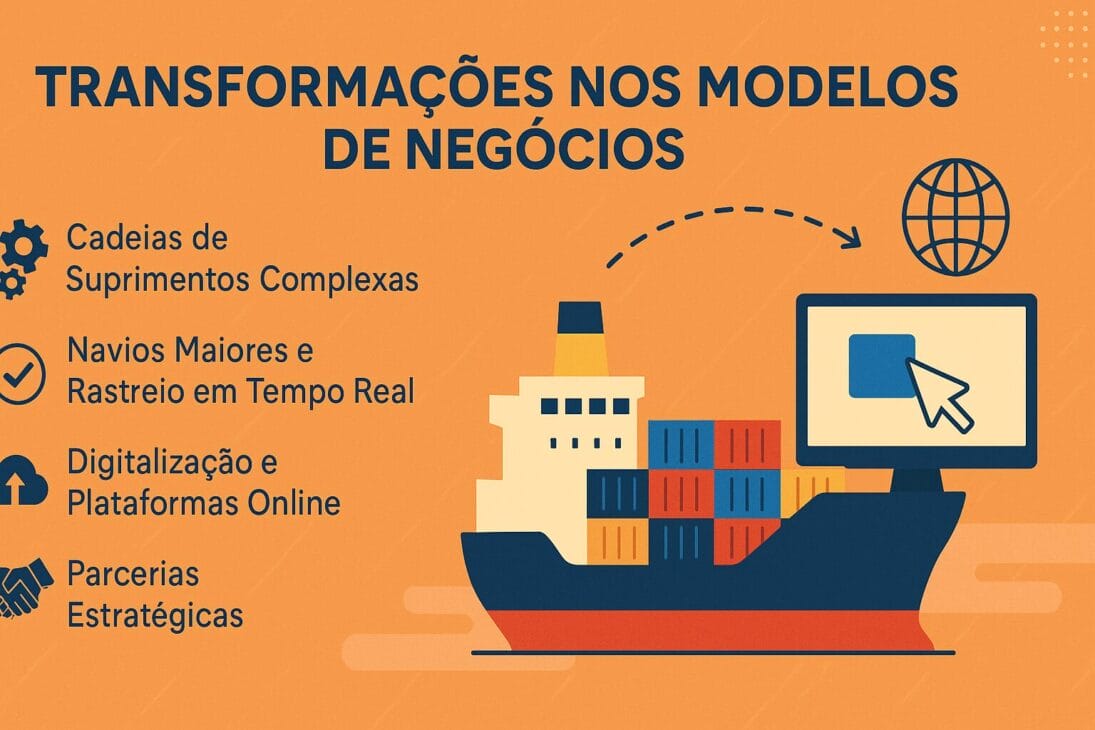
With globalization, business models in the maritime industry have changed drastically.
The complexity of supply chains demands more efficiency and integration.
Therefore, shipping companies invest in larger vessels and technologies that allow real-time tracking of cargo.
According to consulting firm McKinsey & Company, digitization and online platforms are transforming the sector, promoting greater transparency and agility.
Strategic partnerships among shipping, logistics, and technology companies create a collaborative ecosystem that drives innovation.
Leasing and financing models that are more flexible help companies modernize their fleets without compromising capital.
The “just-in-time” concept forces the sector to deliver quickly and safely, aligning with global trade demands.
Brazil’s Presence In The Maritime Industry
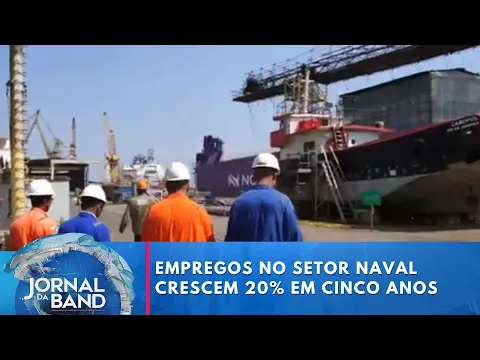
Brazil reached its peak in the maritime industry between the 1970s and 1980s, when large public and private investments boosted the construction of ships and platforms.
However, economic crises and lack of consistent policies led to a decline in the following decades.
According to recent data from ABIN, the country is trying to regain strength by investing in port infrastructure and professional training.
The extensive Brazilian coastline and offshore oil exploration make the sector strategic for the national economy.
Government projects and international partnerships focus on modernizing shipyards and developing local technology.
According to the Ministry of Defense, the Brazilian Navy plays a fundamental role in the demand for modern vessels, reinforcing the national maritime industry.
These efforts indicate a promising future, despite the challenges.
Trends In The Maritime Industry: What To Expect?
Observing these trends, it is clear that the maritime industry will continue to evolve, driven by technology, sustainability, and innovation.
Despite obstacles such as high costs and stringent regulations, the sector has great opportunities ahead.
According to the World Economic Forum report (2024), sustainable practices and technological advancements will be essential for the competitiveness of maritime transport.
Thus, the maritime industry is on its way to being an example of efficiency and environmental responsibility.
Understanding its trends helps to follow the directions of global trade and economic development.







Be the first to react!