Portuguese
  Spanish


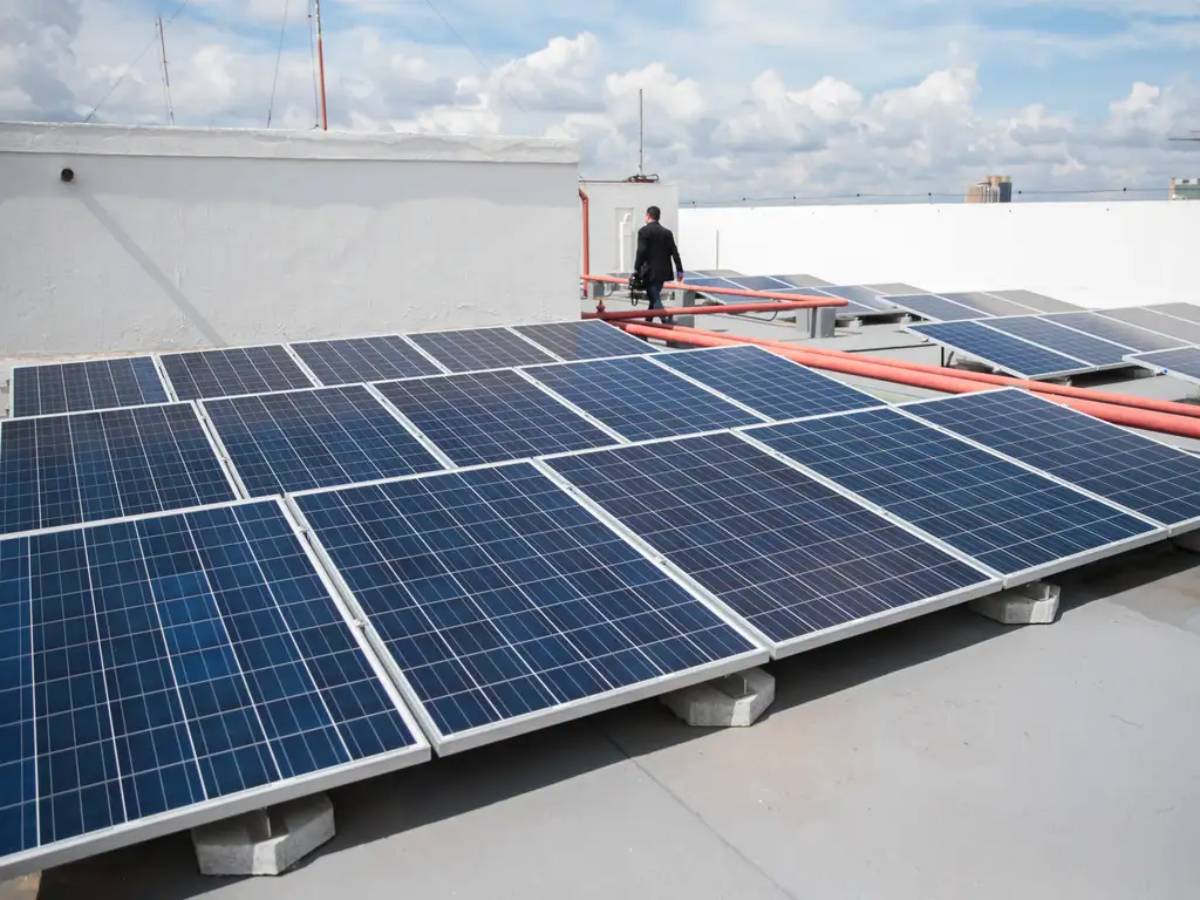

City Invests in Solar Power Systems in Buildings to Reduce Costs and Promote Sustainability
The city of Epitaciolândia, located in the Acre region, takes an important step towards sustainability and modernizing its public infrastructure.
Moreover, the City Hall announced that it will install solar power systems in buildings, including schools, health units, and other municipal buildings, in an initiative aimed at reducing costs and promoting the use of renewable energy sources.
Therefore, the measure, consolidated by Municipal Law No. 550/2025, transforms the way the municipality manages energy resources and strengthens its commitment to the environment.
-
More than 1,000 residents of a remote island in Kiribati now have clean water and electricity with solar systems operated by the community itself.

-
Island in Brazil Innovates by Installing 184 Solar Panels on Urban Lagoon to Generate Clean Energy
-
Japanese Island of 417 Residents to Test Living Half the Year Solely on Solar Power, Reducing Dependence on Diesel Brought by Ship
-
Brazilian Fishermen Use Solar Power to Produce Nearly One Ton of Ice Daily, Preventing Fish Spoilage Before Reaching Market


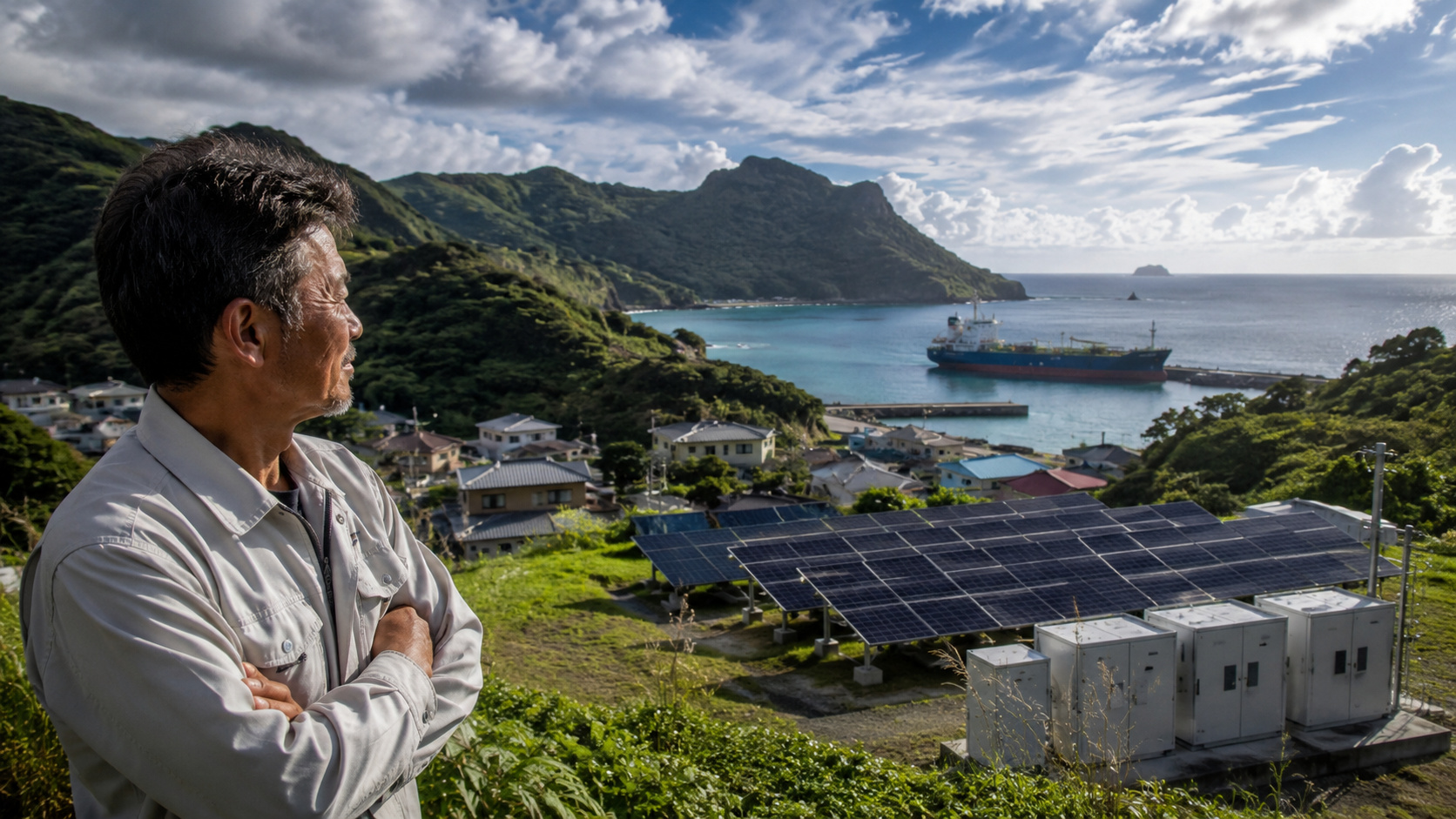

The history of solar energy usage dates back centuries, when ancient civilizations were already harnessing the sun’s heat to warm water or spaces.
However, it was in the 20th century that photovoltaic energy began to be studied more intensively and applied in electric power generation.
Countries like Germany, Japan, and the United States have led the adoption of solar power systems in buildings, both commercial and public, demonstrating that it is possible to reduce dependence on fossil fuels and generate savings for the public sector at the same time.
In Epitaciolândia, the project to install these systems arises at a moment when Brazil intensifies its efforts in energy transition.
The country has enormous solar potential due to its geographical location, with high solar radiation incidence throughout almost the entire year.
Thus, the adoption of solar power systems in buildings is presented as a strategic alternative, not only to reduce electricity costs but also to promote environmental education and sustainable development.
Priority for Schools and Health Units
The municipality will prioritize schools and health units, both in urban and rural areas.
Additionally, this choice is not merely symbolic but strategic.
By equipping schools with solar energy, Epitaciolândia creates opportunities for students to understand, in practice, how sustainable technologies work and the benefits of clean energy.
In health units, the use of solar energy ensures greater energy autonomy, reducing interruptions in supply and strengthening the capacity to serve the population.
The Town Hall will implement solar power systems in buildings in a gradual manner.
Therefore, as technical and budgetary availability allows, the municipality will carry out projects using own resources, agreements with state and federal governments, public-private partnerships, and legislative amendments.
Each building will receive a specific adaptation, ensuring that solar panels and other equipment operate efficiently and safely.
In addition to generating immediate savings, solar systems strengthen municipal sustainability.
At the same time, by reducing the consumption of electricity from non-renewable sources, the municipality lowers its greenhouse gas emissions, aligning with policies to combat climate change.
Thus, this approach is fundamental in a historical context in which environmental preservation has become a global priority.
This priority is recognized by international agreements and national legislations that encourage energy efficiency and the use of clean energy.
The choice for solar power systems in buildings also allows the city to create educational programs, involving the community in awareness actions on energy conservation and sustainability.
Thus, the population will be able to participate in workshops, technical visits, and campaigns to encourage the responsible use of electricity, strengthening social engagement around environmentally correct practices.
Planning, Oversight, and Integration of Municipal Departments
The project will be the responsibility of several municipal departments, including Public Works, Environment, Education, and Health.
Additionally, each department will have strategic functions: the Department of Public Works will take care of the proper and safe installation of equipment; the Department of Environment will assess environmental impacts and promote sustainable practices; the Department of Education will integrate the theme into the school curriculum; and the Department of Health will ensure the continuous operation of medical units.
Therefore, the Executive will present a detailed plan within 180 days, with schedule, costs, and savings projections.
Historically, the investment in solar power systems in public buildings has proven to be one of the most efficient strategies to reduce expenses and promote sustainability in municipalities of various sizes and regions.
Additionally, Brazilian and international cities that have adopted this practice have reported a significant decrease in electricity expenses, as well as social gains such as environmental awareness and encouragement of research and technological innovation.
Epitaciolândia, by following this trend, not only modernizes its infrastructure but also positions itself as a reference in environmental responsibility and strategic planning.
The project will also allow Epitaciolândia to monitor energy performance indicators, recording the savings generated and assessing the financial return in the medium and long term.
Thus, this continuous monitoring creates transparency, encourages the efficient use of energy, and strengthens the public management’s commitment to sustainability.
Educational and Social Benefits
Another relevant point is the educational potential of solar systems.
By installing panels in schools, the Town Hall allows students to observe how the technology works, learn about clean energy generation, and understand the importance of sustainability.
Additionally, this direct contact with technological innovation can inspire future careers in engineering, environmental science, and energy management, creating a virtuous cycle of knowledge and sustainable practice.
Environmental education ceases to be merely theoretical and becomes part of the daily reality of schools.
The initiative also reinforces the social impact.
Municipalities that invest in solar power systems in buildings reduce the vulnerability of public units to energy supply instability.
Consequently, schools and health units, which depend on electricity to operate essential equipment, gain autonomy and security, directly benefiting the population.
The continuity of public services, even in adverse situations, strengthens the community’s trust in municipal administration and improves local quality of life.
Moreover, the choice of clean energy sources is directly linked to the economic context.
The reduction of electricity bills allows public resources to finance other priority areas, such as health, education, and infrastructure.
In a scenario of budget constraints, solar power systems in buildings represent a smart and long-term alternative, ensuring economic and environmental efficiency at the same time.
At the same time, the city stimulates the local economy by hiring specialized solar energy companies.
This generates jobs, encourages the development of technical skills, and strengthens the productive chain of sustainable technologies.
Global Trends and Sustainable Future
The advancement of Epitaciolândia in this regard reflects global trends.
Countries and cities that invest in public solar energy see positive impacts on the economy, the environment, and society.
Furthermore, photovoltaic technology, becoming more accessible and efficient, allows municipalities of different sizes to implement innovative solutions without compromising their budgets.
Thus, the city of Acre integrates into an international movement to promote renewable energies, showing that it is possible to reconcile urban development with sustainability.
In summary, the decision to install solar power systems in public buildings in Epitaciolândia represents a historic milestone for the municipality.
Therefore, the measure combines economic, environmental, educational, and social benefits, creating a sustainable management model that can serve as an example for other Brazilian cities.
With adequate planning, efficient oversight, and integration of municipal departments, the project has the potential to transform the local reality, promote environmental awareness, and strengthen public infrastructure.
Thus, solar energy ceases to be merely an alternative and becomes a strategic tool for sustainable development and the future of Epitaciolândia.