Portuguese
  Spanish




Renewed EB5 Program Reduces Minimum Investment Requires Proven Job Creation Offers Green Card to Investor Allows Legal Living and Working in the United States Includes Spouse and Children and Plans Safe Move with Rules Valid from 2026 Without Relying on Traditional Temporary Visas and Updated Federal Legal Certainty
Interest in the Green Card has consistently grown again after the renewal of the EB5 program by the United States Congress. The extension until 2027 brought relevant changes that reorganized the path for foreign investors seeking legal permanent residence, migratory stability, and the real possibility of establishing themselves in the country starting in 2026.
Unlike temporary visas, the EB5 allows the investor to obtain the Green Card from the start of the process, automatically extending this right to the spouse and children under 21. The program combines objective rules, clear productive investment requirements, and mandatory job creation, creating a model considered predictable and legally secure.
What Changed in the EB5 Program After the Renewal
The main change involves the minimum investment amount required to access the Green Card through the EB5. In projects located in Targeted Employment Areas, known as TEAs, the investment has been reduced from $900,000 to $800,000. These areas are characterized by high unemployment rates or strategic rural location.
-
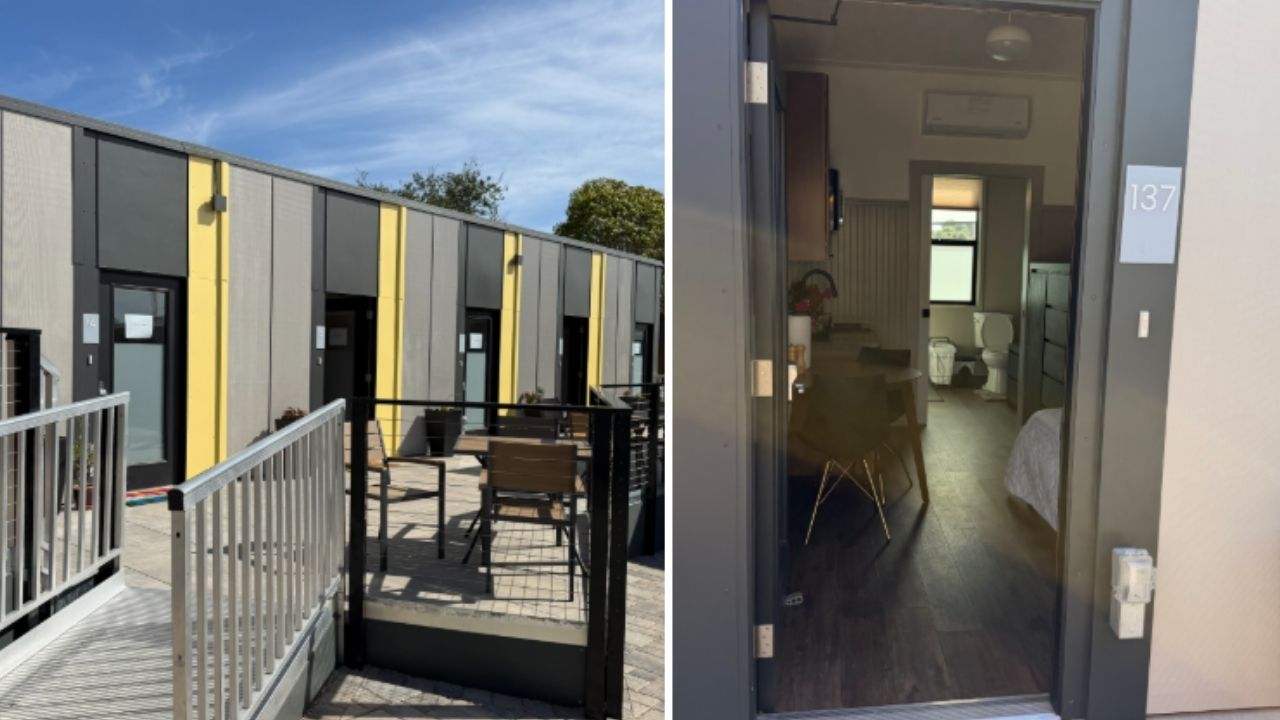
3D-Printed Micro Homes Offer Innovative Solution to California’s Housing Crisis: Village with 40 Permanent and 14 Temporary Units Built in 10 Months Provides Facilities and Social Services to Help Residents Transition from Camps

-
Flushing Toilet Paper in Brazil Could Gradually Damage Home Plumbing, Experts Warn

-
Meet the Fascinating Cassowary: The Bird That Resembles a Dinosaur, Runs Like an Athlete, Crosses Rivers with Ease, and Plays a Crucial Role in Tropical Forests
-
Brazil Deploys Water-Landing Ambulance Planes in the Amazon, Cutting Travel Time from 3 Hours to 12 Minutes to Reach Isolated Communities



The renewal also brought greater standardization in the analysis criteria, reducing ambiguities that previously caused delays. The goal was to transform the EB5 into a more transparent and predictable path, especially for those planning the move in advance starting in 2026.
Mandatory Job Creation Remains a Central Pillar
To secure the Green Card, the investor must prove the creation of at least ten permanent full-time jobs for a minimum period of two years. This requirement remains unchanged and serves as a key element of the program.
The jobs can be generated directly or indirectly, depending on the structure of the approved project. This obligation links the migratory benefit to the real economic impact, reinforcing the productive nature of the EB5 within the American economy.
Eligible Sectors and Residence Flexibility
The EB5 offers a wide variety of sectors eligible for investment, including construction, hotels, shopping centers, infrastructure, and energy-related projects. There is no requirement for the investor to be directly involved in the management of the business or to reside near the venture.
This means that even when using the EB5 to obtain the Green Card, the investor can freely choose where to live, work, or start a business in the United States, without geographic restrictions tied to the funded project.
Path to Permanent Residence Without Restrictions
After the initial period of conditional residence, usually five years, the investor can apply for the removal of the conditions on the Green Card. Once the investment and job creation requirements are met, the residence becomes permanent.
This model eliminates the dependence on frequent renewals, business sponsorships, or specific employment ties, offering long-term migratory stability for the entire family.
Financial Audit and Proof of Funds’ Origin
One of the most rigorous points of the EB5 process is the proof of the legal source of the invested funds. The applicant must present detailed documentation, such as tax returns, contracts, bank records, and asset history.
The process acts as a complete financial audit. This step is crucial for the approval of the Green Card, ensuring that the invested capital complies with U.S. compliance standards.
Why the EB5 Gained Strength Again in 2026
With clearer rules, adjusted values, and a focus on strategic areas of the economy, the EB5 has re-established itself as a concrete alternative for those seeking the Green Card without relying on work, study, or tourist visas.
The combination of structured investment, job creation, and permanent residence makes the program one of the most direct paths to live legally in the United States in the coming years.
In your opinion, is investing to secure the Green Card a viable strategy for those seeking long-term international stability?