





 Portuguese
  English
  Spanish
  4 min of reading
  0 comments


Beneath Brazilian Soil Lies a Valuable and Strategic Resource That Could Change the Course of the National Economy and Position the Country as a Global Power in Innovation, Sustainability, and Clean Technology, with Reserves Capable of Attracting Billions in Investments.
The Brazil may be sitting on a real gold mine – or rather, rare earths. These chemical elements, essential for the production of cutting-edge technology, are considered one of the most strategic resources in the modern world today.
While countries are battling for their exploration and control, Brazilian soil holds a potential that remains largely untapped but could redefine the national economy in the coming decades.
According to updated data from the National Mining Agency (ANM), Brazil ranks among the ten countries with the largest known reserves of rare earths on the planet.
-
The United States government approved a potential sale of 100 portable Stinger anti-aircraft missiles to the Brazilian Army, in a package estimated at around 330 million dollars that still depends on negotiations between the two countries.

-
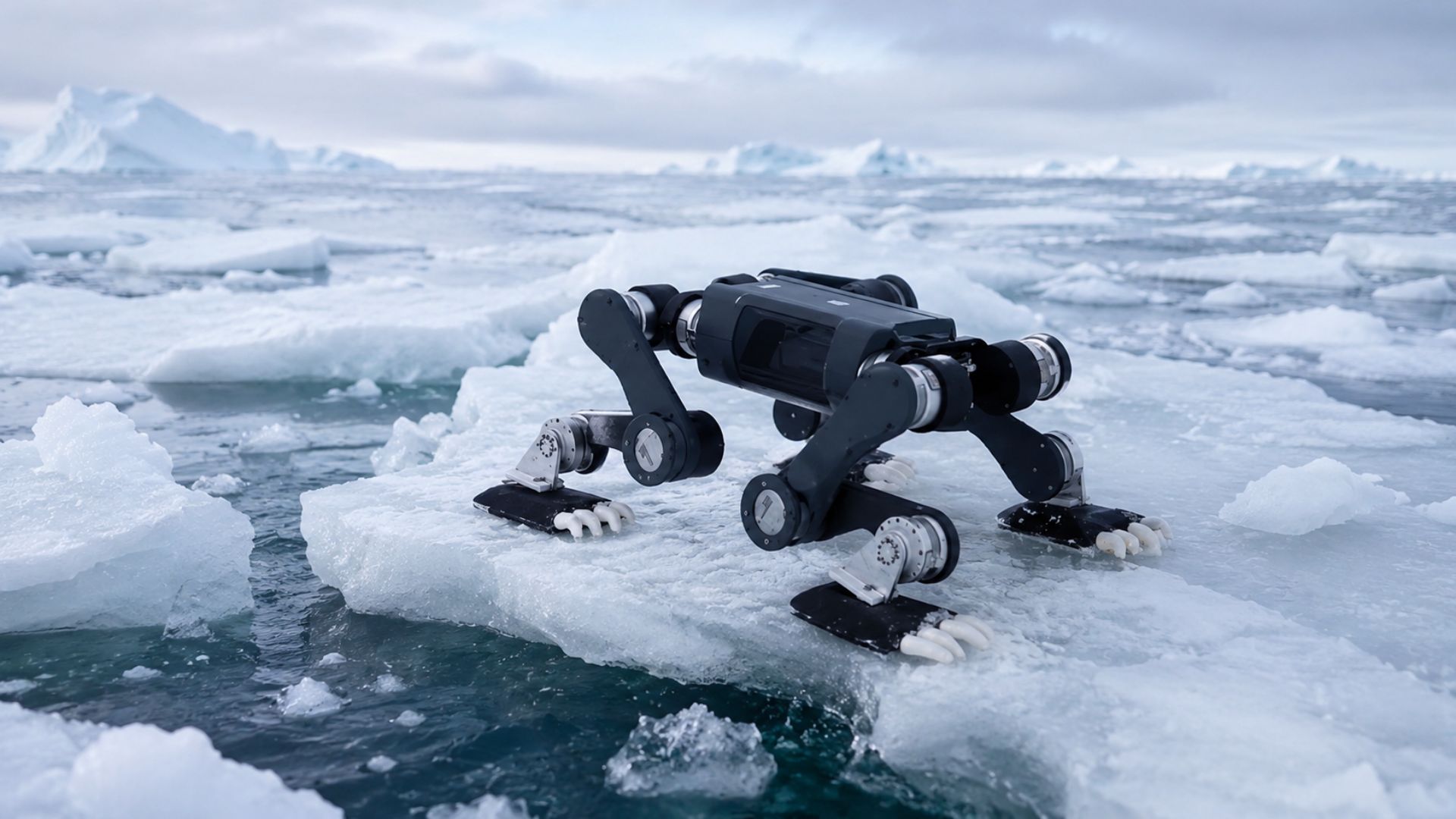
A four-legged robot dog, modified with bear paws and artificial intelligence navigation, has become the first of its kind to cross floating ice blocks in the Arctic Ocean.
-
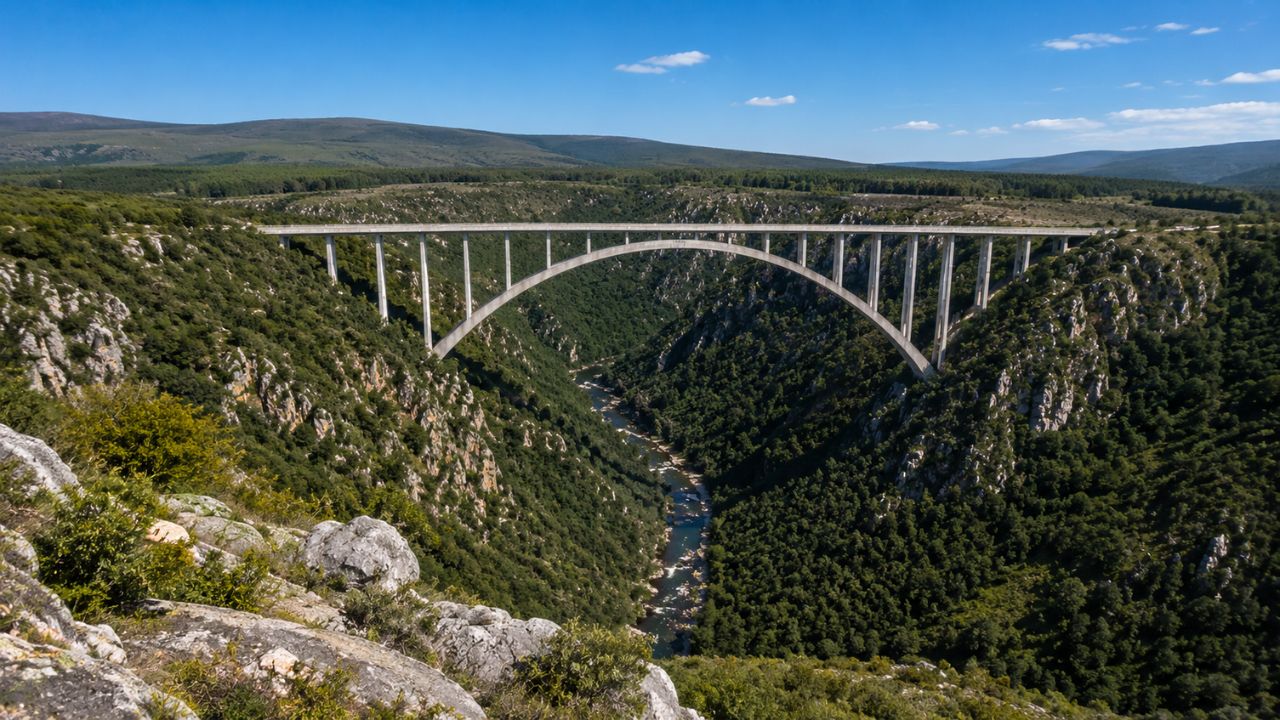
Suspended at more than 200m high, this bridge was built to replace a dangerous road and today offers a bungee jump with more than seven seconds of free fall over a gorge in South Africa; Get to know the Bloukrans Bridge.

-
Young person announces departure from Havan and scares parents, but reveals promotion to work directly with Luciano Hang, moves the family and turns a supposed farewell into a professional achievement within the Brusque retail group that went viral on social media in Santa Catarina.


These minerals are essential in the manufacturing of electric vehicles, wind turbines, solar panels, smartphones, computers, defense systems, satellites, and medical equipment.
Global demand continues to grow, driven by the energy transition and the global technological race.
Although still in the early stages of exploration, Brazil has the potential to become a superpower in this strategic sector, reducing its dependence on traditional exports like soybeans, iron ore, and oil.
What Are Rare Earths and Why Are They So Valuable?
The so-called “rare earths” are not exactly rare in the geological sense, but they are dispersed in the Earth’s crust, making their extraction more complex.
The group includes 17 chemical elements, such as neodymium, lanthanum, and cerium, which possess unique physical and chemical properties, highly valued in modern industry.
These elements are essential in the production of super-powerful magnets, used in electric car motors, drones, wind turbines, and headphones.
They are also used in rechargeable batteries, optical fibers, industrial lasers, satellite guidance systems, and even in cancer-fighting equipment.
The geopolitics of rare earths is currently dominated by China, which accounts for about 70% of global production, raising concerns about supply security in various countries.
In this scenario, Brazil stands out as a viable and strategic alternative.
Where Are Brazil’s Main Reserves Located?
The main front for rare earth extraction in Brazil, so far, is the Buena mine in the state of Rio de Janeiro.
The operation is conducted by the mining company Serra Verde, which has already begun experimental exports.
However, studies from the Geological Survey of Brazil (CPRM) indicate that other regions of the country have significant exploration potential.
Araxá (MG), Poços de Caldas (MG), Catalão (GO), and Pitinga (AM) are locations where significant deposits of rare minerals associated with niobium, phosphate, and thorium have been identified.
In addition, areas in the North and Northeast regions are also being mapped as future frontiers of high-tech mining in the country.
The New Gold Rush: The Economic Impacts of Rare Earths
Experts claim that the responsible utilization of rare earth reserves could profoundly transform the Brazilian economy.
The sector, if well-structured, has the potential to attract billions in investments, generate thousands of skilled jobs, and foster national technological development.
According to data from the National Confederation of Industry (CNI), rare earth mining could help Brazil diversify its economic matrix, which is currently very concentrated in traditional commodities.
The country could thus play a more prominent role in what is called the green economy, based on innovation, sustainability, and high added value.
With global demand heated for sustainable solutions like electric cars and renewable energy, Brazil holds a strategic card.
If played intelligently, it can ensure significant economic gains and place the country at the center of a new energy geopolitics.
Sustainability and Challenges: How to Explore Without Destroying?
Mining rare earths, however, is not without criticism.
The traditional extraction process involves the use of acids and can generate toxic waste, posing environmental and health risks to nearby communities.
For this reason, one of Brazil’s major challenges will be to combine productivity with environmental responsibility.
Fortunately, various projects are already seeking to implement clean technologies and sustainable practices.
According to the Ministry of Mines and Energy (MME), the Brazilian government is developing new regulations for high-complexity mining, including guidelines for stricter environmental licensing and incentives for technological research.
Private companies have also been investing in more efficient solutions, such as the reuse of industrial waste and the use of artificial intelligence for geological mapping.
Sustainability will be a non-negotiable condition for the country to effectively lead this market in the long term.
The Promising Future of Brazilian Rare Earths
The Brazilian trajectory in the rare earths sector is still being written, but the signs are optimistic.
With strategic planning, investment in research and development, and international partnerships, Brazil can become a global reference in the production of critical materials.
In addition to its economic potential, this transformation could establish the country as a key player in the global energy transition, helping to curb climate change through clean and efficient technologies.
The road is long, but the resources are in the ground. It remains to be seen whether the country will have the vision and competence necessary to extract this treasure with responsibility and intelligence.
Do you think Brazil will be able to seize this historic opportunity, or will it let another wealth slip through its fingers? Comment below and join the debate!






Be the first to react!