






 Portuguese
  Spanish


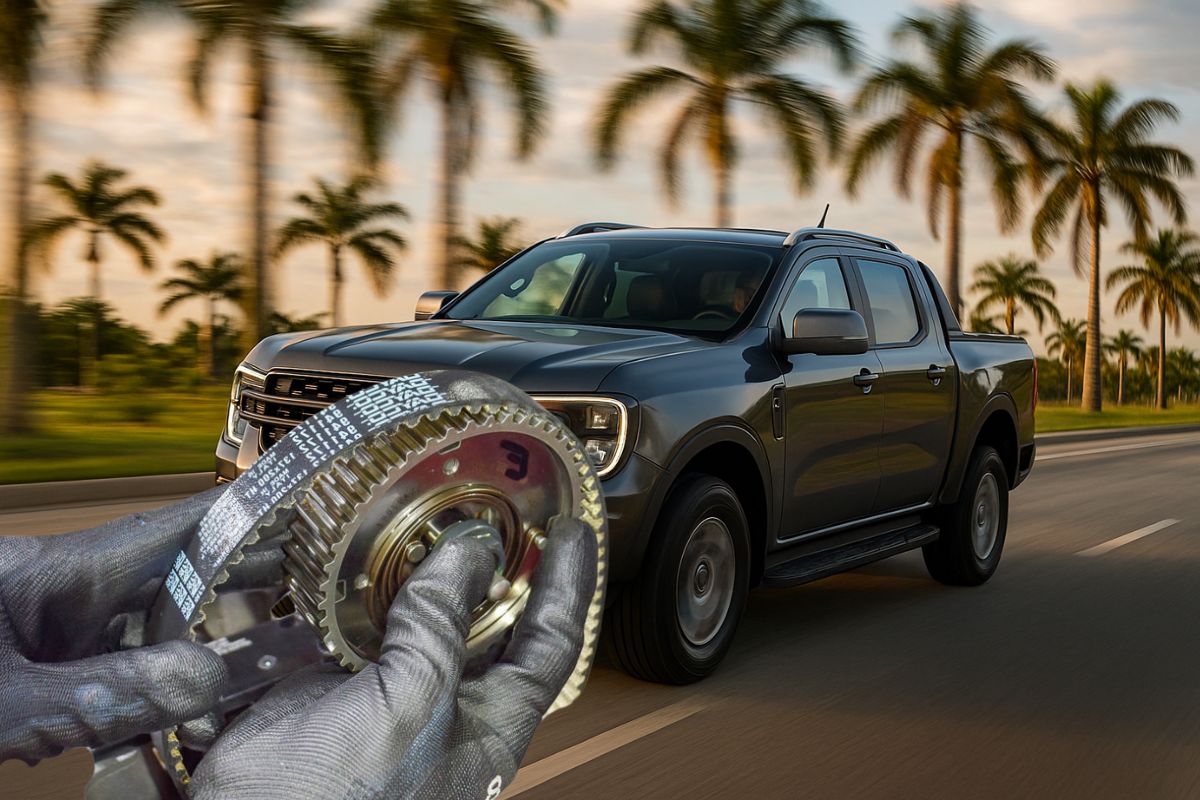


Meet the Models in Brazil with the “Belt-in-Oil” System, Its Advantages, The Risks Involved, and How Proper Maintenance Is Crucial for Cars That Use Oil-Bathed Timing Belts.
The search for more efficient and quieter engines has driven innovations in the automotive industry. Among them, the oil-bathed timing belt, or “Belt-in-Oil” (BIO). This technology, present in several cars that use oil-bathed timing belts in the Brazilian market, promises advantages but requires extra attention to maintenance.
Understand how the BIO system works, detail the main vehicles that use it in Brazil, and alert for the indispensable care. Understanding this technology is essential for owners and future buyers to avoid problems and high repair costs.
What Are Cars That Use Oil-Bathed Timing Belts and Why Do They Exist?
The “Belt-in-Oil” (BIO) technology represents a motor synchronization system. Here, the timing belt operates immersed in the engine’s own lubricating oil. This differs from traditional systems, where the belt operates dry. The main function is to synchronize the crankshaft with the camshaft, ensuring precise engine operation.
-
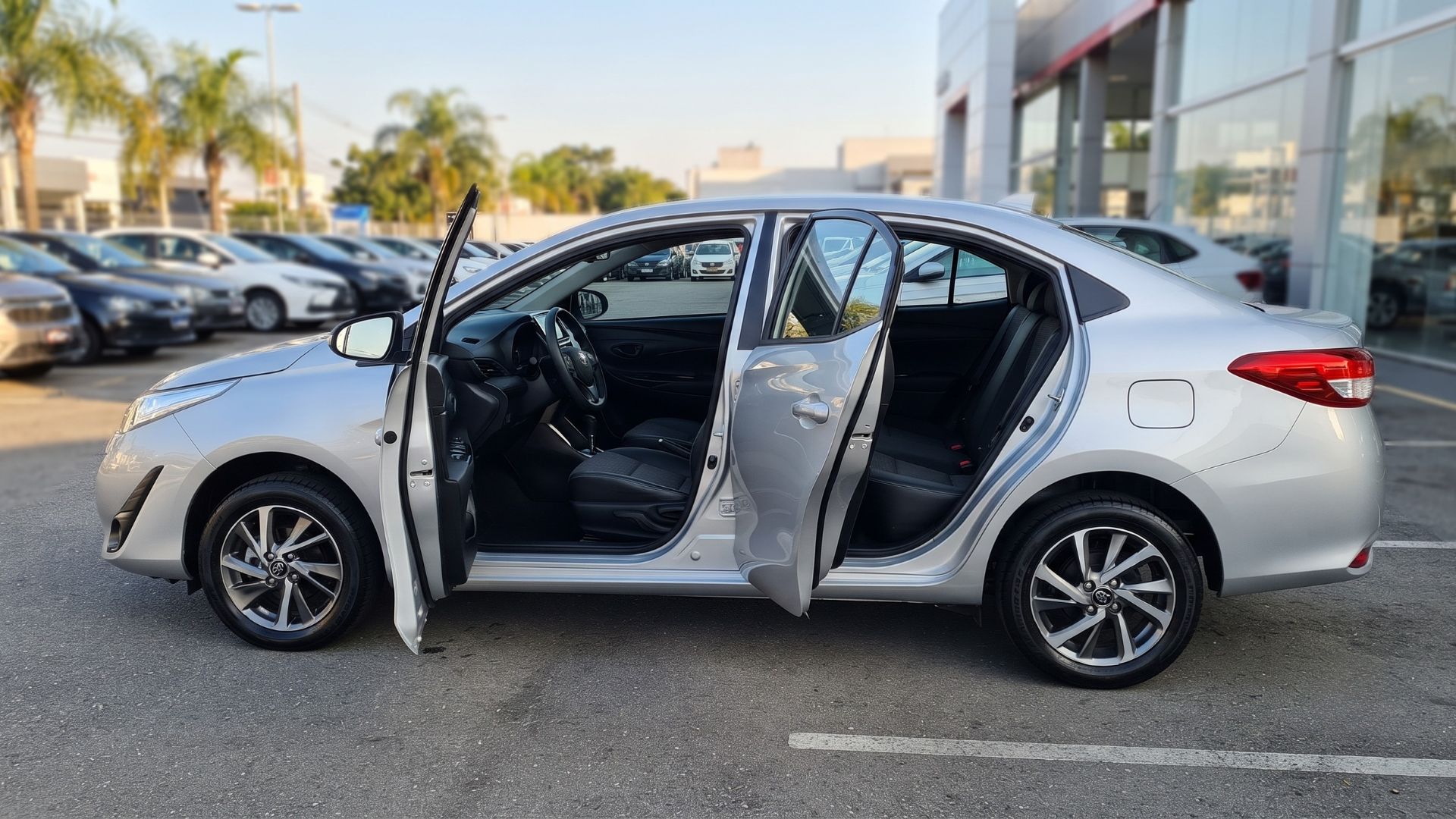
Automatic, economical, and known for reliability: with a 1.5 engine of up to 110 hp, CVT transmission, seven airbags, and fuel consumption of up to 15.9 km/l, this used hatchback appears as a rational alternative to Polo, HB20, and Onix; meet the Toyota Yaris XLS 2020.

-
He surpassed the Tera, Creta, and Tracker: With a TSI engine of up to 150 hp, 6-speed automatic transmission, and a 373-liter trunk, the Volkswagen T-Cross was the best-selling SUV in June, with 11,753 registrations.

-
It looks factory-made, but it came out of a workshop: a mechanic from Pernambuco builds a handcrafted “mini Toyota,” drives it through the streets, and the video goes viral on social media, leaving residents astonished.
-
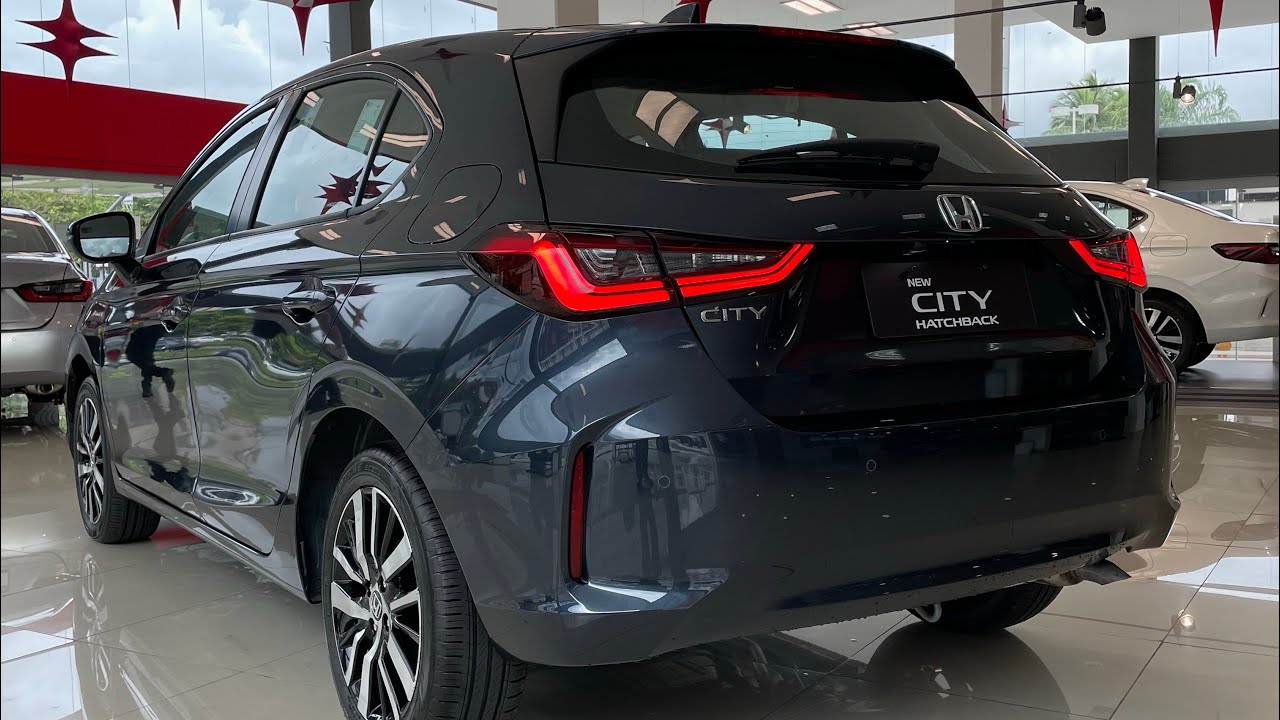
Hatch with sedan space and 1.0 car consumption: equipped with a 1.5 engine with 126 hp, CVT transmission with seven simulated gears, and consumption of up to 17.4 km/l, this used Honda delivers technology, comfort, and reliability; meet the 2022 Honda City Hatch Touring.


To operate submerged in hot oil, the belt is made of specialized materials. Hydrogenated nitrile butadiene rubber (HNBR) and coatings such as Teflon are used. Some compositions include Kevlar for greater strength. Manufacturers have adopted this technology aiming for greater energy efficiency. They also seek to reduce pollutant emissions and achieve a quieter and smoother engine operation. The reduction of friction is one of the main benefits. This decreases energy losses and can improve fuel economy. Additionally, the system tends to be lighter and allows for a more compact engine design.
What Are the 7 Cars That Use Oil-Bathed Timing Belts in Brazil?

Several popular models in Brazil have incorporated the technology of oil-bathed timing belts. Knowing which cars that use oil-bathed timing belts is the first step toward adequate maintenance.
- Chevrolet Line (CSS Prime Engines): Includes Onix (from 2019), Tracker (from 2020), and Nova Montana (from 2023) with 1.0 and 1.2 engines, turbo or aspirated.
- Ford Ka (1.0 TiVCT 3 Cylinders): Models from the third generation (2014/2015 to 2021).
- Ford EcoSport (1.5 Dragon 3 Cylinders / 1.0 EcoBoost 3 Cylinders): Versions equipped with these specific engines.
- Ford Fiesta (1.0 EcoBoost 3 Cylinders): Models with the 1.0 EcoBoost turbo engine.
- Ford Ranger (2.0 EcoBlue/Panther Diesel): Current generation with a 2.0 Turbodiesel engine.
- Peugeot / Citroën (1.2 PureTech Engines): Present in models like Peugeot 208, Peugeot 2008, Citroën C3, and Citroën C4 Cactus with this three-cylinder engine.
- Ford Transit (2.0 EcoBlue): Van equipped with the 2.0 EcoBlue Diesel engine.
The declared durability of the belt by these manufacturers is generally long. It can reach 240,000 km or 15 years in some cases. However, this longevity strictly depends on impeccable maintenance.
Risks and Maintenance: The Achilles’ Heel of Cars That Use Oil-Bathed Timing Belts
Despite the theoretical advantages, cars that use oil-bathed timing belts face significant challenges. The main issue is premature wear of the belt. This can occur well before the projected lifespan. The root cause is often the use of incorrect lubricating oil.
When the belt degrades, it releases particles into the engine. These debris can clog the oil pump’s strainer and fine galleries. This leads to lubrication deficiency, compromising vital components such as bearings and turbochargers. The most serious consequence is the loss of engine synchronization. If the belt breaks or skips teeth, pistons and valves may collide. Damage is generally severe, requiring complete engine overhaul or replacement. Repair costs can be extremely high.
Maintenance is therefore non-negotiable. It is crucial to use only the oil with the exact specification determined by the manufacturer. It is not enough to get the viscosity right; the performance standard is vital. Changing the oil and filter at recommended intervals is essential. “Severe use” conditions, such as short trips, require more frequent changes. Avoid counterfeit oils and unapproved additives.
Expert Opinion
For current owners, strict adherence to the maintenance plan is vital. Use only the oil and filters specified by the manufacturer. Rigorously follow the change intervals, adjusting for severe use if necessary. It is important to be alert to any unusual engine signals, such as noises, loss of power, or oil pressure warnings. Keep meticulous records of all services.
For those considering buying cars that use oil-bathed timing belts, it is essential to understand the commitment to maintenance. Inquire about the warranty and evaluate your usage profile. If buying a used one, prioritize a complete and verifiable service history. Be extremely cautious with ex-fleet or rental vehicles. A detailed pre-purchase inspection is crucial. When in doubt, consider the preventive replacement of the belt, oil, and filter.
Is It Worth Having a Car with This Type of Engineering in Brazil?
The decision to acquire one of the cars that use oil-bathed timing belts involves weighing benefits and risks. The technology can offer efficiency and smoothness. However, it requires an unwavering commitment to preventive and specialized maintenance.
The “savings” from a longer timing belt replacement interval can be nullified by a single mistake in oil choice. If the owner is not willing to follow the strict maintenance regimen, a vehicle with a traditional dry belt or timing chain may be a lower-risk option. For the informed and diligent consumer, the technology can work well. For the unaware, the costs can be significant.
Practical experience shows that the benefits of the oil-bathed timing belt are accompanied by a critical sensitivity to lubricant quality. Proper maintenance is not optional, but a fundamental requirement for the longevity of the system and to prevent cars that use oil-bathed timing belts from becoming a source of problems.









…tenho um carro 1.4, 4 cilindros, me leva e me trás, confortável, e tem uma potência extrema, é um ótimo carro, entre tantos, como o 1.0, confesso q esses são os melhores motores, sem essa de correa banhada a óleo, pra q correr riscos, o mercado tah vendendo essa engenharia só pra inovar o mercado automobilístico, mas só compra quem tá buscando novidade, o pior q a tendência daqui uns tempos, a engenharia automobilística, ter q olhar pra trás e voltar a fabricar motores com corrêa dentada externa protegida de óleo…
Existe o bom e o ruim. O fato da correia ser banhada a óleo não garante que o motor seja ruim. Nesse caso dos 3 cilindros, concordo que não são motores confiáveis.
P