Portuguese
  Spanish


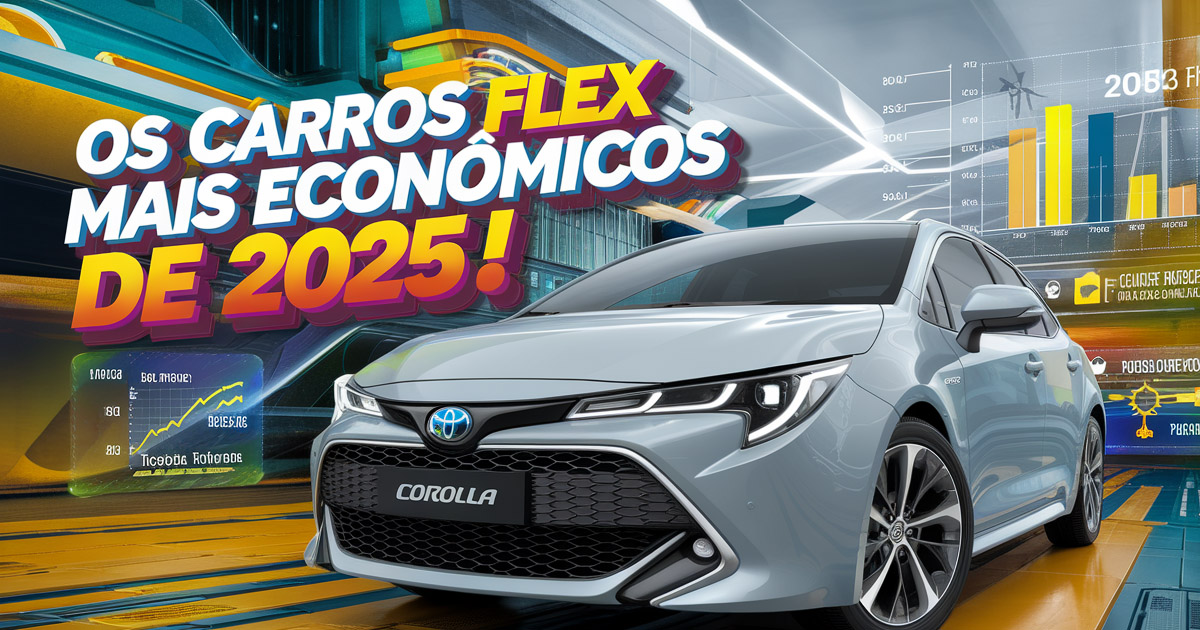

Discover the Flex Cars with the Best Fuel Efficiency in Brazil for 2025! Inmetro Revealed the Official List, and Models Like Toyota Corolla and Renault Kwid Stand Out in Fuel Efficiency. Find Out Which Vehicles Ensure More Savings in the City and on the Road!
The search for more efficient and economical vehicles has never been more relevant in Brazil.
With fuel prices constantly fluctuating and growing concerns about sustainability, choosing an economical car can make all the difference for the consumer’s wallet.
With that in mind, the National Institute of Metrology, Quality and Technology (Inmetro) published, at the beginning of 2025, the list of the most efficient flex models in the Brazilian market.
-
Rolls-Royce Turns Heads with 30-Inch Floating Wheels, 6.6-Liter V12 Engine, and 563 Horsepower

-
2019 Kia Sportage EX: A Spacious and Cost-Effective SUV with 2.0 Flex Engine and Panoramic Roof
-
Fiat Strada Becomes Top Seller in June, Surpassing Onix, Polo, Hilux, and T-Cross with 107 HP Engine and 732 km Range.

-
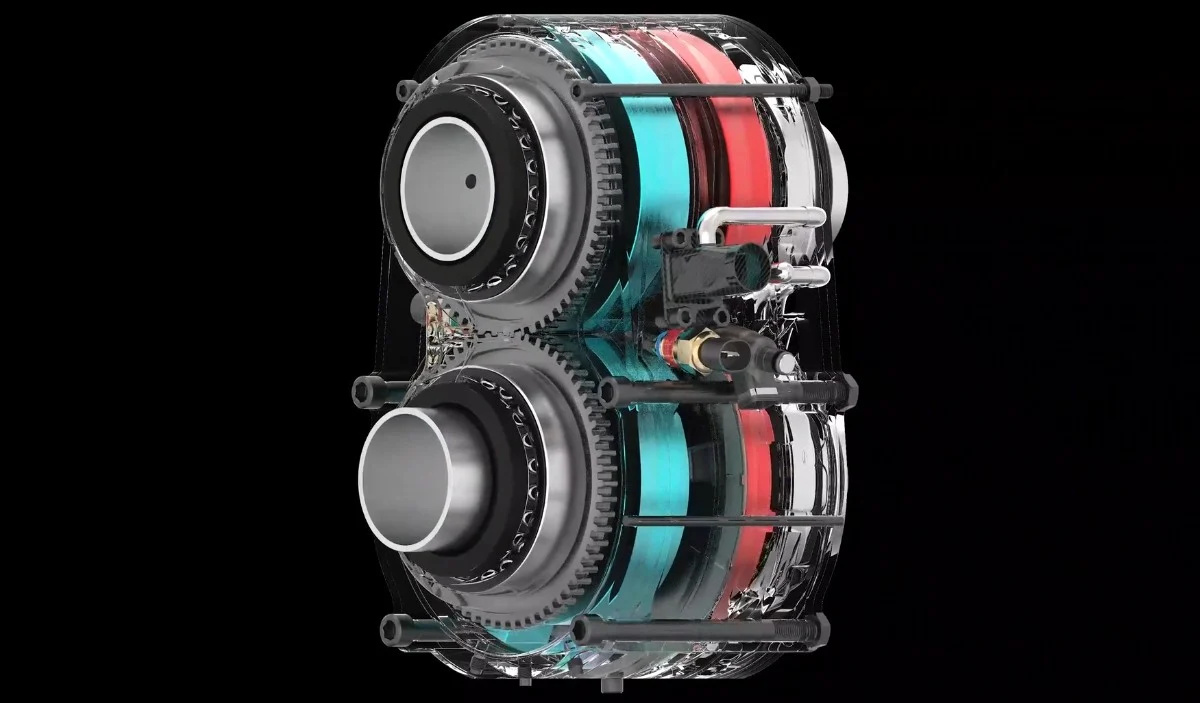
Suitcase-sized hydrogen engine spins at 25,000 rpm, nearly doubling the efficiency of conventional cars and replacing exhaust smoke with water vapor


The data is part of the Brazilian Vehicle Labeling Program (PBEV), which evaluates the fuel consumption of automobiles available in the country.
The ranking takes into account both the energy consumption in megajoules per kilometer (MJ/km) and the traditional consumption in kilometers per liter (km/l), offering a clear view of the efficiency of each model.
Among the highlights, the hybrids from Toyota, Corolla and Corolla Cross, lead the list, being the most economical options, especially in urban areas.
However, other conventional flex models also showed excellent performance, ensuring good cost-effectiveness for those seeking efficiency without giving up the versatility of ethanol and gasoline.
How Does the Energy Efficiency Ranking Work?
The PBEV ranks vehicles with grades from “A” to “E”, based on tests conducted under controlled conditions.
The most efficient cars receive an “A” rating, while the least economical are assigned lower grades.
The methodology seeks to guarantee a fair and standardized comparison, allowing consumers to make more informed choices when purchasing.
The models on this list were evaluated based on the following criteria:
- Urban and highway consumption with ethanol and gasoline
- Energy efficiency measured in MJ/km
- Engine performance and type of transmission
Next, see which are the most economical flex cars in Brazil for 2025.
The Most Economical Flex Cars in Brazil
1. Toyota Corolla 1.8 Hybrid CVT
Grade: B
Energy Consumption: 1.21 MJ/km
Consumption with ethanol/gasoline (city): 12.8 km/l / 18.5 km/l
Consumption with ethanol/gasoline (highway): 11.1 km/l / 15.7 km/l
The Toyota Corolla hybrid combines a 1.8 flex engine with an electric system, ensuring superior autonomy and great performance in urban traffic.
The CVT transmission contributes to a smoother and more efficient driving experience.


2. Toyota Corolla Cross 1.8 Hybrid CVT
Grade: B
Energy Consumption: 1.29 MJ/km
Consumption with ethanol/gasoline (city): 12.5 km/l / 17.7 km/l
Consumption with ethanol/gasoline (highway): 10.1 km/l / 14.6 km/l
The SUV version of the Corolla maintains the excellent energy efficiency of the sedan, providing more interior space without significantly compromising fuel consumption.
3. Renault Kwid 1.0 Manual 5-Speed
Grade: B
Energy Consumption: 1.36 MJ/km
Consumption with ethanol/gasoline (city): 10.8 km/l / 15.3 km/l
Consumption with ethanol/gasoline (highway): 11.0 km/l / 15.7 km/l
The Renault Kwid stands out for being one of the most economical compact cars in Brazil, with a 1.0 three-cylinder engine that prioritizes low consumption.
4. Chevrolet Onix Plus 1.0 Manual 6-Speed
Grade: B
Energy Consumption: 1.39 MJ/km
Consumption with ethanol/gasoline (city): 9.7 km/l / 13.9 km/l
Consumption with ethanol/gasoline (highway): 12.2 km/l / 17.4 km/l
The compact sedan from Chevrolet combines good interior space and fuel efficiency, being an attractive option for those seeking comfort and savings.
5. Fiat Cronos 1.0 Manual 5-Speed
Grade: B
Energy Consumption: 1.44 MJ/km
Consumption with ethanol/gasoline (city): 9.6 km/l / 13.5 km/l
Consumption with ethanol/gasoline (highway): 11.4 km/l / 16.6 km/l
The Fiat Cronos offers a modern design and a balanced consumption, being an interesting alternative for those looking for an economical sedan.
6. Hyundai HB20 1.0 Manual 5-Speed
Grade: A
Energy Consumption: 1.49 MJ/km
Consumption with ethanol/gasoline (city): 10.0 km/l / 13.6 km/l
Consumption with ethanol/gasoline (highway): 10.4 km/l / 14.8 km/l
The Hyundai HB20 was the only conventional flex model to receive an “A” rating in the ranking, standing out for the balance between performance and consumption.
Economy and Sustainability are Priorities
The growing search for efficient cars reflects a change in the profile of Brazilian consumers, who value savings without giving up mobility.
Hybrid models are gaining ground, but conventional flex vehicles still offer good alternatives for those looking to reduce fuel costs.
With technological advances and new environmental regulations, the trend is for cars to become increasingly more efficient and sustainable.
The Inmetro ranking is an essential tool for those seeking reliable information before deciding which model to buy.
Which of these models would you choose, reader? And why?