






 Portuguese
  Spanish


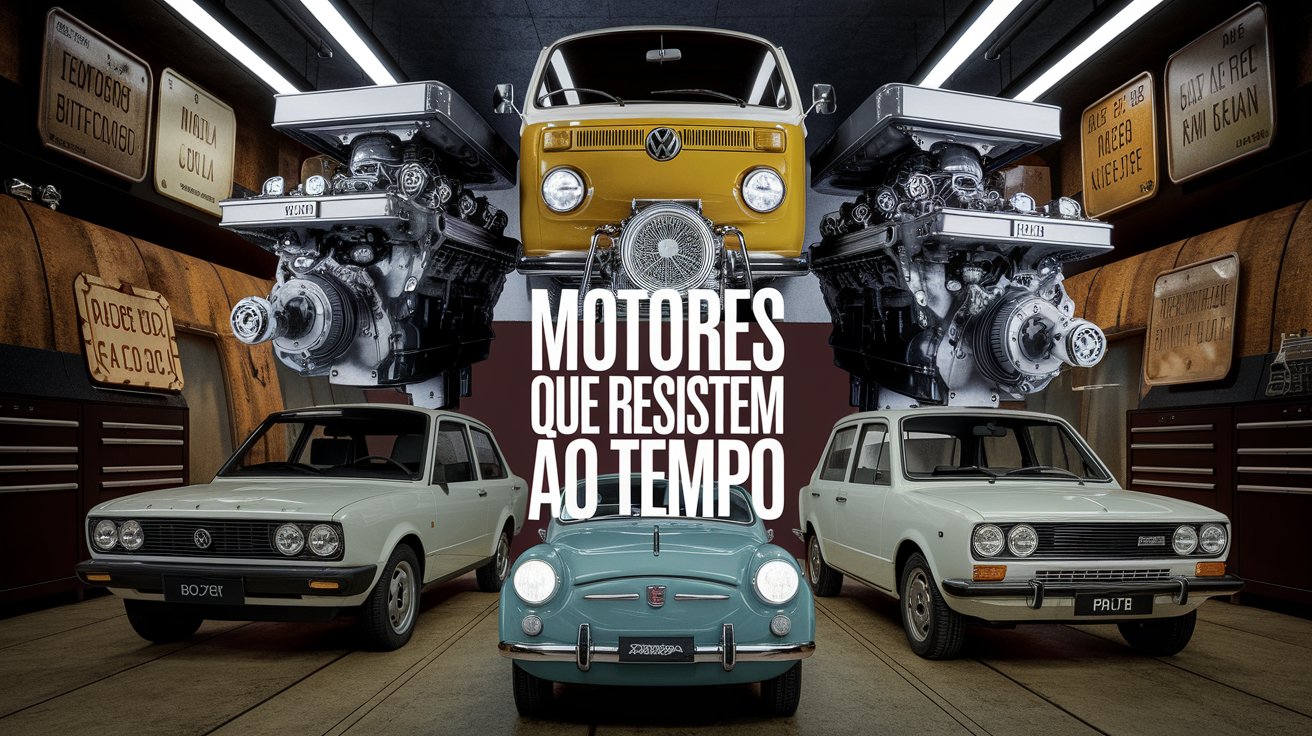


Some Engines Became Legends of the Brazilian Auto Industry, Enduring for Decades with Reliability and Efficiency. From Iconic Air-Cooled Models to Engines That Marked an Era, Discover the Engines That Crossed Generations and Remain in the Memory of Car Enthusiasts!
The Brazilian auto industry took its first steps toward consolidation in the 1950s, when then-president Juscelino Kubitschek launched an ambitious plan to encourage the production of national vehicles.
With the creation of the Executive Group of the Automotive Industry (Geia), the government negotiated directly with foreign manufacturers, offering tax incentives and requiring the progressive nationalization of vehicles.
This strategy paved the way for the arrival of major automakers and the development of a solid industry that, over the decades, saw iconic engines emerge and perpetuate.
-
China Develops Custom 140-Ton Electric Mining Truck with 770 kWh Swappable Battery, Deploys 290 Units in Xinjiang’s Largest Zinc Mine

-
Meta to Launch Arena, a New Prediction App Targeting 3.56 Billion Users, Competing with Polymarket and Kalshi

-
Scientist Challenges Famous Human Evolution Theory, Argues Homo Sapiens Evolved Gradually Over Thousands of Years
-
How to Prevent Brown Recluse Spider Bites: Common Hiding Spots and Free Tips to Reduce Risks




Since then, some engines have earned a special place in the country’s automotive history, whether for durability, reliability, or their immense acceptance among consumers and manufacturers.
Many of these engines remained in production for decades, crossing different generations of vehicles and becoming true symbols of resilience and mechanical efficiency.
Next, based on a survey conducted by the portal Auto Entusiastas, check out some of the engines that have stood the test of time and continue to be remembered with respect in the automotive industry.
Fiat Fiasa – 37 Years of Production
Launched in 1976, the Fiat Fiasa engine was one of the key factors in popularizing the Italian brand in Brazil.
Equipping iconic models such as the 147, Uno, Premio, and Elba, this four-cylinder engine stood out for its robustness and fuel efficiency.
It was the first national engine to use overhead camshafts, a significant advancement for its time.
Interestingly, the Fiat 147 was the first Brazilian car to run on ethanol, a milestone in national automotive engineering.
This innovation helped consolidate the use of alternative fuel in the country. The Fiasa remained in production until 2003, when it was replaced by the more modern and efficient Fire engine.
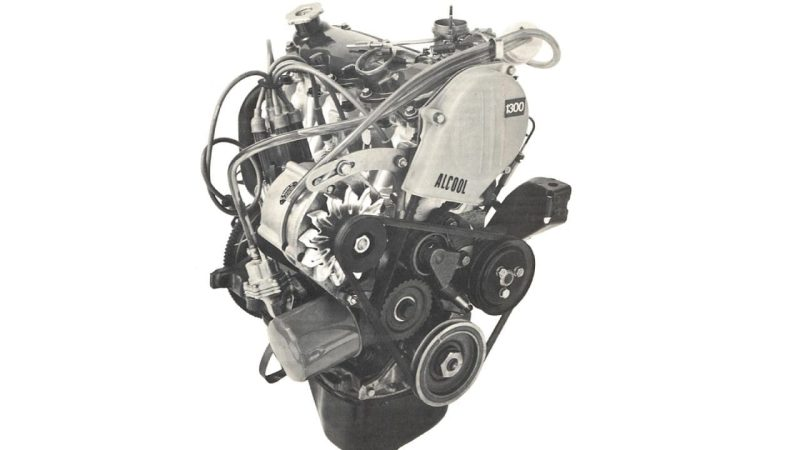
VW EA 827 – 38 Years of History
The Volkswagen EA 827 began its journey in Brazil in 1974, initially used in the Passat.
Over the years, this four-cylinder engine, derived from a German design, became one of the foundations of the Volkswagen line and was widely adopted by models such as the Gol, Parati, Santana, and Quantum.
The great advantage of the EA 827 was its versatility, allowing for various configurations of power and displacement, which ensured its longevity.
It remained in production for an impressive 38 years, until 2012, when it was gradually replaced by engines from the EA111 and EA211 families.
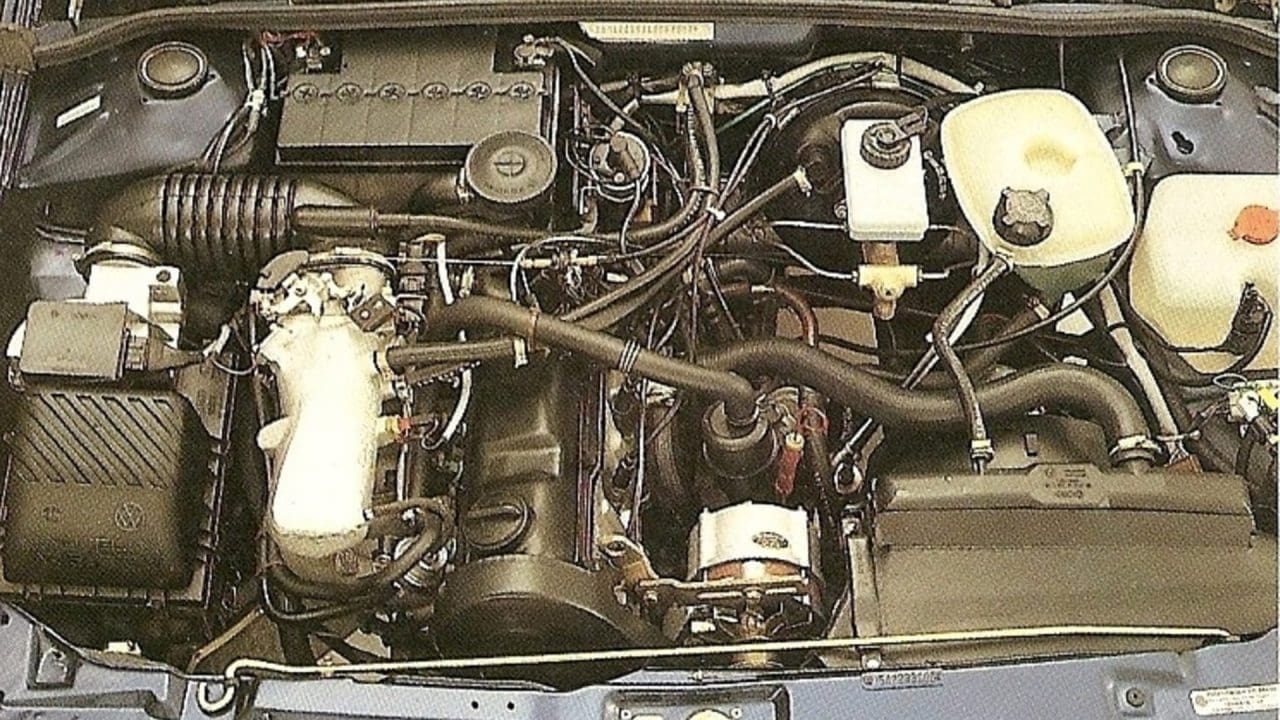
Renault Cléon-Fonte – 28 Years of Service
Another engine that made history in Brazil was the Renault Cléon-Fonte, originally developed in France in the 1960s.
It arrived in the country in the 1970s, equipping Willys-Overland models and later Renault models, such as the Gordini and the Corcel (the latter, already under the Ford brand).
The Cléon-Fonte was also notable in the Renault 19 and Clio, where it was modernized over the years to meet new performance and emission requirements.
It was produced in Brazil for 28 years, remaining available until the early 2000s.
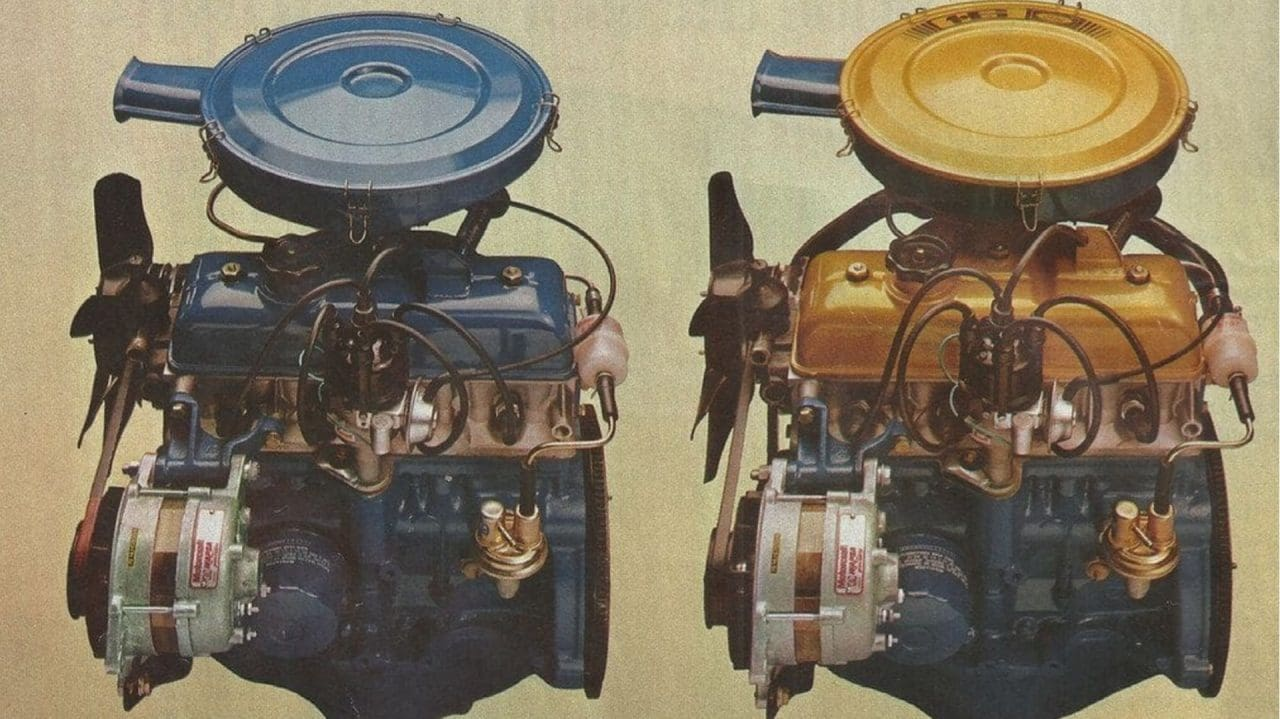
GM Familia I and II – 43 Years of Evolution
General Motors brought to Brazil, in the early 1980s, the Familia I and II engine line, which became one of the brand’s biggest successes in the country.
These engines powered models such as the Chevette, Monza, Kadett, Astra, Corsa, and Vectra, establishing themselves as synonymous with reliability.
Among this family, one of the highlights was the 2.0 MPFI engine, widely used in the Monza and Kadett GSi, delivering excellent performance for its time.
The Familia I and II engines remained in production until 2023, totaling 43 years in Brazil.
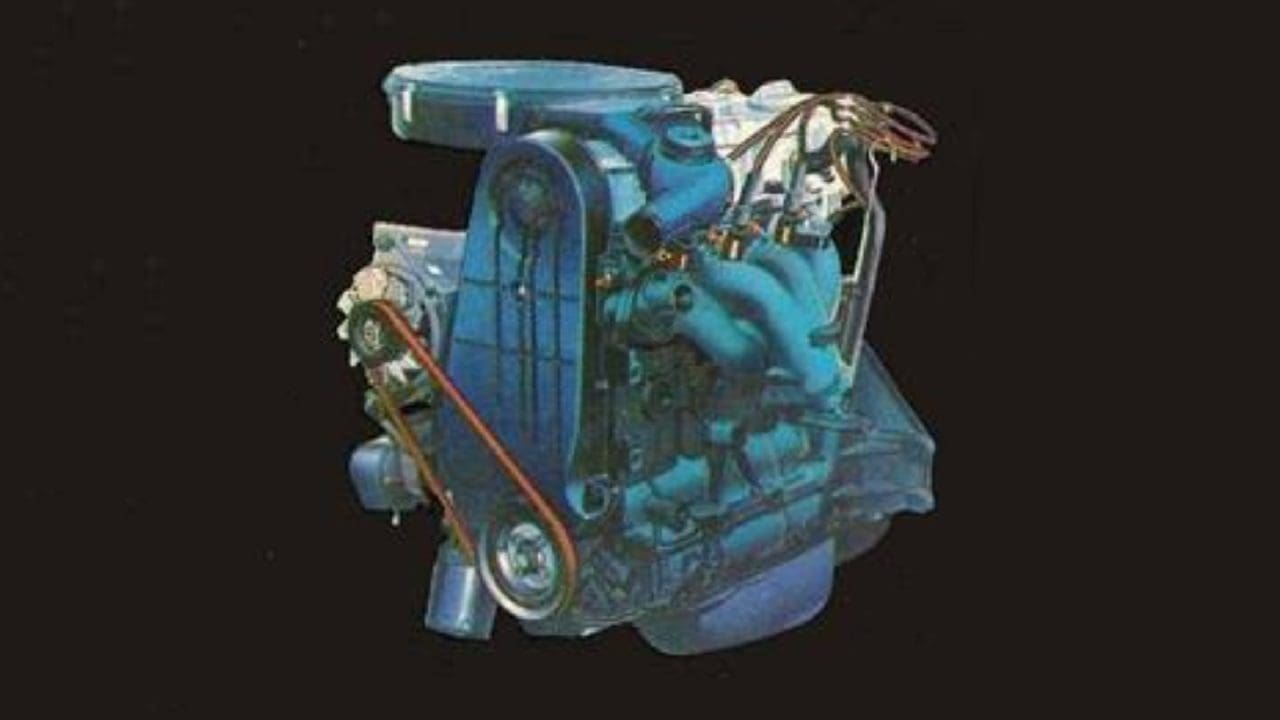
VW Boxer – 55 Years of Resilience
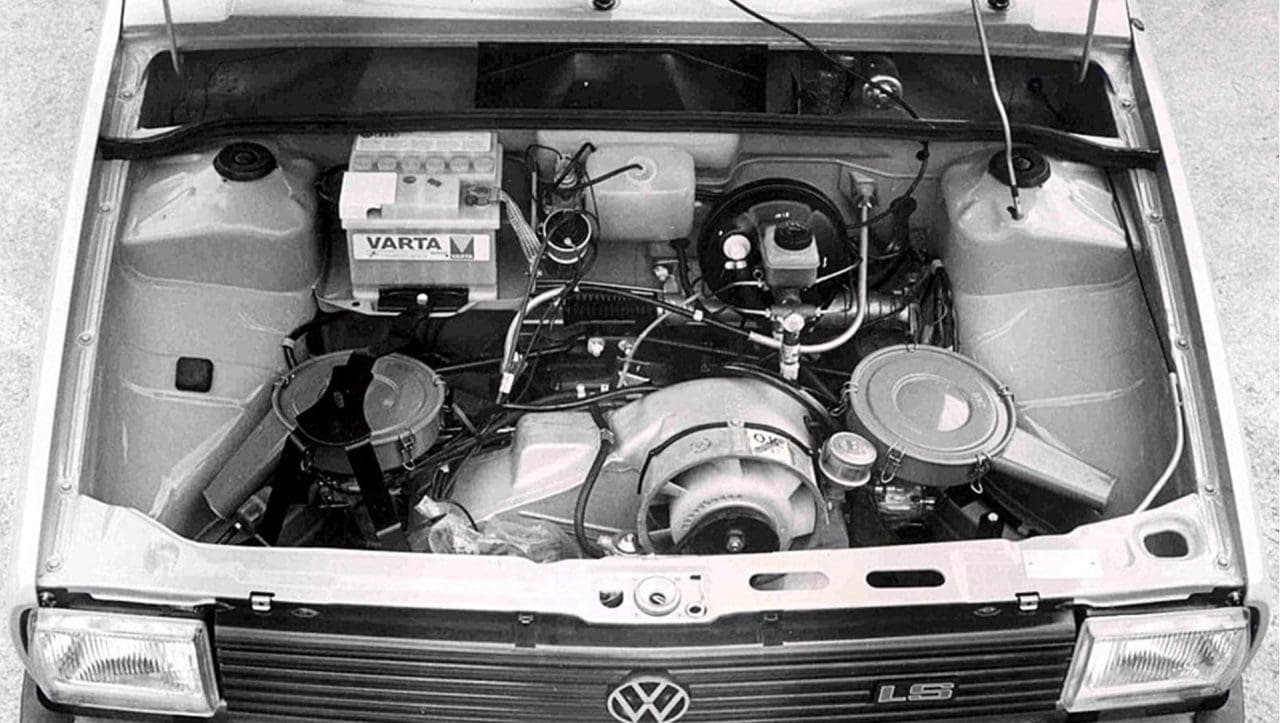
No engine produced in Brazil has had a journey as long as the legendary Volkswagen Boxer, which was in production for an impressive 55 years.
Initially launched in the Beetle, this air-cooled engine also equipped iconic vehicles such as the Kombi, Brasília, and Variant.
The boxer engine became known for its extreme durability and mechanical simplicity, being widely used until 2005, when Volkswagen ended production of the Kombi with this engine.
Even so, to this day, it is revered by enthusiasts and continues to run in countless vehicles across the country.
The history of the Brazilian automotive industry is marked by the longevity of engines that challenged time and became references in durability and efficiency.
These engines helped establish brands in the national market and still live on in the memory of car enthusiasts.
Whether for their robustness, innovation, or historical significance, these engines left an undeniable legacy and continue to evoke nostalgia among automotive mechanics enthusiasts.



