






 Portuguese
  Spanish
 3 min of reading
  0 comments


Project Is Part of Statkraft’s First Hybrid Complex in the Country, Combining Solar and Wind Energy in Bahia; Expectation Is to Supply Up to 1 Million People with Clean Energy.
Statkraft, the Norwegian state-owned company and global leader in renewable energy, has just announced a significant step towards expanding its operations in Brazil. The company has formed a partnership with the Chinese Sungrow, a reference in solar energy technology, for the supply of photovoltaic inverters that will be used in the construction of Statkraft’s first solar plants in the country.
The investment is part of the Morro do Cruzeiro Complex, located in Bahia, and will be responsible for transforming the site into the company’s first hybrid complex in Brazilian territory.
Morro do Cruzeiro Complex Becomes a Reference in Hybridization
With the installation of 711 string inverters of the SG350HX model, developed by Sungrow for large-scale projects, Statkraft aims to integrate solar generation into the wind farm that has been operating at the site for over 12 years.
-
Brazilian scientists are simultaneously advancing two research projects on clean hydrogen and driving solutions that could transform the energy matrix, enhance industrial competitiveness, and accelerate large-scale emission reduction targets.

-
Advancement in renewable energy: A R$ 150 million project launched by Petrobras and Finep aims to create state-of-the-art electrolyzers for green hydrogen, strengthening national research and preparing Brazil to compete in a billion-dollar energy market.
-
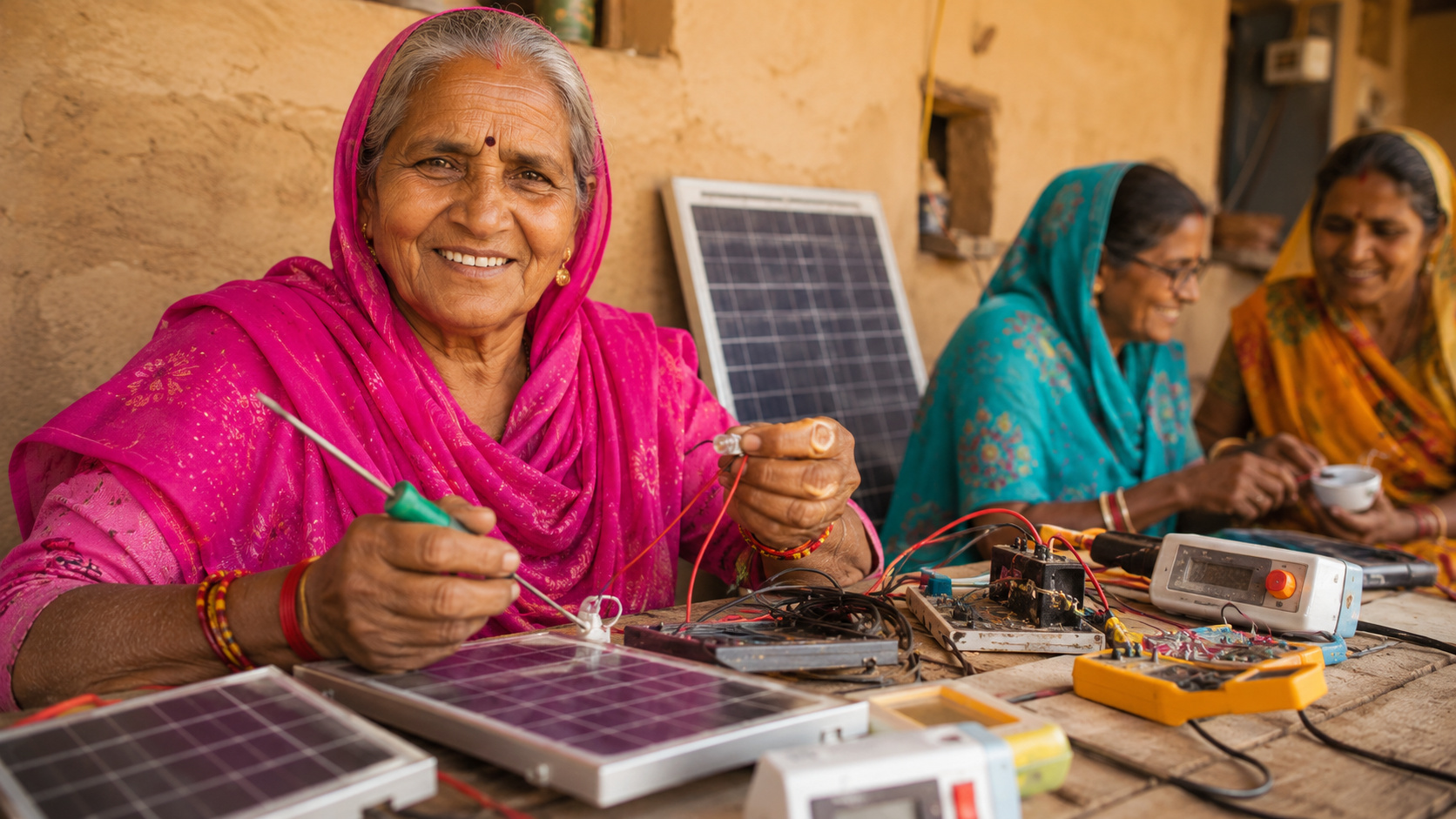
Illiterate or semi-literate grandmothers were trained to repair solar systems, open rural workshops, and light up homes that still depended on kerosene.
-
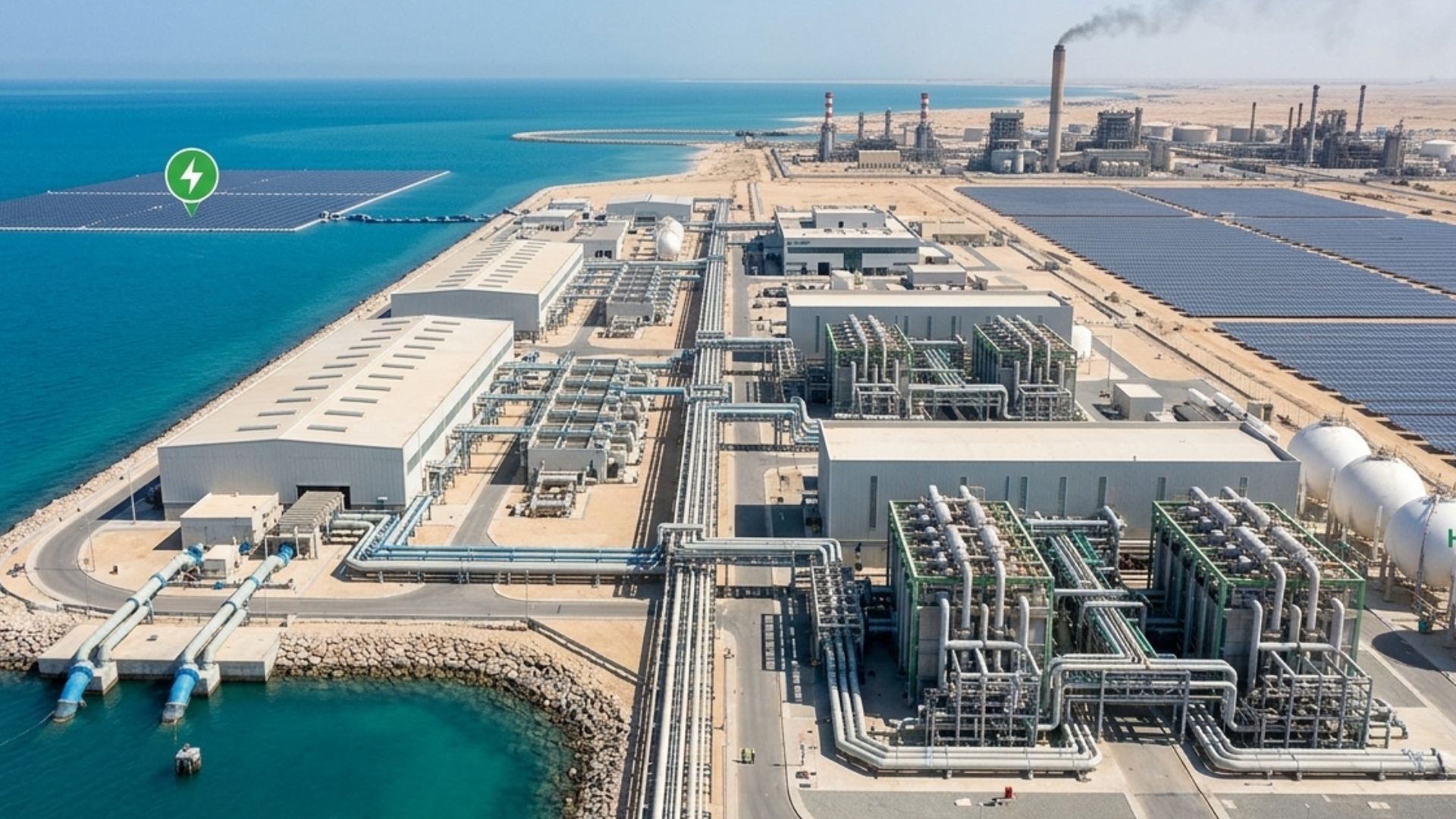
The world has bet on green hydrogen as the fuel of the future, but now faces the side effect: producing 1 kilogram requires about 9 liters of ultrapure water, and the largest projects on the planet are precisely in the driest regions of the Earth, where water is already scarce for people.



The initiative reinforces the company’s commitment to the energy transition and promises to supply about 1 million people with clean and sustainable energy.
The new solar plants will have an installed capacity of 268 MWp, adding to the current 386 GWh of annual generation from the wind farm, which is already enough to supply more than 190,000 homes.
With the introduction of solar energy, the complex will have its capacity expanded and will directly contribute to the reduction of carbon emissions, aligning with global environmental goals.
Statkraft and Sungrow emphasized to Canal Solar that the partnership symbolizes a growing trend of hybridization of renewable plants in Brazil, reinforcing the country’s strategic role in the international clean energy scenario.
Sungrow Will Provide Cutting-Edge Technology for Statkraft
The equipment selected for the project, the SG350HX, is one of the most modern from Sungrow and was specifically designed for large-scale solar plants and commercial installations.
The adoption of this technology ensures greater efficiency in solar energy conversion, as well as reliability and durability for operations in demanding environments.
Brazil Gains Relevance in Statkraft’s Global Investments
The project in Bahia is part of Statkraft’s expansion plan in Brazil, a country that stands out as one of the company’s main strategic markets.
Present in Brazil since 2009, Statkraft began its renewable energy generation operations in 2012. With a national headquarters in Florianópolis (SC) and commercial offices in Rio de Janeiro (RJ) and São Paulo (SP), the company currently has 40 generation assets distributed across the South, Southeast, and Northeast regions, totaling 2.2 GW of installed capacity.
Globally, Statkraft plans to invest around US$ 1.2 billion per year until 2025, part of which will be allocated to the Brazilian market, reaffirming its commitment to expanding clean and sustainable energy in the country.
Source: Canal Solar



Be the first to react!