






 Portuguese
  Spanish
  3 min of reading
  1 comment


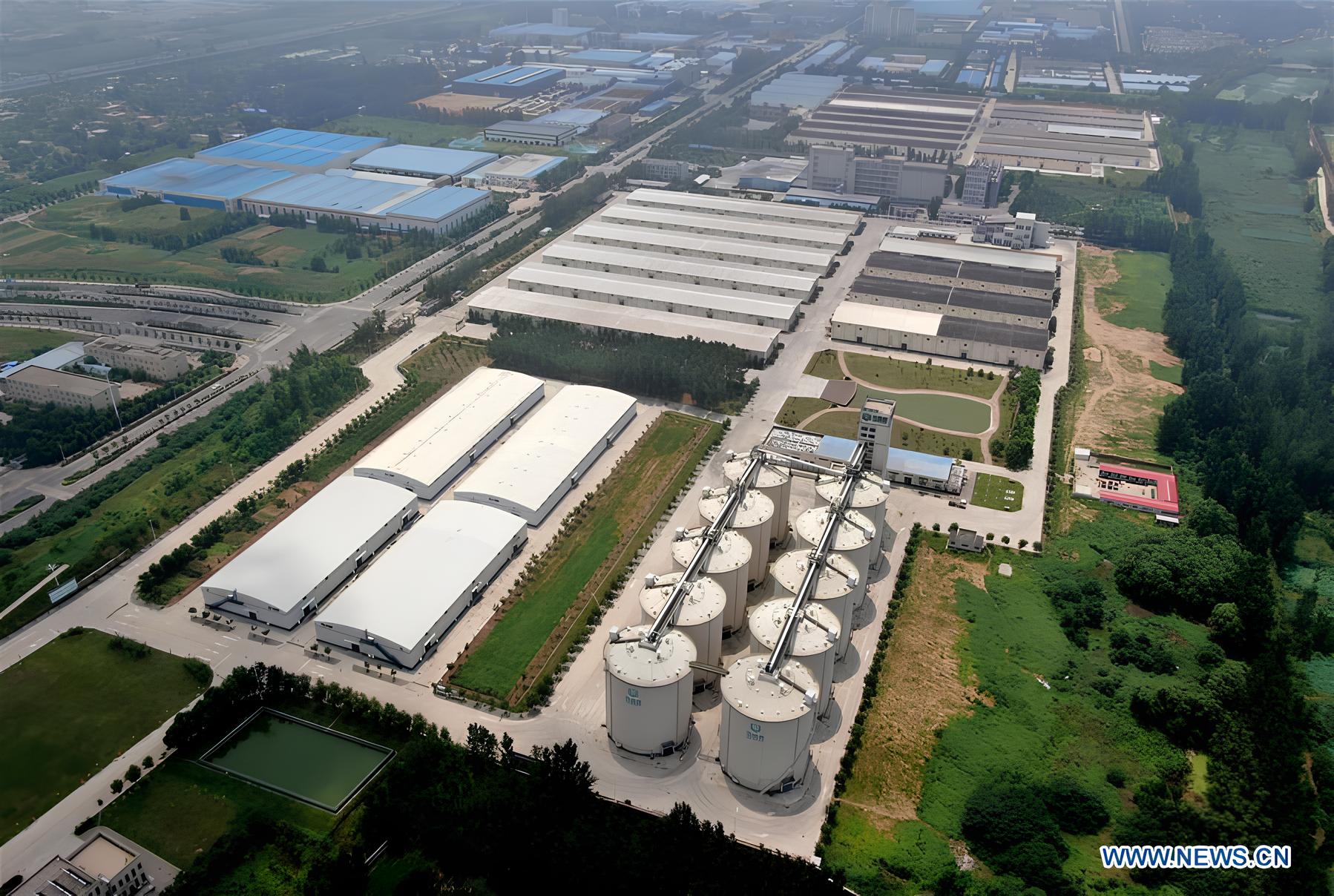


China Built The World’s Largest Grain Storage System, Featuring Giant Silos, Automated Climate Control, And Capacity For Tens Of Millions Of Tons.
Behind China’s ability to feed over 1.4 billion people lies a little-known infrastructure outside technical circles: the China National Grain Storage Program, the largest and most complex grain storage system ever implemented on a national scale. Unlike isolated silos scattered across the territory, the Chinese program operates as an integrated network of mega warehouses, designed to store grains for long periods without significant losses, allowing the state to regulate prices, face climate crises, trade conflicts, and global logistical disruptions.
Silos The Size Of Buildings And Extreme Industrial Capacity
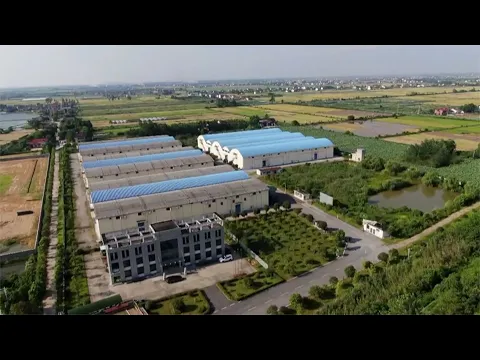
The facilities of the China National Grain Storage Program include vertical silos that exceed 50 meters in height, comparable to residential buildings of 15 to 18 stories. Each unit is designed to store tens or hundreds of thousands of tons of grains, depending on the type of crop and the structural arrangement.
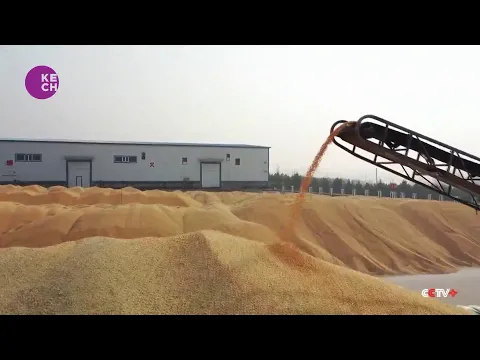

Combined, these centers achieve total capacity of tens of millions of tons, forming the largest volume of grains stored under state control ever recorded.
-
After working as a waiter for ten years, he borrowed R$ 500 from his brother, created 40-minute lines with an açaí cart on the street, and today runs a farm with 600,000 trees in Pará and a network worth R$ 45 million.

-
A Brazilian inventor converts a regular motorcycle into an agricultural tricycle with a sprayer, dump body, and mobile workshop with a generator to assist small rural producers without a tractor.
-
The $9.9 trillion agriculture that feeds the 2026 World Cup with hamburgers in Dallas, tacos in Mexico, poutine in Canada, and food for 7 million fans

-
While almost everyone depends on the supermarket, Ângelo, 36, and his aunt Inês, 75, go to the market only to buy salt, coffee, and cleaning products; everything else comes from their own land in Casca, Rio Grande do Sul.


In many cases, these complexes occupy areas equivalent to entire neighborhoods, with dozens of silos interconnected by conveyors, tunnels, and automated loading and unloading systems.
Automated Climate Control To Prevent Billion-Dollar Losses
Storing grains in such extreme volumes requires much more than concrete and steel. The technical distinction of the program lies in the automated climate control systems, which regulate temperature, humidity, and ventilation in real-time.
Sensors distributed throughout the structure monitor internal conditions 24 hours a day, reducing risks of mold, fermentation, pest infestation, and nutritional degradation.
This level of control allows grains like corn, rice, and wheat to be stored for extended periods with minimal losses, something unfeasible in conventional silos.
An Infrastructure Designed For Crises, Not Just For Harvests
The China National Grain Storage Program was not created solely to store agricultural surpluses. It is a central part of China’s national security strategy.
In a scenario of trade tensions, logistical blockages, or global crop failures, the country can maintain stable internal supply for long periods.
This capacity reduces immediate reliance on the international market and gives the government leeway to intervene in prices, import grains at strategic moments, or simply absorb external shocks without direct impact on the population.
Integrated Logistics From The Field To The Giant Silo
The mega silos do not operate in isolation. They are connected to railways, waterways, highways, and ports, forming a continuous logistics chain that starts in the field and ends in urban consumption centers.
Grains harvested in strategic agricultural regions are quickly directed to storage centers, reducing post-harvest losses and allowing the product to be stored under ideal conditions before being redistributed according to national demand.
A Model That Redefines The Concept Of Agricultural Storage
While many countries treat storage as a secondary stage of the production chain, China has transformed this link into strategic infrastructure of monumental scale.
The result is a system that not only stores grains but stabilizes markets, protects the population, and supports economic growth.
Few projects in the world demonstrate so clearly how engineering, logistics, and agricultural policy can be integrated to create a lasting structural advantage.
The Largest Physical Stockpile Of Food Ever Controlled By A State
With silos rising like skyscrapers, volumes reaching tens of millions of tons, and cutting-edge environmental control technology, the China National Grain Storage Program has established itself as the largest grain storage system on the planet.
More than just concrete and steel, it represents the physical manifestation of a strategic decision: to ensure enough food, in any scenario, for the largest population in the world.






Até quando a terra vai produzir tantos alimentos para uma população mundial sempre em ordem crescente?