





 Portuguese
  English
  Spanish
  4 min of reading
  1 comment


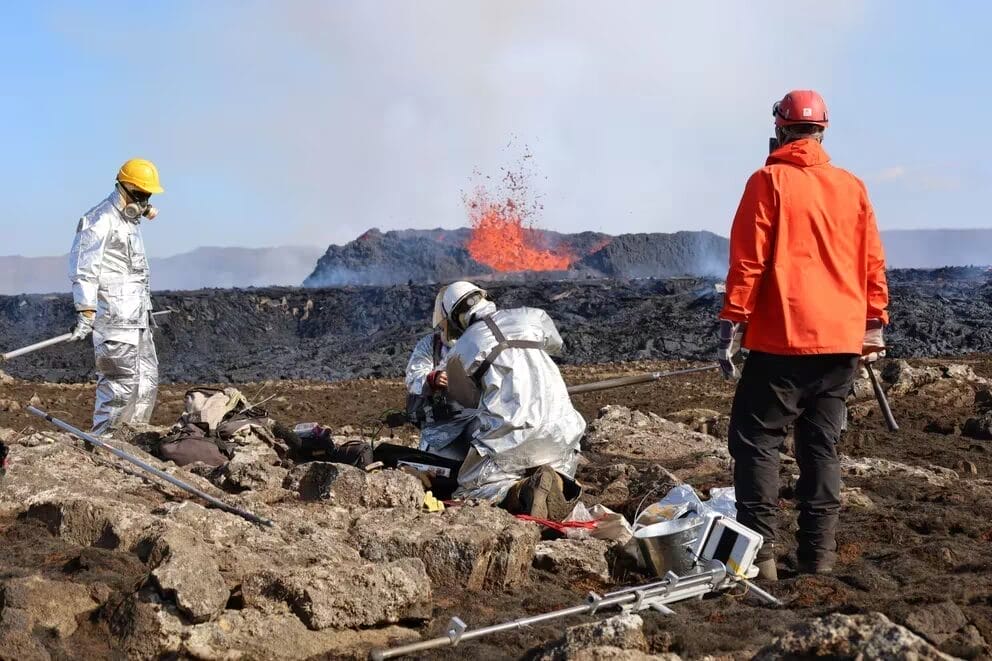

Despite The Economic And Environmental Benefits, The Use Of Geothermal Energy Presents Challenges Such As Toxic Leaks In Water And Concerns About Visual Impact
Iceland has emerged as a global model in renewable energy production. Approximately 85% of the energy consumed in this country comes from renewable sources, the highest percentage in the world. This island nation, with about 400,000 inhabitants, generates its electricity mainly through geothermal and hydropower. A total of 73% of electricity comes from hydropower plants, while 26.8% comes from geothermal energy. These figures reflect an almost self-sufficient energy model, in contrast to other countries that still largely depend on fossil fuels.
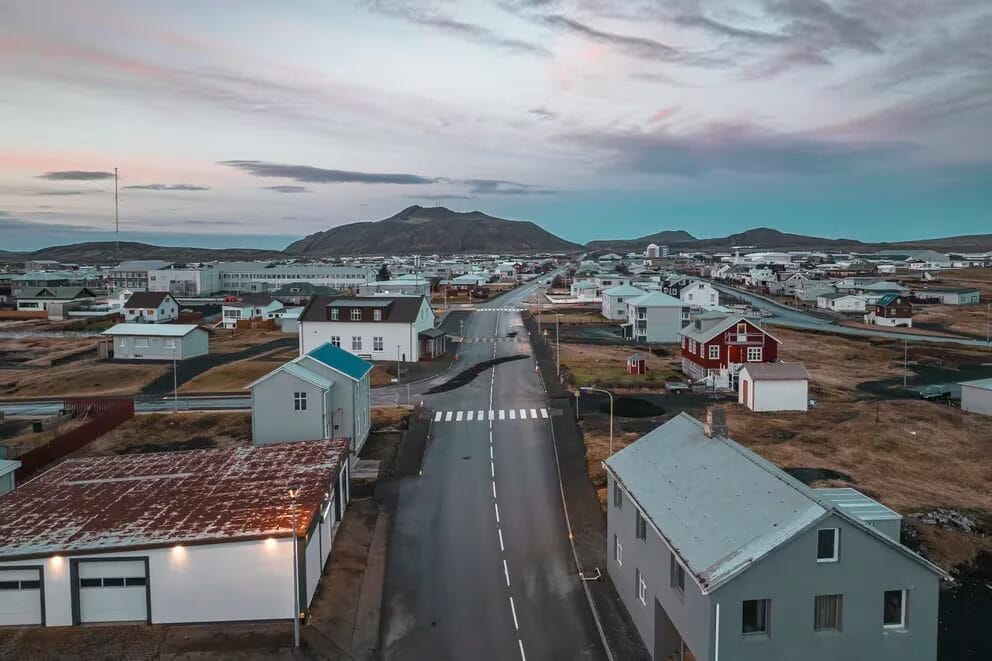
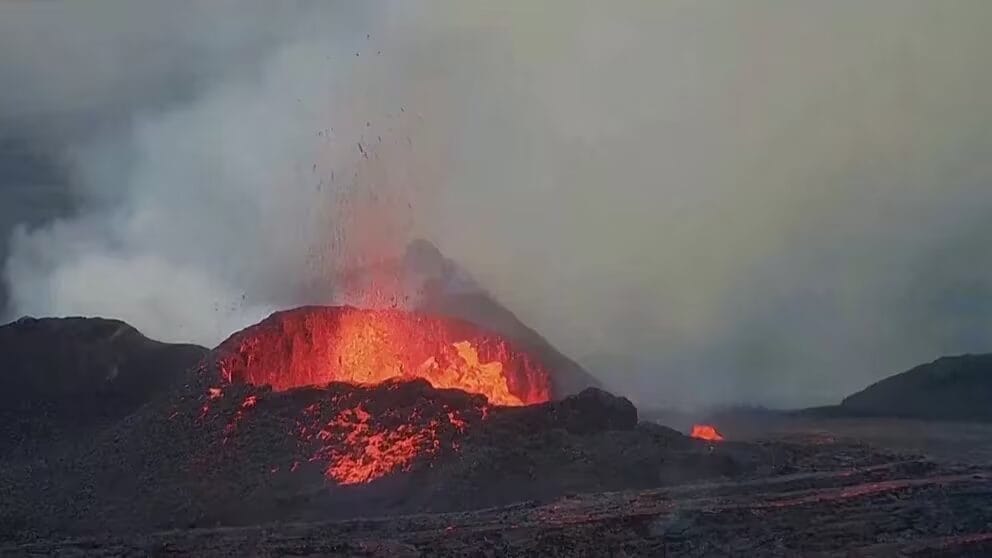
The key to Iceland’s success lies not only in the availability of natural resources, but also in the efficient exploration of its unique volcanic geology. Iceland has about 130 volcanoes, many of which are active, providing an endless source of geothermal energy. This resource has helped transform the country’s economy from a poor, coal-dependent society to one with a high standard of living. Nowadays, 90% of homes are heated with geothermal water, eliminating the need to use fossil fuels for this purpose.
What Are The Advantages Of Geothermal Energy Compared To Conventional
Geothermal energy is not only sustainable but also economically viable and has a low environmental impact. Recent drillings in Iceland have reached depths of up to 4,500 meters, which could reduce the surface area needed for extraction and minimize visual impact on the landscape. Furthermore, the waste generated is minimal compared to other energy sources, such as oil and coal.
-
What seemed impossible has been confirmed by researchers from Germany: fish sleep in ways very different from humans and use mechanisms developed over millions of years to conserve energy and increase their chances of survival.

-
Yeast used in bread, beer, and pizza becomes biomaterial for architecture and surprises by forming lightweight pieces, molded in 3D printers and dried without high energy consumption heating.

-
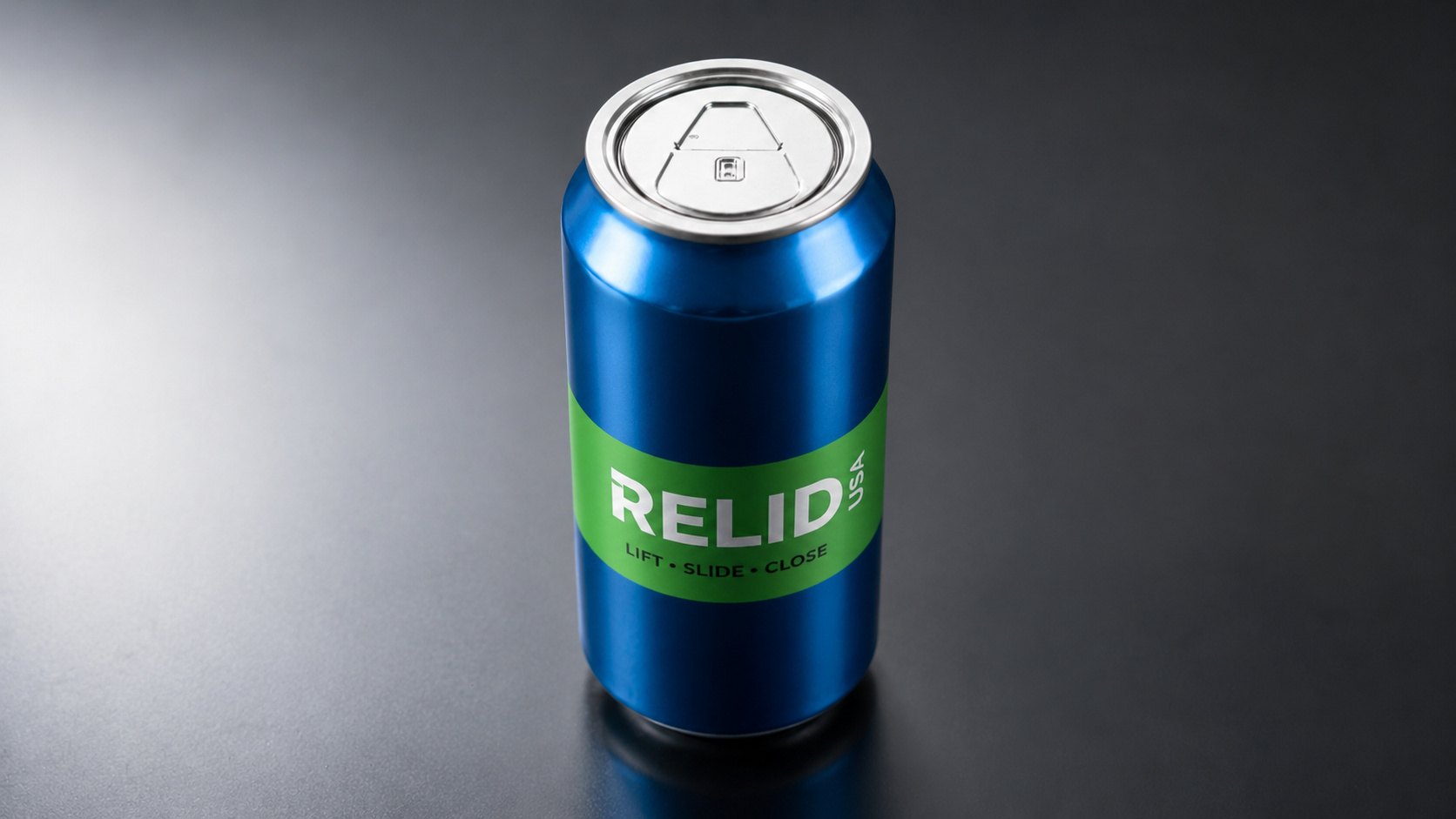
A simple yet impactful innovation can change the global beverage sector: the aluminum can from ReLid USA that opens and closes bets on the circular economy, reduces waste, and offers a sustainable alternative to conventional plastic packaging.
-
Surprising the global technology market, SpaceX closes a $30 billion deal with Google in June 2026 and strengthens the race for advanced digital infrastructure, expanding the integration between space connectivity, artificial intelligence, and strategic services.



The Icelandic approach has also attracted investors interested in reducing the carbon footprint of large energy-consuming plants, such as aluminum smelting furnaces and data centers. This trend is reinforced by a favorable business environment and government policies aimed at reducing dependence on fossil fuels. Infrastructure for electric vehicles is rapidly expanding, with charging stations available throughout the ring road.
Landsvirkjun, the state-owned electric company in Iceland, is one of the largest producers of renewable energy in the world and plays a crucial role in hydropower generation, which accounts for 20% of the country’s energy mix. This diversified approach has allowed Iceland to be a leader not only in geothermal energy but also in hydropower, creating a replicable model for other countries with suitable natural resources.
The geothermal plants in Iceland are also a tourist attraction. Visitor centers at these facilities allow for an up-close look at the process of transforming hydrothermal and geothermal energy into electricity. These interactive exhibits are both educational and entertaining, showcasing the application of modern technologies in energy generation.
What Are The Dangers Of This Energy Plan
Geothermal energy has stood out as a promising alternative in the realm of renewable energy. However, its environmental impacts and technical limitations present significant challenges. One of the main environmental concerns is the emission of hydrogen sulfide and CO2. Although these emissions are relatively small compared to the energy supply they provide, they remain a challenge in terms of sustainability.
Another major danger is the potential contamination of nearby groundwater. During the process of extracting heat from the ground, there is a risk that toxic substances such as arsenic or ammonia may seep into water sources. This issue has been documented in multiple geothermal feasibility studies.
Additionally, the infrastructure needed for the exploration of geothermal resources has a significant visual impact on the landscape. Drilling towers, pipelines, and industrial facilities significantly alter the natural environment.
The challenge for Iceland lies in the transportation sector, where fossil fuels are still used despite advancements in electric vehicle charging infrastructure. Fishing boats have achieved a 43% reduction in pollution since 1990, thanks to improvements in efficiency and the electrification of seafood production.
The Icelandic experience provides valuable lessons for countries seeking to reduce their dependence on fossil fuels and increase their use of renewable energies. Following this model, each nation should assess its available natural resources and optimize the use of renewable technologies that best suit its geographical and climatic conditions.
Iceland remains a benchmark in sustainable energy production, making the most of its geothermal and hydropower resources to satisfy 99% of its electricity consumption. Government policies and the will of the population have turned this small Nordic nation into a global leader in clean energy, paving the way for a more sustainable energy future.


Muito interessante, um exemplo de adaptação e eficiência.