Portuguese
  Spanish


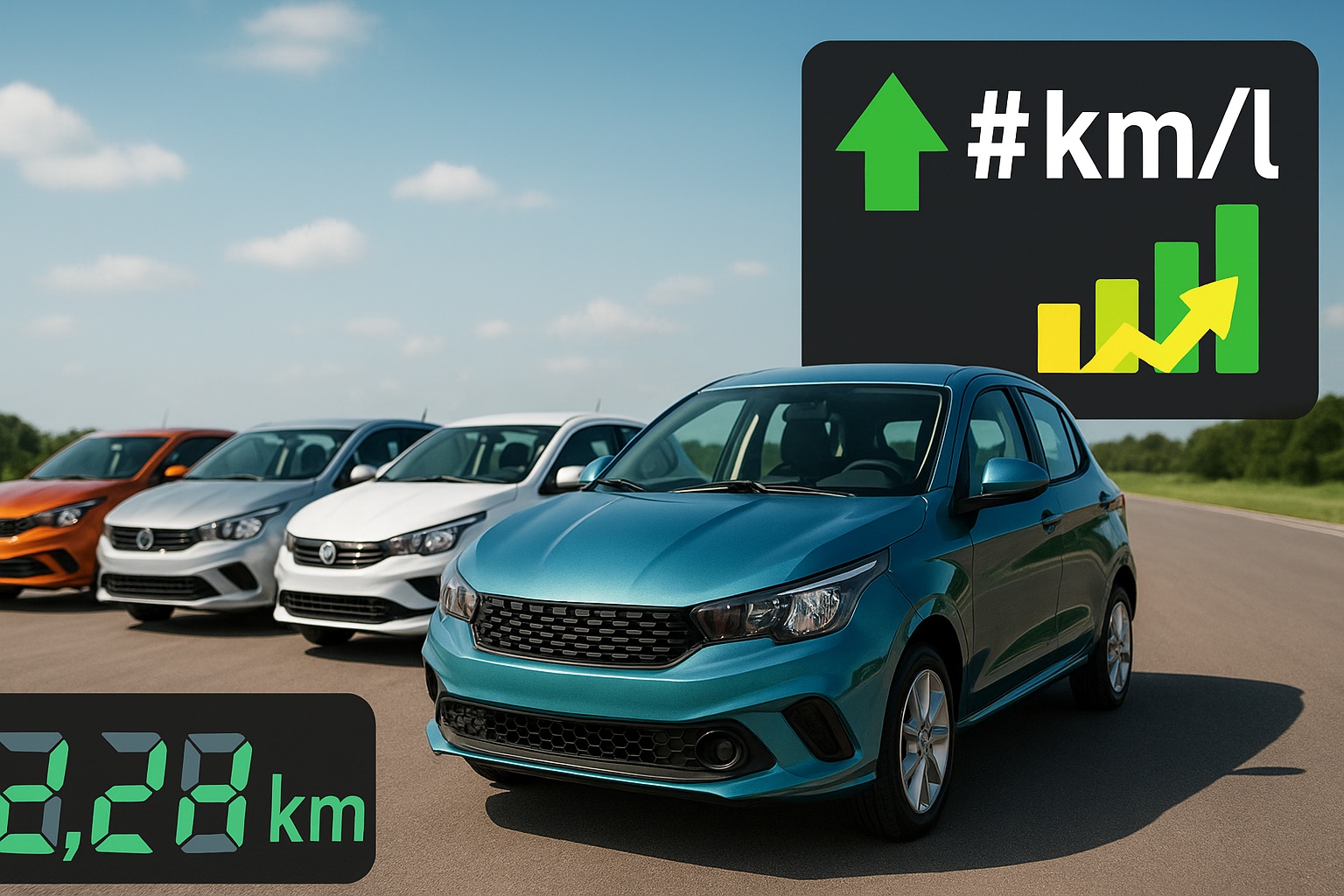


Inmetro 2025 Ranking Reveals the 5 Most Fuel-Efficient Cars in Brazil. Hybrid Corolla Reaches 18.5 km/l and Onix Plus Leads on the Road with 17.4 km/l.
With gasoline prices around R$ 6.00 and ethanol also becoming more expensive at gas stations, it has never been more important to choose a car that offers energy efficiency. Fuel economy has stopped being just an advantage and has become a decisive factor in the purchase, especially for families and drivers who use the car daily for work. The most fuel-efficient cars in Brazil are here in this list!
The Inmetro, through the Brazilian Vehicle Labeling Program (PBEV), has released the updated 2025 ranking of the most fuel-efficient cars sold in the country. The data reveals that both hybrid technology and well-tuned combustion engines can guarantee impressive numbers.
Among the highlights, a model appears that exceeds 18 km/l on the road and already occupies the sales lead, showing that efficiency and popularity can go hand in hand.
-
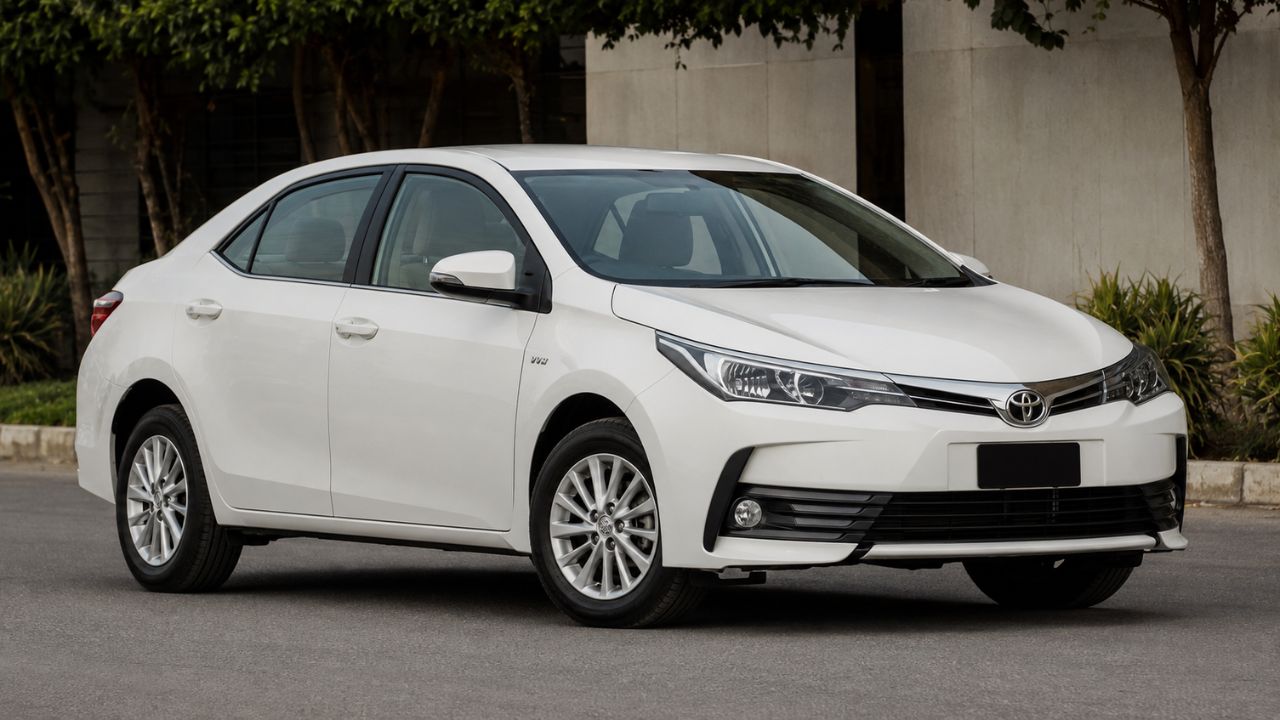
Toyota Corolla GLi Upper 2019: Affordable Sedan with Spacious Trunk, 1.8 Flex Engine, CVT Automatic, and Seven Airbags Offers Comfort and Safety

-
Hyundai Elantra 2026 Returns with AI, Digital Cabin, and i20-Inspired Design Transformation

-
Jeep Avenger 2027 Unveiled with Hybrid Engine, New Technology, and Estimated Price for Brazilian Market
-
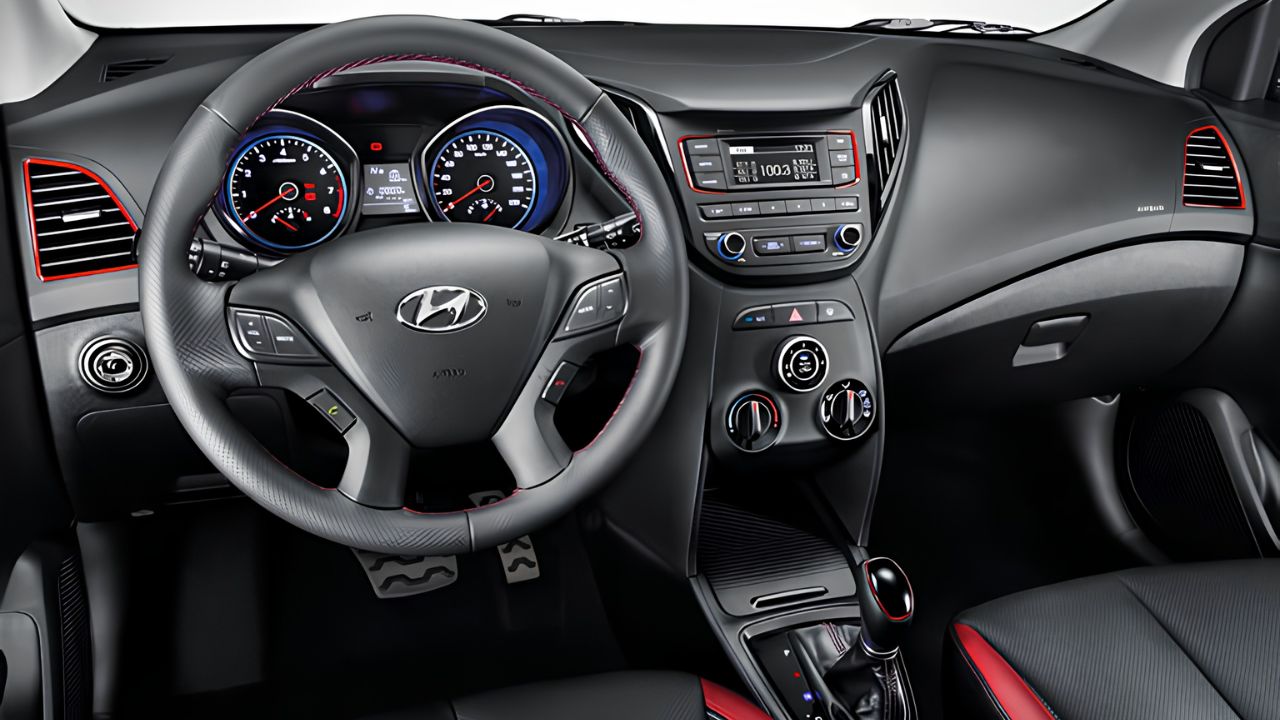
Hyundai HB20 R spec and Sport: Affordable Hatchbacks with Sporty Design and Performance Starting at $11,000


How Inmetro Measures Car Consumption in Brazil
Inmetro uses a standardized methodology that considers:
- City Consumption (Urban Cycle) and Highway Consumption (Road Cycle), both with gasoline and ethanol.
- Conversion of results to km/l and energy efficiency (MJ/km).
- Attribution of ratings ranging from A (most efficient) to E (least efficient).
This ranking is important because it serves as an official guide for consumers who want to compare not only purchase prices but especially maintenance costs and long-term use.
Toyota Corolla Hybrid Flex — The Absolute Leader in Efficiency
The first place remains with the Toyota Corolla Hybrid Flex, which continues to be a global reference in economy. According to Inmetro, it achieves 18.5 km/l in the city and 15.7 km/l on the highway with gasoline, figures that are significantly higher than the average of conventional cars.
This performance is the result of the hybrid system, which combines a combustion engine with electric propulsion, especially efficient in urban segments. In addition to saving fuel, the hybrid Corolla delivers low emissions of pollutants, a factor that keeps it among the preferred options for consumers who think about the future of mobility.
Toyota Corolla Cross Hybrid — Efficient SUV That Challenges Competitors
The second place goes to the Toyota Corolla Cross Hybrid, which also impresses with 17.7 km/l in the city and 14.6 km/l on the highway. The model stands out for being an SUV — a category that typically has higher consumption — but thanks to hybrid technology, it can directly compete with sedans and compacts in efficiency.
This result demonstrates Toyota’s strength in the segment, which has been consolidating its leadership in electrification and securing space in both the urban market and among families looking for more affordable SUVs.
Chevrolet Onix Plus 1.0 Turbo — The Popular Sedan That Surprises
Among 100% combustion cars, the Chevrolet Onix Plus in the 1.0 turbo version stands out as a champion in highway consumption. According to Inmetro, it records 13.9 km/l in the city and an impressive 17.4 km/l on the highway with gasoline.
This performance explains why the Onix Plus remains one of the best-selling models in Brazil. It combines efficiency with connectivity, good interior space, and competitive maintenance costs, attracting app drivers and families that drive a lot.
Chevrolet Onix 1.0 Turbo — The Hatch That Combines Performance and Economy
The fourth position features the Chevrolet Onix Hatch, also equipped with the 1.0 turbo engine. Its average consumption is 13.8 km/l in the city and 16.9 km/l on the highway, demonstrating that General Motors got it right by balancing performance and efficiency in one package.
The model also leads in sales, and the good consumption results help consolidate its position as one of the most desired cars by Brazilians.
Renault Kwid 1.0 Flex — The Affordable Compact That Delivers Good Numbers
Closing the ranking, the Renault Kwid appears as the most affordable option among popular cars. With a 1.0 engine, it reaches 15.3 km/l in the city and 15.7 km/l on the highway, ensuring savings within the proposal of being an urban vehicle with low maintenance costs.
The Kwid remains an entry option for those seeking an efficient and inexpensive vehicle to maintain, especially in large urban centers.
What These Numbers Mean in Practice
A car that runs 16 km/l on the highway can save up to R$ 500 per month on fuel, considering a driver who travels 2,000 km and fills up with gasoline at R$ 6.00. In a year, this difference can reach R$ 6,000, practically a 13th salary.
Therefore, choosing efficient models is not only an environmental issue but above all a smart financial investment.
Trends for the Coming Years
- Hybrids on the Rise: Models like Corolla and Corolla Cross show that electrification is already a reality in Brazil.
- Efficient Turbo Engines: Onix and Onix Plus prove that combustion cars still have plenty of room when well-designed.
- Low-Cost Compacts: The Kwid remains relevant for those seeking low initial prices and economical driving.
- Electric Cars: Although still expensive, they are expected to enter this ranking soon with advances in range and price drops.
The 2025 Inmetro ranking makes it clear that Brazilian consumers now have diverse options for fuel-efficient cars: from the most sophisticated hybrids to affordable popular models. In times of high fuel prices and economic instability, energy efficiency becomes as important as the design or power of the car.
Whether in the hybrid Corolla with nearly 19 km/l in the city, the Onix Plus with over 17 km/l on the highway, or the affordable Renault Kwid, the truth is one: those who choose wisely can drive more, spend less, and still ensure appreciation at resale.