Portuguese
  Spanish


Reuse of water in California transforms treated sewage into purified water for aquifer recharge, reduces pressure on underground reserves, hinders seawater advance, and shows why coastal cities need technology, energy, quality control, infrastructure, and planning before copying this model
A county in the United States maintains a system capable of transforming treated sewage into up to 492,000 m³ of water per day, equivalent to 130 million gallons per day. The purified water reinforces underground reserves and helps curb saltwater intrusion in areas near the sea.
The information was released by the Orange County Water District, a public agency that manages local groundwater. The project is located in Orange County, California, and is officially named the Groundwater Replenishment System.
In practice, water reuse gives a new purpose to already treated sewage. The material no longer goes solely for disposal and undergoes an extra cleaning before returning underground.
-
A $18 Trillion Treasure of Nickel, Cobalt, Copper, and Manganese Lies 4,000 Meters Deep in the Pacific Ocean, Poised to Transform Electric Cars, Batteries, Renewable Energy, and Global Industry

-
Stand-Up Paddle Outing Turns Dangerous as Man Steps on UK’s Only Venomous Snake, Ends Up Hospitalized with Severely Swollen Leg
-
Europe Sizzles: Intense Heatwave Disrupts Daily Life, Closes Schools, Strains Power Grids, and Raises Concerns Over Potential Deaths
-
Ohio Carpenter Finds 308-Gram Meteorite the Size of a Baseball After Dreaming of Its Location


The water leaves the sewage treatment and undergoes an extra cleaning
The water used by the system comes from sewage that has already been treated. Even after this stage, it does not immediately enter the underground reserve, as it needs to reach a higher level of cleanliness.
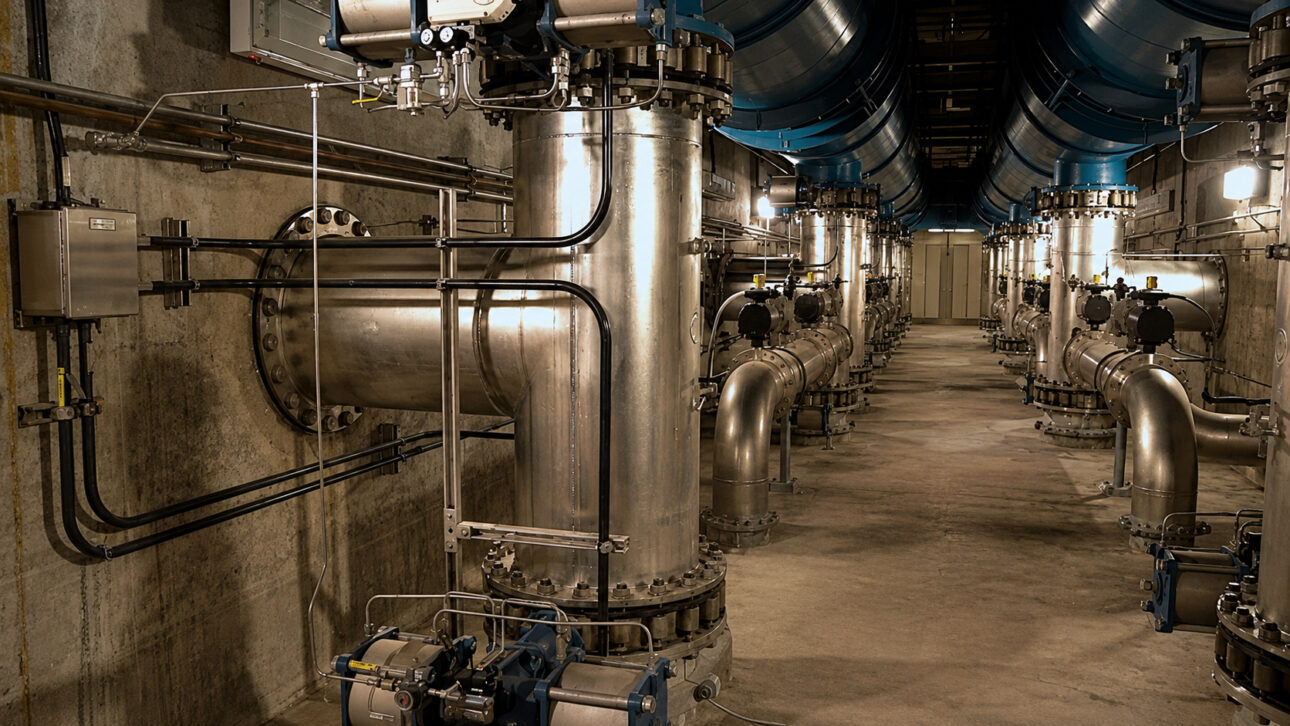
This new phase of purification prepares the water for aquifer recharge. An aquifer is an underground reserve that stores water between sand, rocks, and other soil materials.
The difference is important because water treated for recharge is not common waste. It enters a controlled process to reinforce the freshwater stored below the surface.
Filters, membranes, and light clean the water before aquifer recharge
The first step is microfiltration, which uses very fine filters to retain particles and microorganisms present in the water. This process reduces materials that should not proceed to the next phases.
Then comes reverse osmosis, a stage where the water passes through special membranes. They remove salts, dissolved compounds, and other very small elements that remain after the initial filtration.
Orange County Water District, the public agency that manages local groundwater, details that the purification sequence uses microfiltration, reverse osmosis, and ultraviolet light before delivering the purified water.
Purified water returns underground and strengthens the local reserve
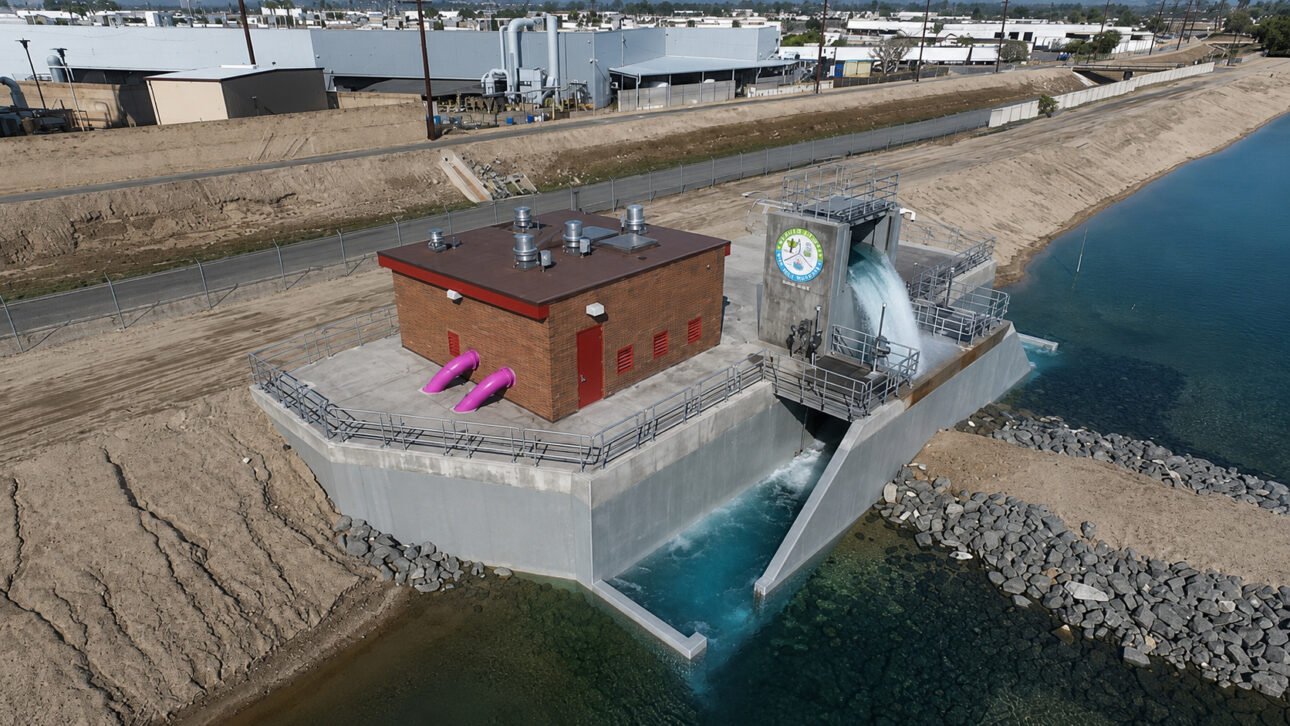
After purification, a portion of the water goes to injection wells. These wells carry the volume to areas below the ground and form a barrier that hinders seawater intrusion.
Another portion reaches infiltration basins, places where the water passes through sand and gravel before reaching deeper reserves. This path increases the amount of water available in the aquifer.
Subterranean recharge functions as a way to store clean water within the soil. Instead of relying solely on surface reservoirs, the region strengthens a hidden and important reserve for supply.
Saline intrusion occurs when seawater advances over freshwater
Saline intrusion happens when seawater reaches an underground freshwater reserve. The salt can compromise the water quality and hinder its use for supply.
In Orange County, the barrier formed with purified water helps protect the local aquifer. The goal is not to block the sea with a wall but to reinforce the presence of freshwater underground.
This detail changes the perspective on water reuse. The system not only acts in sewage treatment but also helps defend a reserve that may be under pressure from saltwater.
Industrial reuse, subterranean recharge, and tap water have different functions
In industrial reuse, treated water can be used in productive activities. In subterranean recharge, it returns to a reserve below the ground and strengthens the water available in the aquifer.
Direct consumption is another situation. In this case, treated water goes directly to supply people. Aquifer recharge does not represent the immediate delivery of treated water to the taps.
The Californian system works with aquifer recharge. The passage through the underground and the protection of the reserve are part of the logic used to keep fresh water available near the coast.
Brazilian cities near the sea can observe the model, but there is no quick solution
For Brazilian cities near the coast, the case opens up space to discuss water reuse and the protection of local sources. The technology can reduce pressure on water sources, such as rivers, reservoirs, and wells used for supply.
But this type of structure requires purification stations, energy, water transport, suitable locations for recharge, and continuous quality analysis. The model is not a cheap or immediate solution for any municipality.
It is also necessary to know the soil, underground reserves, and the situation of available water in each area. Planning, supervision, and safe treatment have the same weight as the machines used to clean the water.
Orange County shows that treated sewage can become a water source to reinforce underground reserves. The capacity of up to 492,000 m³ per day reveals the scale of a system focused on reuse, recharge, and protection against salt.
The experience also leaves a warning: reusing water requires permanent control and does not eliminate the need to take care of rivers, wells, reservoirs, and supply networks.
In your city, should the reuse of treated water come before new works to seek water far away? Comment and share.