






 Portuguese
  Spanish


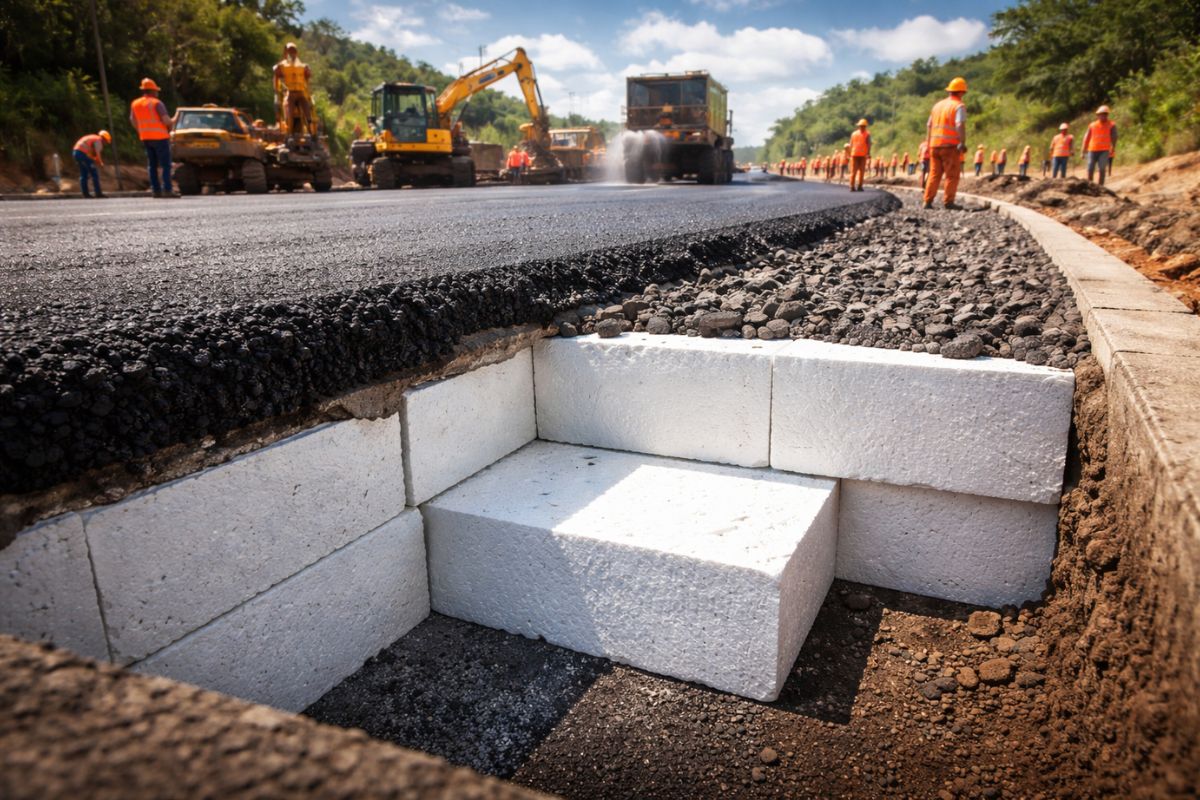


Styrofoam Road Is Not a Metaphor: EPS Plates, Expanded Polystyrene, Entered the Light Fill to Overcome Wetland Soils at the Intersection of SC-486 x BR-101 in Itajaí. The Solution Reduced Pressure and Deformations, Accelerated the Schedule, and Opened the East Overpass in December 2025 with Traffic Impact.
The styrofoam road has become the nickname for a technical choice that remains hidden from the eyes of those passing through the intersection of SC-486 and BR-101 in Itajaí, but changes the behavior of the ground beneath the pavement. It is not “different asphalt”; it is a foundation engineering designed to handle soft soil and safely accelerate the progress of the work.
The complex roadway has already had its second overpass released, reorganizes one of the busiest intersections in the State, and concentrates structures that go beyond the elevated: there are access ramps, a new bridge over the Canhanduba II river, and improvements along about two kilometers. When the route stops getting stuck, the impact first appears in travel time and then in the logistics of the entire region.
What Is the “Styrofoam Road” and Why Does It Enter the Fill?

The term styrofoam road is becoming popular because EPS, expanded polystyrene known as styrofoam, appears in the form of plates used as light fill.
-
They exchanged the idea of a large house for a 35 m² warehouse, spent US$ 12,000 on the structure, and created a tiny house in Colorado with space to live and work.

-
A newly opened terminal in the middle of the Amazon has begun transporting soy and corn through Amapá, eyeing the queue of ships that is congesting the ports in the South.

-
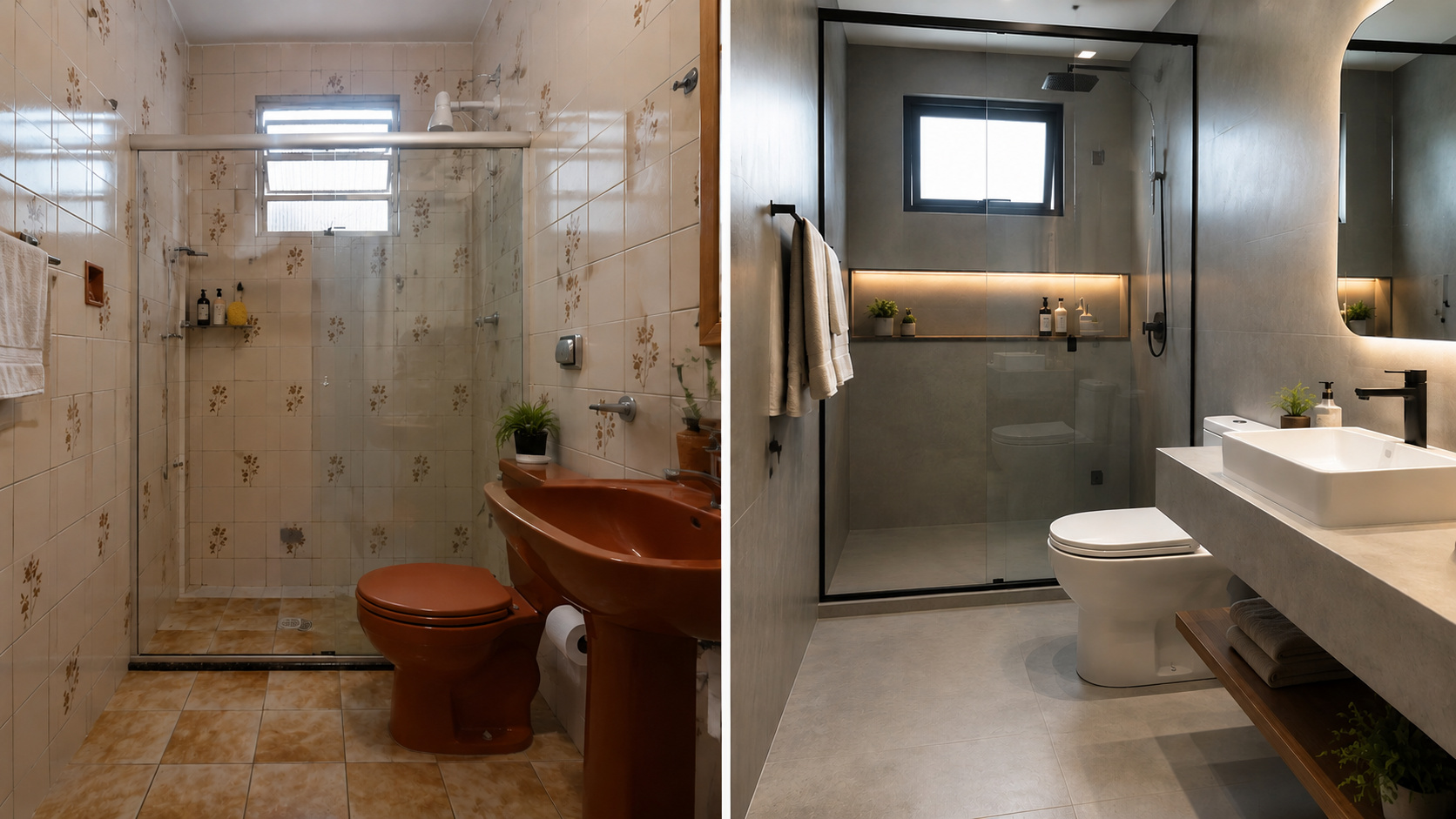
Goodbye to old tiles: renovation technique without construction transforms bathrooms in a few hours, eliminates debris, and reduces costs with coverings using special paints, high-resistance adhesives, and modern finishes that completely renew the space.
-
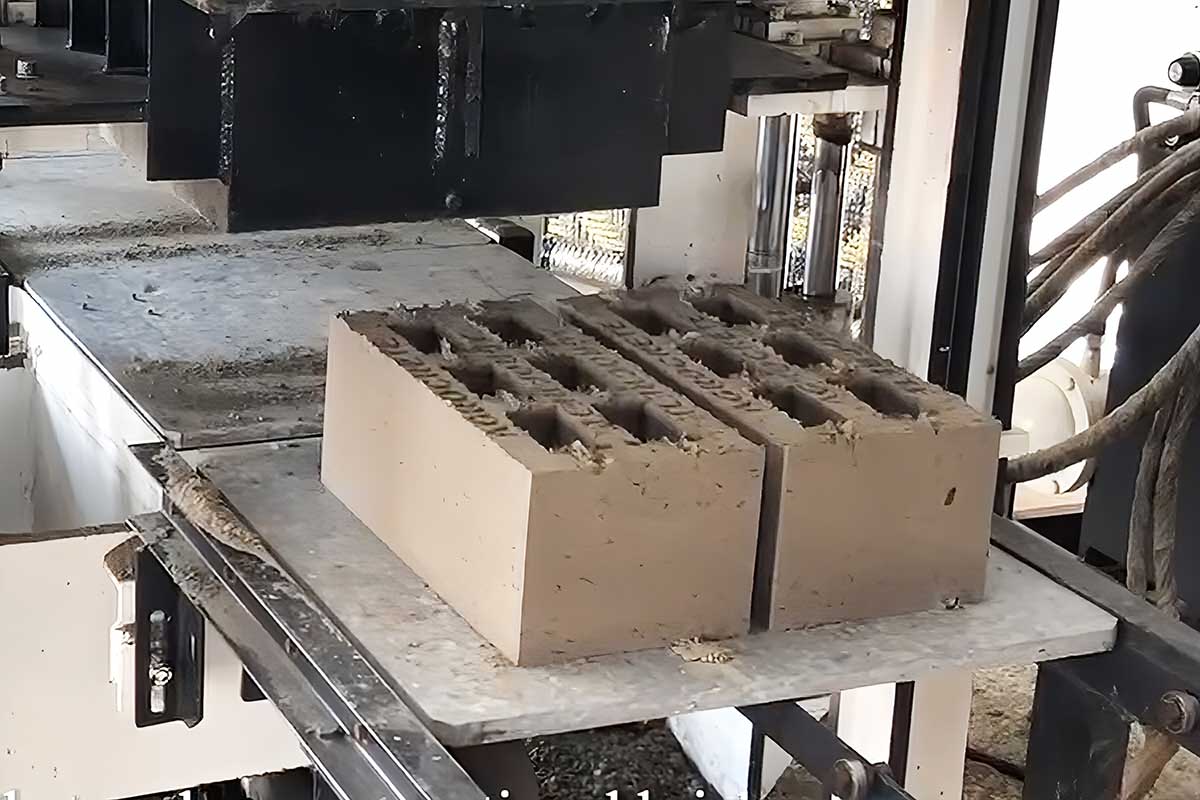
Goodbye to the traditional clay brick: Indian startup transforms burnt straw into a carbon-negative brick that costs half, insulates better, and even removes CO2 from the air.


In practice, it does not replace asphalt or become a “styrofoam track”: it acts as a lightweight fill layer, helping to construct fills and level the ground without imposing as much load on the terrain as a conventional fill.
According to the description associated with the use of the material in roadway construction, EPS is noted for being mechanically resistant, lightweight, easy to transport and handle, and with the advantage of reducing surface pressure and deformations in the layers.
This detail is crucial when the construction needs to cross areas where the soil may yield, such as wetland terrains. Instead of “forcing” the ground to hold too much weight, the solution seeks to align the structure with the soil’s capacity.
Where the Solution Made a Difference in Itajaí, at the Intersection of SC-486 with BR-101
The intervention takes place at a strategic point: the intersection between the Antônio Heil Highway (SC-486) and the BR-101, in Itajaí, in the Northern Coast of Santa Catarina.
It is a connection that concentrates urban and regional flow, as well as long-distance traffic, and therefore has a history of congestion during peak hours and during times of higher heavy vehicle circulation.
When the styrofoam road serves as a light fill alternative, it directly addresses the need to build in a sensitive area and, at the same time, maintain the pace of construction that must coexist with surrounding traffic.
A busy intersection does not allow for “stopping the city” to resolve underground issues, so the technical decision gains value as it reduces critical stages and avoids rework resulting from deformations and instabilities.
How EPS Helps Save Time without Turning Construction into a Gamble
Anticipating the delivery of a project of this size by nine months is not usually the result of a single factor, but the use of EPS in the fill stands out as one of the elements contributing to accelerating execution.
The logic is simple: in soft soils, heavy fills increase the risk of settle and ruptures. By reducing the load, the light fill with EPS tends to decrease pressure and deformations, favoring a faster construction and with greater control over the behavior of the terrain.
In addition to the geotechnical effect, there is an operational component: lightweight plates facilitate transport and handling on site, which helps keep work fronts active and advance with more predictability.
Time gain, in this context, is not a “shortcut”; it is a reduction of uncertainty, particularly in areas where the soil can surprise when subjected to high loads.
The Second Overpass Released and What Changes in the Flow between SC-486 and BR-101
The traffic from the second overpass of the roadway complex, heading East, was released in December 2025. The structure definitively integrates the intersection between SC-486 and BR-101 and aims to make displacements more continuous, with the expectation of reducing congestion, improving flow, and increasing road safety.
When traffic no longer depends on conflict points and queues in sequence, the feeling of “chronic blockage” tends to decrease.
Before that, in November 2025, the first overpass, heading West, had already been released, at which point the construction reached 90% completion.
At the same stage, there was progress on the access ramps and the bridge over the Canhanduba II River. This set is what, in practice, reorganizes the traffic: an overpass without well-resolved access becomes a displaced bottleneck, which is why ramps and bridge are part of the same mobility plan.
How Much It Cost, Who Implements It, and Who Feels the Effects in Daily Routine First
The reported investment for the project amounts to R$ 60.4 million, through the Department of Infrastructure and Mobility. The intervention is part of the Good Road Program, which allocates more than R$ 5 billion for the modernization of the road network in Santa Catarina.
These numbers help quantify why technical choices like the styrofoam road are made: in strategic and costly projects, the cost of delays and instability is usually high, both in budget and traffic operation.
The direct impact is regional. The new intersection benefits municipalities such as Itajaí, Brusque, and Balneário Camboriú and surrounding areas, with repercussions on the flow of industrial and agricultural production from Santa Catarina.
And there is an immediate effect that usually appears before the major indicators: truck drivers, daily commuters, and those who rely on BR-101 to cross the region tend to notice changes in flow and retention points.
When an intersection ceases to be an “obligation to stop,” logistics feels it in time and drivers feel it in fatigue.
The styrofoam road, with EPS applied as light fill, shows how invisible decisions beneath the asphalt can alter timelines, safety, and the functioning of an entire logistics corridor, especially in sensitive soil areas like wetlands.
In Itajaí, the opening of the second overpass in December 2025 and the progress of the set of ramps and bridge help explain why a roadway project is not just concrete and asphalt: it is also what sustains all this beneath, with technique and planning.
And for you, who pass through BR-101 or use SC-486 daily: have you noticed a difference in flow after the overpasses were opened?
Does the idea of using EPS in light fill give you more confidence or does it still sound strange when you hear “styrofoam road”? Which point of this connection has always been the most critical in your routine: entry, exit, or the approach segments?


Tecnologia aplicada…. muito bom, a engenharia a trabalhar a serviço da comunidade.
Excelente notícia, principalmente em terrenos de baixa capacidade de carga onde as subbases estariam a muitos metros de profundidade.
Podemos também pensar em pontes sobre o EPS e flutuantes evitando super fundações
.Ha de se pensar…. Parabéns