





 Portuguese
  English
  Spanish
  3 min of reading


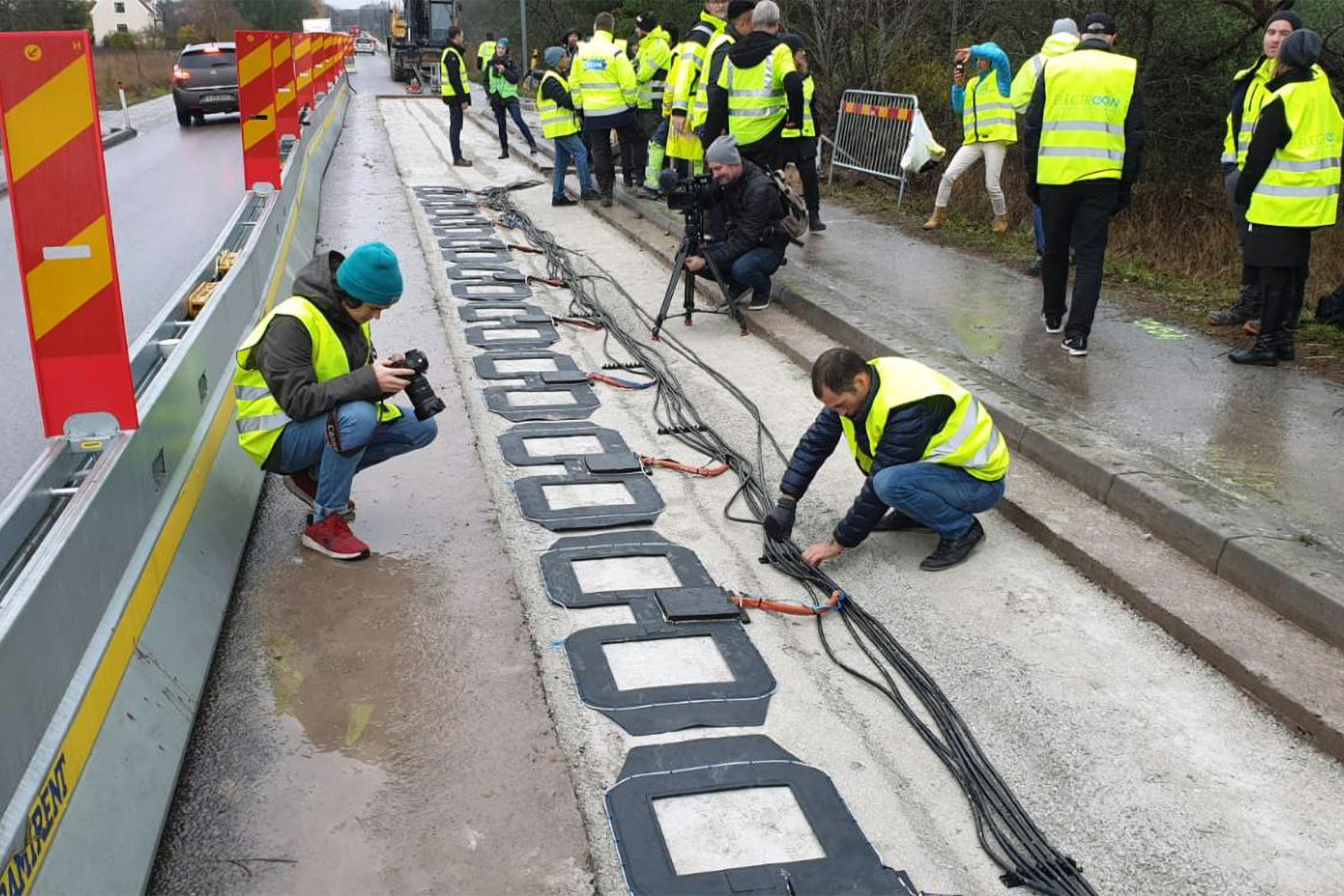
Sweden Is Betting on a Road That Will Charge Electric Vehicles Without the Need for Stops
The Swedish government has decided to invest in a truly innovative solution for recharging the country’s electric cars. The nation has built an electrified road that uses induction to recharge the batteries of electric vehicles while they travel over it.
There are already examples of electric vehicles in the fleets of major automakers around the world. The technology promises to free people from dependence on fossil fuels and, although their prices are currently a bit high, the trend is that they will decrease. However, the lack of adequate infrastructure for this type of vehicle is the biggest challenge.
Nowadays, there are parking facilities available within shopping centers and bus stations, equipped with charging cabins for electric cars. However, most of the time it is necessary to travel miles without encountering this resource, which can be bothersome to many people.
-
Used Citroën cars catch attention for offering efficient engines, interior space, and features like multimedia centers, rearview cameras, and airbags, with prices starting at R$ 44,000. Discover models like C3, C4 Cactus, Basalt, and C3 Aircross and understand why they are worth it in 2026.

-
Brutal 6×4 motorhome by Serro carries an entire car on the back of the truck, has 320 horsepower, and runs 100% on diesel, even in the toilet that incinerates waste and turns it into powder.

-
243-horsepower hybrid SUV with a 560-liter trunk arrives for less than 200,000 reais, directly targeting the top-of-the-line versions of Japanese and Korean rivals in the Brazilian market.
-
Chinese automakers race against a 35% tax, accelerate the race against time, and hastily unload thousands of cars in Brazil, with BYD mobilizing 90 car carriers and Geely reinforcing lots before the end of quotas.




On the Swedish island of Gotland, the road connecting the city of Visby to the regional airport has been equipped with 1.6 km of coils beneath the roadway. The smart system was built in collaboration with the Israeli company ElectReon Wireless, and its cost was nothing less than 11 million euros, equivalent to over R$ 56 million for the country. Watch the video:


How the Electrified Road Using Induction for Charging Electric Cars Works
The operation of the electrified road in Sweden happens as follows: when an electric current is sent through the network of coils buried under the road, a magnetic field is produced. Through the process of induction, this magnetic field can recharge cars that have been equipped with a specialized receiver. The technology used in wireless phone chargers is similar to that used in the road project, although it is much simpler in smartphone chargers.
The battery charging process for the car begins immediately as it enters the stretch of road equipped with the technology. Initially, the project will focus on buses and larger vehicles, but will eventually expand its scope to include any vehicle that has a receiver. In addition, Sweden plans to install an additional 2,000 kilometers of electrified roads equipped to support this type of charging.
Electric cars equipped with wireless charging technology do not require much energy storage, resulting in smaller batteries. This leads to lower production costs, which may help gradually reduce prices of electric vehicles in the future.
Sweden Had Previously Tested Another Technology That Allows Charging Electric Cars While They Travel on Highways
The country had previously built a similar project in mid-2019. Over a distance of two kilometers, the ground was paved with tracks designed to charge electric vehicles passing through. In this particular case, the charging process was not performed by induction, but rather by a movable arm that extended from below the vehicle and touched the tracks on the ground.







Be the first to react!