





 Portuguese
  English
  Spanish
  3 min of reading
  0 comments


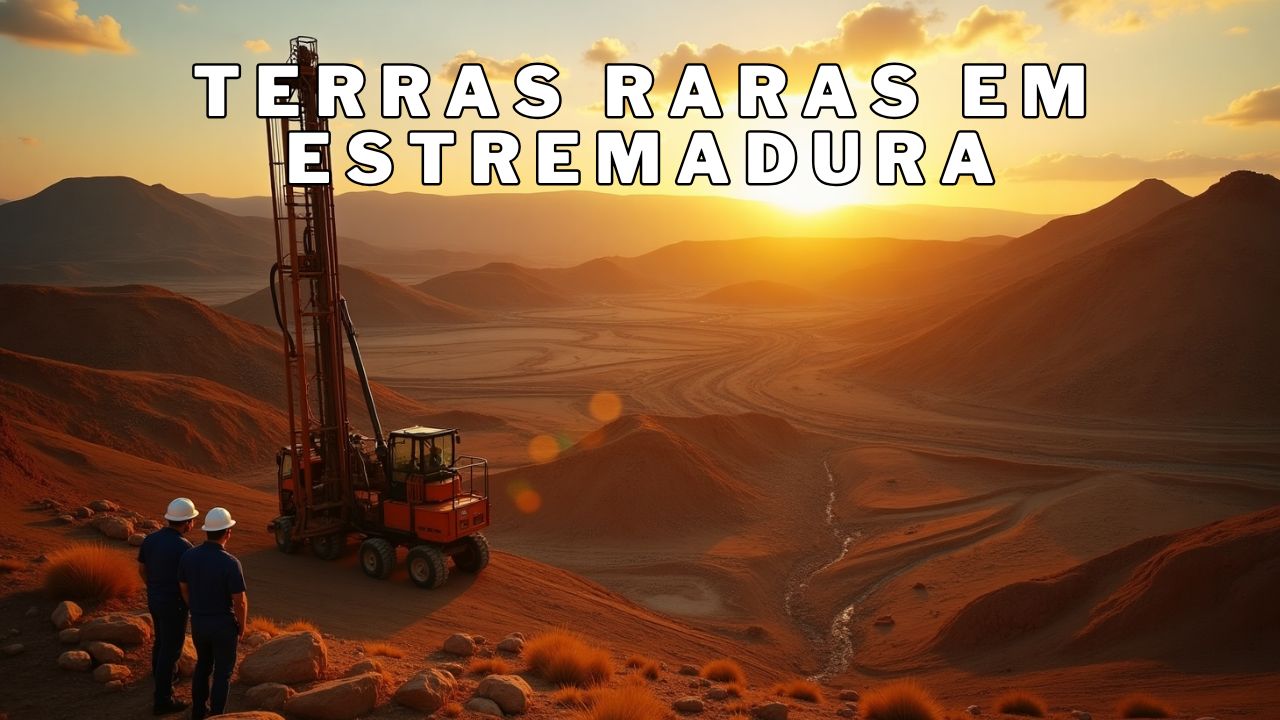
The Extremadura Region in Spain Takes a Decisive Step to Become a Rare Earth Mining Hub. In August 2024, the Regional Government Granted a License to Explore an Area of 49,500 Hectares, Distributed Across 20 Municipalities in the Regions of Los Ibores and Campo de Arañuelo in Cáceres. This Advancement Places Spain in the Global Race for Critical Minerals Essential for the High-Tech Industry.
Rare earths are a group of 17 chemical elements essential for the manufacturing of electronics, electric vehicle batteries, wind turbines, and military equipment. With the growing demand for technology and clean energy, these minerals have become highly strategic for various economies.
Currently, China dominates the extraction and processing of rare earths, controlling a significant portion of the global supply chain. This has led powers like the United States and the European Union to seek new sources to reduce their dependency. Spain could play a crucial role in this context, strengthening its industrial sovereignty.
The License to Explore Rare Earths in Extremadura
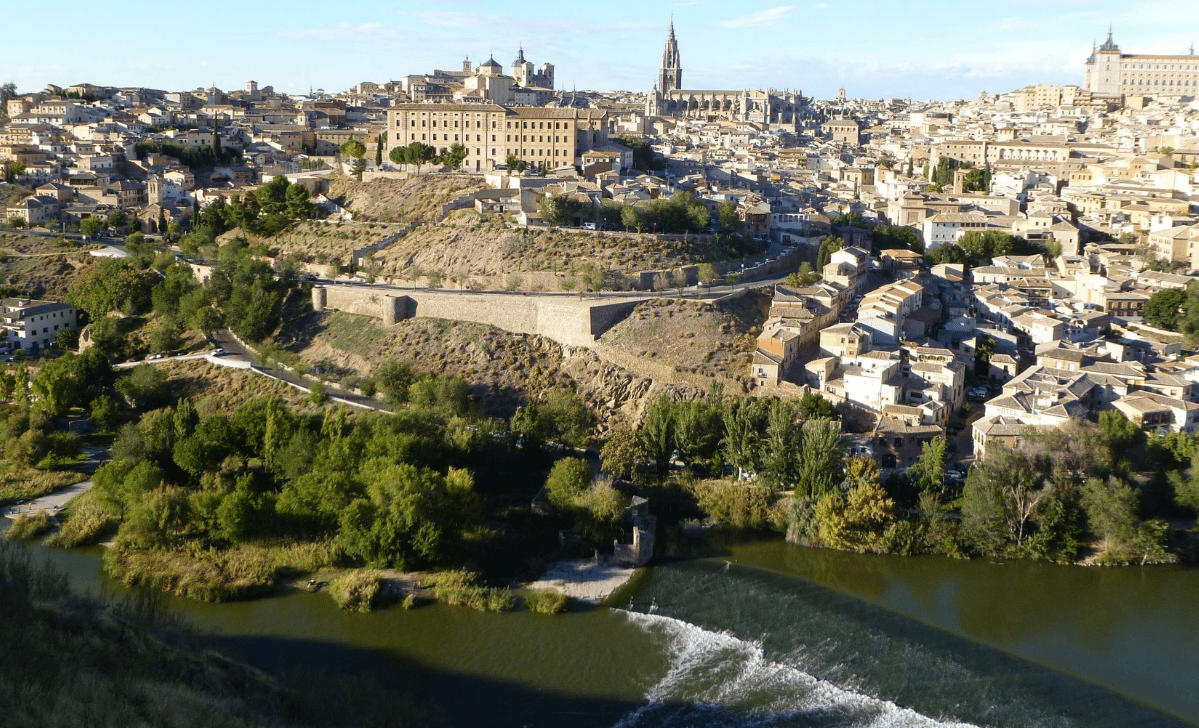
The license granted by the Extremadura government authorizes the exploration of rare earths across a vast area of 49,500 hectares. The confirmed deposits are spread across 20 municipalities in the regions of Los Ibores and Campo de Arañuelo in Cáceres, along with indications in the area of Badajoz. Preliminary studies indicate that the region’s geology is favorable for hosting significant reserves of these elements.
-
China confirms the existence of a never-before-seen mineral, found in a deposit with a concentration 80 times above the global standard, which promises to reshape the battery industry and the global competition for strategic minerals.

-
The northern region of Santa Catarina could become a new hub for strategic minerals after the Geological Survey of Brazil found high concentrations of rare earths in Joinville and Garuva, with a focus on neodymium, used in magnets that drive electric motors and turbines, although mining still depends on further studies.

-
Rare earth mining in Minas becomes a legal case after suspicion of radioactivity above the limit and may change the course of licensing.

-
Illegal gold from the Amazon gains an appearance of legality with empty authorizations and moves a fortune that challenges federal oversight.
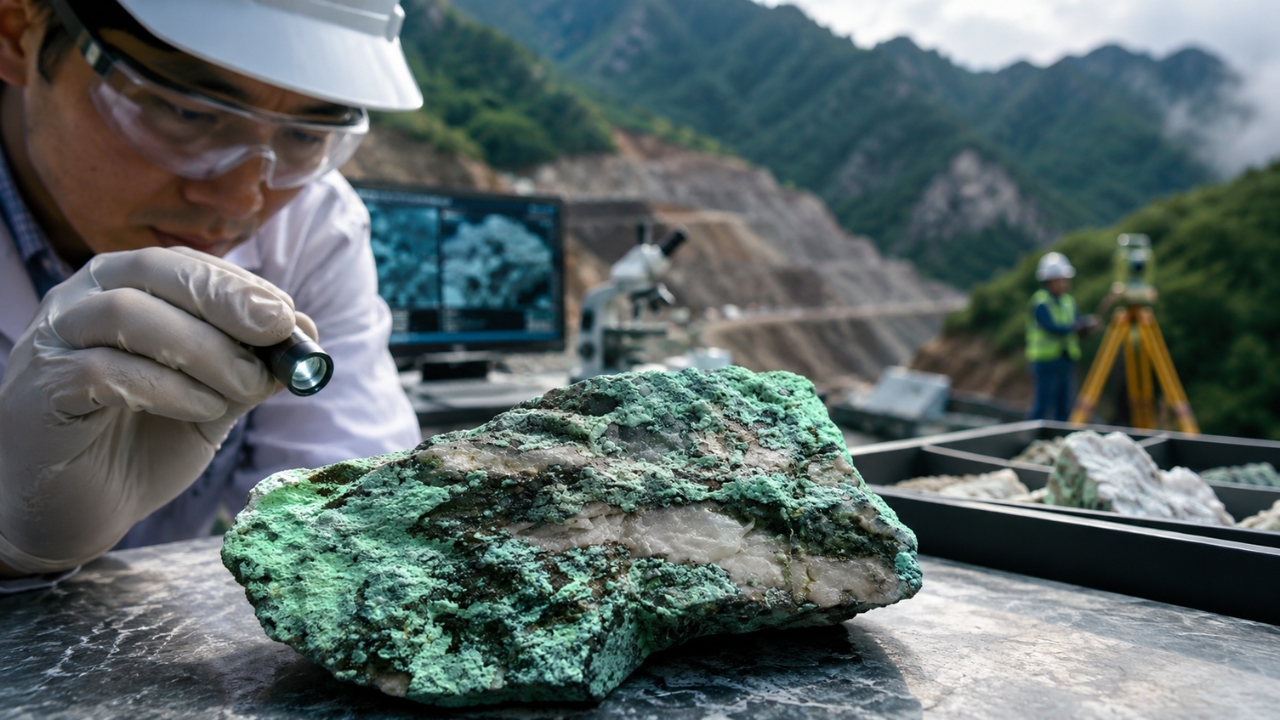
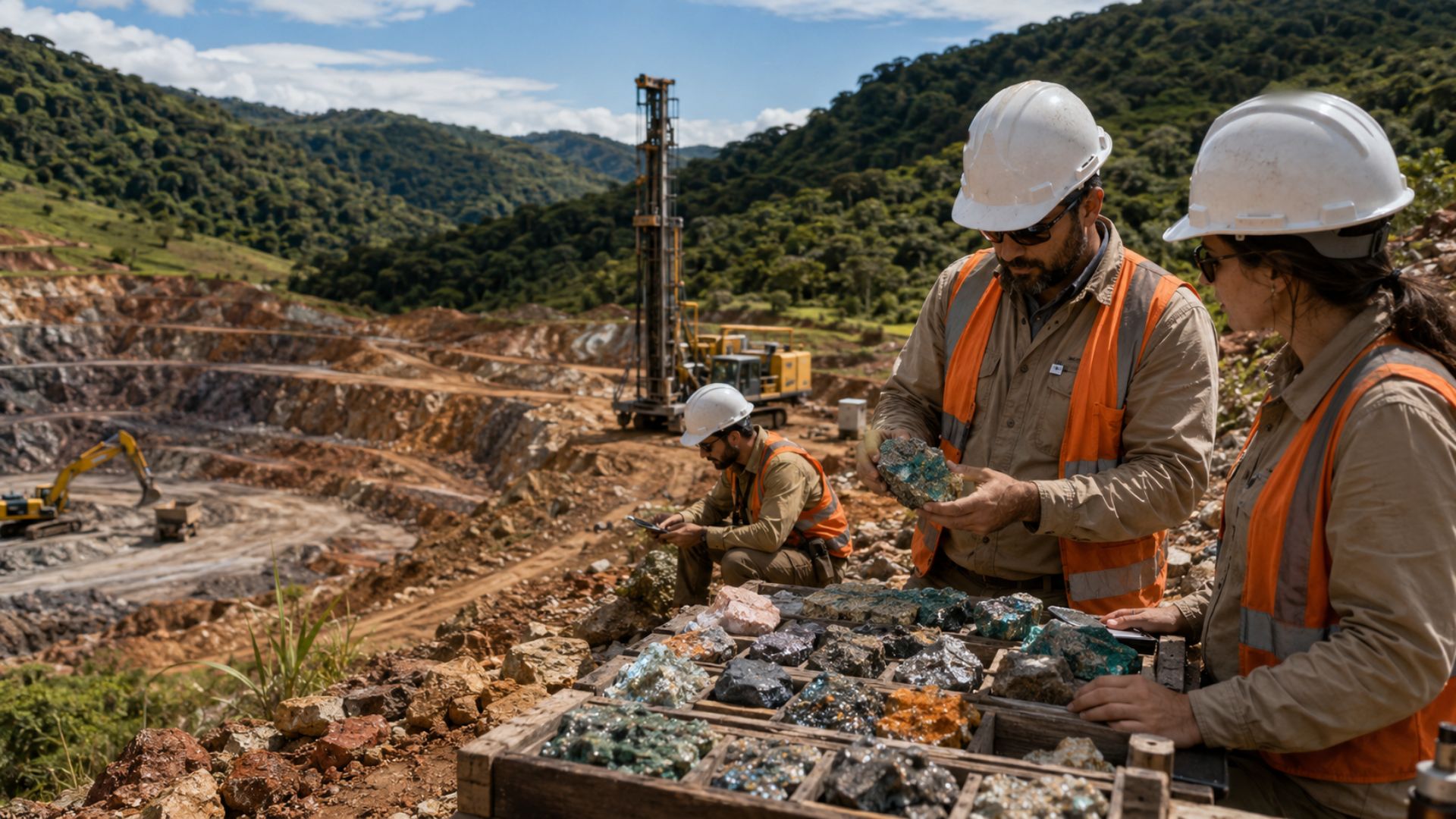


Previous research had already identified indications of rare earth presence in Extremadura. The study “Mining Resources of Extremadura, Rocks and Industrial Minerals,” commissioned by the Ministry of Ecological Transition, mapped deposits in locations such as Barcerrota and Burguillos del Cerro in Badajoz, as well as Alía in Cáceres. This confirmation strengthens the potential of the region as a new European mineral extraction hub.
Spain and Its Mineral Potential Beyond Extremadura
The presence of rare earths in Spain is not limited to Extremadura. Several other locations, such as Galicia, Gran Canaria, Almería, and Ciudad Real, also have reserves of these minerals. However, the complexity of extraction and environmental challenges make the exploration process a delicate task.
One of the solutions found in Spain to reduce dependence on imported rare earths is recycling. Through a high-temperature melting process in specialized plants, it is possible to recover valuable elements from electronic waste. This strategy can be a differentiator to ensure a sustainable supply of these critical minerals.
Challenges of Rare Earth Mining in Europe
According to Xataka, the extraction of rare earths raises environmental concerns, due to the complexity of the process and the risk of contamination of soils and groundwater. Spanish legislation imposes strict controls to ensure that any mining project meets environmental standards and minimizes negative impacts.
Cases like the environmental disaster in Aznalcóllar, Andalusia, serve as a warning for the need for effective regulation. The Spanish government has taken precautions to avoid similar problems, requiring rigorous environmental assessments before granting any new mining license.
The Future of Spain in the Race for Strategic Minerals
With the exploration of rare earths in Extremadura, Spain could become a strategic partner for the European Union in the search for safe and sustainable sources of these minerals. This initiative represents a great opportunity to strengthen the continent’s industrial autonomy.
In addition to rare earths, Spain stands out in the production of essential minerals such as copper, tungsten, graphite, vanadium, and cobalt. The potential opening of a large lithium mine in Extremadura further reinforces the country’s role as a key supplier of mineral resources for Europe.



Be the first to react!