






 Portuguese
  Spanish


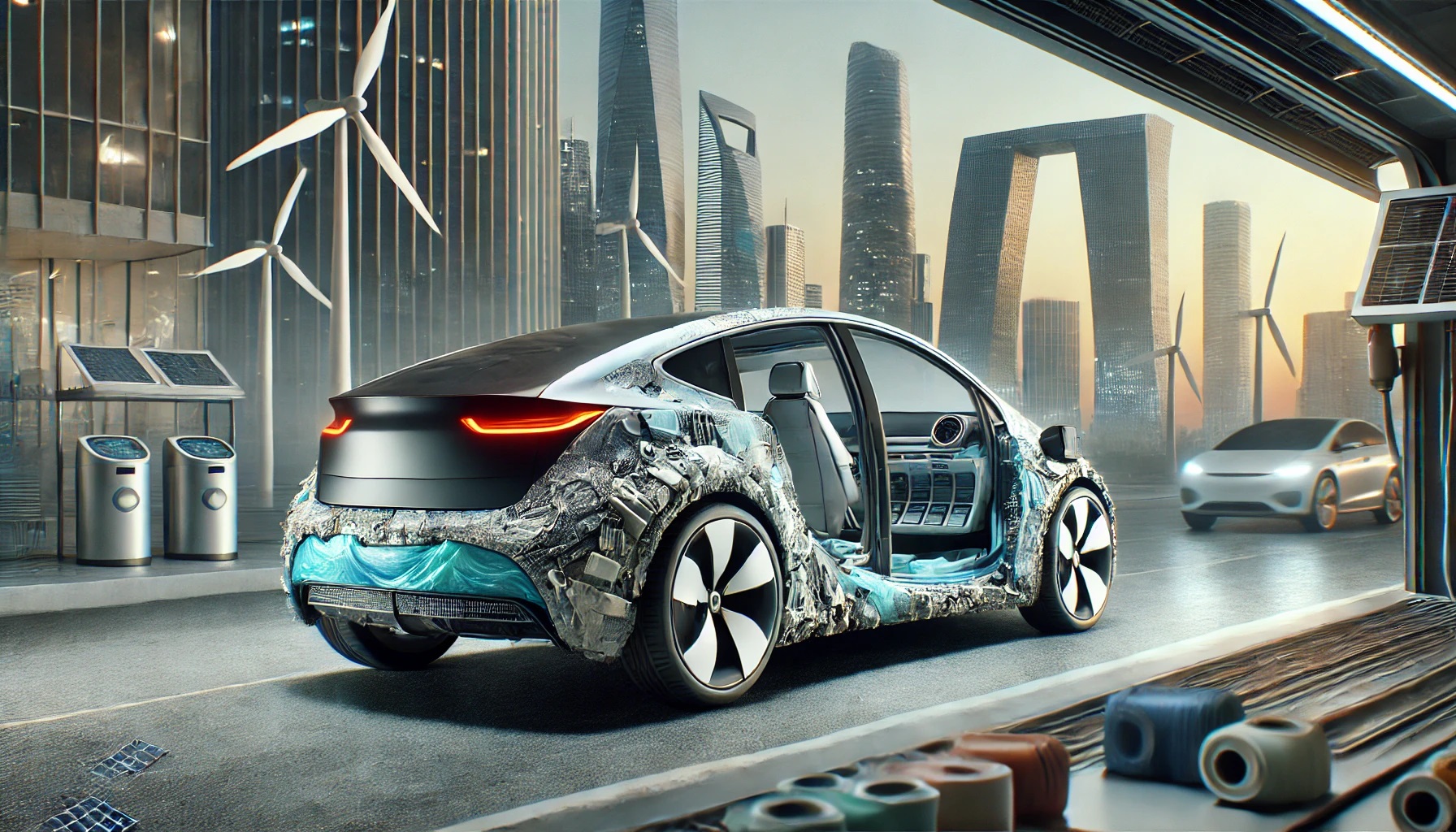

Developed by Students in the Netherlands, the Electric Car Made from Recycled Materials Proves That It Is Possible to Combine Sustainability and Technology by Using Plastic Taken from the Ocean and Domestic Waste to Create an Innovative Vehicle.
Imagine driving a sports electric car made almost entirely from recycled waste, including plastic taken from the ocean and domestic waste. Sounds futuristic? Well, this innovation is already a reality. The Luca, developed by students at the Eindhoven University of Technology in the Netherlands, shows that it is possible to combine sustainability and technology in an impressive project. Keep reading to learn all about this electric plastic car.
What Makes This Electric Plastic Car So Special?
The Luca is not just another electric car. It is a practical example of how waste can be reused in a creative and efficient way. The vehicle was designed with a clear goal: to show that trash can be transformed into something valuable. From the chassis to the interior finishes, every detail was thought out to use recycled materials.
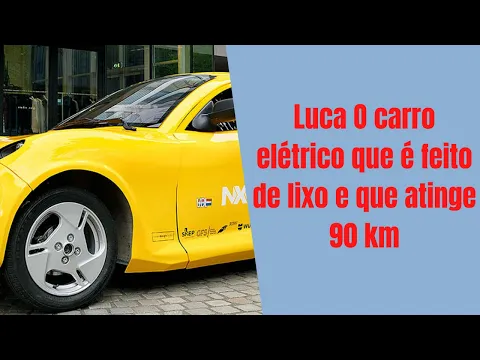

The chassis is made of a sandwich panel composed of three layers. The outer layers are a mix of hemp fibers and recycled plastic, while the core is made of PET honeycomb, a material that typically has a limited life cycle but is brilliantly reused in the Luca.
-
Banco do Brasil and Uber Launch Cashback Program Offering Up to 3.5 Loan Installments Back, Drivers Gain Access to New Cars Worth Up to $30,000 Through Move Brasil Initiative

-
Looking for a Car for Dirt Roads? Fiat Uno, Strada, and Volkswagen Gol Offer Durability and Affordability

-
MG Motor to Produce Two Electric Cars in Brazil with $75 Million Investment, Creating 600 Jobs
-
Nissan Kicks S Direct 2018: Affordable Used SUV with Over 13 km/l Fuel Efficiency, 432-Liter Trunk, and CVT Automatic Transmission


Plastic Electric Car
Weighing only 360 kg (without batteries), the plastic electric car is extremely lightweight, contributing to its energy efficiency. The batteries, which weigh 60 kg, are considerably lighter than those used in other electric cars on the market. Thanks to this combination of lightness and technology, the Luca can travel up to 220 kilometers on a full charge, reaching a top speed of 90 km/h.
To give you an idea of efficiency, the electric range of the Luca is equivalent to approximately 180 km per liter of gasoline. In other words, it is a vehicle that combines sustainability and efficiency in a way that few models can.
A Vehicle Made to Inspire
The use of recycled materials in the plastic electric car goes far beyond the basics. The bodywork is made of recycled ABS plastic, the same material found in toys and appliances. Instead of paint, the Luca receives a colored sticker, which, besides being removable without leaving residues, saves resources and reduces environmental impact.
Even the side and rear windows are made from recycled plastic, with a black tint that adds style to the car’s design. Inside the Luca, innovation continues: the seats are made from a combination of coconut fiber and horsehair, upholstered with recycled PET fabric that resembles suede. Every detail was designed to show that sustainability does not have to sacrifice comfort or aesthetics.
The Importance of the Luca Project
The Luca is not just a concept but a powerful message. According to Lisa van Etten, one of the students involved in the project, the goal is to raise awareness among people and the automotive industry about the potential of waste. “We wanted to show that sustainable technology can be attractive and functional,” she explained.
This approach also reflects a commitment to a circular economy, where products and materials are kept in use for as long as possible. This not only reduces waste but also decreases the need for the extraction of new resources.
The Future of Electric Cars with Recycled Materials
Projects like the Luca pave the way for a more sustainable future in the automotive industry. With the growing interest in electric cars, the search for solutions that minimize environmental impact becomes even more important.
Should the industry adopt similar practices, we could see more plastic electric cars and other recycled materials on the streets, contributing to the reduction of pollution and waste accumulated on the planet.
While the Luca may not be available for large-scale sale, it already fulfills its role of inspiring and opening new possibilities for the automotive industry. After all, who said a plastic electric car cannot be efficient, stylish, and environmentally friendly?


Eu quero um!