






 Portuguese
  Spanish
  3 min of reading


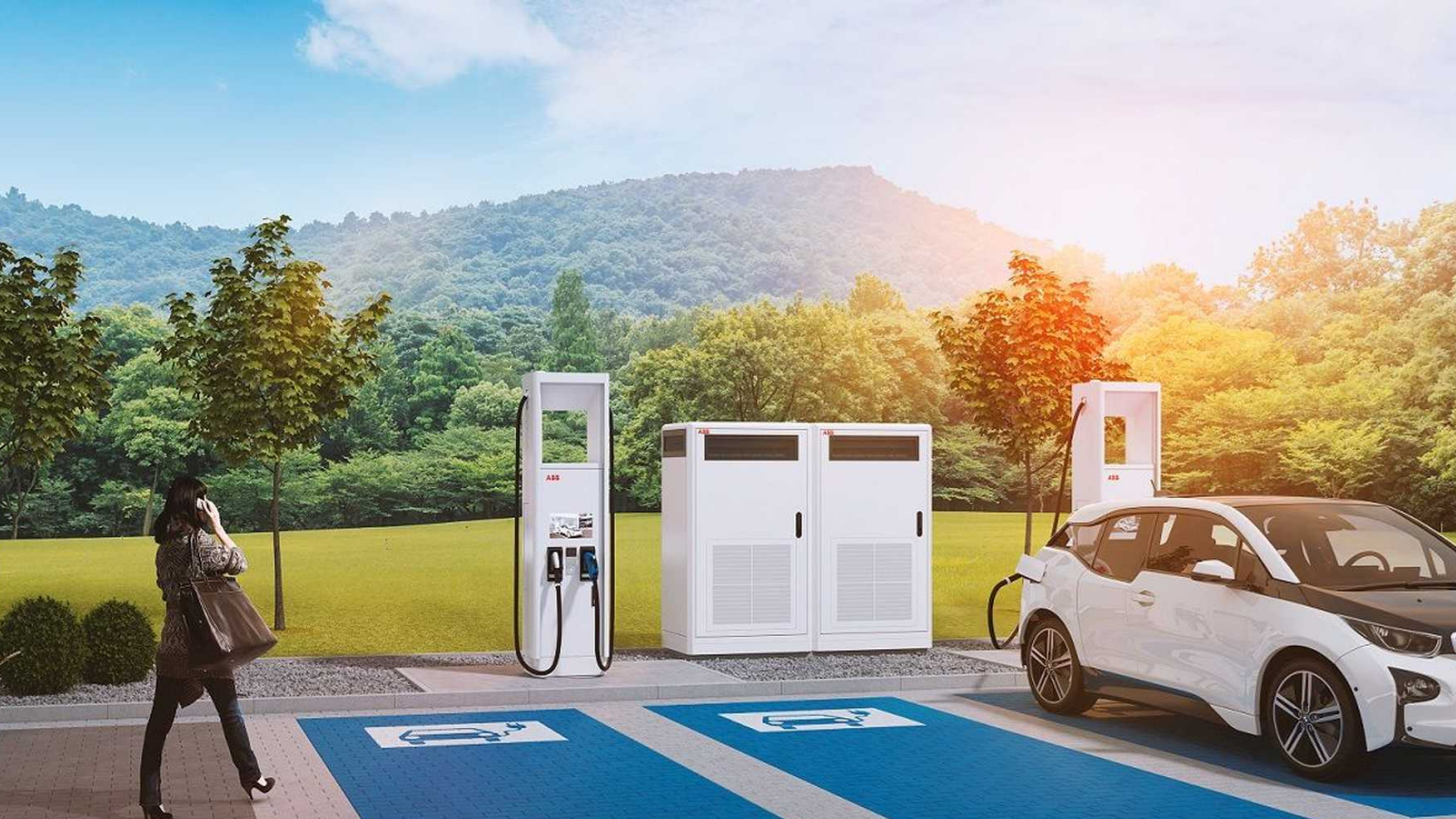
According To Study, Battery Production Does Not Keep Up With The Expansion Of The Electric Car Market, With Insufficient Cell Production
Study commissioned by ABB predicts that the plans for electric car battery production are insufficient and highlights the role of automation in meeting demand, as the number of electric vehicles is expected to exceed that of combustion vehicles. This transformation raises significant concerns about battery supply, according to the study ‘Analysis Of The Battery Supply Chain For Electric Vehicles’. See also: Ford And BMW Form Partnership To Create Solid Power, A Company That Will Develop Solid-State Batteries For Electric Cars
- Rio de Janeiro Has Plans For The Entire City Bus Fleet To Be Powered By Solar Energy By 2050
- Subsea 7 Opens Hundreds Of Job Vacancies In Rio De Janeiro For High School, Technical, And Higher Education
- Company Manufactures Solar-Powered Generators That Extract Potable Water From The Atmosphere In The Desert
- Decline In Vehicle Production Causes Changes In The Brazilian Automotive Industry And Investments Are Dwindling
Battery Demand In Electric Car Production
These concerns about battery supply for electric cars to meet surging demand already represent a serious risk to the growth of electricity as a clean propulsion fuel, despite plans for 80 new global battery gigafactories. The study highlights that, although Asia leads battery production for electric cars, Europe will occupy a vital space in the coming years, while U.S. manufacturers are also planning capacity increases.
See details from the study: “With production speed and flexibility, which are essential for the successful scaling up of the electric car battery industry, our cell production architecture allows manufacturers to quickly validate a cell design and then implement production cells globally, following uniform standards for quality, safety, and productivity. Implementations can be scaled according to demand, with flexibility to adjust capacity in real time.”
-
Brazilian Joins Homeownership Consortium, Faces Decade of Dual Payments Totaling $141,000, Surpassing Traditional Mortgage

-
Land Rover to Halt Production in July, Putting 371 Jobs at Risk, as Chinese Automaker Negotiates to Convert Factory to 100,000 Vehicles Annually by 2027

-
Mexican Pest Threatens U.S. Cattle Herds at Historic Lows, Potentially Boosting Brazilian Beef Exports as Burger Prices Soar

-
Brazilian Freight Bill Progresses in Congress with $5,000 Minimum Wage, 70% Advance Payment, and Fines Up to $1 Million, as Agriculture and Industry Warn of Rising Costs and Legal Uncertainty


Other Factors Cited By The Research Commissioned By ABB
The researchers involved in the study point to the importance of battery assembly being located near or inside automotive assembly facilities: “Co-location of the battery pack not only increases sustainability by reducing transportation costs, but enhances flexibility. The cell-based approach to production can be easily integrated into existing lines.”
Tanja Vainio, executive director of ABB Robotics’ Auto Tier 1 business, stated that if the demand curve shifts, cells can be quickly added or removed to maintain precise production scale. According to Vainio, robots are designed to be rapidly repurposed as needed, increasing flexibility and contributing to the sustainable approach, maximizing the lifespan of each robot they build.
See Also: Porsche Will Develop And Produce Batteries For Electric Cars Capable Of Recharging In Less Than 15 Minutes
The sports and luxury car manufacturer, Porsche intends to produce and develop batteries for electric cars. The batteries are smaller, more efficient, and stronger compared to current batteries. The cheapest car in the brand’s lineup in Brazil starts at R$ 339 thousand. And even being the “entry-level” option, if we can put it that way, expectations are high for this price.
With the new product for electric cars that will be developed, Porsche aims to fulfill its promise made in 2018 during the unveiling of the electric Taycan, of recharging in less than 15 minutes. According to CEO Oliver Blume, currently, the Performance Plus type batteries and fast chargers from the automaker allow charging the Taycan in 22.5 minutes.





Be the first to react!