Portuguese
  Spanish


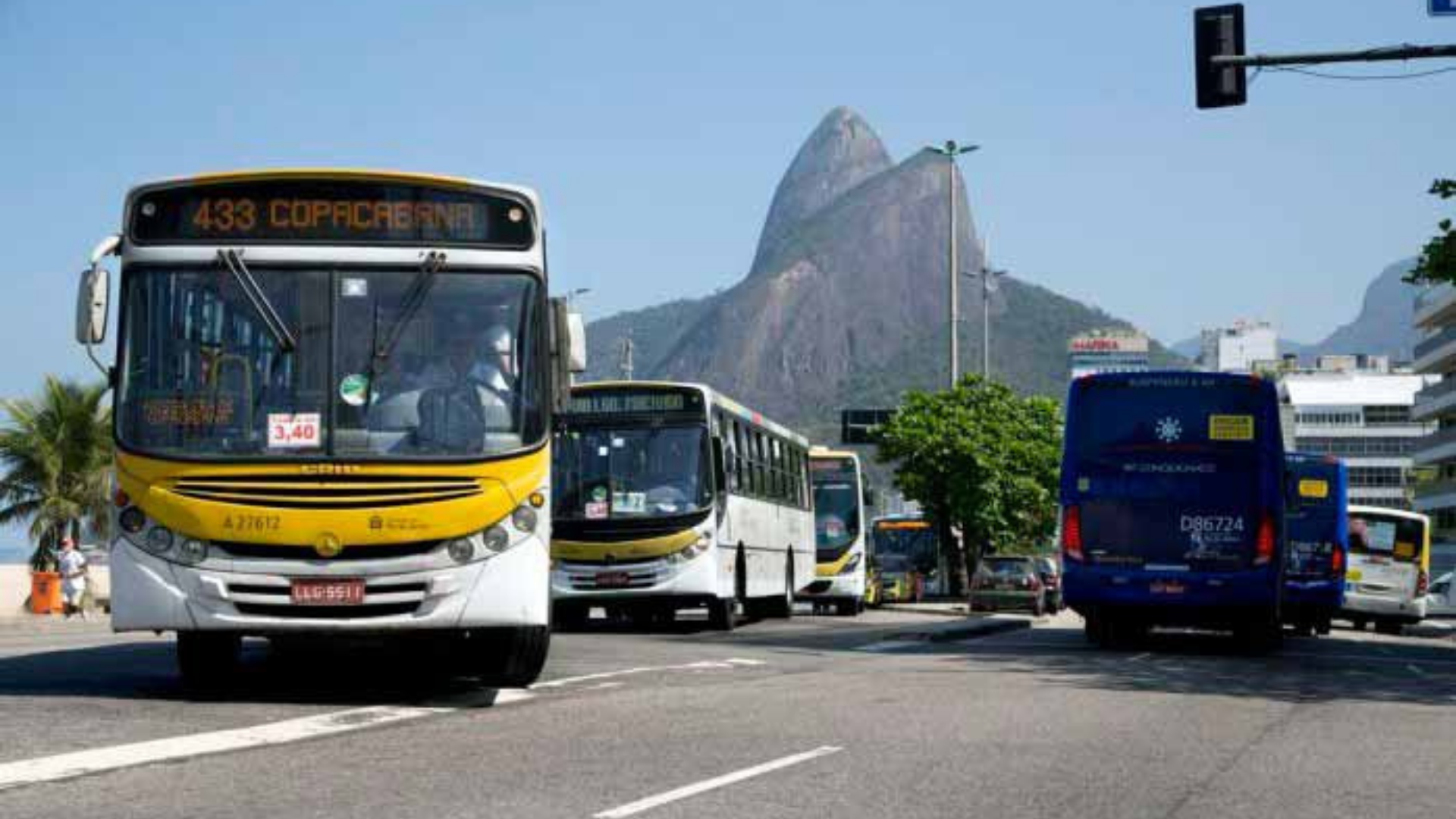

In Addition To Planning To Use Solar Energy In The Bus Fleet In Rio de Janeiro, The Municipality Has Several Projects Aiming At Environmental Commitment
Last month, when World Environment Day was celebrated, the mayor of Rio de Janeiro announced the “Sustainable Development and Climate Action Plan,” which contains various environmental goals of the municipal administration for the coming decades. Among the proposals is the adoption of solar energy in the municipal bus fleet. See also: WDC Networks Has An Agreement With The Chinese LONGI Solar For The Distributed Energy Market In Brazil; The Chinese Donated Photovoltaic Modules To The Favela Of Rio de Janeiro
- One Of The Largest Fixed And Mobile Telecommunications Operators In South America Is Calling For Job And Internship Openings For Candidates With And Without Experience, From High School, Technical And Higher Education In SP, RJ, And Other Brazilian States
- Arab Fund Mubadala, Which Purchased Rlam From Petrobras, Is Ready To Buy Brazilian Oil For The Refinery In Bahia
- Brazil’s Largest Oil Company Opens Bidding To Increase Diesel Production At The Country’s Largest Oil Refinery
- The Largest Global Operator In Port Towing Services Sees Ceará As A Strategic Market, Starts Operations At The Port Of Pecém, And New Job Openings Are Already Being Generated
- Tesla Sedan Electric Car Worth R$ 650 Thousand Explodes In Flames After 3 Days Of Use, Trapping Owner After Electronic Doors Fail
Buses Powered By Solar Energy In Rio de Janeiro
Electric mobility in Brazil, especially regarding public transportation like in the city of Rio de Janeiro, is still in its early stages. There are interesting solutions, such as the case of electric buses powered by solar energy developed in the state of Ceará and the city of Florianópolis, but the adoption of these technologies is still quite sporadic.
In Rio de Janeiro, the commitment is to electrify 100% of the municipal bus fleet by 2050. During the same period, the neutralization of greenhouse gas emissions should also be achieved. In the medium term, by 2030, the city hall establishes that 20% of the bus fleet should consist of non-polluting vehicles. Electric buses contribute to the reduction of pollutants and greenhouse gases. Additionally, as they do not emit noise, they decrease sound pollution in cities.
-
Fired during apartheid and with a little borrowed money, an electrician started with a borrowed truck and transformed electrical services into a group connected to energy, real estate, and infrastructure in South Africa.

-
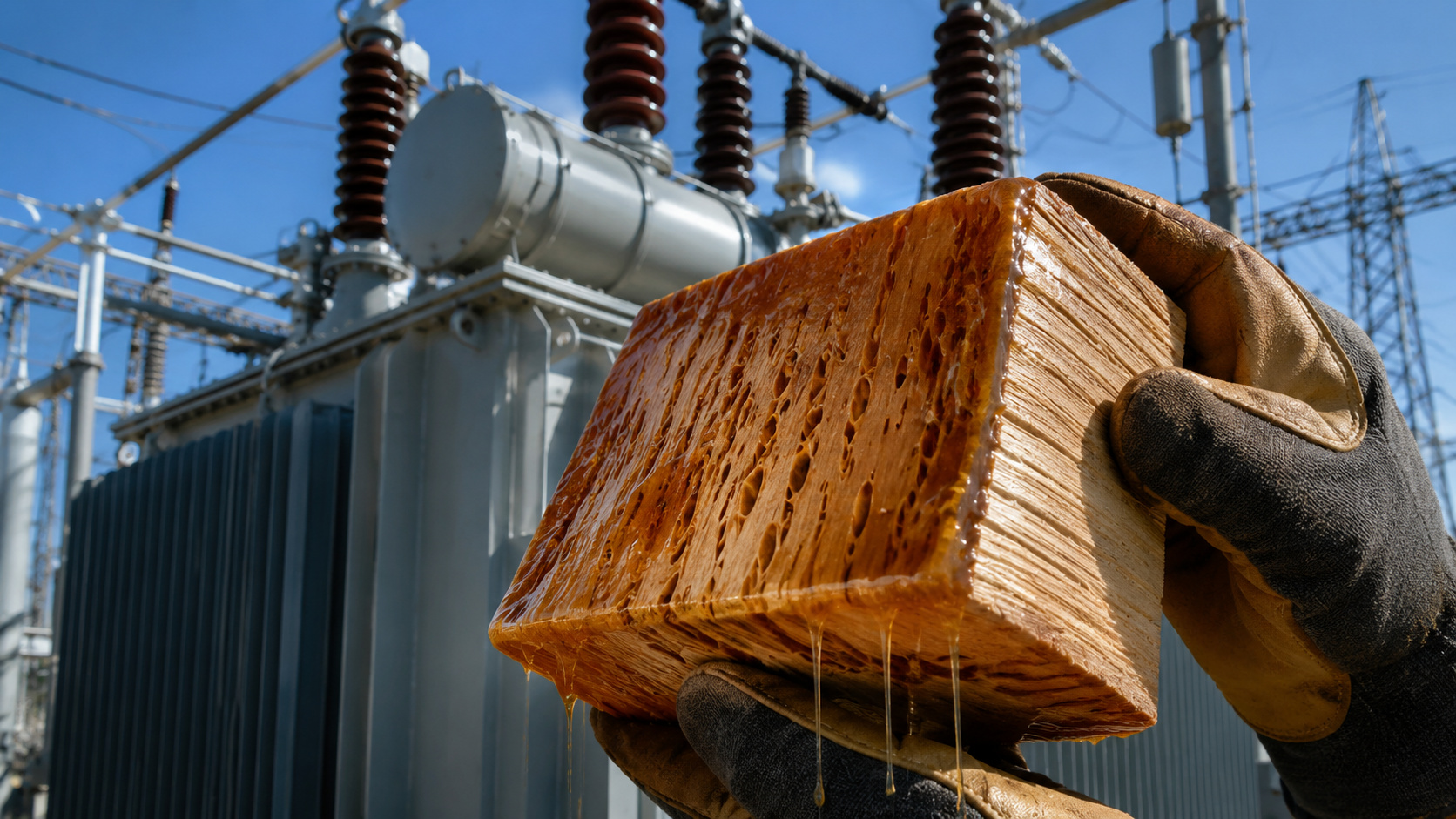
Wood has ceased to be just a construction material in Yale research and has become insulation for electrical transformers that face intense heat, aging, and increasing pressure from the renewable energy-powered grid.
-
More than 1,000 residents of a remote island in Kiribati now have clean water and electricity with solar systems operated by the community itself.
-
Ceará brings together 7 giants and R$ 66 billion to transform Pecém into the largest green hydrogen hub in Brazil, with final decisions expected by the end of 2026.



Goals For Reducing Carbon Emissions
Although it is a significant step for the capital of Rio de Janeiro, the goal is considered conservative by experts. According to Automotive Business, Professor Claudio Barbieri da Cunha from the Department of Transportation Engineering at Poli-USP emphasizes that “many cities around the world are electrifying fleets with goals for the near future, by 2025, betting on zero-emission regions.”
The Climate Plan of Rio de Janeiro also sets goals to be achieved in the medium term. By 2030, for example, the city hall aims to achieve 40% of formal green jobs in the city and implement selective waste collection in all neighborhoods. We must wait and demand that the city hall details actions for the transition to a sustainability-oriented economy.
See Also: Pharmacy In Rio de Janeiro Inaugurates Solar Energy Plant
New horizons involving the solar energy market are coming to Brazil, and this time the Venancio Pharmacy located in Rio de Janeiro decided to create a plant in the region. The constant evolution of the world transforms everything we see. This, of course, is a natural process aimed at always improving our relationship with the Earth and with ourselves.
The expectation with the solar energy plant project in Rio de Janeiro is that the clean energy used in the pharmacy will capture 918 tons of CO2, equivalent to the electrical consumption of 4,000 homes.
“We are always looking for ways to become increasingly sustainable, and this new project means a lot to us. We will be able to reduce costs and still contribute to the production of clean energy. Being more conscious of the environment is part of our purpose,” comments Armando Ahmed, president of Venancio Pharmacy.