Portuguese
  Spanish


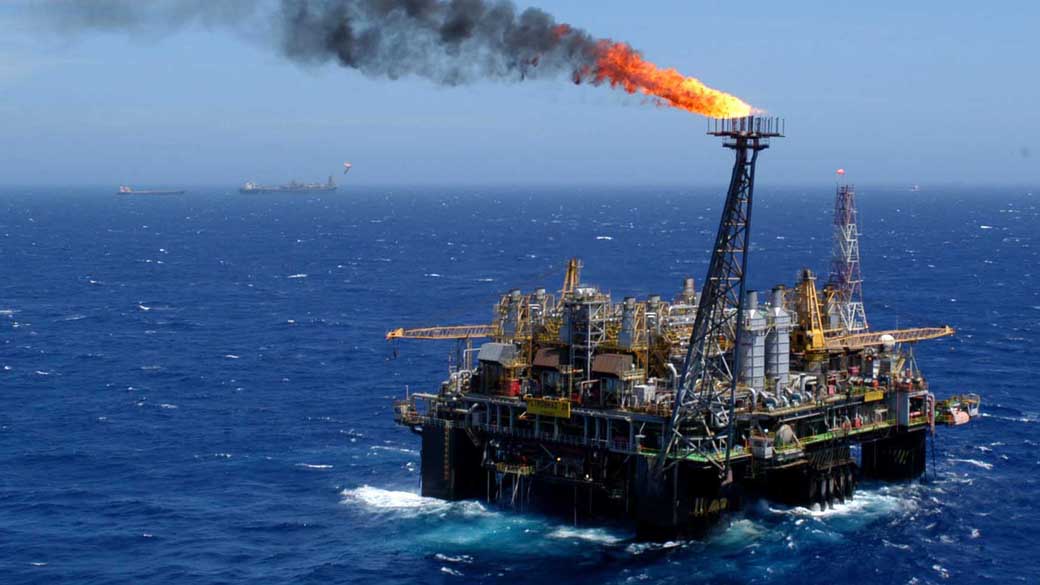

Analysis made by the Federation of Industries of Rio de Janeiro (Firjan) regarding the impacts brought by the pandemic on the oil and gas sector cites that one of the consequences of the decline in production and consumption in the oil and gas sector is the decrease in royalty and tax collections by the state of Rio de Janeiro.
See Also Other News:
- Oil and Gas Exploration and Production Companies Estimate Loss of Up to US$ 1 Trillion in Their Revenues This Year of 2020
- Bureau Veritas Opens Job Vacancies for the Areas of Inspection, Operations, and QHSE on This Day 30
- Belonging to the Shell Group, Raízen Is Offering 104 Job Opportunities for Various Positions and Cities on This Day 30
The entity predicts that the ICMS (Tax on Circulation of Goods and Services) will have a loss of 8% in total collection compared to last year’s average.
-
OPEC+ Boosts Oil Supply by 188,000 Barrels per Day in July 2026, Leading to Price Drop from $112 to $89 per Barrel in Under Two Months

-
TotalEnergies Signs 20-Year Deal to Purchase 2 Million Tons of LNG from Alaska, Boosting Project Viability
-
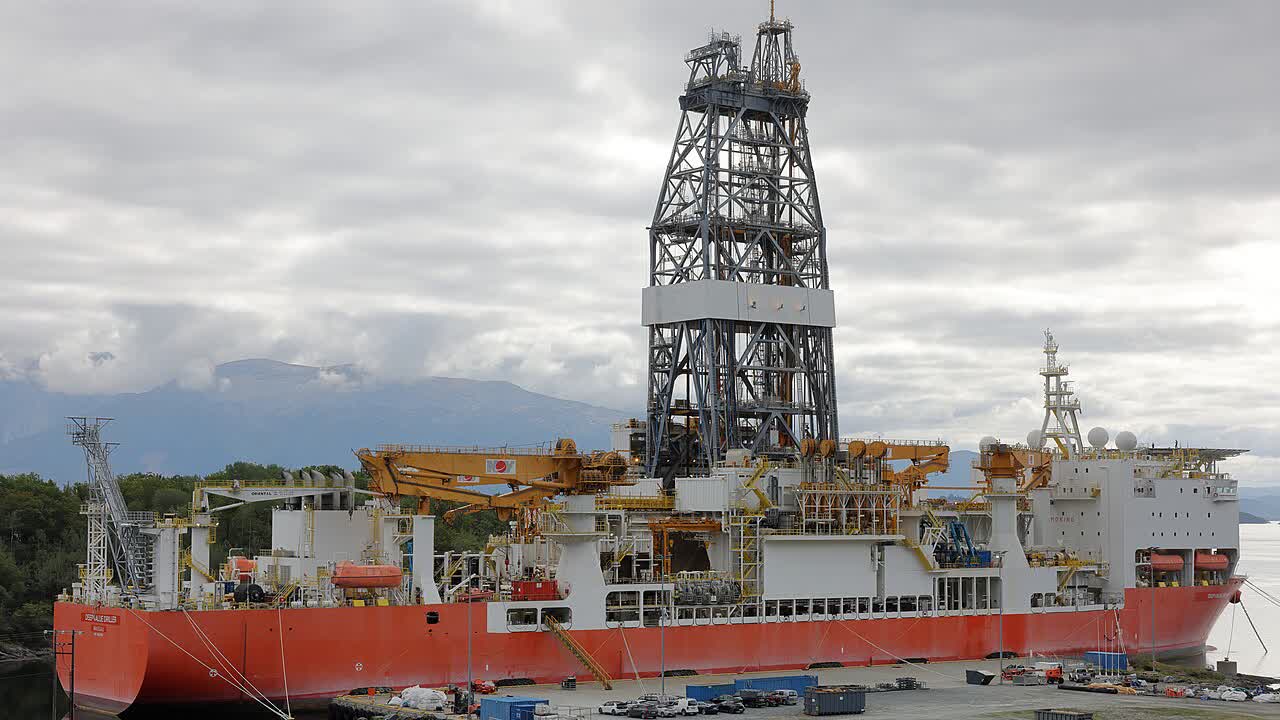
Turkey Deploys Çağrı Bey Drilling Ship to Explore New Oil Frontier Off Somalia’s Coast
-
Golden Pass LNG Ships First Liquefied Gas Cargo from the U.S., Completing $10 Billion QatarEnergy and ExxonMobil Investment

For states and municipalities, the loss is expected to be even greater, as royalty collection is expected to reach only R$ 12.7 million per day, which shows a reduction of 50.5% compared to the 2019 average, which had an average collection of R$ 25.7 million daily.
Karine Fragoso, manager of Oil, Gas, and Naval at Firjan, states: “This new crisis brings a lot of concern for the market, which had been following a growing curve of production and hiring of direct and indirect workers, in response to past crises and the hiatus of auctions that have been resumed.”
Karine also believes that strengthening the industrial base will be the main means for recovery in demands and adds: “The recovery of the economy creates jobs, generates income, and expands the collection base, which helps the state move towards economic diversity.”