






 Portuguese
  Spanish



The Construction of the Waterway Connecting Brazil to Uruguay Will Ensure Much Greater Efficiency in Cargo Transportation Within the Ports Sector and, Consequently, an Even Greater Expansion of the Segment After the Project’s Completion
Recently, the studies for the construction project of the waterway connecting Brazil to Uruguay were delivered to the Minister of Infrastructure. As of this Tuesday (04/26), it is believed that the construction project will require millions in investments and will enable a much more efficient flow and transportation of cargo. In addition to a further connection between the ports of both countries, ensuring a faster development of the segment.
Recebemos os estudos para a nossa 1a concessão hidroviária – Lagoa Mirim e São Gonçalo/RS, que integram a Hidrovia Brasil-Uruguai. Criar um fluxo hidroviário na região Sul é importante para a produção do Nordeste do 🇺🇾 pelo Porto do Rio Grande, além de aliviar o tráfego na BR-471 pic.twitter.com/Mf8vLagZxJ
— Marcelo Sampaio (@marcelosampaio) April 13, 2022
ARTICLE CONTINUES BELOWSee also
They exchanged the idea of a large house for a 35 m² warehouse, spent US$ 12,000 on the structure, and created a tiny house in Colorado with space to live and work.

The Port of Itaqui closes the best first semester in history with over 17 million tons and takes off as the locomotive of the Northern Arc.

While modern cities rely on pumps and electricity, in Iran, ancient tunnels carried water through the desert using only slope and gravity.
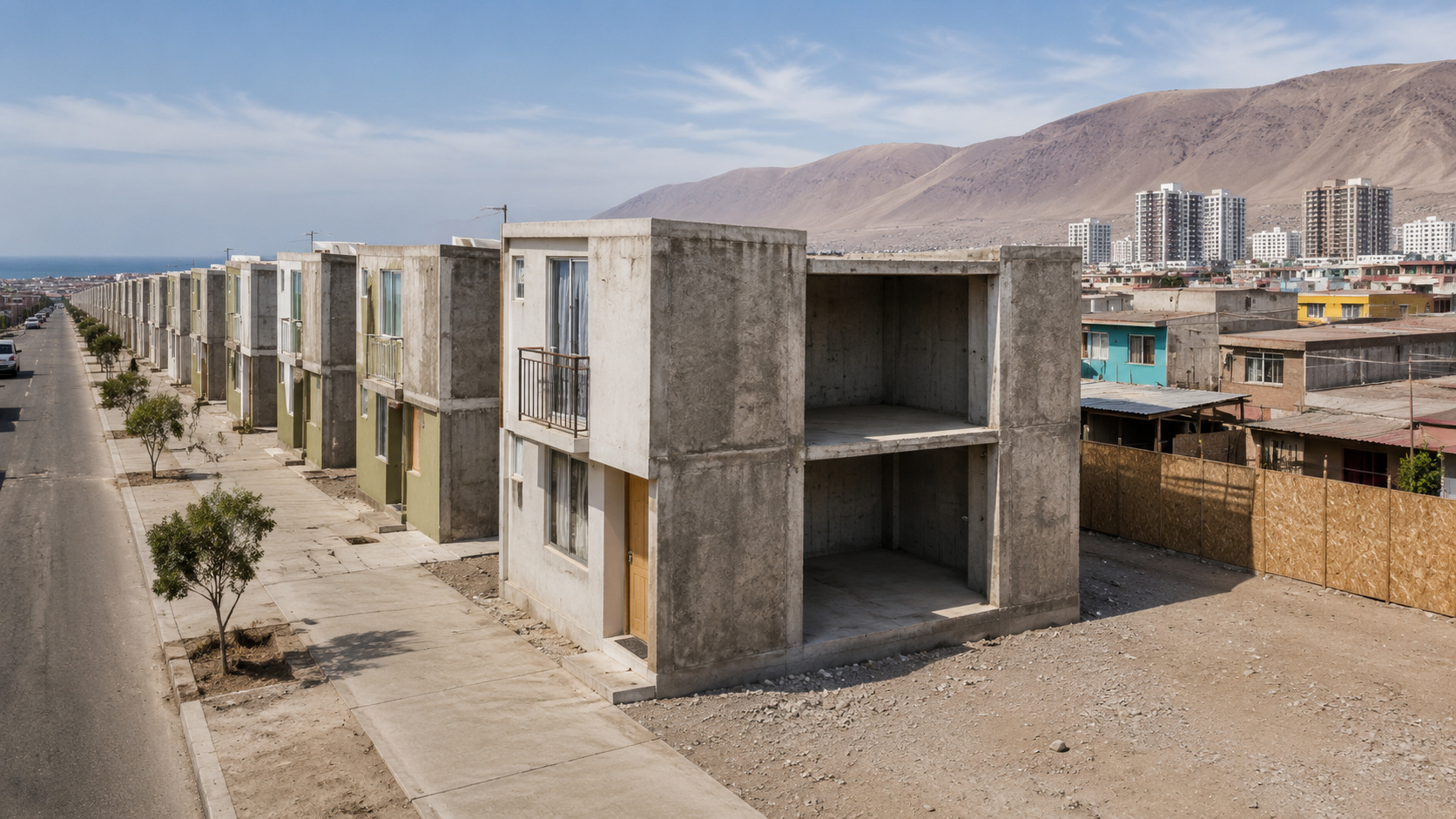
Instead of sending families far from the city, a project in Chile intentionally created incomplete houses on expensive urban land and left technical space for each to grow.


Ministry of Infrastructure Receives Final Studies of the Waterway Construction Project Connecting Brazil to Uruguay to Enable More Efficient Cargo Transportation Between Countries
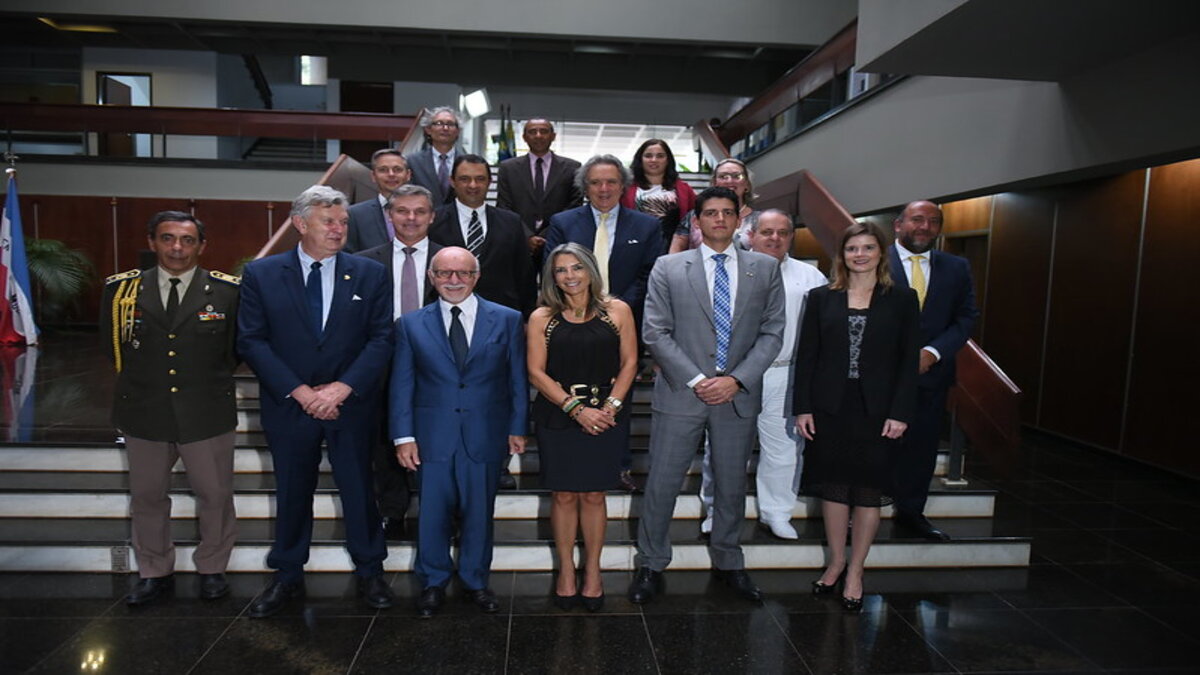
During this past Thursday, the Minister of Infrastructure, Marcelo Sampaio, received the project from the hands of the Uruguayan Ambassador, Guilherme Valles, the studies for the concession project of the Lagoa Mirim Waterway in Rio Grande do Sul, which will be a meeting point between the two countries and will allow for an even greater connection of the ports in the region, with greater efficiency in the logistics of operations with the cargo produced in both Brazil and Uruguay.
This project is the first qualified waterway transport project in the Investment Partnership Program and will ensure safe vessel traffic and the flow of cargo through the southern region of the South American continent. Thus, cargo transportation will become much more dynamic and efficient, with less bureaucracy and much faster logistics for operations, as the countries will be even more connected and will be able to carry out activities with better control over the flow of production in both nations.
In this regard, Minister Marcelo Sampaio commented on the need for the waterway connecting the countries and about the benefits for cargo transportation with the project’s construction, further stating that, “Brazil and Uruguay have a great history. They are more than brother countries. We share over a thousand kilometers of border and maintain an expressive bilateral trade of about US$ 3 billion per year. We are united by historical, economic, and cultural ties. What we want is to see this waterway operating and the border region, especially in the southeastern part of Rio Grande do Sul and the northeastern part of Uruguay, thriving.”
Federal Government Will Still Analyze Studies for the Feasibility of the Project, But Representatives of Brazilian Ports Hope for Good Results for the Construction of the Waterway Over the Coming Years
Now, after the delivery of the final studies for the construction of the waterway connecting the countries, the Federal Government will conduct a deeper analysis of the results, in addition to complementing them with the support of CAF (Development Bank of Latin America), and at the end of the review of the studies, will open a public consultation for contributions from society, to finalize these initial stages with the preliminary analysis of the Federal Court of Accounts (TCU).
Once this is done, the next steps will be the preparation and publication of the concession notice by the National Agency for Waterway Transportation (Antaq) and, finally, the scheduling of the auction. Meanwhile, the government is simply awaiting the process and trying to accelerate the project as much as possible, as the waterway will be essential for more efficient logistics in cargo transportation between the ports of Latin America.
Furthermore, the project is estimated at a total investment of R$ 30 million for construction and will enable Uruguayan vessels to access the port of Rio Grande (RS) through the waterway connection between Lagoa Mirim and Lagoa dos Patos.








