Portuguese
  Spanish


Discover How Ethanol Takes Center Stage in Brazil, Boosting the Energy Transition and Strengthening Sustainable Biofuel Production.
Ethanol Takes Center Stage in the Brazilian energy matrix, representing, therefore, a sustainable and strategic alternative in the face of global decarbonization challenges and the increasing demand for clean fuels.
Furthermore, the Minister of Mines and Energy, Alexandre Silveira, highlighted that Brazil plays a central role in the global energy transition. Thus, ethanol emerges as one of the most important vectors of this trajectory, offering solutions for both the domestic market and for export.
The history of ethanol in Brazil dates back to the 1970s when the oil crisis led to the launch of the National Alcohol Program (Proálcool).
-
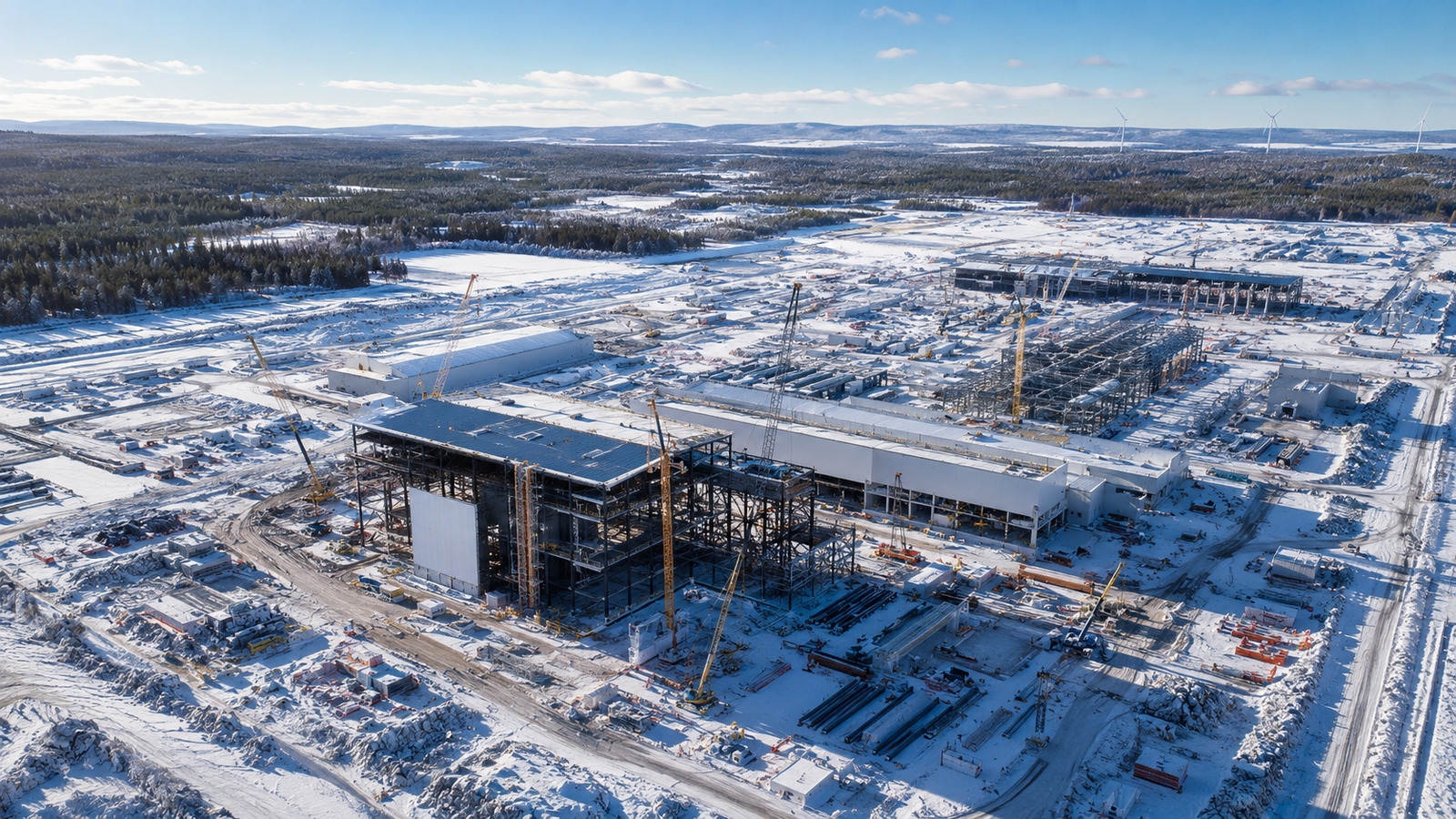
US$ 7 billion, green hydrogen, and steel with up to 95% less CO₂: the first green steel plant on the planet emerges in Sweden and targets Brazil as the next chapter

-
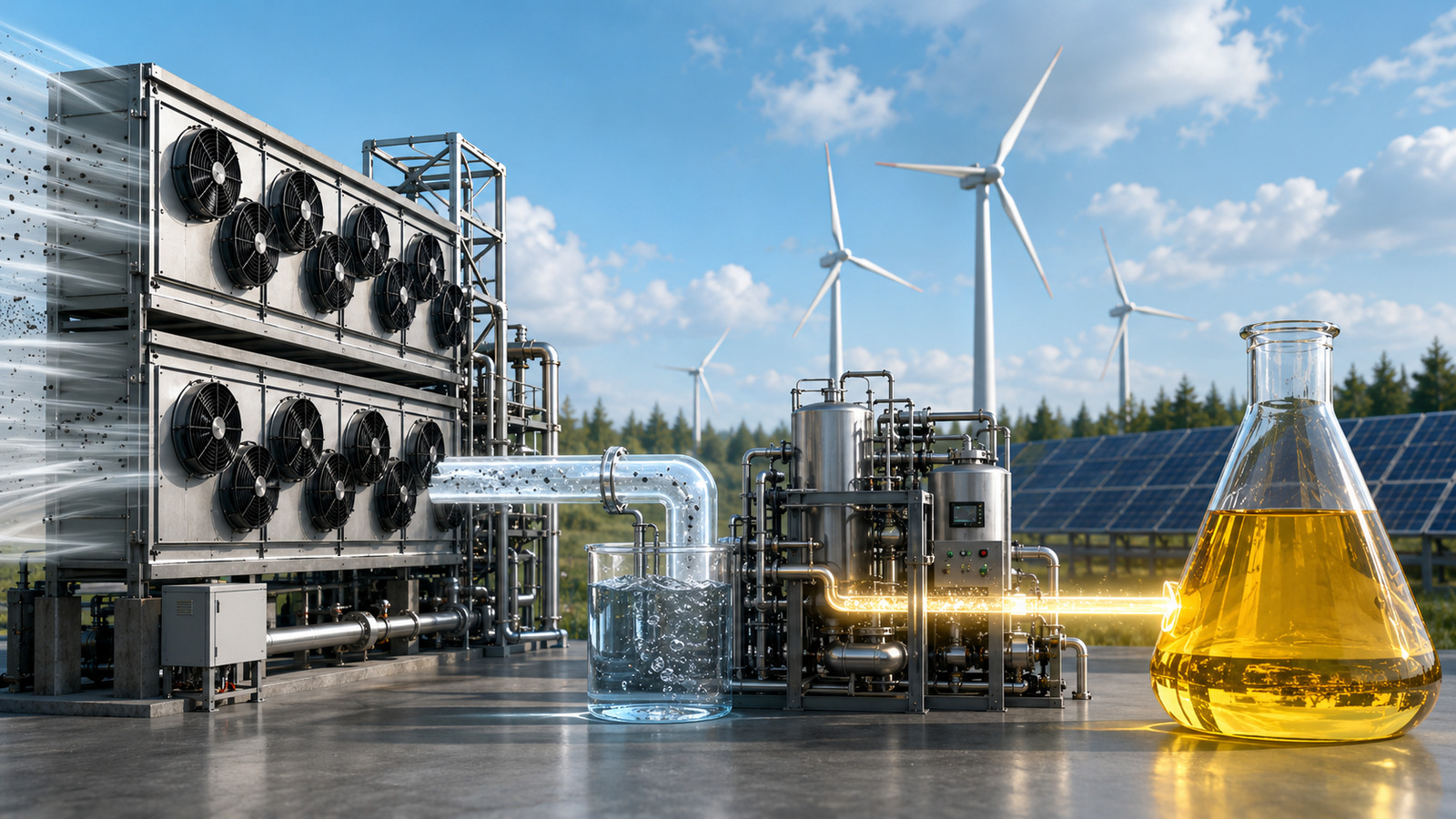
Swedes manage to create synthetic fuel with CO₂, water, and renewable energy, compatible with current engines, but face a huge problem: the energy expenditure is still double the return.
-
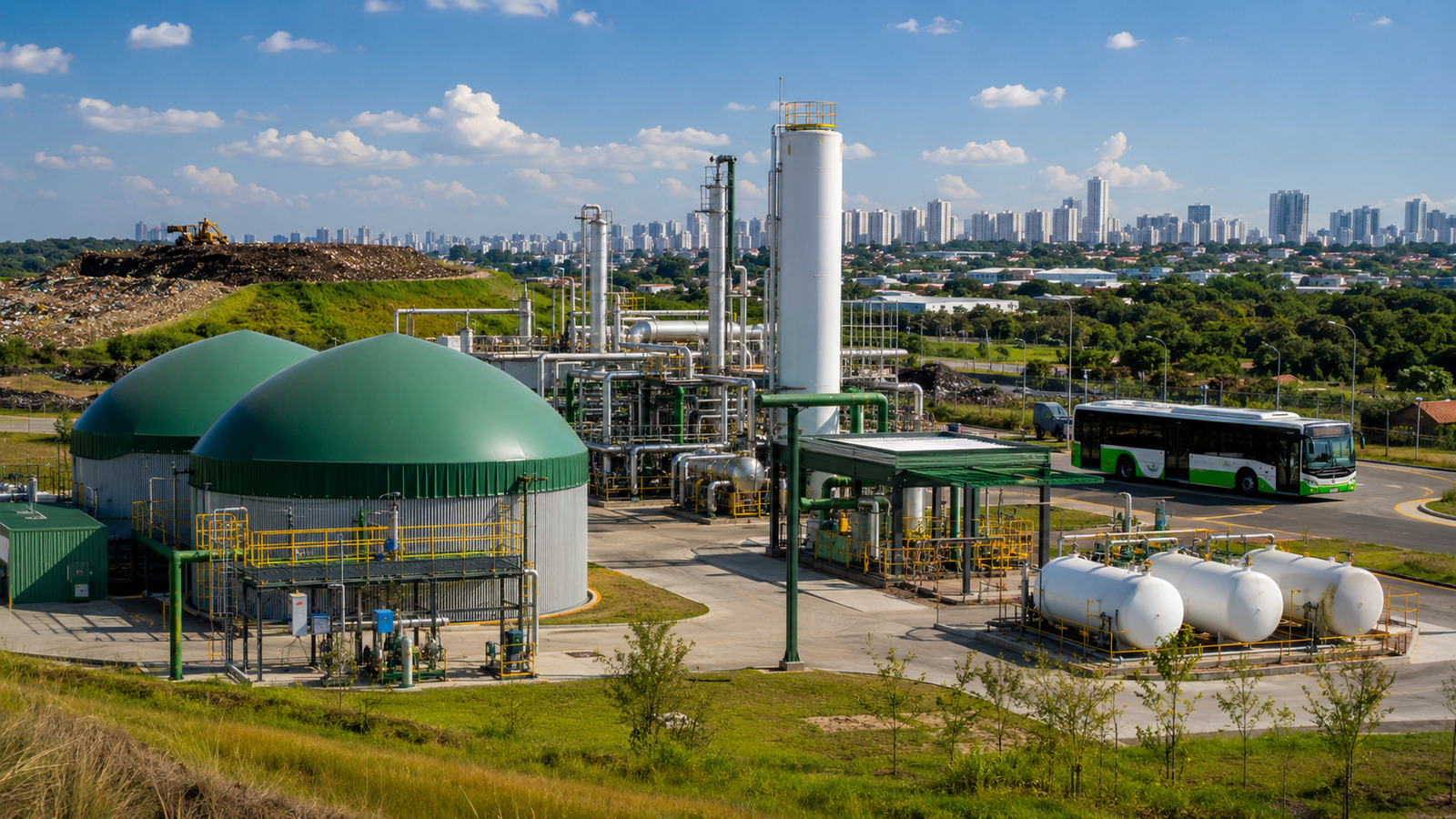
Brazil begins to transform wheat, residues, sweet potatoes, and soy molasses into ethanol, in a new phase of biofuels that seeks to utilize leftovers from the field and industry to fuel flex-fuel cars.

-
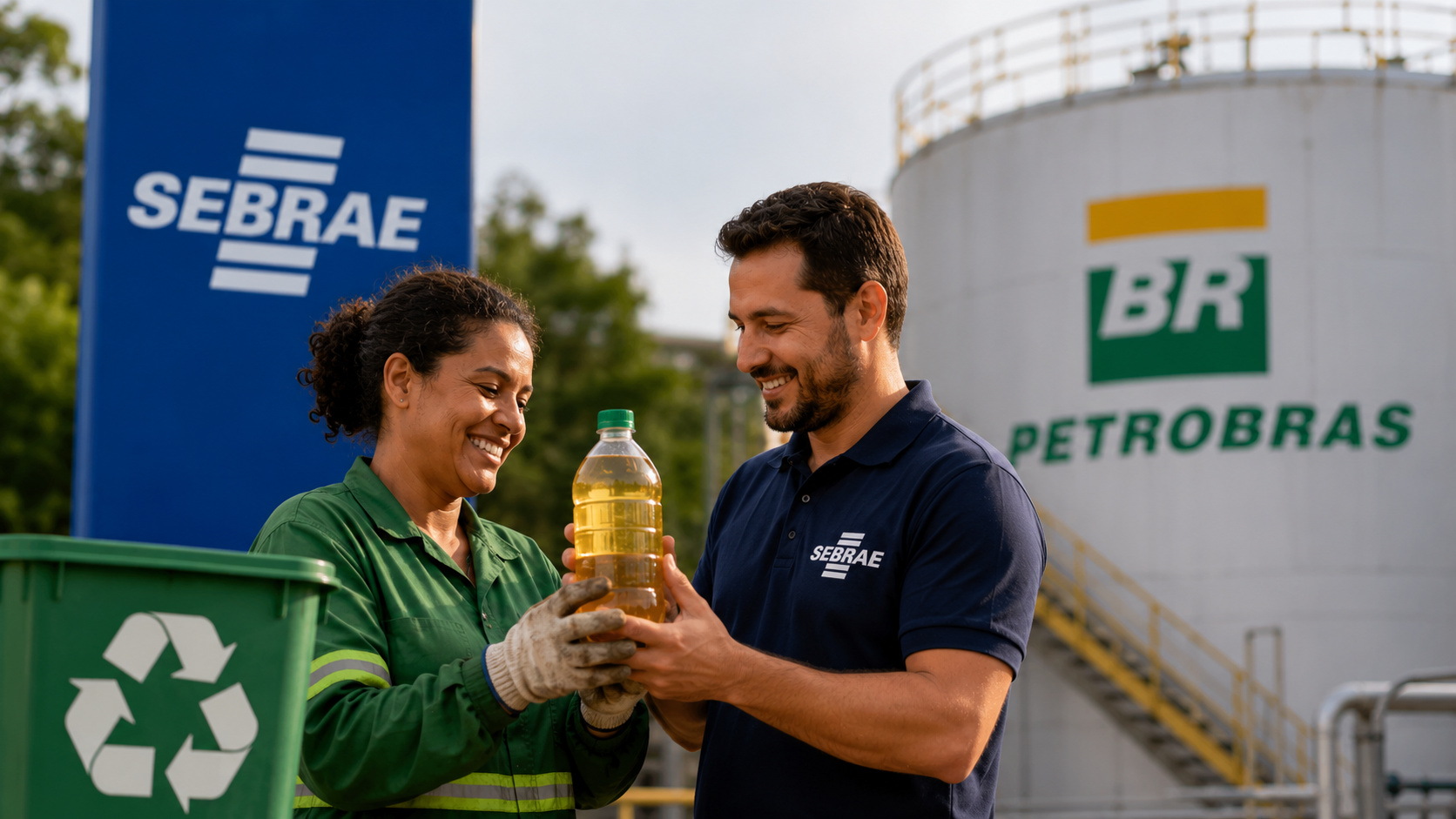
Sebrae and Petrobras join forces in Ceará to include waste pickers in the circular economy and strengthen the biofuel chain, creating new income opportunities and expanding the sustainable use of waste with a direct impact on regional development.


In this context, the government sought to reduce the country’s dependence on imported oil and stimulate the use of renewable fuels from sugarcane. Since then, ethanol has evolved from an emergency alternative to a strategic fuel, which, consequently, boosted the economy and helped to mitigate greenhouse gas emissions.
In recent years, the global scenario has required increasingly consistent responses to climate change.
For this reason, countries around the world are seeking clean energy sources that replace fossil fuels while simultaneously promoting sustainable economic development.
In this sense, ethanol takes center stage as a renewable fuel, capable of meeting growing demands and integrating public policies to encourage bioenergy, such as RenovaBio.
Diversification of Raw Materials and Growth of Corn Ethanol
One of the factors that reinforces the relevance of ethanol is the diversification of raw materials.
Traditionally produced from sugarcane, ethanol in Brazil now also uses corn, whose production grows about 20% per year.
This advancement, therefore, expands the supply of fuel, strengthens the market stability, and ensures more predictable prices, security in supply, and continuous availability throughout the year.
Additionally, corn ethanol has received international recognition, including from the International Civil Aviation Organization (ICAO), which considers it a suitable source for the production of sustainable aviation fuels (SAF).
This certification allows Brazil to reinforce its position in the global low-carbon solutions market, create new export opportunities, and encourage investments in cutting-edge bioenergy technologies.
Currently, corn ethanol represents approximately 20% of national production, with growth projections of 23% by 2025, according to data from the Ministry of Mines and Energy.
In addition to fuel, the sector generates byproducts such as DDG, used in animal nutrition, and electric energy from biomass.
The expansion of ethanol also benefits from the integration with other biofuels, promoting measures that strengthen the entire production chain.
Thus, the advancement of these blends integrates thousands of families from family farming into the Social Biofuel Seal Program, increasing income, generating jobs, and energizing local economies.
Furthermore, new production technologies increase the efficiency of ethanol, lower costs, and improve the energy recovery of byproducts.
Brazilian laboratories and universities collaborate with industries to develop innovative solutions, including advanced fermentation techniques, sugarcane and corn genetic improvement, and integral utilization of biomass.
International Protagonism and Global Leadership
In addition to the internal impact, ethanol takes center stage also in the international arena.
In this sense, Brazil has the capacity to establish itself as a relevant exporter, maintaining dialogue with strategic markets such as India, China, and the European Union.
Moreover, the country is part of the Global Biofuels Alliance, which brings together 32 countries committed to advancing biofuels.
On the other hand, the country leads by example, with consistent public policies and low-carbon intensity cane ethanol, helping to disseminate sustainable models among developing nations.
The trajectory of ethanol in Brazil reveals a balance between tradition and innovation.
Indeed, the experience gained over decades has allowed the country to create a robust production and distribution infrastructure, consolidating ethanol as a reliable and competitive fuel.
At the same time, the incorporation of modern technologies, such as advanced biofuels and integration with renewable energies, projects the sector towards a future of greater efficiency and sustainability.
Another relevant point is the regulatory role of RenovaBio, which establishes decarbonization targets for fuels and rewards producers who meet these targets with tradable credits.
Thus, this model encourages private investments and ensures predictability for producers, consolidating ethanol as a strategic component in Brazil’s energy transition.
Thus, the continuous modernization of RenovaBio reinforces the country’s commitment to maintaining global leadership in bioenergy, aligning economic, environmental, and social interests.
Brazil’s international engagement in the sector also includes technological cooperation, sharing of best practices, and training programs.
This allows developing countries to learn from Brazilian experience.
Consequently, this international protagonism contributes to strengthening the country’s image as a leader in sustainability and energy innovation, further consolidating ethanol takes center stage.
Environmental, Economic, and Social Impacts
Historically, Brazil has stood out for creating innovative solutions to energy challenges.
The Proálcool, in the 1970s and 1980s, showed that public policies can transform crises into opportunities.
Today, ethanol takes center stage again, not only as an alternative to oil but as a fuel that integrates a vision of sustainable development, promotes job creation, and strengthens the country’s energy matrix.
The sector also helps to reduce climate impacts.
Replacing fossil fuels with ethanol decreases CO₂ emissions, improves air quality, and contributes to meeting international commitments undertaken by Brazil.
In this sense, the production and consumption of ethanol become strategic tools for decarbonization, aligned with global goals for reducing greenhouse gas emissions and the sustainable development agenda.
In addition to environmental issues, ethanol takes center stage due to its capacity to generate added value to the economy.
Indeed, the production chain involves farmers, industries, transporters, and exporters, promoting income circulation and technological investments.
The development of advanced biofuels, such as SAF, further expands the sector’s reach, positioning Brazil as a leader in the production of innovative and competitive energy solutions in the international market.
The expansion of ethanol also encourages investments in infrastructure, such as refineries, logistics, and research centers.
This, in turn, modernizes the agricultural sector, improves sustainable cultivation techniques, and stimulates public-private partnerships.
Therefore, the integration between producers, government, and investors ensures that ethanol takes center stage in a structured and sustainable way, benefiting society as a whole.
The future of ethanol depends on innovation, production expansion, and integration with consistent public policies.
Consolidating the Protagonism of Ethanol
In summary, ethanol takes center stage in the Brazilian energy transition for various reasons: its long historical trajectory, the capacity for innovation, the integration with public policies, and the international expansion.
The fuel proves, therefore, not only to be a viable alternative to fossil fuels but also a strategic instrument for economic, social, and environmental development.
Brazil’s leadership in this sector reaffirms the importance of consistent policies and continuous investment in research, technology, and sustainability.
By consolidating ethanol as a protagonist, the country demonstrates that it is possible to unite tradition and innovation to address the energy challenges of the 21st century.
In this way, it contributes significantly to a cleaner, safer, and more sustainable future.