






 Portuguese
  Spanish


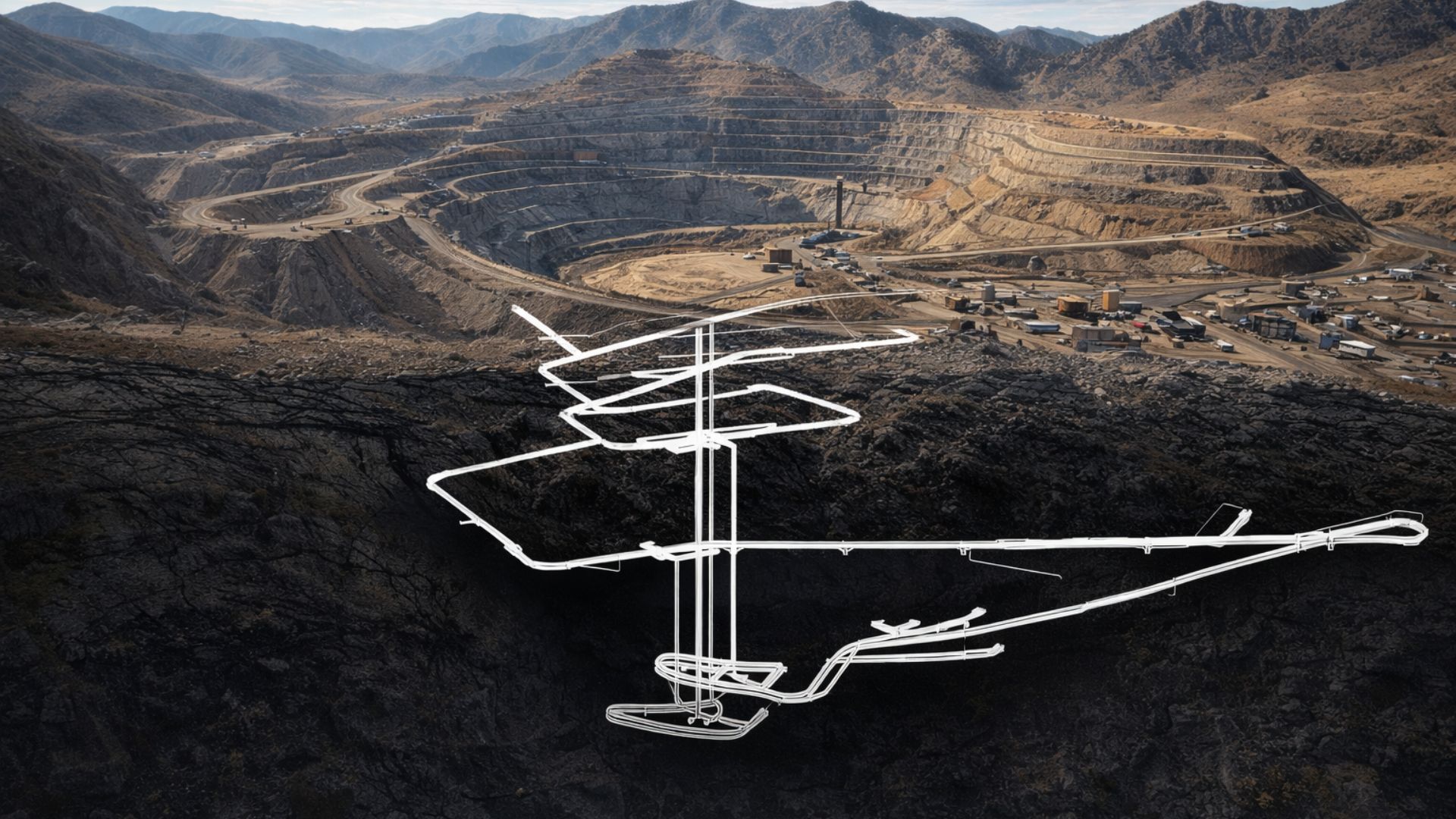


Billion-Dollar Investment in Underground Engineering and Frontier Physics to Study Invisible Particles, Combine Deep Mining, Cryogenics and Giant Detectors, and Investigate Fundamental Mysteries of the Universe from a Laboratory Hidden Beneath an Old Gold Mine in the United States.
The United States is funding a billion-dollar underground project to install, about 1.5 kilometers deep, one of the world’s leading physics laboratories.
The complex is part of the Long-Baseline Neutrino Facility (LBNF), which will house the Deep Underground Neutrino Experiment (DUNE).
The initiative combines mining engineering, cryogenics, and scientific instrumentation to study neutrinos, particles that pass through the Earth almost without interacting.
-
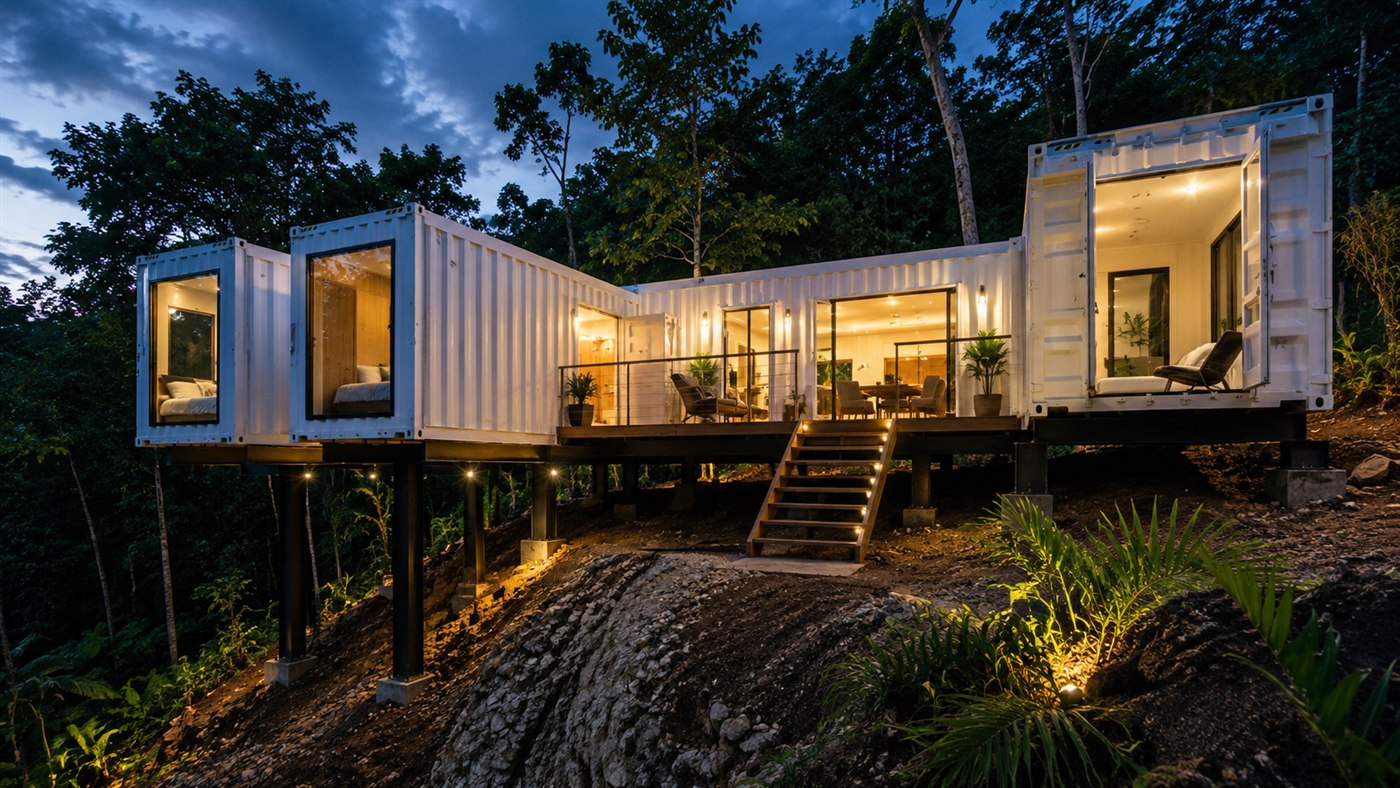
Man Transforms Rusty Shipping Container into Luxury Home with Insulated Walls, Large Windows, and Drywall Finish, Surprising Onlookers

-
“Super Grass” Miscanthus Grows Rapidly Without Pesticides, Replacing Heating Oil in Europe and Now Used in Carbon-Capturing Concrete and Walls in World’s First “Bale House”

-
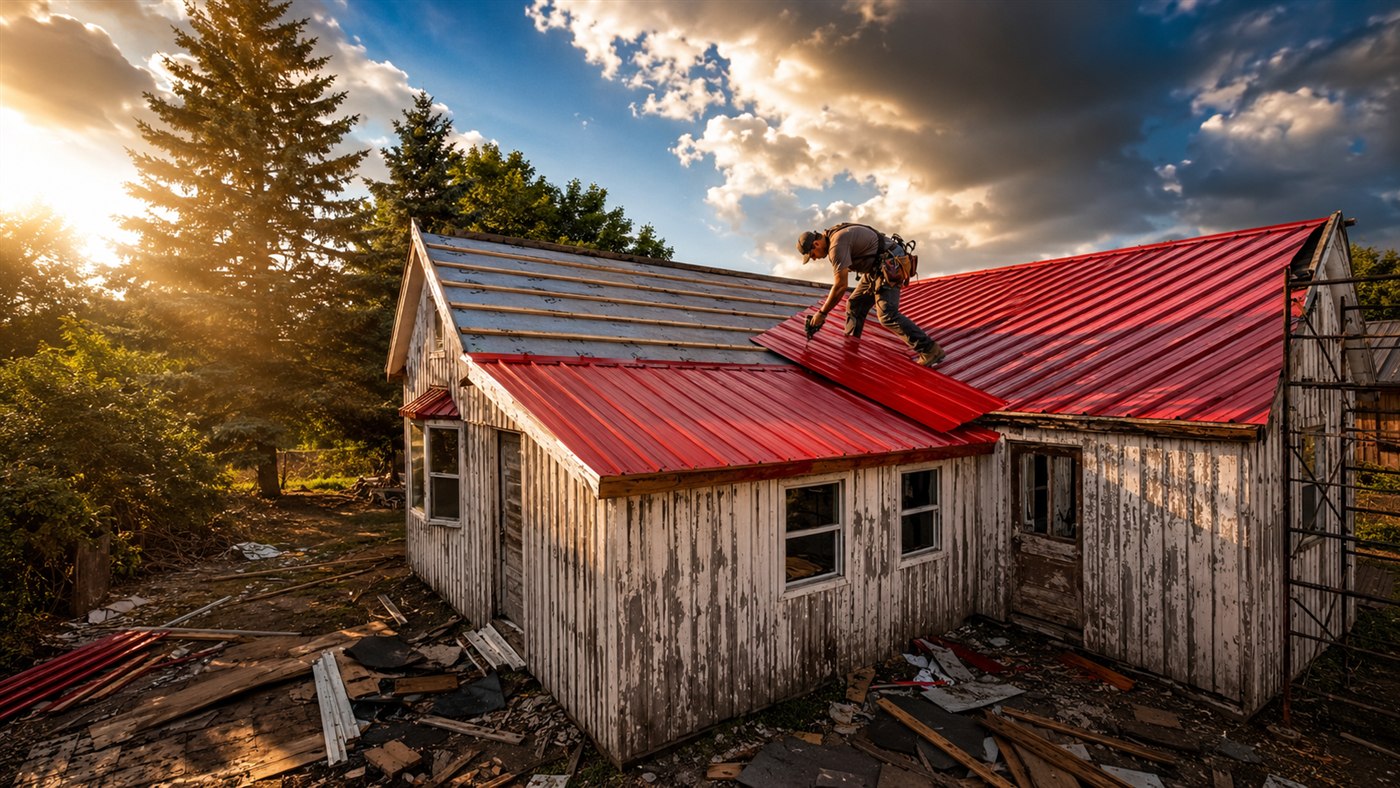
Abandoned House Renovation Fixes Decades-Long Leak in Two Days with Red Steel Roof Installation
-
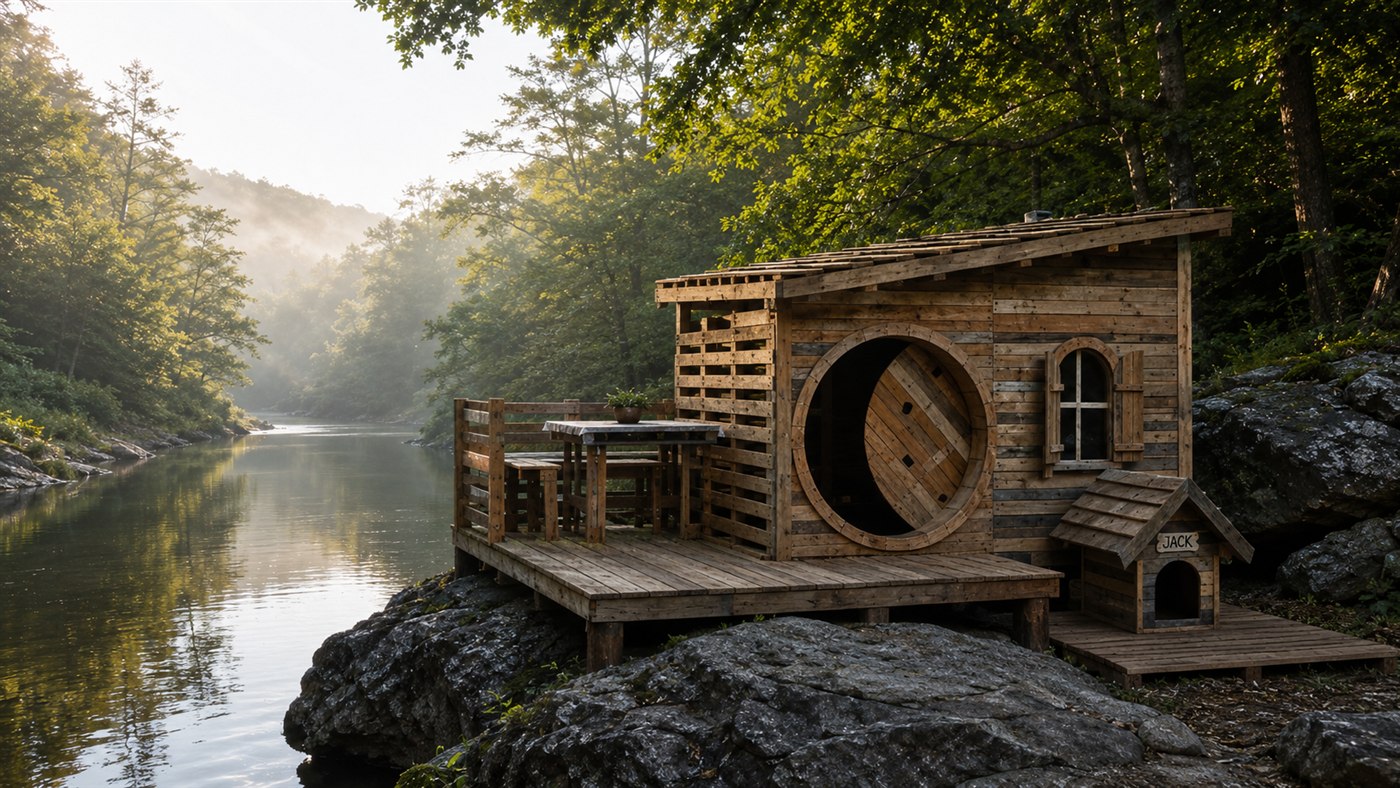
Man Builds Entire House by Hand from Abandoned Pallets Found in Brazilian Forest, Complete with Round Door and Matching Doghouse

The project aims to measure how these particles change over a distance of approximately 1,300 kilometers between Fermilab in Illinois and the laboratory in Lead, South Dakota.
Laboratory at 1,500 Meters Depth Beneath an Old Gold Mine
The heart of DUNE is located in the Sanford Underground Research Facility (SURF), installed in the old Homestake gold mine in the city of Lead.
The most cited operational point for the large scientific facilities at the site is the so-called level 4850, a reference to the depth in feet.
This level corresponds to about 1,490 meters below the surface.
The thick layer of rock serves as natural shielding and reduces the impact of cosmic radiation and particles that could interfere with measurements.
It is in this environment that LBNF opened two main caverns intended for DUNE’s detectors.
Each cavern was designed with dimensions comparable to that of a multi-story building.


They are approximately 144.5 meters long, 19.8 meters wide, and 28 meters high.
The volume is sufficient to accommodate large scientific modules, auxiliary systems, and support structures.
Absolute Silence to Observe Almost Invisible Particles
Neutrinos are often described as ghost particles because they almost never interact with matter.
Trillions of them pass through human bodies, rocks, and even the entire planet without leaving any detectable signs.
This characteristic explains why the experimental challenge is so great.
When a rare interaction occurs, any background noise can mask the event.
For this reason, the depth of the laboratory is essential.
It drastically reduces the incidence of particles generated by cosmic radiation.
In addition, the experiment uses an intense neutrino beam produced at Fermilab.
This beam traverses the Earth’s crust to South Dakota without the need for a physical tunnel connecting the two points.
The long distance is part of the scientific design.
It allows the observation of the phenomenon known as neutrino oscillation, when these particles change identity along the way.
The central objective is to compare the behavior of neutrinos and antineutrinos.
This comparison may help explain why the observable universe is dominated by matter and not antimatter.
From Heavy Mining to Permanent Scientific Laboratory
Transforming a historic mine into scientific infrastructure required techniques typical of deep mining.
However, the controls applied were much stricter than in conventional civil works.
The excavation of the remote LBNF site began in early 2019.
It was completed in February 2024.
During this period, about 800,000 tons of rock were removed from underground.
All the material had to be transported to the surface via vertical shafts in a continuous process.
The work was conditioned by safety rules, geological stability, and vertical logistics.
The opening of the caverns required dealing with natural rock pressures and ensuring long-term structural integrity.
It was also necessary to coordinate the movement of teams, machines, and materials in deep galleries.
With the excavation completed, the project entered the phase of installing permanent infrastructure.
This stage includes electrical networks, ventilation, drainage, communication, and operational support systems.
From this point on, the space ceases to be a construction site and begins to be prepared as a continuous operation laboratory, designed to function for decades.
Liquid Argon at −186°C on an Industrial Scale
In addition to the monumental excavation, DUNE relies on an element that makes the project even more unusual.
This involves the use of large volumes of liquid argon as an active detection medium.
The experiment employs modules known as liquid argon time projection chambers.
These detectors record the signals produced when a neutrino interacts with the argon.
To keep the argon in liquid state, the temperature needs to be around −186°C.
This value corresponds to the boiling point of the element at atmospheric pressure.
This requirement imposes challenges of thermal insulation, safety, and operational control.
The cryogenic system needs to be stable and reliable so as not to compromise scientific data.
How Much the Project Costs and Why Values Vary
The cost of the LBNF/DUNE project appears with slightly different numbers in public documents.
This occurs because values vary depending on the phase cut, scope, and authorized limits.
Reports from the U.S. Department of Energy indicate a cost ceiling that reaches US$ 3.677 billion.
This amount is often rounded to US$ 3.7 billion in public communications.
Other documents indicate a range between US$ 3.160 billion and US$ 3.677 billion for the project.
Furthermore, DUNE is an international effort.
Institutions from other countries participate with funding and scientific collaboration.
This global nature contributes to the perception of an even greater investment when considering the total contributions.
With the caverns excavated and the basic infrastructure installed, the next challenge will be to bring the detectors online.
The tanks will be filled with liquid argon, and the neutrino beam will begin to operate in scientific mode.
When data collection begins at full scale, what almost imperceptible differences in the behavior of neutrinos over 1,300 kilometers may reveal about the origin and structure of the universe?





Só falta ser em Racoom City.
Eu vejo isso como um abrigo antnuclear, com essa profundidade e o tamanho das salas escavadas nas rochas poderia abrigar muitas pessoas.