Portuguese
  Spanish


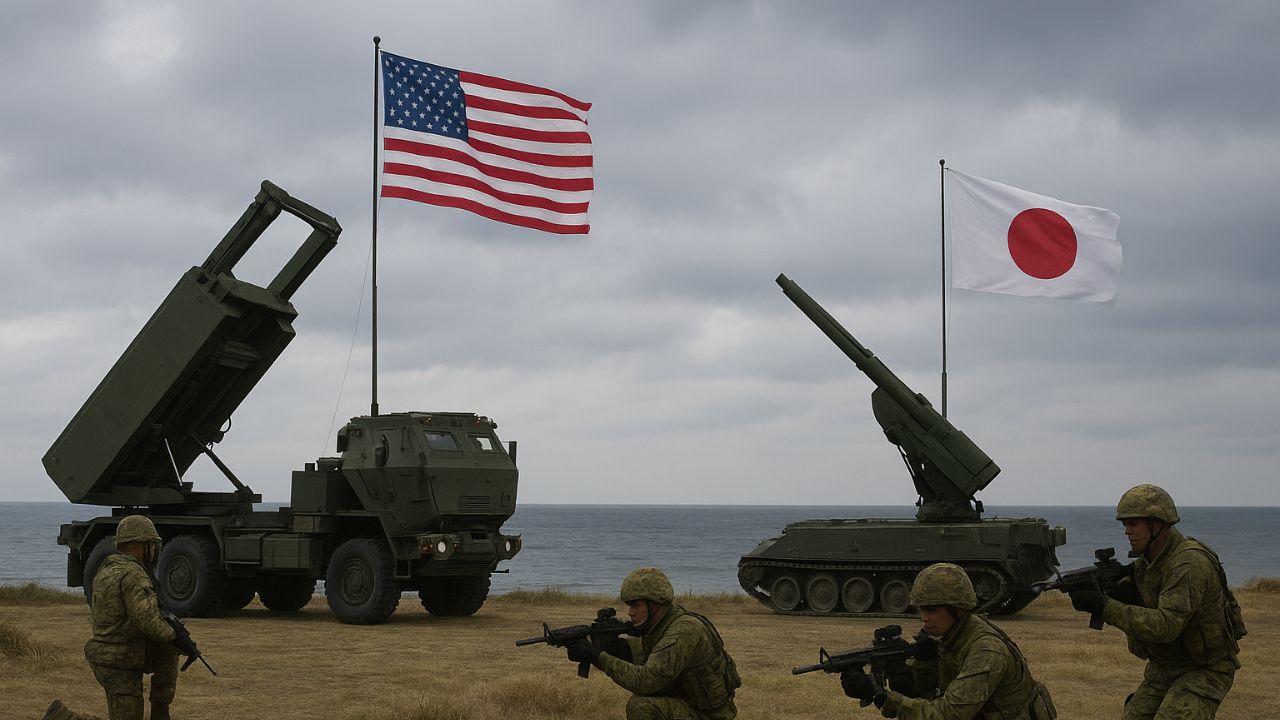

US and Japan Begin Military Exercise with Missiles, Triggering Reaction from China, Which Accuses the Practice of Threatening Regional Security.
The United States and Japan began on Thursday (09/11/25), on Japanese territory, two weeks of joint military exercises involving advanced missile systems.
The training, named Resolute Dragon, has been described by Beijing as a direct threat to regional stability and security.
The reaction from China comes amid rising geopolitical tensions in Asia, reinforcing the strategic role of the region in the power struggle between the great powers.
-
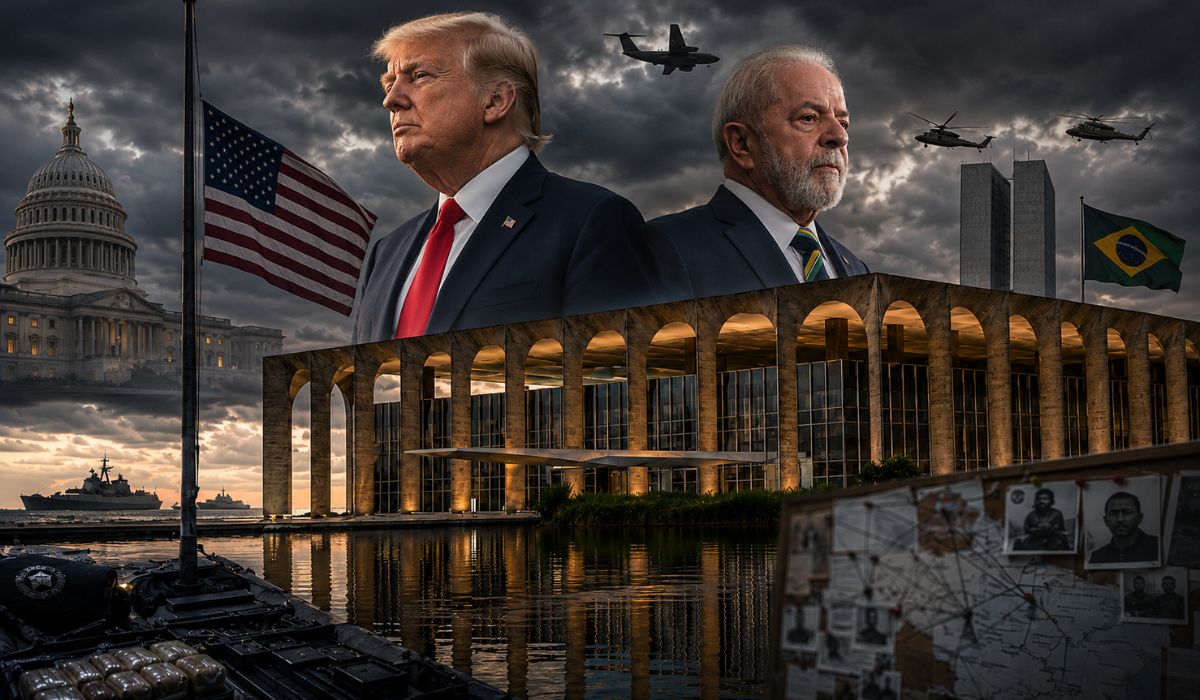
U.S. Military Intervention Risk in Brazil Raises Alarm, Highlights National Sovereignty Amid Tensions Over Washington’s Terrorist Designation of PCC and Comando Vermelho

-
Brazilian Air Force’s Sole KC-30 Aircraft Completes Strategic Mission to Spain for 105mm Anti-Tank Ammunition for Leopard 1A5 Tanks

-
Brazilian Air Force Seeks to Acquire More Gripen Fighter Jets
-
U.S. Air Force Launches Air-to-Air Missile Project with Range of Up to 1,850 km for Indo-Pacific Operations



Long-Range Missiles Highlighted in Exercises
The military training will involve the deployment of different missile models. Among them are the Typhon and NMESIS, used by the US, as well as the Type 12, which belongs to Japanese forces.
According to a statement from the US Marine Corps, the combination of systems creates a “layered” capability designed to protect strategic maritime routes, defend key territories, and enhance military deterrence.
Beijing had previously positioned itself against the use of the Typhon, also known as the Medium Range Capability (MRC) System.
The Chinese government considers its presence “a substantial threat to strategic security in the region” and has called on allies to refrain from introducing it.
Immediate Reaction from China
The spokesperson for the Chinese Ministry of Foreign Affairs, Guo Jiakun, recently stated: “The United States and Japan must respect the security concerns of other countries and should not introduce the Typhon intermediate-range missile system.”
The official condemnation comes shortly after a military parade in Beijing, where China showcased its latest missile systems.
The event was attended by President Xi Jinping, accompanied by Russian President Vladimir Putin and North Korean leader Kim Jong Un, reinforcing the strategic alliance between the countries.
Diplomacy Alongside Military Buildup
As military exercises gain momentum, the diplomatic field is also active.
Shortly before the start of Resolute Dragon, US Secretary of Defense Pete Hegseth participated in a videoconference with Chinese Defense Minister Admiral Dong Jun. According to the Pentagon, the dialogue was “sincere and constructive,” representing an attempt to reduce tensions.
Additionally, US Secretary of State Marco Rubio spoke by phone with Chinese Foreign Minister Wang Yi.
The official note emphasized that both sides considered the contact “timely, necessary, and productive,” highlighting the importance of keeping diplomatic channels active even amid differences.
Possible Meeting Between Xi and Trump
Military movements occur during a time of growing anticipation for a possible summit between Xi Jinping and Donald Trump later this fall.
According to US officials, the former president is expected to travel to South Korea in October for an Asia-Pacific Economic Cooperation (APEC) meeting, considered a key moment for bilateral negotiations.
US Congress Resumes Contact with Beijing
Another sign of rapprochement comes from the US Congress. A bipartisan group from the House of Representatives plans to visit China later this month, marking the first official trip of its kind in over six years.
The visit is seen as an opportunity to ease tensions and explore areas of cooperation amid military and trade disputes.
Escalation of Tensions in the Asia-Pacific
The joint military exercise between Japan and the US, using medium-range missiles, represents a new chapter in the strategic dispute directly involving China.
As Washington strengthens its presence in the Indo-Pacific, Beijing views the movement as an attempt to contain its expansion.
Thus, the military training becomes more than just an exercise: it serves as a clear signal of the growing rivalry between the powers, which balance displays of strength with diplomatic gestures in an effort to maintain the fragile regional peace.