Portuguese
  Spanish


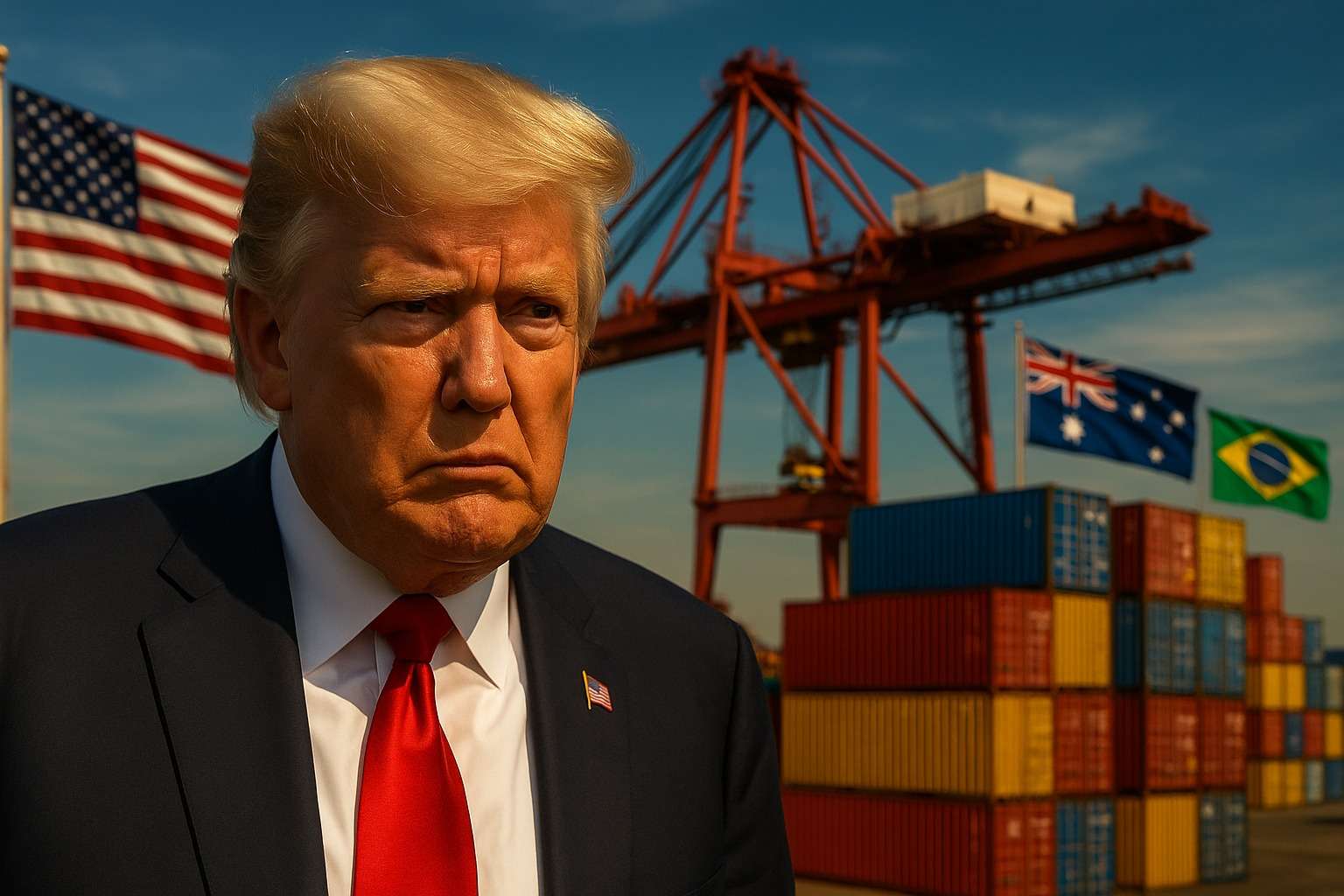


The Dispute Between Washington and Beijing Reduced American Sales to Less Than US$ 10 Million, While Brazil and Australia Expanded Participation.
Australian beef has taken the place of exports left by the United States in the Chinese market since Donald Trump’s return to the White House.
This shift redirected hundreds of millions of dollars that previously boosted American livestock to Australian slaughterhouses and also consolidated Brazil as the leading supplier of beef to China.
According to Reuters, American shipments to China, which reached US$ 120 million monthly, collapsed after Beijing did not renew the licenses of hundreds of U.S. slaughterhouses in March, in the context of the trade war intensified by Trump.
-
23-Year-Old Brazilian Turns Beekeeping into College Tuition, Harvesting Honey Twice a Year from 50 Hives

-
10-Year-Old Boy Persists After Being Told He’s Too Young, Now Helps Manage Brazilian Farm and Launches New Project
-
Chinese Farmers Develop “Blanket Greenhouses” to Grow Vegetables in Extreme Winter Without Heaters

-
Centuries Before Modern Greenhouses, English Gardeners Used Horse Manure to Grow Pineapples in Cold Climates





Exports plummeted to just US$ 8.1 million in July and US$ 9.5 million in August, compared to US$ 118 million and US$ 125 million in the same months of 2024.
Australia Gains Space
Australia took advantage of the gap and raised sales to China from an average of US$ 140 million per month to US$ 221 million in July and US$ 226 million in August.
This rapid substitution occurs because Australian beef has characteristics closer to the American offer, especially in feedlot cattle, a factor that favored its acceptance in the Chinese market.
Brazil Strengthens Position
Meanwhile, Brazil expanded its lead as the largest global exporter of beef. Data from Abrafrigo and Secex shows that, in August 2025, the country shipped 359,400 tons, generating US$ 1.66 billion in revenue.
The result represents a 19% increase in volume and a 49% increase in revenue compared to the previous year.
From January to August, Brazilian exports totaled 2.41 million tons, a 19% increase compared to the same period in 2024.
Revenue reached US$ 10.8 billion, a 34% increase. China absorbed nearly 40% of this volume, with 948.4 thousand tons, an increase of 41% over the previous year.
In August alone, Chinese purchases jumped from 106 thousand tons in 2024 to 158 thousand tons in 2025, a 50% expansion.
Global Scenario
The impasse between Washington and Beijing is expected to continue harming American slaughterhouses. According to Joe Schuele, spokesman for the U.S. Meat Export Federation, the issue is “intertwined with other trade disputes” and is not expected to be resolved in the short term.
In this context, Australia’s record production and Brazilian competitiveness reinforce the loss of space for the U.S. in the world’s largest beef market.