






 Portuguese
  Spanish


In The 1920s, The US Invested Millions In The Construction Of A Subway That Promised To Revolutionize Urban Mobility. However, Financial Problems Led To The Abandonment Of The Work In 1928.
Cincinnati, with its 311,000 inhabitants, hides a curious secret beneath its streets: a giant network of subway tunnels that was never completed. It’s there, abandoned and forgotten for over 100 years.
The idea was ambitious back at the beginning of the 20th century, but it ended up becoming just a giant “what if.” Now, the city is thinking about giving the space a makeover. Who knows, one day, these tunnels might gain real utility and come out of limbo. Let’s explore this story in more detail.
The Dream Of An Underground Subway
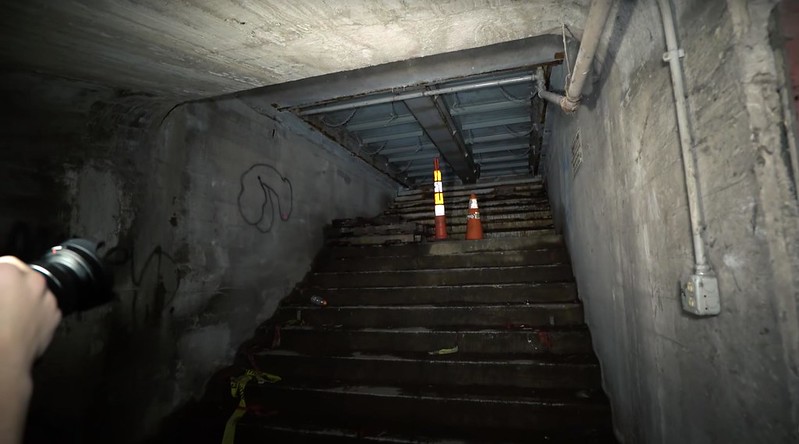
In 1910, Cincinnati was in full expansion, with its population surpassing 360,000 inhabitants. It was a time of optimism and growth, and the idea of building an underground subway network seemed a natural step to modernize the city.
-
Brazilian Woman Transforms Ambulance into Solar-Powered Mobile Home for Remote Work and Travel Adventures

-
Oil Company Robots Discover 3,300-Year-Old Canaanite Shipwreck in the Mediterranean, Proving Ancient Mariners Navigated Open Seas by Stars Long Before Historians Thought

-
Facing high rent costs in Brazil, couple swaps apartment for life on a sailboat, reducing expenses significantly.

-
Avoiding the rental cycle, 26-year-old transforms school bus into a solar-powered mobile home for road living, spending up to $35,000 on renovations.


The proposal for a transportation system that would extend over 36 kilometers was well received by residents, merchants, and the media, resulting in strong public support.
On April 17, 1917, just days after the United States entered World War I, a vote was held that approved the project.
But the war had a significant impact: costs rose, resources became scarce, and by 1920, the construction began to face serious obstacles.
The Challenges And The Abandonment
Despite the initial excitement, the construction of the Cincinnati subway soon encountered major difficulties. Damage to nearby buildings and legal disputes began to hinder the progress of the works. In 1927, when 11 kilometers of tunnels had already been excavated, funding ran out.
The media, which had previously supported the project, turned against it, and in 1928 the subway was officially canceled.
In the following years, several proposals emerged to reuse the tunnels, but none of them advanced significantly. During World War II, it was suggested to use the subway as an air raid shelter, but that idea was also abandoned.
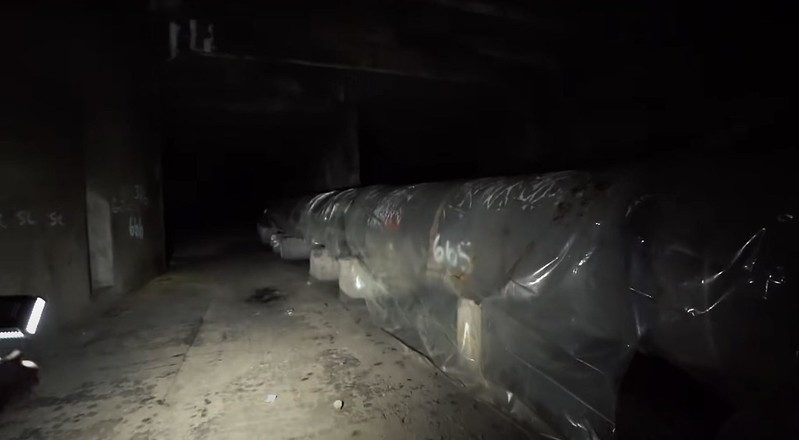
In the 1950s, the tunnels were used to install a large water pipeline, and in 1960, a nuclear shelter was set up at the Liberty station. Other ideas, such as creating an underground shopping center or using it for filming, also failed.
The Largest Abandoned Subway In The United States
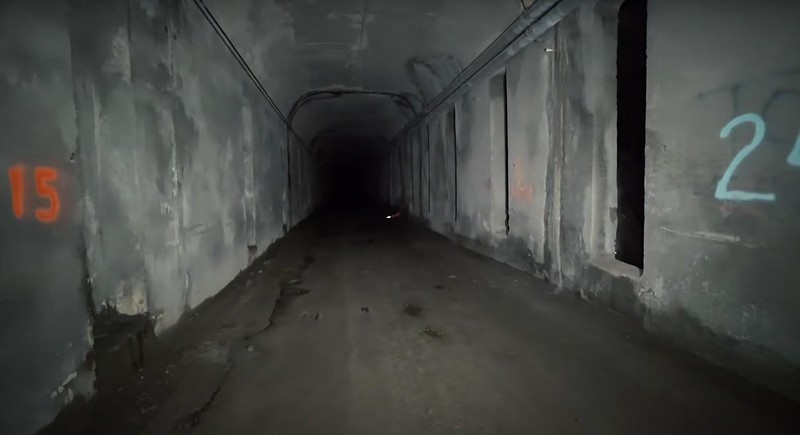
Currently, the Cincinnati subway is considered the largest abandoned underground facility in the country.
And despite the frustrated plans over the decades, the city is still looking for ways to reuse the tunnels. Recently, the city council sent out a request for interested companies to present ideas for revitalizing the site.
The proposal seeks ideas on how to transform the tunnel, which runs under Central Parkway, into a functional project.
In a document sent to the press, the council stated that the goal of the request is “to gather information on the feasibility of reuse” of the tunnel and that this is just the beginning of a process that could eventually lead to a formal proposal.
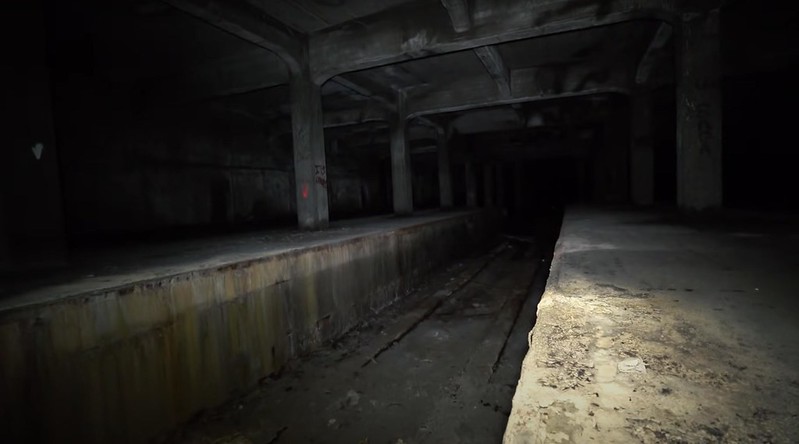
The Future Of The Cincinnati Subway Tunnel
The city of Cincinnati currently holds ownership of the tunnel, but its condition is not the best.
According to a 2023 inspection report, the tunnels show signs of leakage, cracks, and concrete deterioration, along with the presence of stalactites and salt coatings resulting from accumulated moisture over the years.
The city stated that if the reuse project moves forward, the water pipeline will be removed, but the rest of the tunnel will be maintained.
While the city has drawn attention to the dilapidated state of the tunnels, there’s no doubt that many still see potential in this underground space.
The exploration of these tunnels, for example, has attracted groups of “urban explorers,” such as the group “The Proper People,” which recently published a video showing the current state of the tunnels. This activity, by the way, has helped maintain interest in the project and its history.
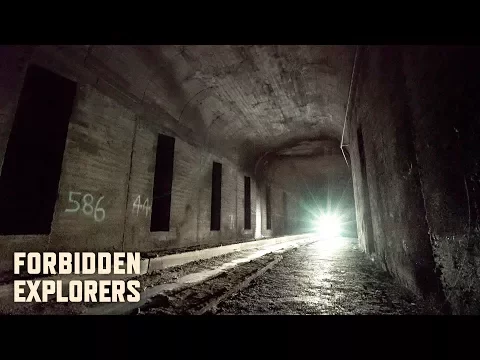

Proposals And Expectations
The city of Cincinnati is now awaiting suggestions to give new life to its abandoned tunnels. Among the ideas circulating are the use of the spaces for cultural events, art centers, or even for commercial development.
The reuse of this space is an attempt to revitalize an important part of the city, which remains shrouded in mystery and nostalgia to this day.
However, it is still early to know if this project will be successful. While the city receives proposals, the condition of the tunnels and the costs of restoration and adaptation are factors that must be carefully evaluated.
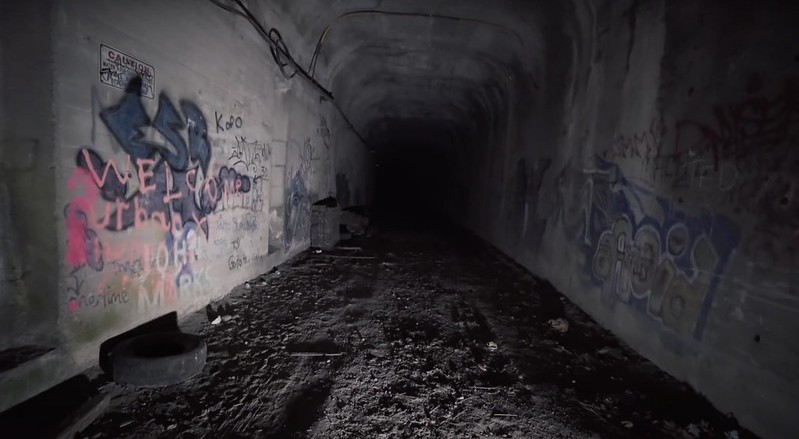
But for now, Cincinnati continues to search for solutions to transform what was a major failure into a potential asset for the future.








Fácil usa os túneis pra continuar escondendo a miséria do país, os nóias e drogados, mostra só a parte bonita da maçã,como sempre fez. Já não engana mais ninguém.