Portuguese
  Spanish




New Silk Road of China Could Change Brazil Forever, Bringing Billions in Investments. However, Dependence and Indebtedness Are Risks to Be Considered. Is Brazil Ready for This Transformation or Will It Be Another Victim of Financial Traps?
Behind the scenes of the global scenario, a movement that promises to shake the economic and political structures of Brazil is underway.
China, with its billions, signals interest in investing in the construction of Brazilian railways and highways, a plan that not only transforms national infrastructure but also places Brazil in a strategic position on the global chessboard.
However, this raises a crucial question: Should Brazil really open its doors to such investment? The answer could influence the country’s economic future in ways that many still cannot foresee.
-
Brazil Deploys Navy Field Hospital with ICU, Orthopedics, Pediatrics to Earthquake-Stricken Area in Venezuela, Offering 30 Beds and 150 Daily Consultations

-
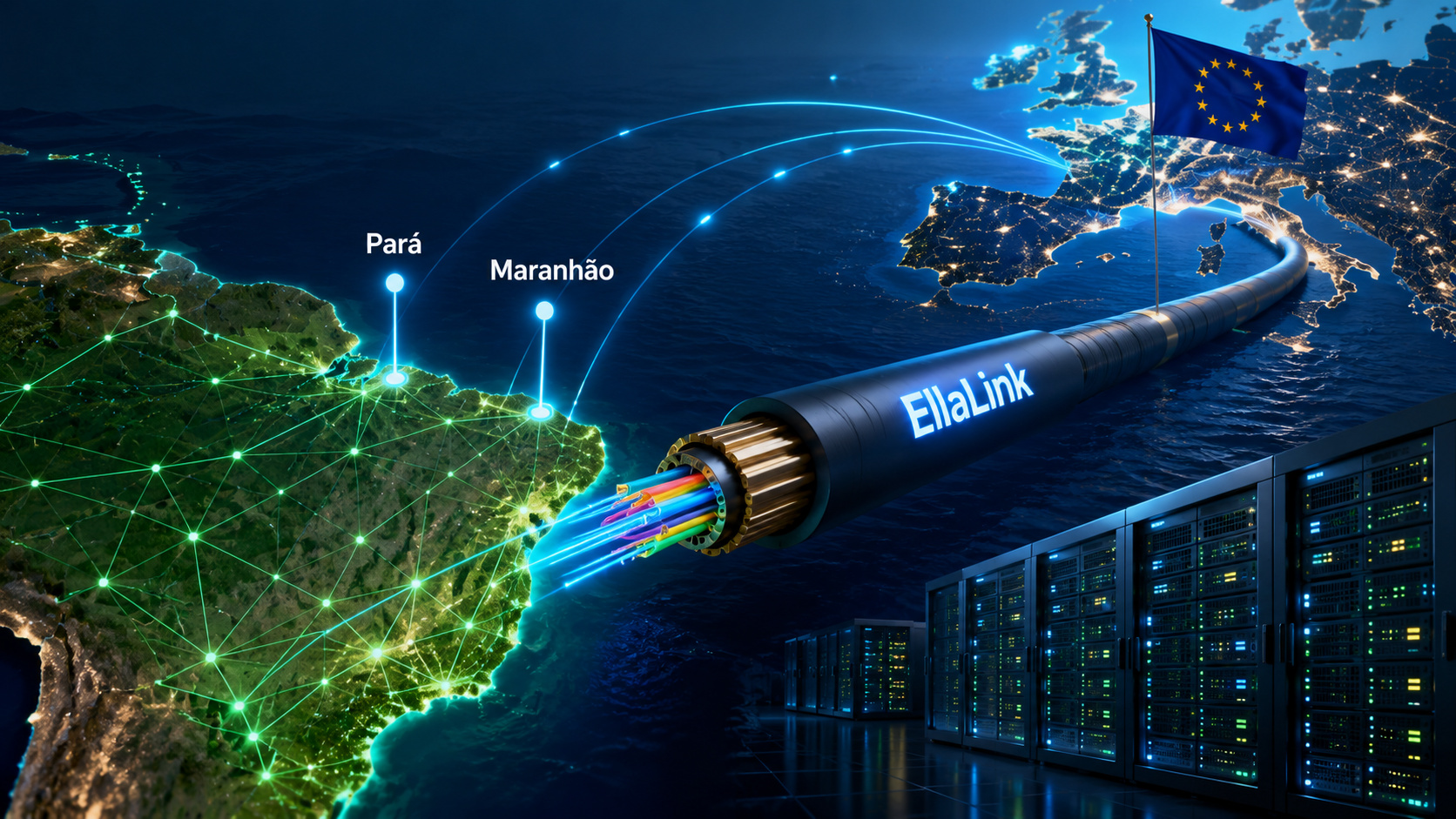
European Union Announces €260 Million Investment to Extend EllaLink Submarine Cable to Northern Brazil, Reducing Digital Dependence on U.S. Routes

-
U.S. Women’s History Museum Stalled in Congress Amid Gender Identity and Diversity Debate
-
European Parliament Approves Digital Euro, Aiming to Challenge Visa and Mastercard’s Dominance and Transform Payments Across Europe by 2029



The New Silk Road: A Global Megaproject
The New Silk Road, officially called the Belt and Road Initiative, is an ambitious project from China that seeks to create a global network of infrastructure.
Since its launch in 2013, more than 150 countries have already joined this initiative, which involves figures exceeding a trillion dollars.
The proposal aims primarily to finance the construction of infrastructures such as ports, highways, and railways in developing countries.
According to World Bank estimates, this project could boost the global economy by up to 2.99% and generate up to 7 trillion dollars by 2040.
Benefits of Brazil Joining the Initiative
Investment in Brazilian infrastructure could bring several advantages:
- Necessary Modernization: The country faces shortcomings in its infrastructure, and this accession could inject essential capital to address these deficiencies.
- Strengthening Trade Relations: Closer ties with China could improve trade conditions and open new economic development opportunities.
- Job Creation: Infrastructure projects not only modernize the country but also generate a significant number of jobs.
Risks Involved in the Partnership
However, it’s not all smooth sailing. Joining the New Silk Road comes with significant risks, with indebtedness being one of the most concerning.
Many countries that entered this project have faced financial difficulties due to high-interest rates and financing conditions imposed by China.
- Economic Dependence: Brazil could become dependent on Chinese resources, limiting its economic autonomy.
- Opaque Financing Conditions: A lack of clarity regarding interest rates and payment terms creates uncertainty.
- Political Consequences: Joining the initiative may be interpreted as aligning with Chinese policy, which could negatively impact relations with other nations, particularly the United States.
Brazil’s Role in the Current Geopolitical Scenario
Brazil’s decision regarding the New Silk Road is not merely an economic issue. The current geopolitical landscape, marked by tensions between the United States and China, plays a crucial role.
Joining the initiative could be an opportunity for Brazil to diversify its partnerships and seek new investment sources, but this must be done cautiously.
Divergence in the Brazilian Government
Within the Brazilian government, there are divergent opinions regarding joining the New Silk Road. While some believe that existing relations with China are sufficient, others argue that the potential benefits justify the accession.
The visit of Chinese President Xi Jinping to Brazil during the G20 summit in November will be a decisive moment to discuss this accession and its advantages.
The Future of Brazil in the New Silk Road
The New Silk Road presents a significant opportunity for Brazil, but it is also a minefield of risks.
Joining could provide the necessary investments to modernize infrastructure and strengthen trade ties with China, but this may come at the cost of increased indebtedness and economic dependence. Is Brazil prepared to navigate this path of uncertainties?