






 Portuguese
  Spanish


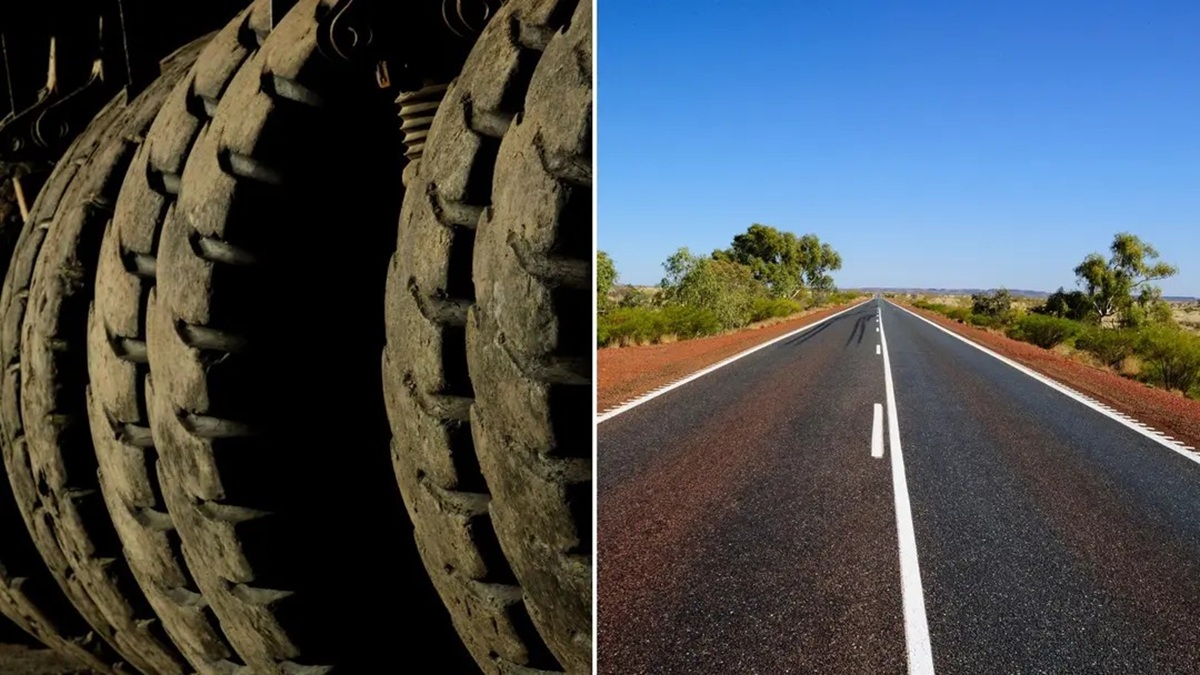


The Team at Charles Darwin University Evaluates Mixtures of Crushed Rubber and Recycled Plastics to Create Pavements More Resistant to Extreme Heat, Reducing Costs, Extending Road Lifespan, and Promoting Circular Economy in the Northern Territory
In the Northern Territory of Australia, millions of discarded tires continue to accumulate each year, with about half ending up in landfills and the remainder going to recycling in other states, a situation that motivates research on resilient paving.
Charles Darwin University conducts tests with bitumen and asphalt combined with crushed truck and passenger vehicle tires, as well as recycled plastics, seeking to create surfaces capable of withstanding typical environmental stresses of the region.
The research examines the behavior of these mixtures under intense heat, UV radiation, and other adverse conditions that affect local pavement, as roads designed for cold environments fail easily in the Northern Territory.
-
The Trap of Modern Technology: How Screen Overload and Digital Connections Can Impact Your Mental Health and Well-being

-
Wyoming Couple Grows Tropical Fruits Year-Round in -40°C Using Geothermal Greenhouse, Demonstrating Earth’s Heat Can Produce Oranges and Lemons in Snow Without Traditional Heating

-
Ship Returns from Brazilian Coast with Thirty Newly Discovered Life Forms
-
Nigerian Professor Invents Electricity-Free Refrigerator Using Clay Pots and Wet Sand, Extending Shelf Life of Vegetables to 27 Days; 7,000 Units Distributed in Energy-Deprived Villages


Adaptation of Materials to Extreme Heat
Ramin Shahbazi, a PhD student at CDU and the study’s lead author, stated that the hot climate causes different chemical reactions in the pavement, making the material harder or more brittle and leading to premature failures in the roads.
He explained that the incorporation of rubber and recycled plastics aims to match or even exceed the performance of traditional compositions, eventually allowing for a reduction in costs associated with expensive polymers required for local traffic and climate.
Shahbazi argued that investing in polymers solely to meet the environmental demands of the Territory adds an environmental cost to the total infrastructure, a reality that encourages sustainable alternatives.
Evaluation of Durability of Recycled Binders
The study analyzes the durability of binders modified with granulated rubber, known as CRMB, which exhibit resistance to oxidative aging, thermal effects, and UV radiation, extending the potential lifespan of asphalt.
In contrast, the performance of binders modified with recycled plastic, called RPMB, varies according to the polymer used, dosage applied, and environmental conditions, indicating a need for further research to ensure reliability.
Moisture-induced damage is another critical point, as CRMB can improve adhesion between aggregate and binder due to chemical interactions, although undissolved rubber particles can hinder some results.
Asphalt with recycled plastics shows acceptable behavior in the presence of moisture, but scientists investigate how the melting point and chemical structure of these plastics influence the mixture, avoiding surprises in practical application.
Structuring a Regional Circular Economy
Shahbazi stated that standardizing the use of recycled materials may stimulate investments in specialized recycling facilities in the Northern Territory, strengthening a circular economy focused on local waste.
He highlighted in a statement that expanding recycling infrastructure will allow the use of regional resources, reducing environmental impacts and creating economically viable solutions for roads exposed to intense heat.
The 2023-2024 annual report from Tire Stewardship Australia records that 500,000 tons of tires reach the end of their lifecycle in the country each year, data that reinforces the potential for reusing these materials.
By transforming waste into paving inputs, the project seeks to mitigate environmental impacts and provide resilient infrastructure to climate change, with durability adjusted to the demands of the Northern Territory.
The initiative brings together Charles Darwin University and the Department of Logistics and Infrastructure of the Northern Territory Government, a partnership aimed at realizing more sustainable and durable roads in the Australian region.
The study was published in the Journal of Traffic and Transportation Engineering, consolidating results that could guide future technical standards for the reuse of tires and plastics in road construction.
As additional information, researchers mention that tests are ongoing to refine combinations of recycled materials, ensuring consistent performance and increasing the interest of public and private investors.
The project is also reviewing historical data on tire disposal in the country, indicating that the accumulated volume pressures waste management systems and reinforces the search for alternatives, despite some details appearing confused during preliminary analyses.
The teams are also assessing secondary economic impacts, such as reduced transport of waste to other states, an element that could lower operational costs and strengthen local infrastructure, even if there are seasonal variations in the results.




Questo mi ha reso la giornata più bella. Che bel post
Os pneus usados têm aproveitamento total, sendo a borracha, fios de aço de sua estrutura e também o tecido de seu interior. A borracha além do asfalto ecológico, tem outras inúmeras aplicações. Os fios de aço estruturais, recicla-se 100%.
A borracha, também, porém nao pode ser revulcanizada.