Portuguese
  Spanish


Study Reveals That American Mine Waste Hides Lithium and Manganese Capable of Powering Millions of Electric Vehicles and Reducing External Dependence
A new study indicates that the United States could turn its mining waste into a strategic source of essential minerals.
Materials that are currently discarded could power millions of electric vehicles and reduce external dependence.
Untapped Reservoirs
Researchers analyzed 70 elements at 54 active mines. The result revealed tremendous potential.
-
Unprecedented achievement in India: a colossal 650-ton, nearly 3,000 hp excavator is transformed into 100% electric, marking a new phase in heavy mining.

-
Frightened by the speed of Chinese manufacturers, Renault decided to mimic the pace, made the new electric Twingo in just 21 months, wants to repeat the feat with 36 models by 2030, and along the way, will cut up to 2,400 engineering positions.

-
Chinese battery from Dongfeng promises to exceed 1,000 km without relying on liquid electrolyte, and the detail behind the technology could change the electric car competition.

-
The end of the automotive combustion era has already begun, but many in Brazil have not yet realized the magnitude of the shift towards Chinese electric cars.
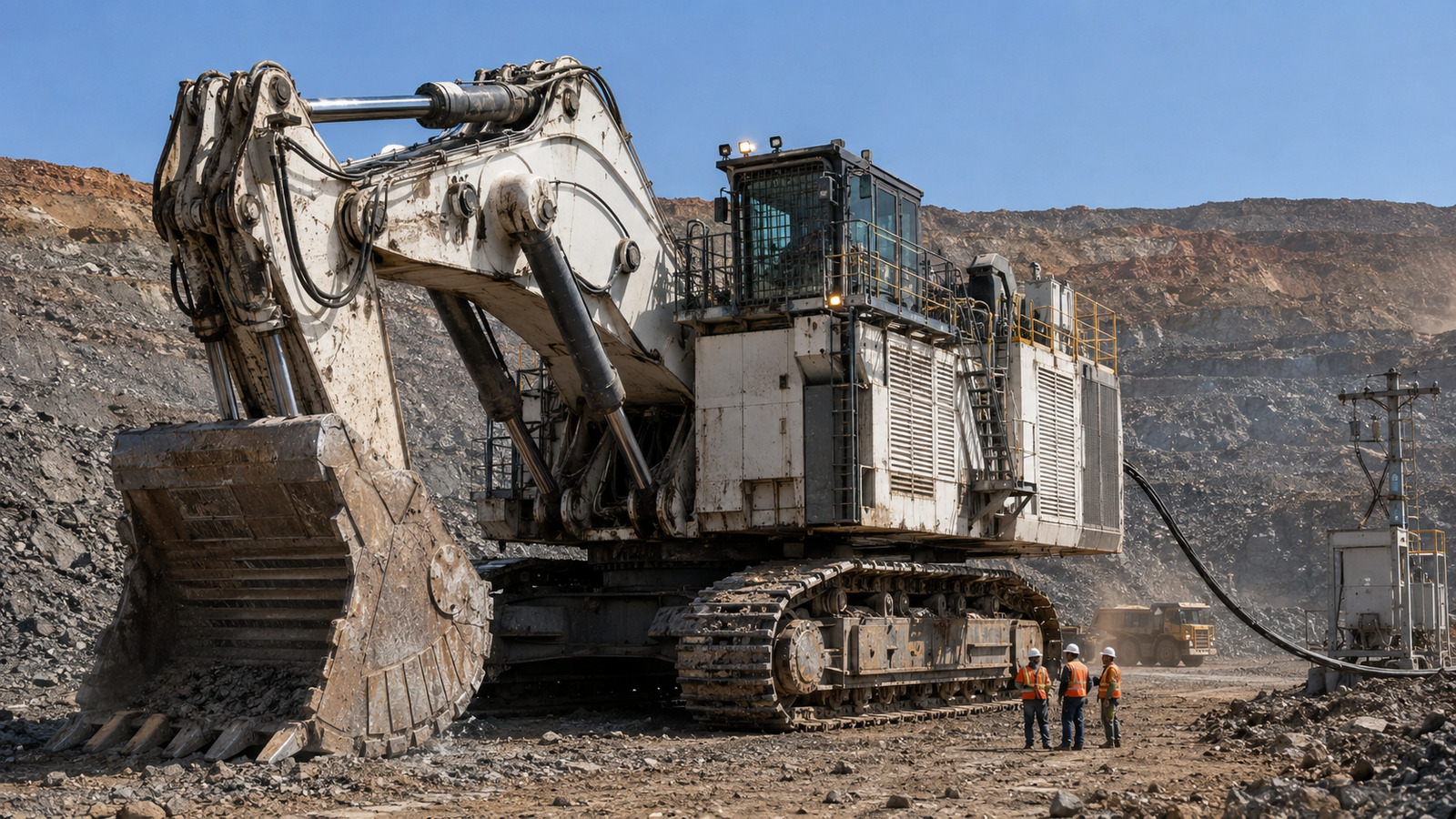
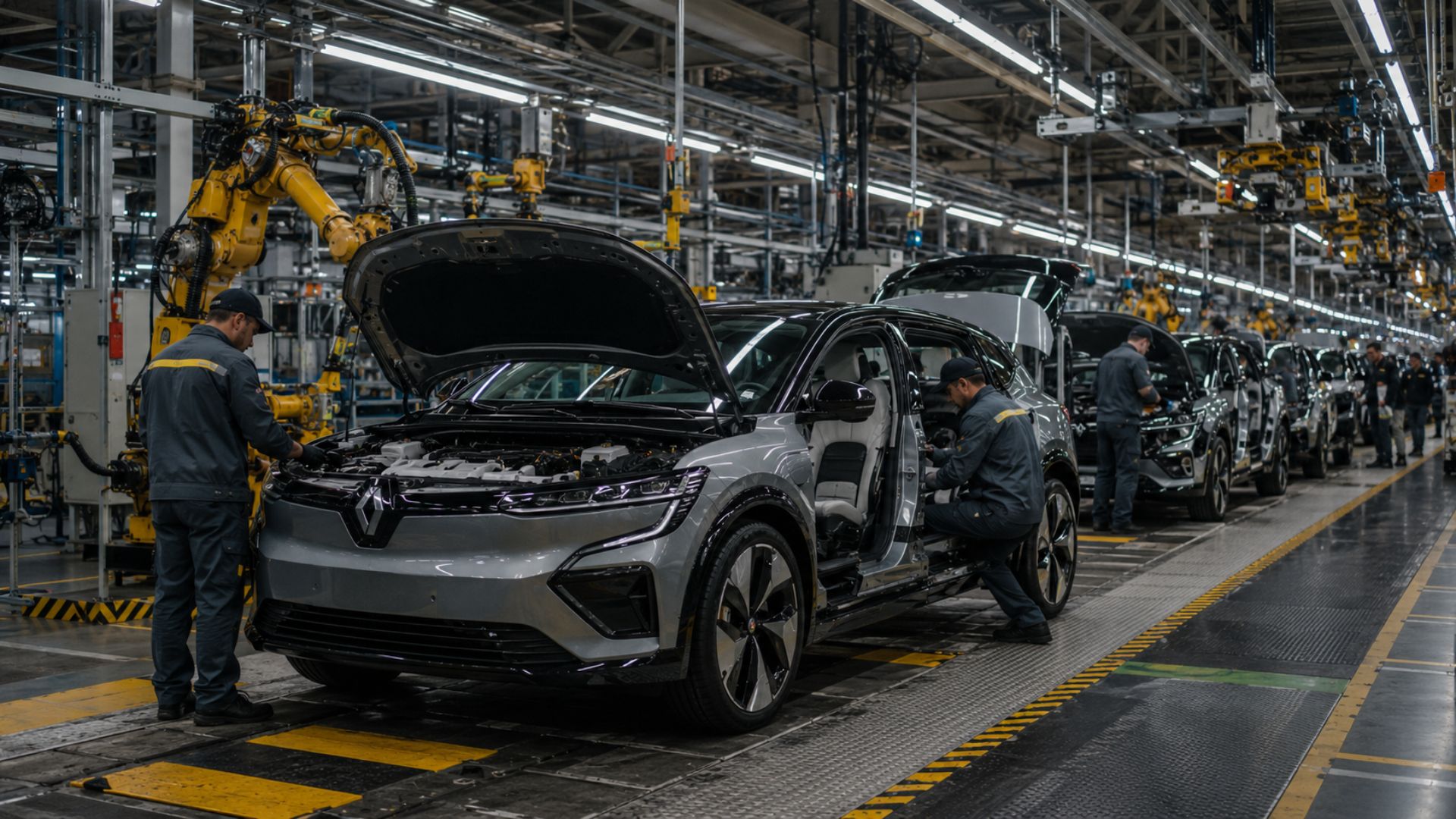
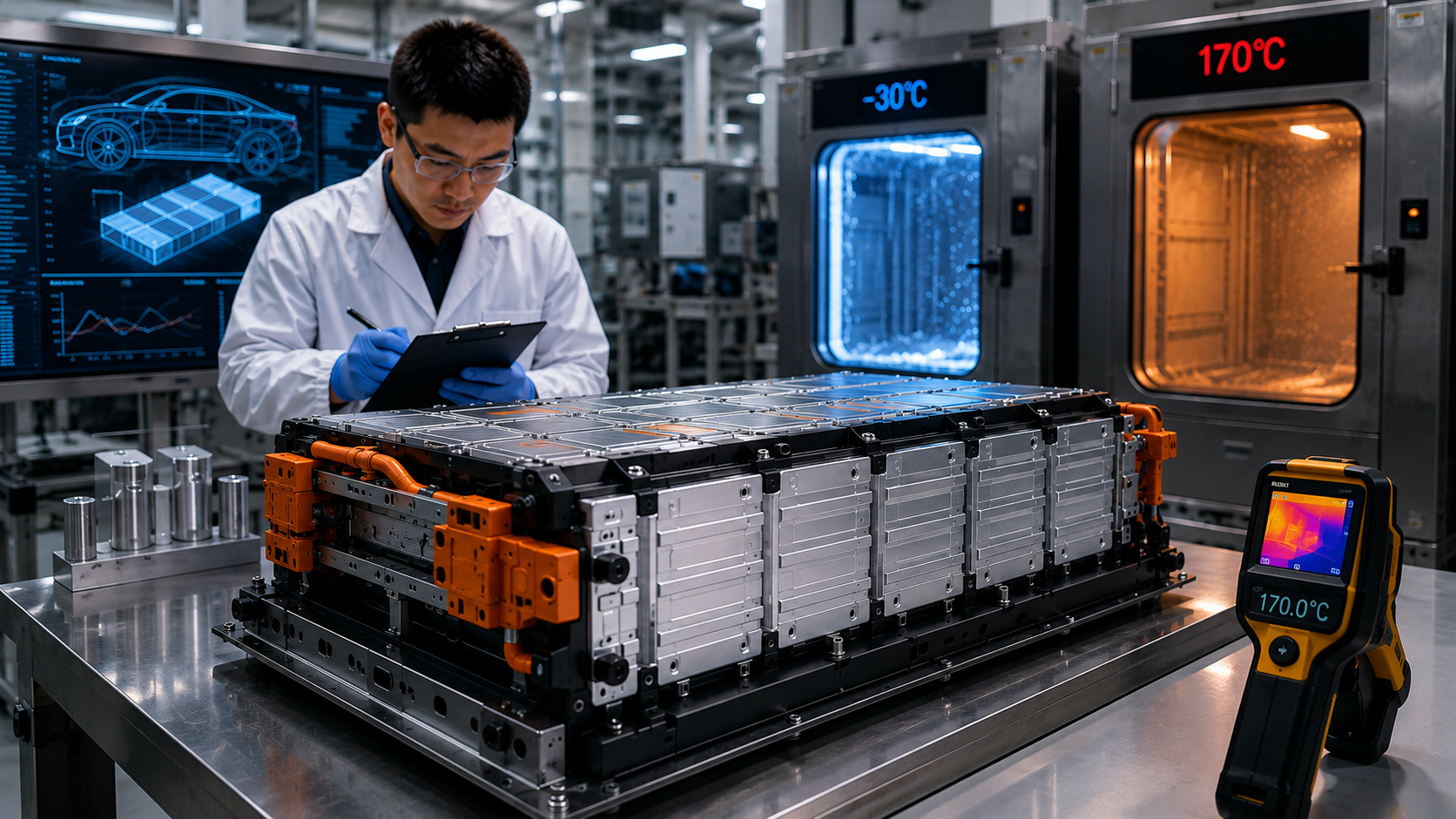
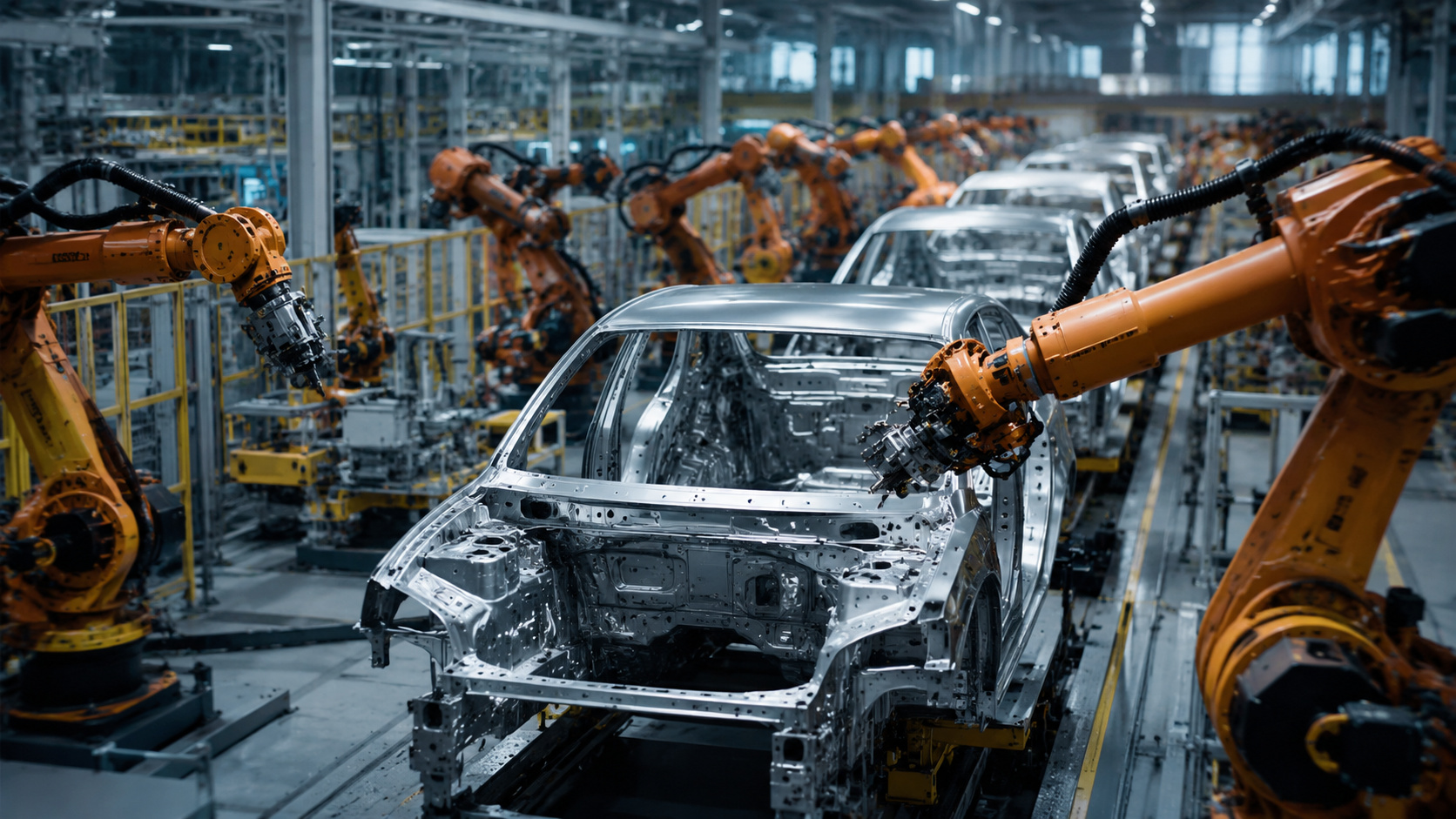
A single year of waste could provide enough lithium for 10 million electric cars and manganese for 99 million.
The numbers far exceed internal demand and current import levels.
Elizabeth Holley, a professor of mining engineering at the Colorado School of Mines, explained the central question: “We are only producing a few commodities. The question is: what else is in these rocks?”
For her, the answer is an untapped reservoir of vital minerals for batteries, solar panels, and other low-carbon technologies.
According to calculations, even modest gains would make a huge difference. Recovering just 1% of the material would substantially reduce external dependence.
In the case of lithium, a recovery rate of 4% would already cover all current imports.
Fast Track to Gains
The authors argue that the quickest way is to optimize what already exists. Holley emphasized that it would only take adding new circuits to ongoing operations. “It would be a very quick way to put a needed mineral into production,” she stated.
The study also guides where to look for each element. The Red Dog Mine in Alaska shows the highest potential for germanium.
Nickel can be found at the Stillwater and East Boulder mines in Montana. Thus, the researchers provide a strategic map for the future.
Geopolitical Pressure
The findings come at a time of great political and geopolitical pressure.
Today, most lithium comes from Australia, Chile, and China. Cobalt mostly comes from the Democratic Republic of Congo. Ensuring domestic sources has become a priority.
The Inflation Reduction Act of 2022, from then-President Joe Biden, offered incentives for domestic mineral production.
This year, Donald Trump went further and signed an executive order invoking wartime powers. The goal is to free up leases and accelerate extraction on federal lands.
The order’s text left no doubt: “Our national and economic security is now seriously threatened by our dependence on mineral production from hostile foreign powers. It is imperative that the United States take immediate steps to facilitate domestic production.”
Costs and Challenges
The magazine Grist highlighted that, while the study is promising, there are barriers. Professor Hamidreza Samouei from Texas A&M University praised the research but reminded of the obstacles.
The industry consumes enormous amounts of water and requires strong political support for recovery to be viable.
“Mining is a very outdated industry. Who will take the risk?,” questioned Samouei.
Still, he acknowledges the value of initiatives in this field. The Department of Energy has already launched a pilot program for recovering by-products.
The Pentagon, in turn, has invested US$ 400 million in the only rare earth mine operating in the country.
At the same time, Congress took the opposite direction. Legislators revoked parts of the Inflation Reduction Act that encouraged demand for critical minerals.
They also cut funding for the Geological Survey and the Office of Science at the Department of Energy.
A Broader View
For Isabel Barton, a professor of geological engineering at the University of Arizona, the essence of the study isn’t exactly new.
However, she believes the research shows a real shift in thinking. The focus shifts from being just a specific target to seeking value in the entire rock.
She noted that technical difficulty varies greatly. “Some are probably relatively simple. Others are terribly difficult to reach,” she said.
The decisive factor will continue to be cost. “Mining companies are there to make a profit.”
From Study to Strategy
The next step is to turn potential into practical action. Holley explained that funding for critical minerals has been scattershot.
With the new study, it would be possible to build a clear strategy, tailored mine by mine.
The expectation is that this type of approach will allow the U.S. to better explore its own resources while simultaneously reducing external risks.
Therefore, the analysis shows that waste, previously seen as disposable, can become central pieces in a new mineral policy.
The challenge will be to balance costs, technology, and political will so that what is currently waste transforms into opportunity.