






 Portuguese
  Spanish
  5 min of reading
  0 comments


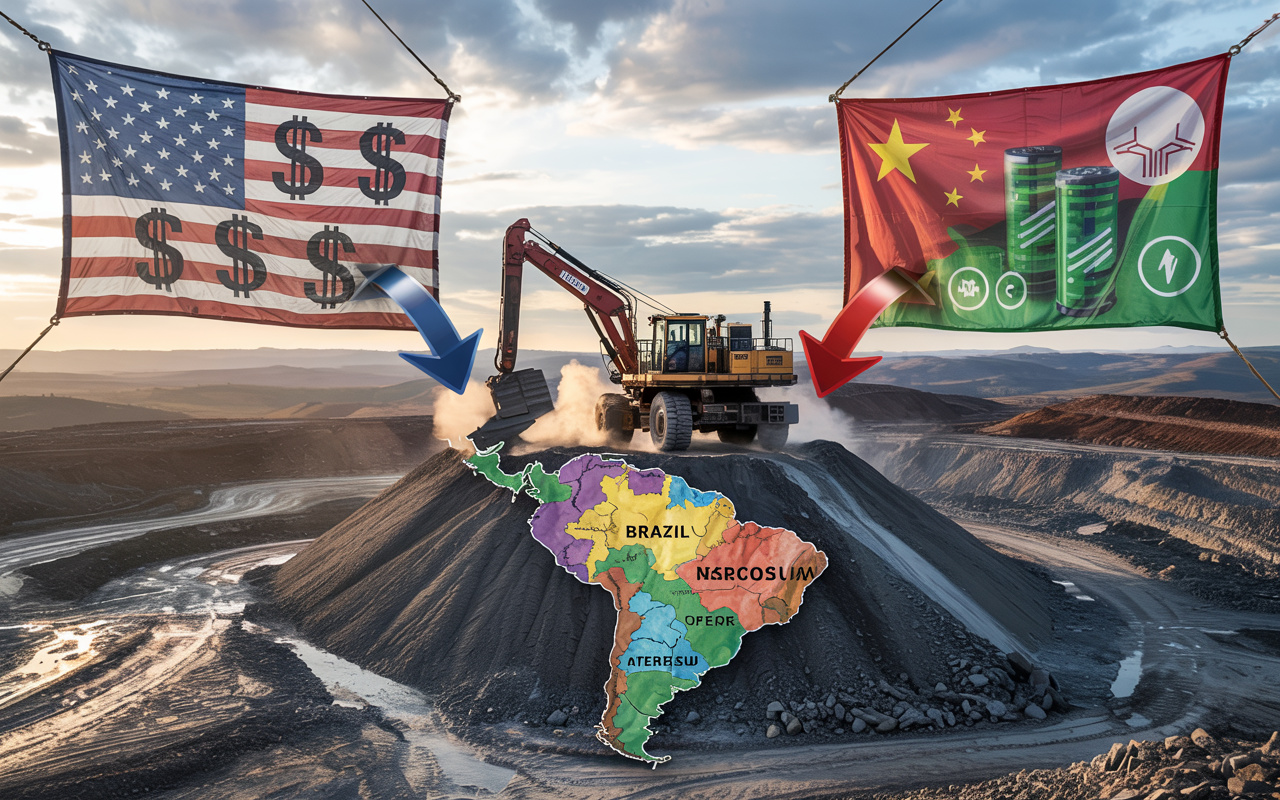
Brazil Becomes Key Player in Global Battle for Strategic Minerals. The USA Seeks Deals with Mercosur to Access Lithium, Niobium, and Rare Earths, While China Wants Brazil to Prioritize Contracts and Supply
Brazil has become a key player in the global scenario of strategic minerals, especially lithium, niobium, and rare earths, essential for technology, renewable energy, and defense industries. In recent months, the USA has intensified negotiations with Mercosur countries, especially Brazil, to secure access to these strategic resources. At the same time, China wants Brazil to prioritize its interests, consolidating its dominant position in global battery and green technology supply chains.
This dispute highlights Brazil’s geopolitical and economic importance, as it holds significant and nearly exclusive reserves of these minerals. How the country manages these relationships could define its relevance in the global market for decades.
The Strategic Interest of the USA and Mercosur
The U.S. Department of Commerce and representatives of the U.S. government are seeking bilateral and regional agreements with Mercosur to ensure a supply of critical minerals. Among the main resources are lithium, essential for electric vehicle batteries; niobium, fundamental for high-strength metal alloys; and rare earths, indispensable in electronics and renewable energy systems.
-
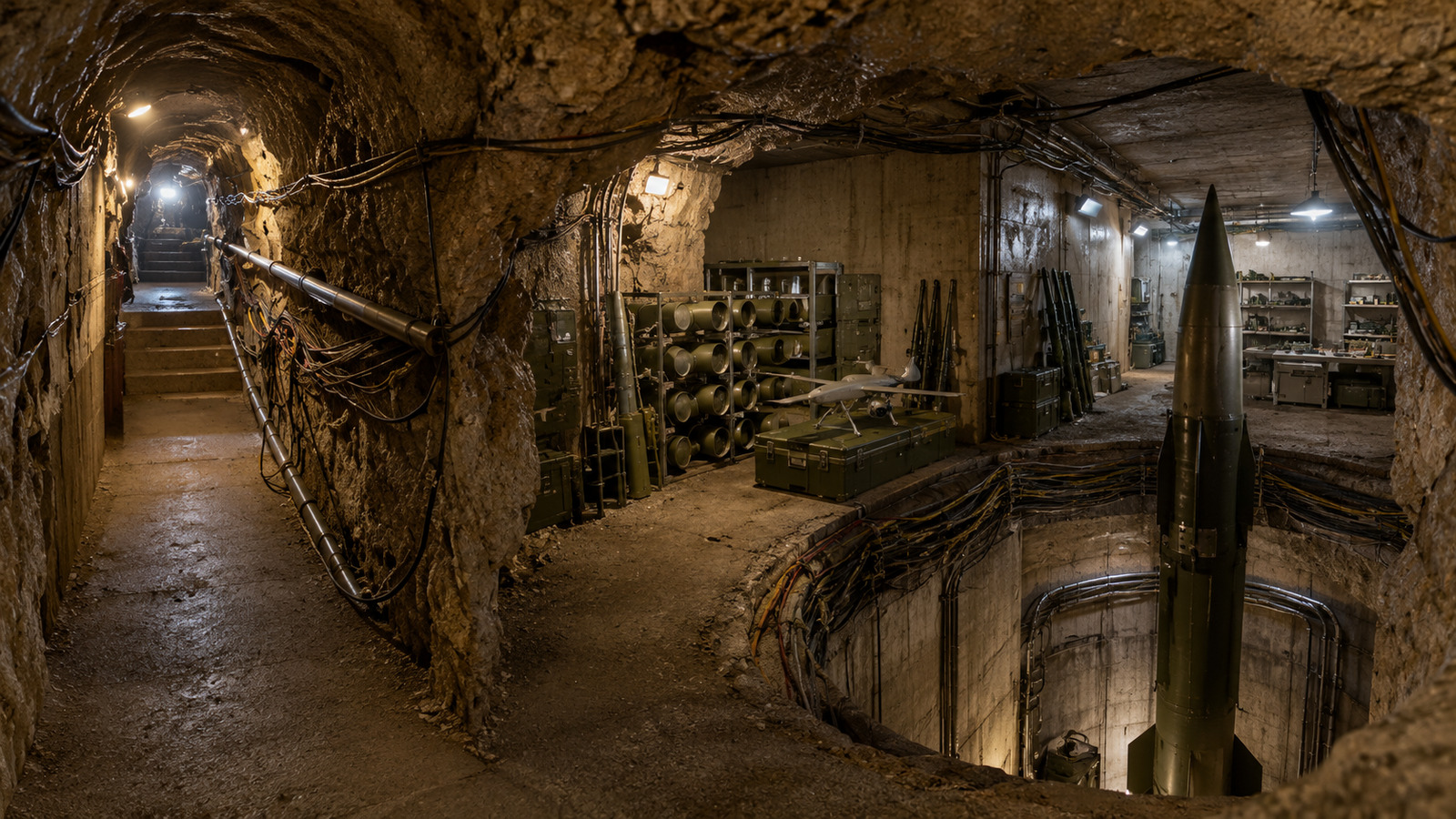
Israel finds Hezbollah militarized tunnel over 200 meters long under village, with 4 missile launch shafts, 12 chambers, anti-tank missiles, drones, and weapons depots at a depth of 25 meters.

-
Ukraine launches largest drone attack on Moscow since 2022, Russia claims to have intercepted nearly 200 aircraft near the capital, Kapotnya refinery targeted again, and offensive reignites alert about war reaching the Russian energy heart just a few kilometers from the Kremlin.

-
Truck drivers, freight, and fines from 2022 take center stage in politics: Chamber approves MP with amnesty, mandatory tracking by CIOT, million-dollar penalties, and new minimum wage for those who spend more than 24 hours on the road.

-
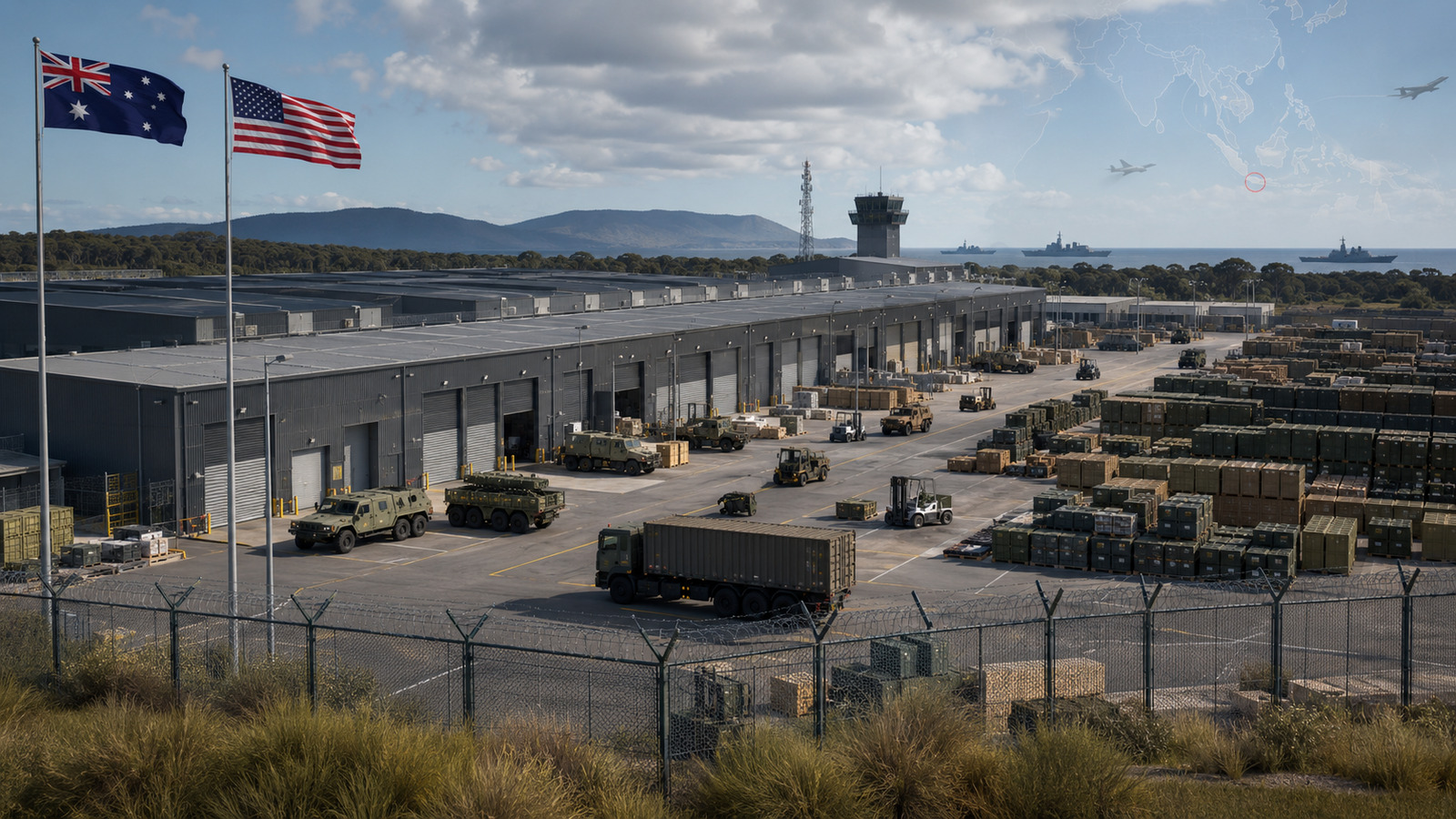
China off the radar: US plans mega $30 million weapons depot in Australia, out of reach of most Chinese missiles, with full capacity expected by 2028


The U.S. strategy is to reduce dependence on China, which currently dominates about 80% of global rare earth production and holds significant control over the lithium market. For the USA, securing partnerships with Brazil means diversifying its sources and increasing supply chain security, especially in strategic defense and clean energy sectors.
According to the U.S. Mining Council, the country plans to invest billions in sustainable mining and processing technologies in partnership with Mercosur countries, including Brazil, highlighting the importance of quick and effective negotiations.
Strategic Reserves of Brazil in Lithium, Niobium, and Rare Earths

Brazil holds about 98% of global niobium reserves, primarily concentrated in Minas Gerais, and produces around 7,000 tons of lithium annually, with expansion expected in the coming years. Rare earths, while less explored, have significant potential in states like Goiás, Minas Gerais, and Paraná, representing a strategic opportunity in the medium and long term.
The country also has geologically superior reserves compared to the global average, increasing its negotiation value against international powers.
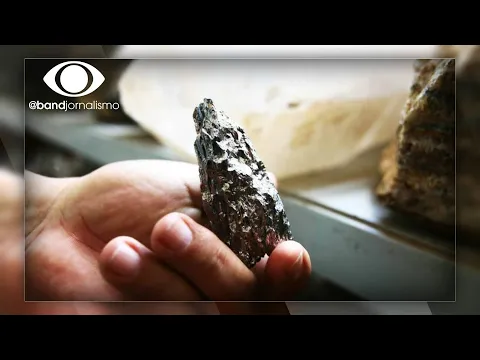
Brazil is the world’s largest producer of niobium, accounting for more than 90% of global production, with a focus on Minas Gerais, where its main reserves are concentrated, consolidating the country as an essential supplier for the technology and defense industries.
In addition to quantity, Brazil benefits from relative political stability, transportation infrastructure, and a consolidated mining sector, making international investments safer.
China Wants Priority from Brazil and Global Dominance
While the USA seeks diversification, China wants Brazil’s priority in trade agreements and supply of strategic minerals. Beijing already dominates lithium production and refining, controls a large part of the global lithium-ion battery supply chain, and has investments in sustainable mining in partner countries.
The Asian country offers financing, technological partnerships, and long-term contracts, ensuring preferential access and competitive prices. This pressure places Brazil in a strategic dilemma: balancing economic and geopolitical interests, ensuring autonomy, and avoiding exclusive dependence on any power.
The Economic Impact for Brazil
The influx of investments and trade agreements with the USA and Mercosur countries can generate significant economic benefits. Among the main impacts are:
- Creation of direct and indirect jobs in the mineral and industrial sectors;
- Development of processing and refining technology for strategic minerals;
- Stimulus to the industrialization of high-value-added products;
- Consolidation of Brazil as a reliable supplier of critical minerals in the international market.
However, the competition between the USA and China demands caution. Dependence on only one international buyer can expose the country to market risks and political pressures, making the diversification of trade partners a strategic priority.
Lithium, Niobium, and Rare Earths: Strategic Minerals in Focus

Lithium: Fuel of the Batteries of the Future
Lithium is essential for electric vehicle batteries, electronics, and energy storage systems. According to BloombergNEF, global demand for lithium is expected to multiply fivefold by 2030, driven by the growth of electric vehicles and energy storage technologies.
Brazil, with expanding reserves, could become a reliable supplier outside Chinese influence, serving markets such as the USA and Europe.
The exploration of lithium also brings opportunities for technological innovation, such as the development of more efficient and durable batteries, opening space for startups and national research.
Niobium: The Strategic Metal of Brazil
Niobium is used in metal alloys for the aerospace industry, construction, and military technology. Brazil practically dominates global production, making it indispensable for high-tech sectors.
With the growing demand for modern infrastructure and high-strength equipment, Brazilian niobium gains even more relevance, becoming a strategic asset in mineral geopolitics.
Rare Earths: Critical Resources for Technology and Energy
Rare earths are fundamental for electronics, permanent magnets, wind turbines, and electric vehicles. Despite being under-explored currently, Brazilian reserves have great potential for expansion. Ensuring internal processing of these minerals and their export can position Brazil as a strategic supplier of green technologies and high-value-added products.
Challenges and Strategic Opportunities
Among the main challenges are:
- Strict environmental regulations;
- Sustainable mining policies;
- Need for investments in processing technology;
- International competition with China and other suppliers.
Opportunities are equally significant. Brazil can become a global hub for strategic minerals, with processing and export capacity, securing long-term contracts with USA, European Union, and other emerging markets. A strategy of diversifying partnerships and investing in technology is essential to reduce risks and maximize economic and geopolitical gains.
A Promising Future for Brazil in the Global Minerals Market
Brazil finds itself at the center of a strategic dispute between the USA and China, with lithium, niobium, and rare earths playing a crucial role in the global economy and energy transition. The country possesses unique reserves and potential to become a global leader in the supply chain of green technologies.
By balancing international partnerships, developing sustainable mining policies, and investing in refining and processing infrastructure, Brazil can:
- Ensure greater autonomy in international negotiations;
- Attract long-term strategic investments;
- Consolidate its geopolitical position;
- Meet the growing global demand for strategic minerals in a sustainable and profitable manner.
This dynamic highlights the importance of strategic decisions in the short and medium term, ensuring that Brazil takes a leading role in an increasingly competitive global market essential for energy and technological transition.





Be the first to react!