Portuguese
  Spanish


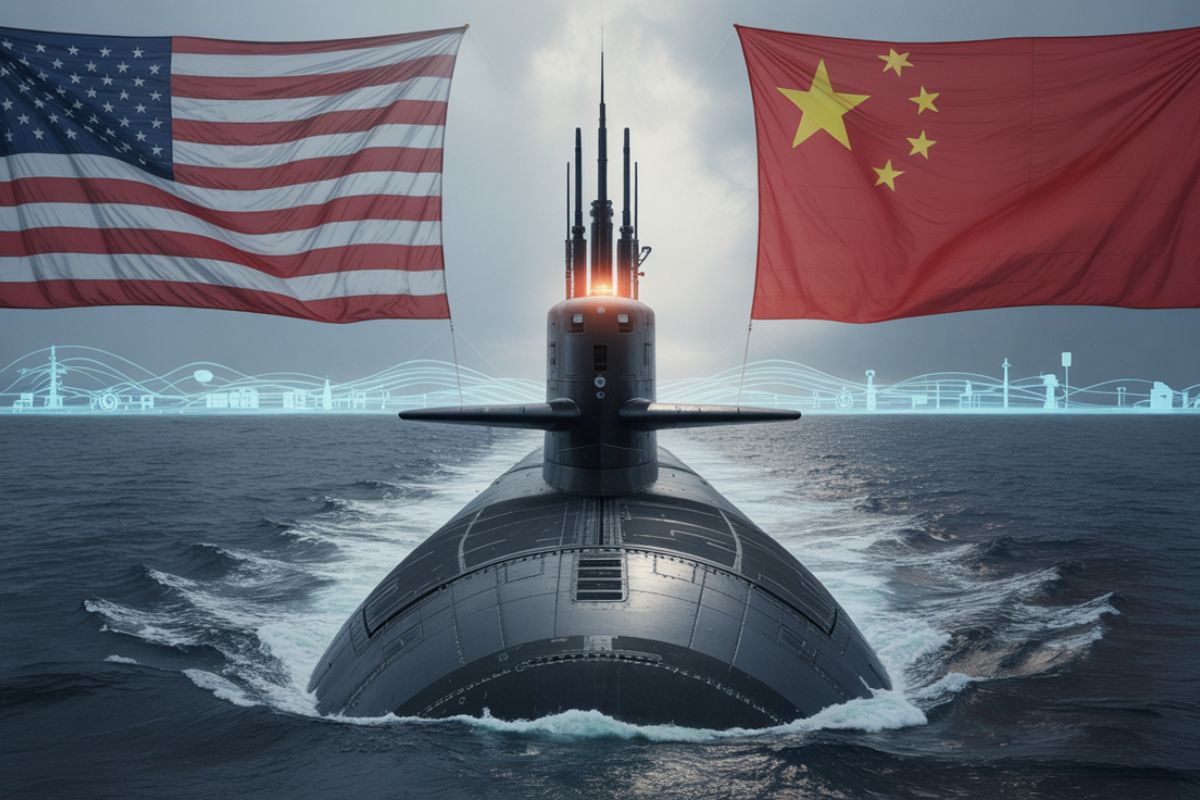

In a New Chapter of the Technology War, the US Government Studies Prohibiting the Use of Chinese-Made Submarine Cables in Its Infrastructure, Claiming National Security Risk.
The distrust between the United States and China has reached the depths of the ocean. The US government, through the Federal Communications Commission (FCC), has initiated a movement to prohibit submarine cables manufactured by Chinese companies from being connected to its territory. The justification is that this infrastructure, which is the backbone of the global internet, could be used by Beijing for espionage.
The measure represents a significant escalation in the battle for technological supremacy between the two powers. After banning 5G equipment from Huawei and ZTE, the US is now targeting submarine cables, the invisible infrastructure responsible for transporting 99% of all data traffic on the planet, including what is needed for the advancement of artificial intelligence.
The Backbone of the Internet Under Threat
Submarine cables are the “unsung heroes of global communications,” as defined by Brendan Carr, FCC chairman. They are the physical foundation upon which the digital economy and the era of artificial intelligence are being built. For the United States, ensuring the security of this infrastructure is a matter of sovereignty.
-
European Parliament Approves Digital Euro, Aiming to Challenge Visa and Mastercard’s Dominance and Transform Payments Across Europe by 2029

-
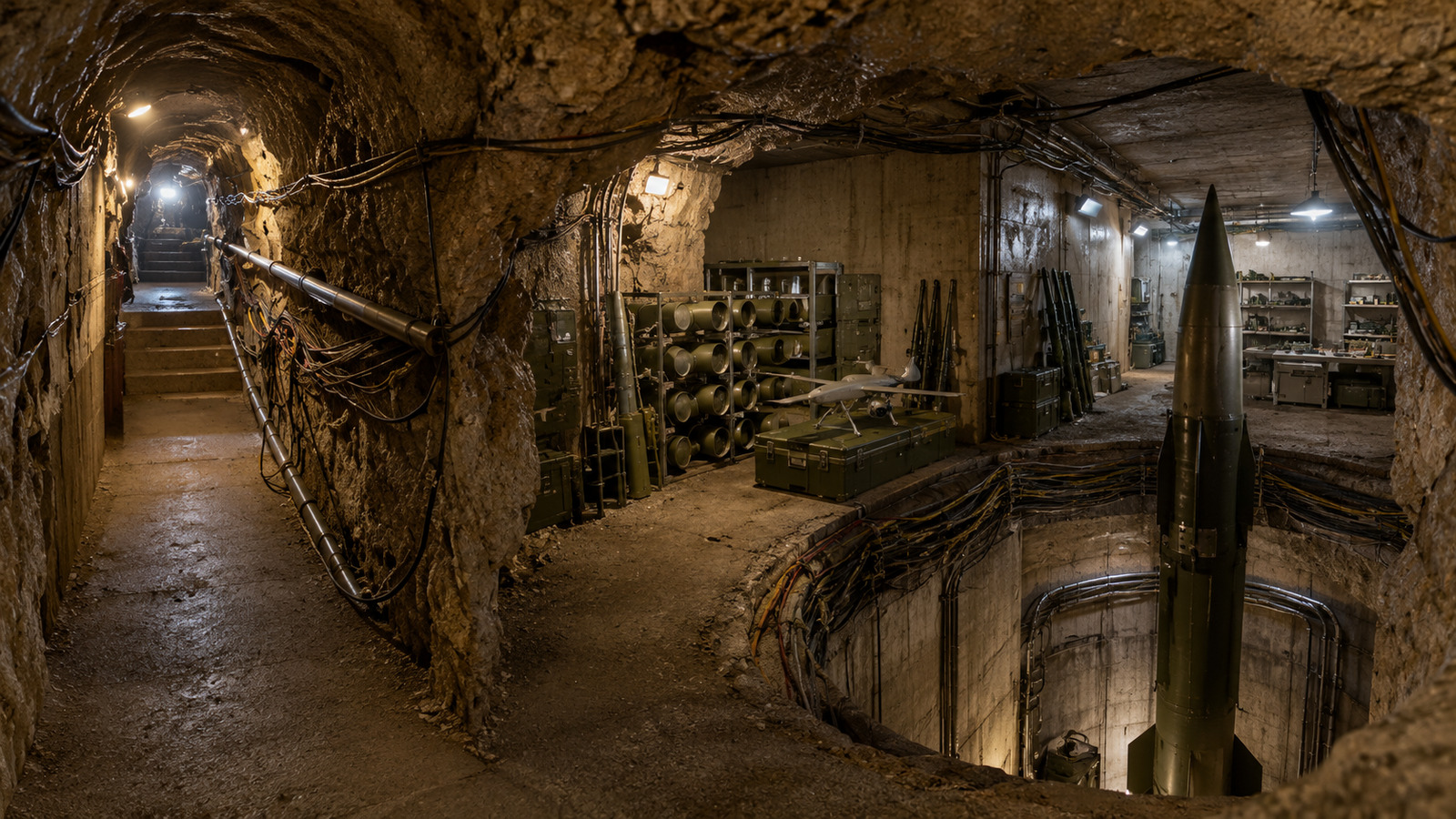
Israel finds Hezbollah militarized tunnel over 200 meters long under village, with 4 missile launch shafts, 12 chambers, anti-tank missiles, drones, and weapons depots at a depth of 25 meters.

-
Ukraine launches largest drone attack on Moscow since 2022, Russia claims to have intercepted nearly 200 aircraft near the capital, Kapotnya refinery targeted again, and offensive reignites alert about war reaching the Russian energy heart just a few kilometers from the Kremlin.

-
Truck drivers, freight, and fines from 2022 take center stage in politics: Chamber approves MP with amnesty, mandatory tracking by CIOT, million-dollar penalties, and new minimum wage for those who spend more than 24 hours on the road.



The FCC’s concern is that by allowing Chinese companies to provide this technology, the US would be opening a door for the Chinese government to monitor or even sabotage the flow of data that enters and exits the country. “We have seen how the infrastructure of submarine cables has been threatened in recent years by foreign adversaries like China,” Carr stated in an official statement.
The Chinese Ascendancy and American Distrust
Historically, the submarine cable manufacturing market has been dominated by companies from France, Italy, Japan, and the United States itself. However, in recent years, Chinese companies like Hengtong Group and Zhongtian Submarine Cable have been quickly gaining market share, offering cutting-edge technology at competitive prices.
This ascendance is met with great suspicion in Washington. The logic of the US government is the same as that applied in the case of 5G: Chinese technology companies are legally required to cooperate with their country’s intelligence services, which, in the US view, makes them an unacceptable risk to critical infrastructure security.
A New Front in the Technology War
The FCC’s proposal is clear and follows a dual approach:
- Encourage the use of American technology or that of allied countries in the installation and maintenance of the cables.
- Restrict and discourage the use of Chinese technology in any cable that connects to the United States.
If implemented, this measure will not be the first of its kind. In 2019, Donald Trump’s government had already prohibited the use of telecommunications equipment from Huawei and ZTE in its networks, in one of the tensest chapters of the trade dispute.
Now, the battle descends to the depths of the ocean, in a quiet struggle for control of the most fundamental infrastructure of the 21st century. The FCC’s final decision could reshape the global map of submarine cables and deepen the technological divide between the West and China.
What do you think about this measure? Is the US concern for the security of submarine cables legitimate, or is it a form of protectionism to curb China’s technological advancement? Leave your opinion in the comments.