Portuguese
  Spanish


The black powder from used batteries has become a strategic asset for the European Union because it contains valuable metals, recycling of batteries, electric cars, and an attempt to keep critical raw materials within the continent before they are exported to other markets.
Europe wants to retain the black powder from used batteries because this dark residue can be valuable enough to supply up to 1 million electric cars per year. The report was published by Reuters, an international news agency, on December 3, 2025.
This powder is created when lithium-ion batteries are crushed at the beginning of the recycling process. The idea is simple: the old battery is broken down, becomes a dark mass, and this mixture can still contain recoverable metals.
The European Commission, the executive branch of the European Union responsible for proposing policies, is preparing restrictions on the export of strategic waste. The measure involves used batteries, black powder, and other materials that can be returned to the industry instead of leaving the continent as waste.
-
Giant Batteries Take Center Stage in Chile Auction as Company Offers 960 GWh of Solar Energy for Nighttime Use, Aiming to Stabilize Solar Power Supply

-
After a Year of Success in Switzerland, Solar Railway Attracts Italy’s Interest for Clean Energy Transformation
-
Robots Clean Solar Panels in Desert Power Plants Without Water, Preventing Energy Losses
-
Brazil’s Offshore Wind Energy Potential Worth $1 Trillion Stalled by Long-Delayed Agreement



What is the black powder from used batteries and why it has become valuable
The black powder is the dark material left after the crushing of lithium-ion batteries. These batteries are found in electric cars and various modern equipment.
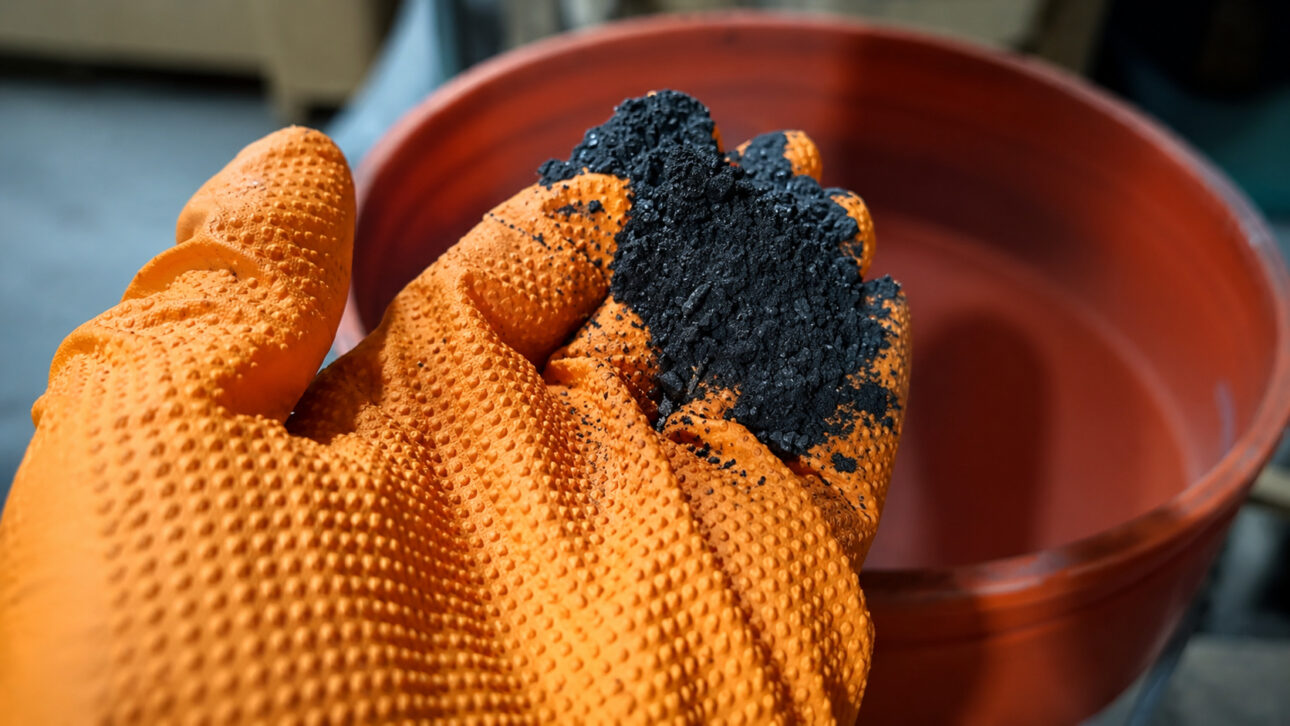
Despite its appearance as worthless waste, this material can contain metals used in the manufacture of new batteries. Therefore, it should not be treated as regular trash. The most important point is that the black powder can become recyclable raw material.
The competition begins because the electrification of cars increases the demand for batteries. The more batteries reach the end of their useful life, the greater the importance of reusing what still exists inside them.
European Union prepares restriction to prevent recyclable material from leaving the continent
The European Union is preparing rules to limit the export of recyclable waste related to batteries and rare earth magnets. The intention is to protect materials considered critical for electric cars, turbines, and semiconductors.
The measure is planned for the beginning of 2026. This means it should not yet be treated as a rule already applied in all cases. The correct status is a restriction foreseen within the European strategy to reduce external dependency.
In practice, Europe is trying to prevent industrially valuable waste from being sent abroad before undergoing local treatment. When this happens, the continent loses part of the raw material that could return to new production chains.
Recycling capacity can treat 50% to 65% of black mass produced in Europe
Reuters, a news agency with international coverage, recorded the estimate of the Joint Research Centre, a research center linked to the European Union. The calculation indicates that the bloc could treat about 50% to 65% of the black mass it produces.
This volume could generate material for up to 1 million electric vehicle battery sets per year. The number shows why the topic moved from the environmental field to the industrial dispute.
To understand the strength of this data, just compare it with a commonly discarded battery. If the material is exported without treatment, it leaves as waste. If it is recycled within the continent, it can return as input for the electric car industry.
Lithium-ion batteries and black mass may receive stricter control in September 2026
The European plan foresees that used lithium-ion batteries and black mass will be classified as hazardous waste from September 2026. This does not mean they cease to have value. It means they will require more control.
With this classification, export to countries outside the OECD is prohibited. The OECD is an international group of countries that follow common rules in various economic and environmental areas.
This point changes the circulation of the material. The used battery is no longer seen just as waste and enters a route with more surveillance, because it may contain useful components and also require careful handling.
Black mass became a dispute because electric cars depend on critical raw material
Electric cars depend on batteries. Batteries depend on materials that are not always available near the factories. Therefore, recycling has become a way to recover part of what is already in circulation.
The European Commission, the executive body of the European Union responsible for proposing policies, is trying to accelerate its own supply chains. The idea is to reduce dependence on a single country for strategic materials.
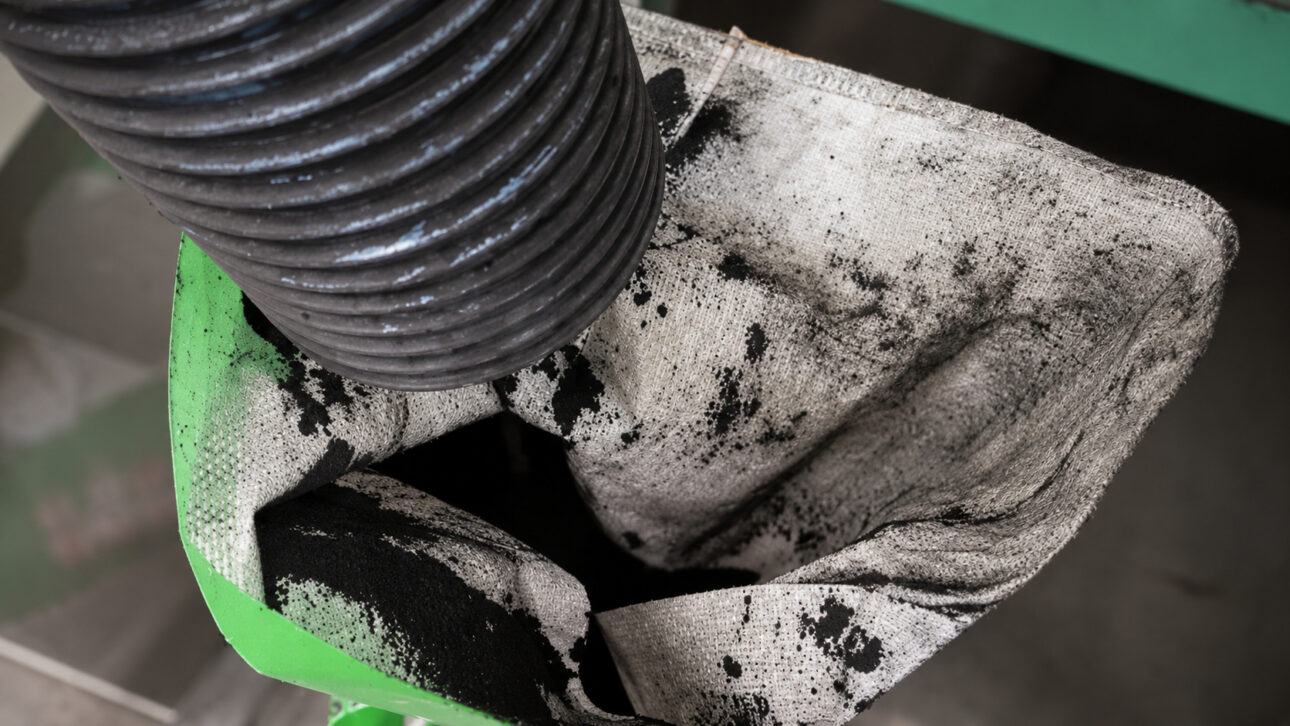
The black powder enters this game because it holds hidden value. It is ugly, dark, and looks like factory waste, but it may contain part of the answer to reduce pressure on new mines and new imports.
What changes about viewing used batteries as a resource and not as waste
The European case helps to understand a change that also interests Brazil. With more electronics, electric cars, and energy systems, the fate of used batteries becomes an economic and environmental decision.
The main concern is not to imagine that the black powder solves everything on its own. It requires collection, safe transportation, and specialized treatment. Without this, the material’s value does not automatically transform into a new battery.
Even so, the message is strong: technological waste can become a dispute for raw material. In the case of used batteries, what remains after shredding can fuel a new stage of the industry.
The European Union wants to retain the black powder from used batteries because this waste concentrates risk, value, and strategy. It can cease to be just a dark residue and become part of the battery recycling chain.
The greater impact is on how countries and companies start to view electrification. The advancement of electric cars also raises a difficult question: who will control the hidden value in the batteries when they reach the end of their useful life?
Do you think countries should keep this type of strategic waste for local recycling or allow it to circulate freely in the global market? Comment and share your view.