Portuguese
  Spanish


South Korea Detains Two Former Samsung Executives Who Leaked Information to China: The Goal Was a New Semiconductor Factory
The chip war between China and the United States continues to bring interesting news from both sides. While China advances toward technological self-sufficiency, the U.S. pressures its allies to impose new trade restrictions. The focus is on ASML’s (Dutch origin) machines that enable the manufacturing of advanced semiconductors.
China was cut off from these machines and is using outdated equipment that required massive investments. Although this is not the ideal solution, it has allowed progress in its local industry, such as the controversial Huawei Mate 60 Pro, which contains components that were targeted by sanctions. In addition to processor chips, memory has also entered the discussion, with companies like Samsung and SK Hynix coming under pressure. Now, a new controversy arises: South Korea has detained Samsung workers accused of collaborating with Chinese authorities.
South Korea Involved in the Chip War
South Korea, an ally of the U.S., plays a significant role in this chip war. Recently, it was discovered that the Asian country was apprehensive about selling lithography machines to China due to possible retaliation. China, in turn, seeks technological independence at all levels, investing billions of dollars to achieve this goal. However, it has also been accused of industrial espionage on several occasions.
-
European Parliament Approves Digital Euro, Aiming to Challenge Visa and Mastercard’s Dominance and Transform Payments Across Europe by 2029

-
Israel finds Hezbollah militarized tunnel over 200 meters long under village, with 4 missile launch shafts, 12 chambers, anti-tank missiles, drones, and weapons depots at a depth of 25 meters.

-
Ukraine launches largest drone attack on Moscow since 2022, Russia claims to have intercepted nearly 200 aircraft near the capital, Kapotnya refinery targeted again, and offensive reignites alert about war reaching the Russian energy heart just a few kilometers from the Kremlin.

-
Truck drivers, freight, and fines from 2022 take center stage in politics: Chamber approves MP with amnesty, mandatory tracking by CIOT, million-dollar penalties, and new minimum wage for those who spend more than 24 hours on the road.




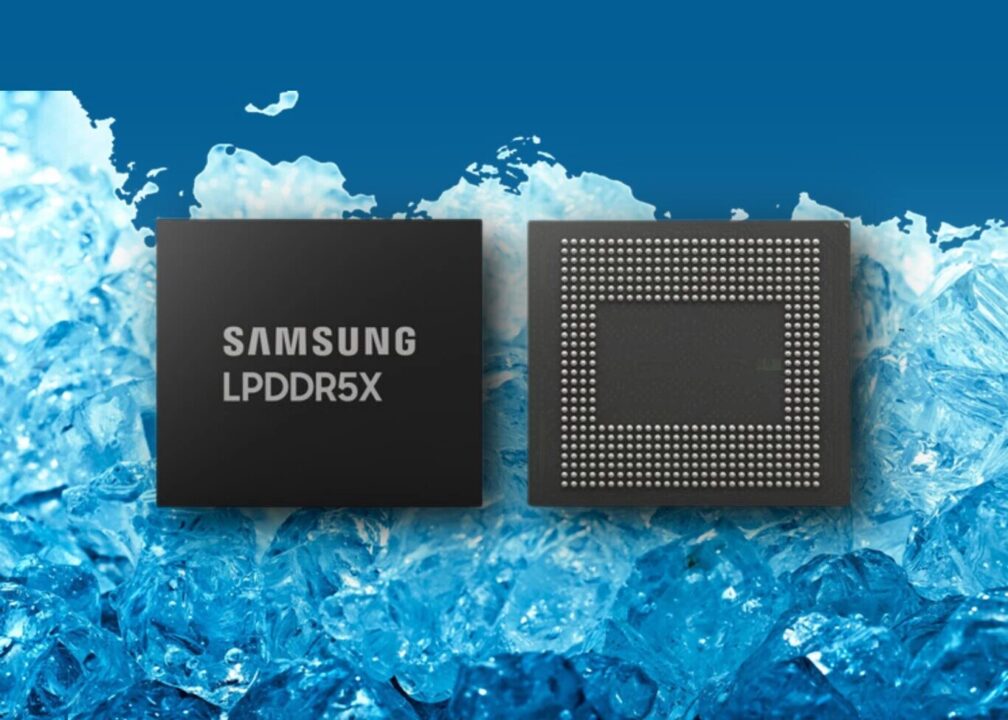
South Korea, home to two RAM memory giants, Samsung and SK Hynix, inevitably finds itself involved in these disputes. According to Tom’s Hardware, South Korean police arrested two former Samsung executives suspected of leaking company secrets to China. The estimated value of the industrial secrets involved reaches 3.2 billion dollars.
Investigation Underway
South Korean authorities reported that one of the suspects, identified as Mr. Choi, allegedly established a chip manufacturing joint venture in China in partnership with local authorities. He was serving as CEO of that company, according to Bloomberg. There are rumors that Choi was assisted by a plant designer and attempted to recruit other South Korean specialists to work with him.
Choi was arrested on suspicion of leaking Samsung memory technologies for the construction of 20 nm DRAM chips at a Chinese factory, Chengdu Gaozhen. According to the police, his actions “weakened the nation’s competitiveness at a time when countries are in a global war for semiconductors.”
Although authorities stated that the arrest would disrupt the operations of the Chinese company, investigations will continue to determine if there are other cases of related industrial espionage. It is worth noting that, in May, a former employee of SK Hynix was detained for carrying 3,000 pages of semiconductor data.
Industrial Espionage in the Chip War
Industrial espionage in the semiconductor sector is a global and persistent problem. In the past, China has also been accused by Taiwan of stealing intellectual property and unlawfully attracting engineers to boost its development in the chip sector. These moves aim to strengthen China’s position in a highly competitive and strategic industry, especially amid tensions with the U.S. and its allies.
The Chinese government has invested heavily in domestic semiconductor production initiatives, establishing partnerships with universities and state-owned companies to reduce dependence on foreign technologies. Beijing’s goal is to be able to manufacture high-tech chips independently by 2030, which poses a challenge for industry giants like TSMC and Samsung.
Global Impact and the Importance of Semiconductors
Semiconductors are crucial for the modern global economy, being used in a wide range of products, from smartphones to electric cars and medical equipment. The global chip shortage, exacerbated by the pandemic and trade tensions, has shown the severe impact that the lack of these components can have on entire supply chains.
With South Korea, Taiwan, and the United States among the leading semiconductor producers, the battle for this crucial technology is far from over. China, on the other hand, has invested large amounts in research and development to break its external dependence and strengthen its local industry. The recent case involving the arrest of former Samsung executives highlights the complexity and seriousness of the disputes in this sector.