Portuguese
  Spanish




The Brazilian Army Introduces A Significant Innovation With The Creation Of The CIWS Torc 30, A 100% National Defense Technology That Can Be Installed Both In Military Vehicles And In Fixed Structures Such As Hydroelectric Plants And Military Bases, Elevating The Country’s Air Defense Capacity Against Drones And Aircraft In Critical Areas.
The Brazilian Army Makes An Impressive Technological Leap With The Development Of The CIWS Torc 30, Fully Designed And Manufactured In The Country. This Tower Not Only Confirms The Brazilian Technological Advance, But Also Expands The Possibilities For Use In Defense Of Critical Infrastructure And Urban Areas.
The Torc 30 Tower, Already Tested On The Guarani 6×6 Vehicle, Proves To Be Versatile By Also Being Proposed For Installation In Fixed Points Such As Hydroelectric Plants And Military Bases. This Paradigm Shift In Territorial Defense Utilizes Advanced Aerial Targeting Technology, Capable Of Intercepting Drones And Aircraft Within A Range Of 3 To 5 Km. Although Initially Designed Without An Integrated Radar, Discussions Are Ongoing To Include This Essential Functionality, Allowing For Autonomous And Effective Operation In Defense Of Strategic Points.
The Brazilian Army Innovates With 100% National CIWS Tower And Expands Defense Capabilities


The CIWS Tower System, Known For Its Efficiency In Countries Such As Switzerland And Germany, Typically Appears With Calibers Ranging From 30mm To 35mm, The Most Common For These Applications. In Brazil, Adapting The Torc 30 For Fixed Use Would Require Integration With Radars And Computing Systems For Accurate Targeting, A Step Already Considered By Brazilian Military Authorities. This Advance Follows The Global Trend Of Utilizing Programmable And Proximity Munitions Technology For Effective Defense.
-
They exchanged the idea of a large house for a 35 m² warehouse, spent US$ 12,000 on the structure, and created a tiny house in Colorado with space to live and work.

-
While modern cities rely on pumps and electricity, in Iran, ancient tunnels carried water through the desert using only slope and gravity.
-
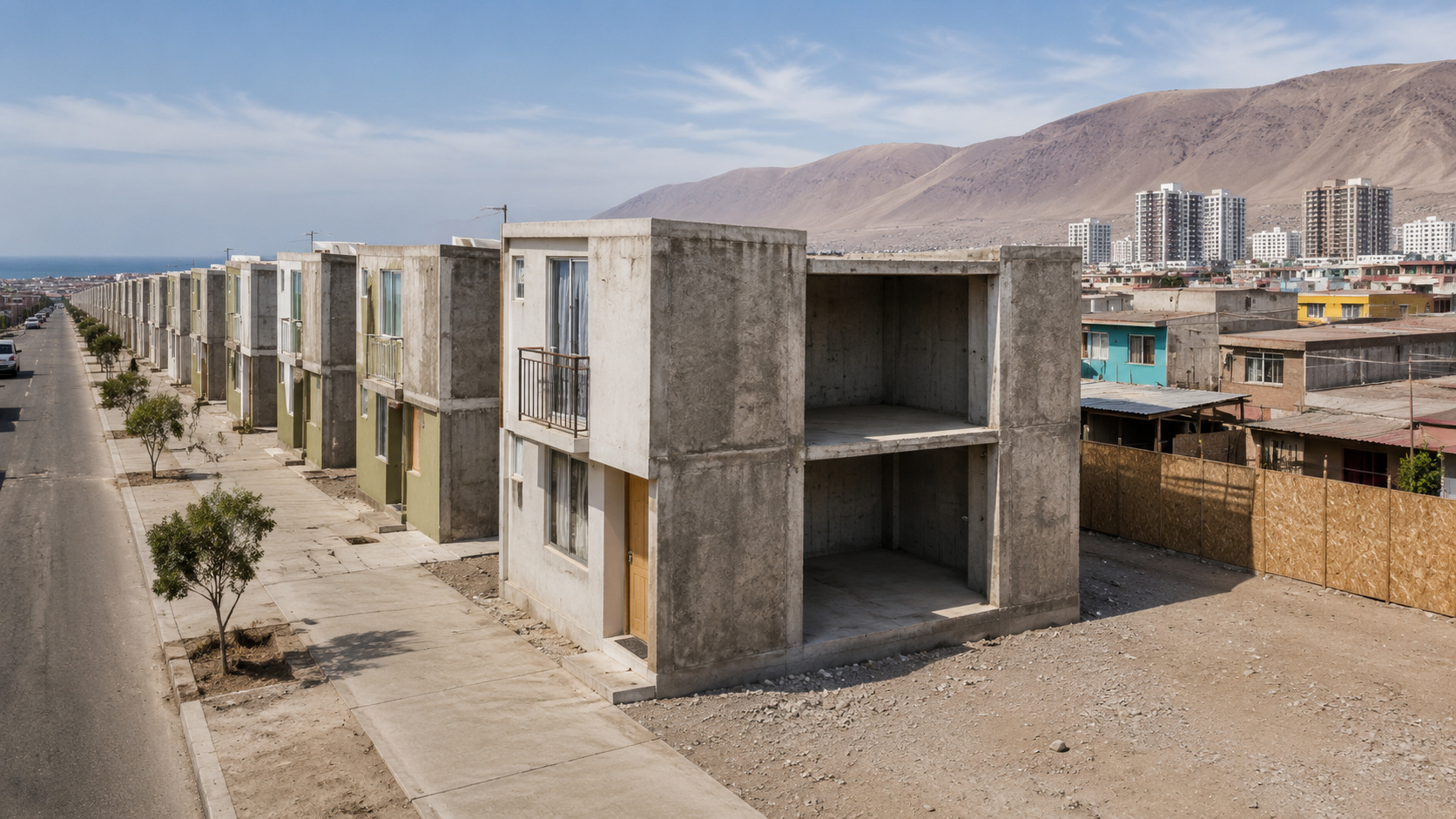
Instead of sending families far from the city, a project in Chile intentionally created incomplete houses on expensive urban land and left technical space for each to grow.
-
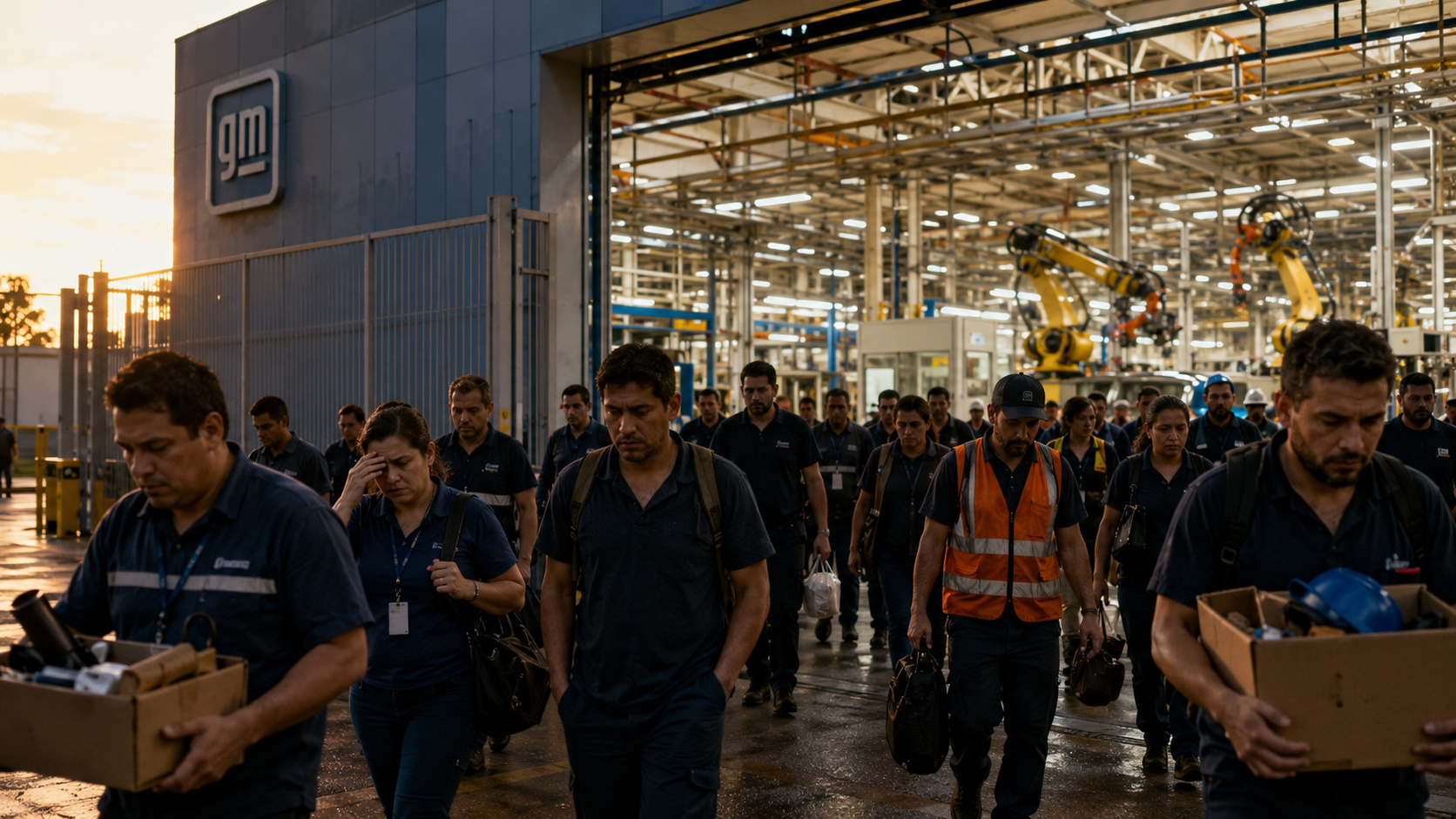
General Motors Replaces Over a Thousand Workers with 50 Cobots at Electric Vehicle Plant, UAW Union Criticizes Move Amid Industry’s Automation Push

The Initiative Of The Brazilian Army To Develop And Adapt The CIWS Torc 30 For Multiple Uses Represents A Significant Advance In Military Self-Sufficiency For The Country. With Investment And Political Will, This Technology Could Not Only Protect National Territory But Also Position Brazil As A Leader In Military Innovation In Latin America. The Adaptability Of The Torc 30 Promises To Strengthen Security In Critical Points And Contribute To The Continuous Modernization Of Brazilian Armed Forces.