






 Portuguese
  Spanish


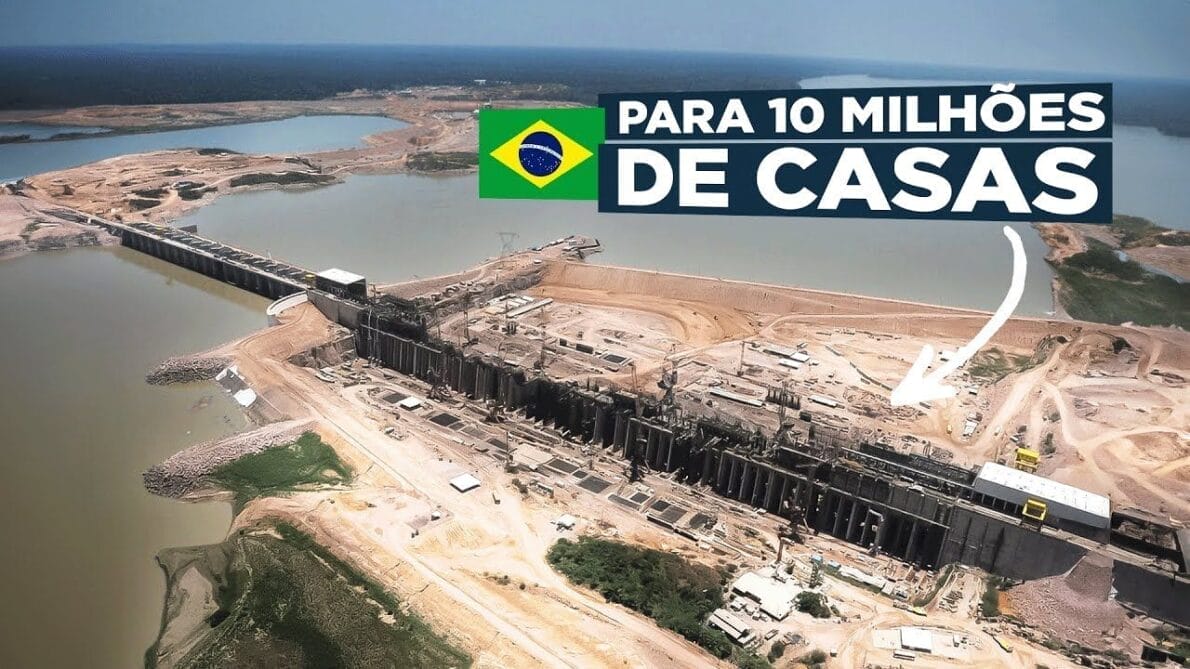

The Monumental Jirau Hydroelectric Plant, Built on the Banks of the Madeira River in Rondônia, Boasts a Capacity of 3,750 MW and Supplies 10 Million Homes, Representing a Vital 3.7% of Brazil’s Hydroelectric Power, While Also Boosting the Local Economy and Committing to Sustainable Practices.
In the vast heart of the Brazilian Amazon, the Jirau Hydroelectric Plant rises as a modern colossus on the Madeira River. Located 120 km from the state capital, this monumental project, with an investment of R$ 19 billion, not only redefines the local landscape but also strengthens the national energy supply, benefiting more than 40 million people.
Inaugurated after a robust construction cycle that began in 2009, the Jirau Hydroelectric Plant stands out for its impressive installed capacity of 3,750 MW. Strategically positioned, the dam crosses the Madeira River with a length of 7,875 meters and a height of 62 meters, forming a reservoir of 361.6 km². This capacity allows it to provide enough energy to illuminate 10 million households, accounting for 3.7% of Brazil’s hydropower.
The Concept of Jirau Emerged in the 2000s When the Brazilian Government Recognized the Urgent Need to Expand the Country’s Energy Matrix


The concept of Jirau emerged in the 2000s when the Brazilian government recognized the urgent need to expand the country’s energy matrix, and was realized in 2016. The choice of the Madeira River was made due to its favorable characteristics and vast hydropower potential. The aim was not only to meet the growing energy demand but also to promote the sustainable development of the Amazon region, focusing on clean and renewable energy as an alternative to fossil fuels.
-
28-meter, 156-ton titans traveled 20,000 km from China to the port of Santa Catarina: Portonave received 7 fully electric megacranes, part of a R$ 210 million package, to double container handling.

-
They exchanged the idea of a large house for a 35 m² warehouse, spent US$ 12,000 on the structure, and created a tiny house in Colorado with space to live and work.

-
A newly opened terminal in the middle of the Amazon has begun transporting soy and corn through Amapá, eyeing the queue of ships that is congesting the ports in the South.

-
Goodbye to old tiles: renovation technique without construction transforms bathrooms in a few hours, eliminates debris, and reduces costs with coverings using special paints, high-resistance adhesives, and modern finishes that completely renew the space.


The Construction of the Jirau Hydroelectric Plant Was Marked by Challenges and Achievements
The construction of the Jirau Hydroelectric Plant was marked by challenges and achievements. Utilizing advanced techniques and materials such as asphalt concrete, the project progressed even under adverse conditions. The plant also stood out for its commitment to sustainability: environmental monitoring programs were implemented to mitigate impacts on local fauna and flora.
Creating Thousands of Jobs and Generating Revenue Through Royalties
Since the beginning of commercial operations, Jirau has significantly contributed to the local and national economy, creating thousands of jobs and generating revenue through royalties, which total approximately 100 million reais annually. These funds have been essential for the development of infrastructure and social services in the region.
Looking ahead, the Jirau Hydroelectric Plant remains a crucial pillar in Brazil’s energy matrix. A symbol of progress and innovation, the plant continues to balance energy generation and environmental preservation, ensuring a lasting legacy of sustainable development for future generations in the country.








Somos auto suficiente em produção de energia e temos a maior tarifa do País, ficamos com todo o impacto ambiental e social e com a conta de energia cada vez maior, 😂😂😂😂
Literalmente o Brasil não é para amadores 😂🤡
Gostaria de saber pra onde está indo esses royalties das usinas hidrelétricas de Jirau e Santo Antônio, que aqui em Porto Velho, ninguém sabe.
O royalties de produção para Prefeitura de Porto Velho
O royalties de Distribuição para a Prefeitura de Piracicaba
Uma vergonha!, além de ter destruído o meio ambiente!, a energia de Rondônia é a mais cara do país!, com 2 usinas dentro do estado!