






 Portuguese
  Spanish


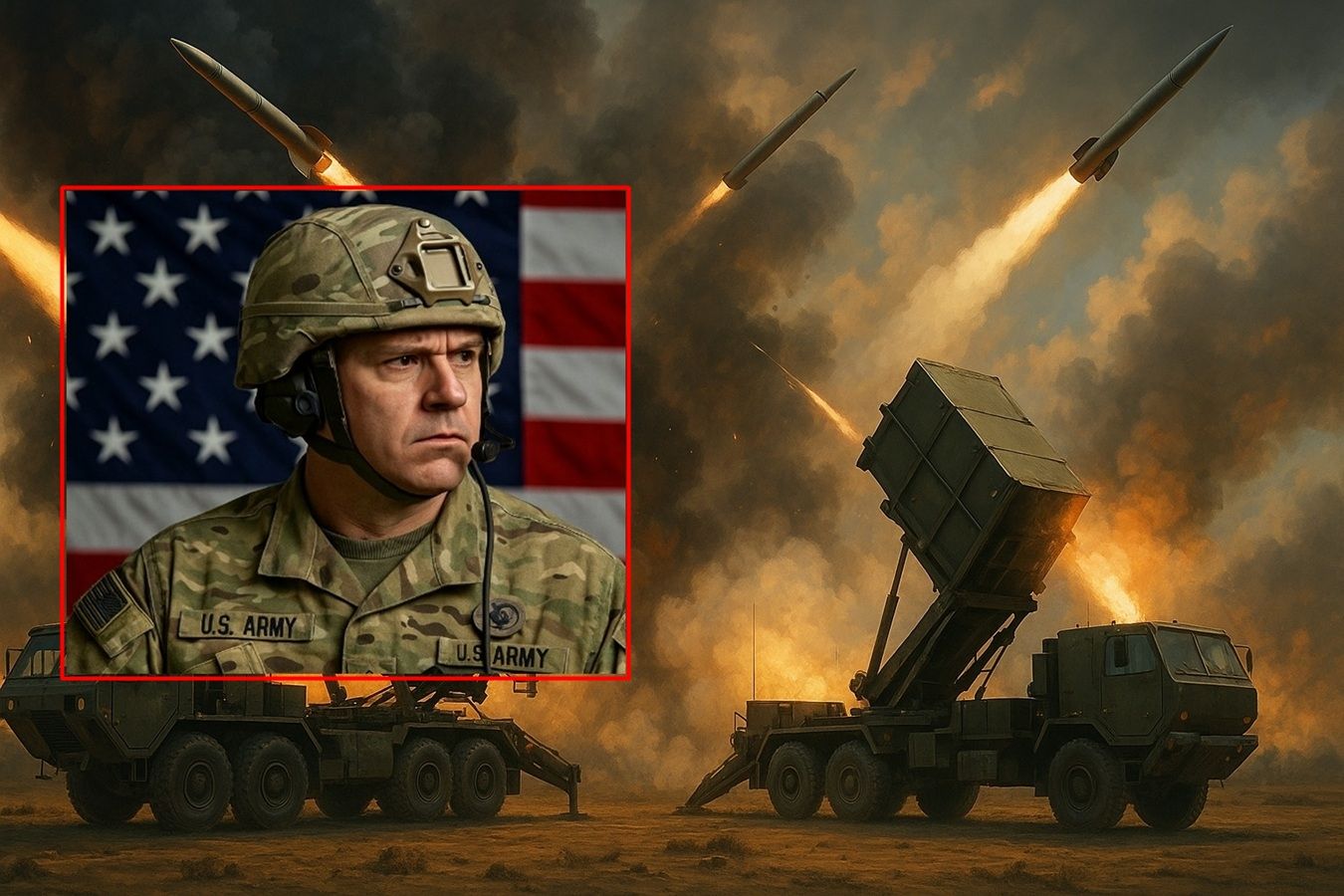

US Army Plan Foresees 30% Increase in Air Defense Capacity, Use of Artificial Intelligence, and Early Interception of Missiles.
The US Army is about three months away from presenting its new air defense and missile defense strategy for 2040. This information was confirmed by Lieutenant General Sean Gainey, commander of the Space and Missile Defense Command, during the Space and Missile Defense Symposium held on Tuesday.
At the same event, a year earlier, Gainey announced that the document was under development. At that time, he stated it would address complex and emerging threats, with a projected release date of October 2025.
The officer highlighted that the new strategy takes into account lessons learned on the battlefield and the opportunities brought by artificial intelligence and advanced technologies.
-
New Regulations in Brazil Require Dedicated Circuit and Safety Measures for Electric Car Chargers in Condos, Highlighting Hidden Risks of Overnight Charging

-
Argentinian Students Transform Cigarette Butts into Eco-Friendly Bricks, Cutting Cement Use by Over 50% and Halving Costs
-
For the First Time, Scientists Extract Ancient Human DNA from Cave Art, Revealing Insights into Prehistoric Cave Dwellers

-
Australian Teen Invents Device to Simultaneously Purify Water and Generate Electricity Using Sunlight





According to him, the planning also revisits essential fundamentals, reminding that “mass has its own quantity.”
Conflicts Influence Planning
The war in Ukraine and the fighting in the Middle East have highlighted the challenges that the Army will face in the future. These conflicts serve as benchmarks to enhance air defense and missile defense capabilities.
The plan predicts a 30% increase in this capacity over the next eight years. The last strategy was released in 2018, focusing on the period up to 2028, concentrating on the structure and organization of the forces.
Now, the document will also include the development of the Golden Dome, a missile defense shield envisioned by former President Donald Trump.
Changes on the Battlefield
According to Gainey, the Army will incorporate new forms of combat, combining lethal and non-lethal capabilities and integrating offensive and defensive fires. It also envisions greater interaction between humans and machines, with an expanded use of artificial intelligence.
The Integrated Battle Command System (IBCS) will be central to this process. It connects any sensor to any shooter, allowing disparate capabilities to be united and priority defense areas to be created as needed.
Another key point will be the priority in defeating smart missiles, addressing the threat before its launch. This approach, according to Gainey, is vital to handle large-scale attacks.
Role of Artificial Intelligence
Artificial intelligence will play a crucial role in reducing the workload of operators. This will be especially important for the functioning of the Golden Dome, which will require protection over large areas of territory, something that cannot rely solely on human strength and traditional systems.
Gainey emphasized that the early defeat of missiles represents a significant shift in strategic calculus, as it allows for a more efficient response to increasingly larger salvos.
Expansion of National Defense
The Army expects to expand its involvement in national missile defense, in addition to managing the current ground-based medium-range system.
“The Space and Missile Defense Command already provides defense to the national territory, and as we move forward, we see this command taking on a larger role,” said Gainey.
With the new strategy, the US Army aims to align technology, combat experience, and new doctrines to face threats by 2040.


