Portuguese
  Spanish


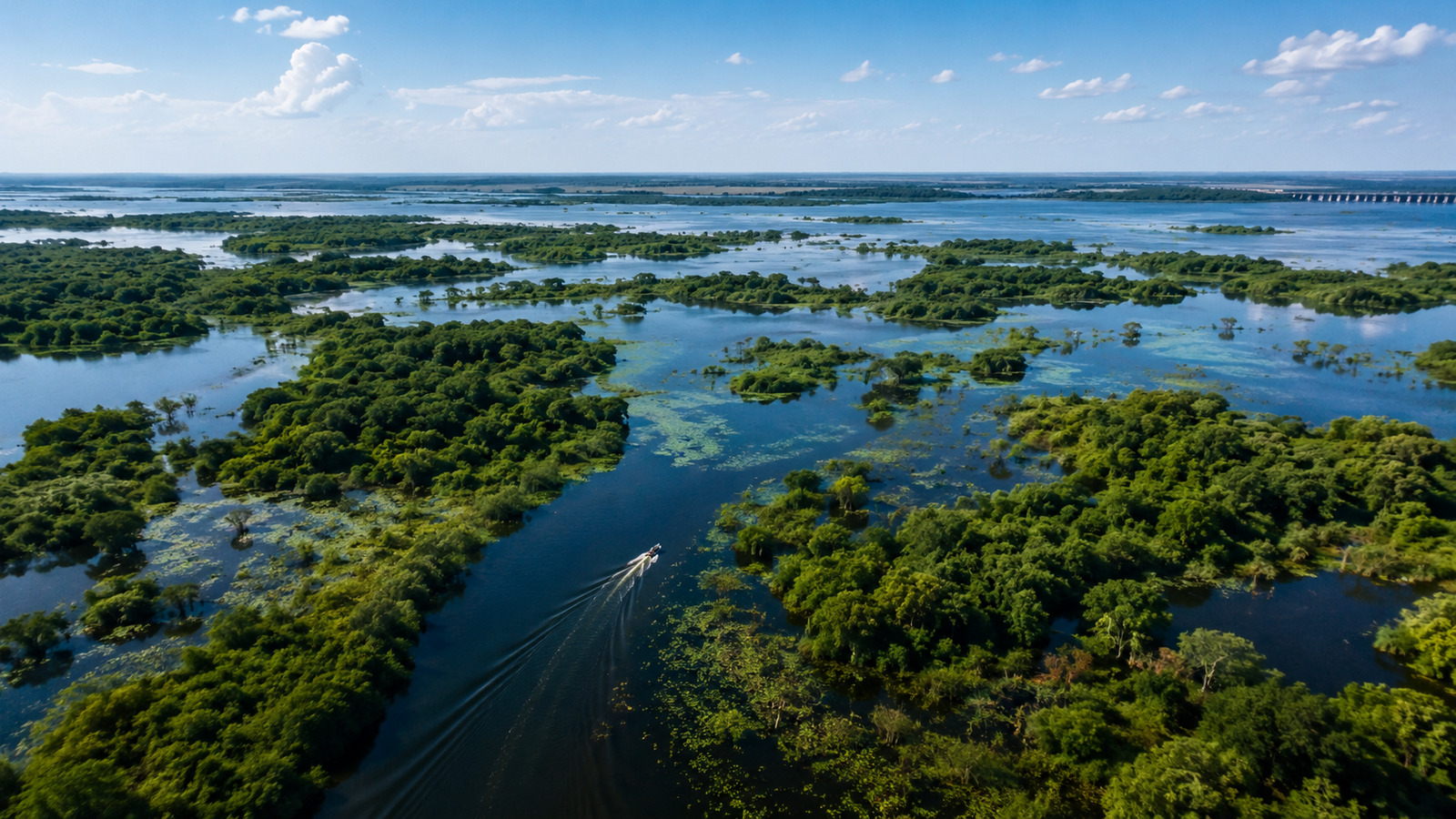


Flooded area created after Tietê dam brings together 435 animal species, boosts birdwatching tourism, and exposes environmental impacts in São Paulo’s interior
With 140.5 km² and 435 animal species, the São Paulo mini-Pantanal emerged in the interior of São Paulo after the Barra Bonita dam impounded the Tietê River and transformed Tanquã into an ecological sanctuary.


Flooded area created by dam
Tanquã is located in the interior of São Paulo and became known as the São Paulo mini-Pantanal due to its resemblance to the Pantanal. The landscape brings together water, birds, fish, channels, lagoons, and floodplain areas.
Unlike the Pantanal, Tanquã was not formed naturally. The area emerged as an unexpected result of the construction of the Barra Bonita Hydroelectric Plant dam on the Tietê River in 1960.
-
How to Prevent Brown Recluse Spider Bites: Common Hiding Spots and Free Tips to Reduce Risks

-
Natto: The Unusual Japanese Superfood Gaining Popularity on Social Media and Driving Record Exports
-
Brazilian Mayor Goes Undercover as Homeless for 24 Hours to Assess Public Services

-
15-Year-Old Entrepreneur Malu Lira Publishes 20 Children’s Books on Financial Education, Earns $500,000, and Expands Her Project to the Amazon Rainforest




The filling of the dam in 1963 impounded the Tietê and reduced the speed of the Piracicaba River’s waters. This process formed the flooded area that gave rise to Tanquã.
São Paulo mini-Pantanal brings together hundreds of species
The site is home to 435 animal species and 361 plant species. Among the animals, the APA Management Plan cataloged 290 bird species, 89 fish, 25 amphibians, 19 mammals, and 12 reptiles.
The Tanquã Environmental Protection Area (APA) was recognized in 2018. It covers 140.5 km², an area equivalent to almost 20,000 FIFA standard football fields.
About 69% of the APA is made up of water bodies. The territory is 44% larger than Vitória, in Espírito Santo, and 33% larger than Paris, France.
The APA extends across six municipalities in São Paulo: Anhembi, Botucatu, Dois Córregos, Piracicaba, Santa Maria da Serra, and São Pedro. The area includes a stretch of the Piracicaba River, floodplain, native vegetation, and the Barra Bonita reservoir.
How Tanquã was formed
At the confluence of the Piracicaba River and the impounded waters of the Tietê, a phenomenon called backwater occurred. It reduces water speed and favors the accumulation of sediments.
It’s as if the Piracicaba’s water flows backward, since the Tietê’s is impounded. This movement formed a large flooded area, with lagoons, meanders, and channels.
Professor Flávio Betin Gandara, from Esalq/USP in Piracicaba, explains that the Barra Bonita dam had negative impacts, but also produced the positive effect of Tanquã.
Among the negative points were flooded forests, reduction of fertile soils, and displacement of animals and residents. Still, the emergence of Tanquã had not been foreseen at the time.
Memory of those who saw the water arrive
Anísio Evangelista, 95, arrived in Tanquã before the flooded area existed. He worked cutting down forests for the dam’s construction and later settled in the area.
The retiree remembers that the dam arrived slowly. The water advanced gradually until it transformed the landscape that today sustains fishing, tourism, and biodiversity.
Tanquã functions as a nursery for fish and also shelters families who live from fishing. Some fishing villages are spread across different cities within the region.
Bird tourism boosts the region
The São Paulo mini-Pantanal attracts tourists from Brazil and other countries interested in ecotourism and birdwatching. Visitors from North America are among the main audiences for this activity.
Guide Demis Bucci, 42, has worked with birdwatching for 15 years. His choice of Tanquã involves its proximity to the state capital, its resemblance to the Pantanal, and rare species.
Among the sought-after birds are teals, ducks, rails, and yellow-breasted crakes. For observers, some species are difficult to find elsewhere but appear more easily in Tanquã.
Boatmen like Ivanildo Pereira, 53, live from ecotourism and fishing. He has been in the region for over two decades and recognizes large and small birds from afar.
Ivanildo fuels the boat, hands out life jackets to tourists, and conducts tours lasting one to three hours. The period from August to February is the most popular for those seeking migratory birds.
Fish kill affected residents
Its location in the country’s most industrial state also brought pressure to Tanquã. In June 2024, an irregular discharge of industrial waste killed approximately 253,000 fish.
A sugarcane mill was identified as responsible for the environmental damage. The fish kill directly affected residents who depend on fishing for their income.
In the village where Ivanildo lives, on the Piracicaba side, about 12 families reside. The number was once higher, but it has decreased over the years and further declined after the fish died.
Since 2025, the Public Prosecutor’s Office of São Paulo has been negotiating with Usina São José for the reparation of environmental damages and compensation for the fishermen. The negotiations have not yet been successful.
The company denies direct blame and points to historical pollution problems in the region. Nevertheless, it participates in discussions to convert penalties into recovery actions.
How to visit Tanquã
Access can be done independently, but guides and specialized agencies help to better enjoy the lagoons, trails, and navigable area. Boat trips are suspended when it rains.
Although part of Tanquã is in Piracicaba, the location is an hour’s drive from the city center. There is a bar in the fishing village, but there are no accommodations for tourists.
Demis Bucci states that professionals usually create their own itineraries, including transportation, tours, and even accommodation in Anhembi, the urban center closest to the village. Thus, São Paulo’s mini-Pantanal combines nature, fishing, and tourism.
With information from G1.