Portuguese
  Spanish


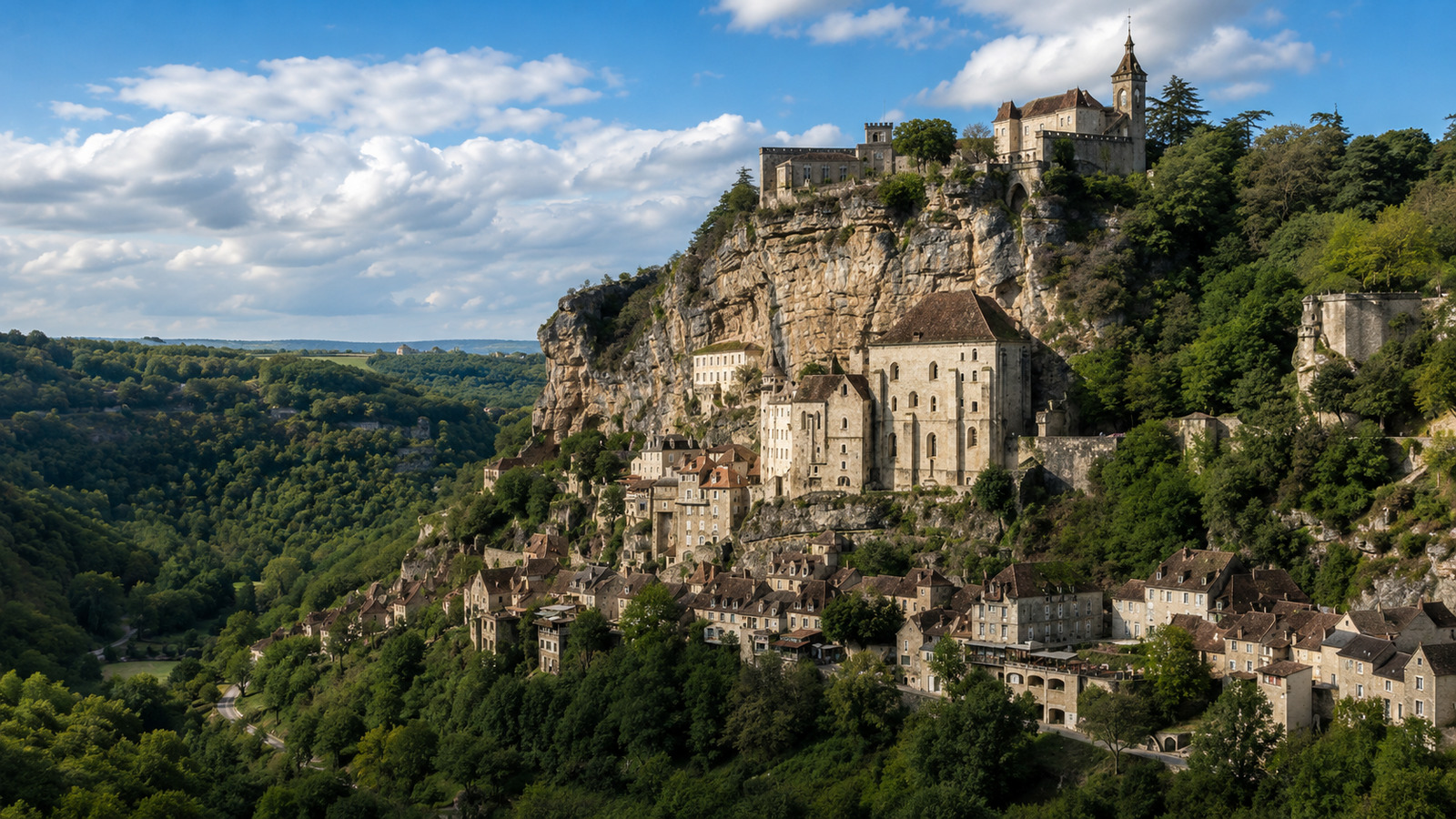

French medieval village combines suspended houses, historic sanctuaries, 216 access steps, and a 150-meter cliff over the Alzou river, keeping alive a tradition of faith, tourism, and heritage preservation
Rocamadour, a medieval village, impresses by bringing together houses, sanctuaries, and a castle on a 150-meter limestone cliff, above the Alzou river, in Occitania, preserving faith, tourism, and historical engineering in France.


Medieval village: Village was shaped into the rock itself
The village seems stuck to the vertical face of the cliff. Its buildings advance in superimposed steps, creating the image of a suspended city, where houses and religious areas follow natural limestone cuts.
In Rocamadour, medieval stonemasons utilized caves and rock crevices as back walls and bases for chapels.
-
How to Prevent Brown Recluse Spider Bites: Common Hiding Spots and Free Tips to Reduce Risks

-
Natto: The Unusual Japanese Superfood Gaining Popularity on Social Media and Driving Record Exports
-
Brazilian Mayor Goes Undercover as Homeless for 24 Hours to Assess Public Services

-
15-Year-Old Entrepreneur Malu Lira Publishes 20 Children’s Books on Financial Education, Earns $500,000, and Expands Her Project to the Amazon Rainforest




At the top, castles completed the occupation of the steep terrain, reinforcing the defensive and religious aspect.
This direct integration with the terrain differentiates the village from Gothic cathedrals erected in flat squares. While these structures have horizontal access through large front gates, Rocamadour is organized vertically, alongside the living rock.
Heritage protection requires constant attention
The conservation of the complex depends on permanent expertise against natural erosion. The French Ministry of Culture keeps the village under strict heritage protection to preserve secular structures and ensure safe circulation.
The challenge involves keeping ancient constructions firm against time, rock erosion, and high tourist traffic.
Conservation must respect the medieval appearance, without breaking the relationship between architecture, cliff, and landscape.
This care helps maintain the medieval village of Rocamadour as a rare work of organic urbanism. The village survived the wars of the Middle Ages intact and continues to be recognized for its historical, religious, and visual value.
Sanctuary attracts pilgrims for centuries
The religious importance comes from the veneration of the Black Madonna of Rocamadour, a wooden statue kept in the main chapel. Kings, knights, and commoners traveled for centuries to the sanctuary to pay devotion.
Local tradition involves a legend linked to the chapel bell. It would ring by itself whenever a sailor was saved from a shipwreck through the intercession of the saint, strengthening the connection between faith, protection, and travel.
Access to the religious complex is via the Grand Staircase, formed by 216 steps carved into the stone. In the past, penitent pilgrims ascended on their knees, as a demonstration of faith. Today, the route requires comfortable footwear.
Ascent reveals the Alzou river valley
The physical experience of the ascent is part of the visit. With each section conquered, the Alzou river valley appears more broadly, reinforcing the sensation of height and the dimension of the cliff.
At the top, the medieval castle offers the most striking panoramic view of the Occitania region. The vertical route, though tiring, reveals why Rocamadour unites landscape, architecture, and devotion in a single experience.
The rugged terrain also influences tourist logistics. Large vehicles face restrictions, and a visit depends on planning, especially for those wishing to explore staircases, sanctuaries, and viewpoints.
Geography also shaped gastronomy
The village is located in the Alzou river valley, in the Lot department, in the Occitania region. The cliff has an elevation of about 150 meters, and the tourist focus combines religion, medieval heritage, and landscape.
The causses area, at the top of the cliffs, has an arid geography and favors goat farming. This environment helped make the Rocamadour goat cheese famous, which is small, creamy, and has AOC controlled origin certification.
Thus, Rocamadour combines visual impact, religious memory, and local production. The same geography that hindered access strengthened defense, guided construction, marked pilgrimage, and provided a basis for French cuisine.
A visit to the village shows how faith and military necessity created a resilient image of medieval Europe. Amidst stone, stairs, sanctuaries, and cheese, it continues to unite the eyes and palates of pilgrims.
With information from Monitor do Mercado.