






 Portuguese
  Spanish


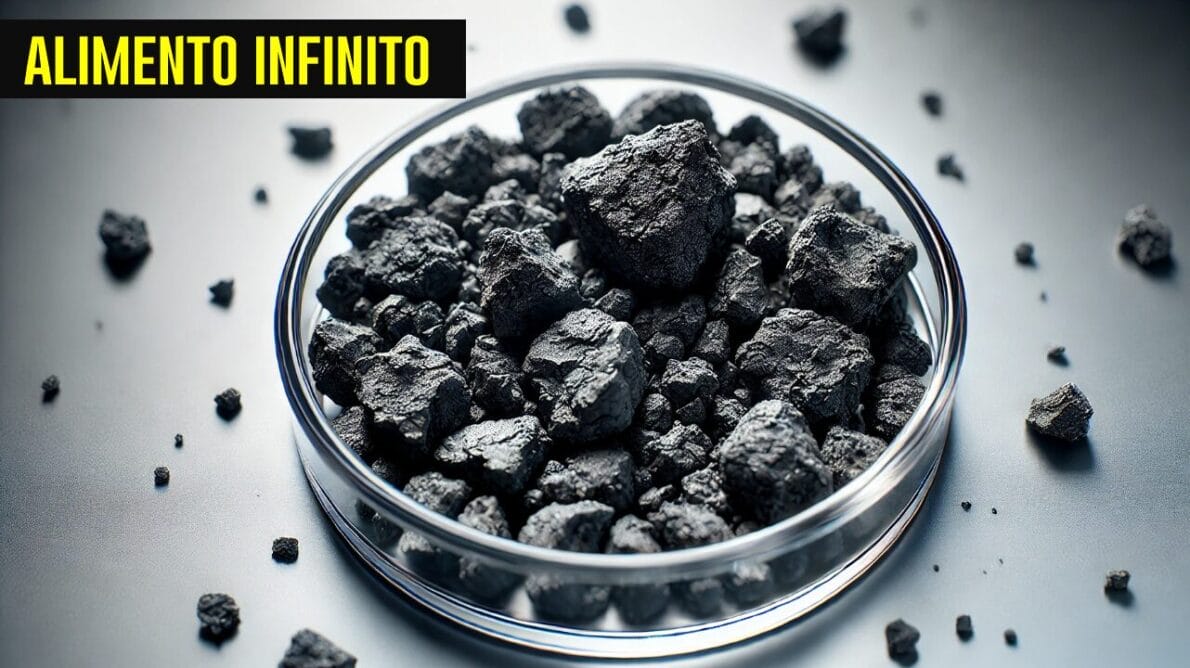

The Material From Asteroids Is Being Investigated As A Potential Food Source For Astronauts On Space Missions
A space exploration is about to make a significant leap regarding the nutrition of astronauts, with scientists investigating an innovative solution: turning asteroid material into food. Researchers from Western University, in Canada, are developing a futuristic approach to converting compounds found in asteroids into a source of sustenance for long-duration missions.
The idea is to use bacteria to consume asteroid material and then convert it into edible biomass, creating a potential solution for the food challenge in multi-year space missions, such as those planned for Mars.
Nutrition For Astronauts
Ensuring a sustainable source of food for astronauts on long-duration space journeys is one of the greatest challenges of space exploration. To date, the main solutions involve transporting food from Earth or growing plants onboard spacecraft.
-
China Develops Custom 140-Ton Electric Mining Truck with 770 kWh Swappable Battery, Deploys 290 Units in Xinjiang’s Largest Zinc Mine

-
Meta to Launch Arena, a New Prediction App Targeting 3.56 Billion Users, Competing with Polymarket and Kalshi

-
Scientist Challenges Famous Human Evolution Theory, Argues Homo Sapiens Evolved Gradually Over Thousands of Years
-
15-Year-Old American Builds Ocean Generator with PVC Pipe and 3D-Printed Propeller for $12, Wins National Prize, Presents at White House, and Makes Forbes 30 Under 30 List




However, these alternatives have limitations. The space needed to transport large amounts of food or to maintain cultivation systems is restricted, especially on long-duration missions, where the amount of supplies needs to be minimized.
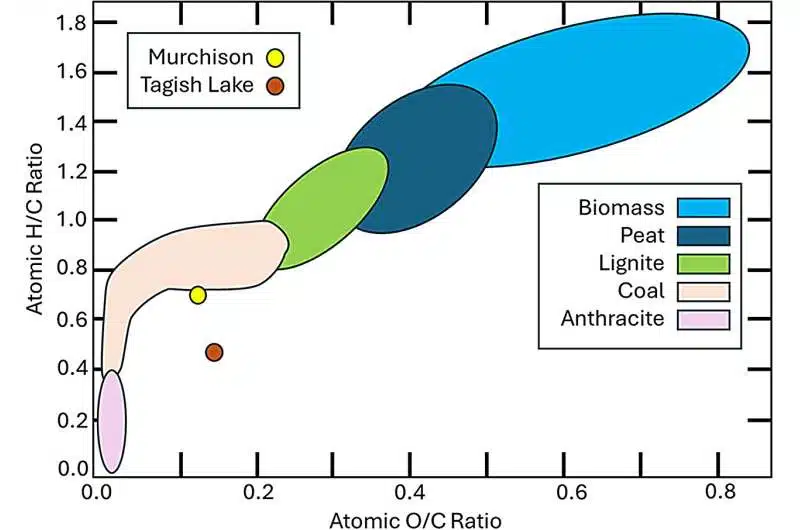
Now, scientists propose a radically different solution: using asteroids as a food source. The concept is to feed bacteria with carbon-rich asteroid compounds, which are then converted into edible biomass.
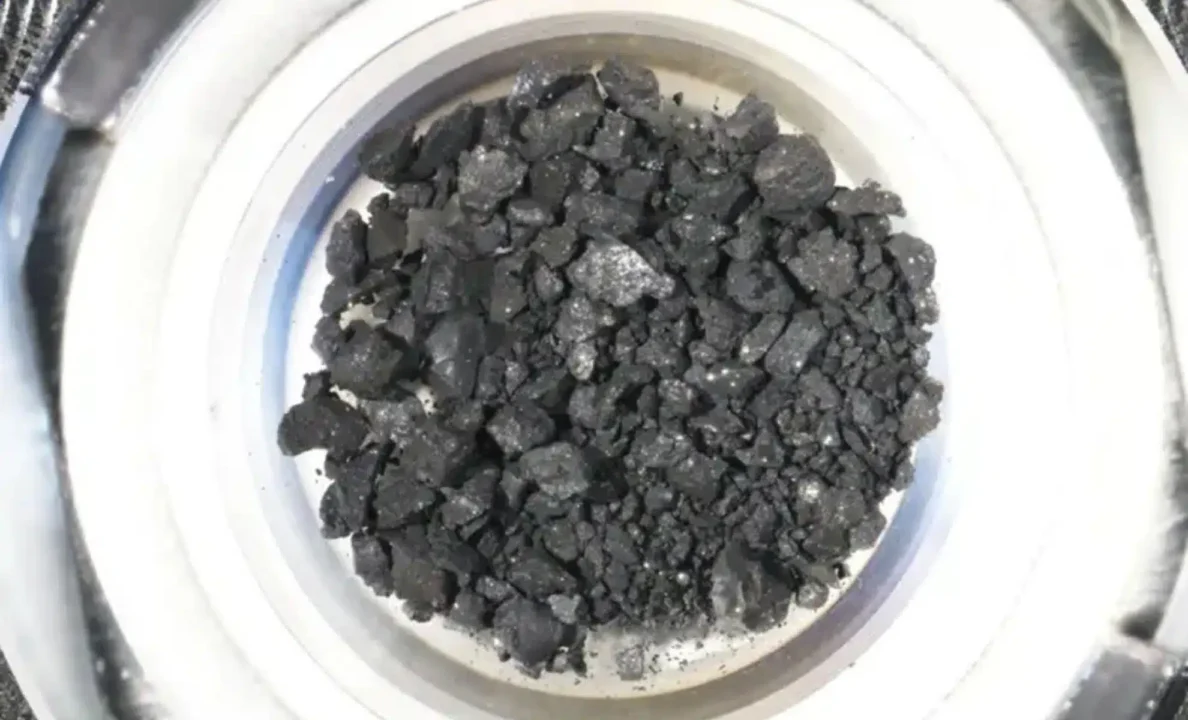
The team tested the idea by feeding microorganisms with materials that mimic the composition of asteroids like Bennu, which has a high carbon concentration. The result was a nutritious biomass, described by researchers as having the texture of a “caramel milkshake,” containing proteins, carbohydrates, and fats in ideal proportions for human consumption.
Feasibility
Although the idea of producing food from asteroid material is promising, it still faces many challenges. In their studies, researchers calculated that a 500-meter asteroid, like Bennu, could theoretically provide enough biomass to feed between 600 and 17,000 astronauts for a year, depending on the efficiency of the bacterial process.
This could revolutionize space exploration by reducing the need to transport abundance of food supplies on missions to the Moon, Mars, or beyond.
However, practical application of this concept is still a long way off. One of the biggest challenges is the variability in asteroid composition.
Not all asteroids contain the necessary carbon compounds to feed the bacteria, which makes selecting targets very important. Additionally, the technology required to process asteroid material into a viable food source would necessitate complex and robust systems capable of operating in extreme space conditions.
Joshua Pearce, the lead researcher, emphasized that a “supermachine” would be needed to break down asteroid material and manage bacterial growth.
Another significant challenge is the difficulty in testing the process on actual asteroid material. Currently, the team is conducting experiments with meteorites that have fallen to Earth, as they share a similar composition with many asteroids.
However, these meteorites are valuable, and collecting them for experiments is not always feasible, presenting a significant limitation to the research.
Future Prospects For Space Food Innovation
Despite the obstacles, the potential to produce food from asteroids is immense and could revolutionize the future of space missions.
Once the concept is fully developed, creating a food source in space itself could make missions to Mars and beyond more viable and sustainable. This would eliminate the dependence on resupply from Earth and open new opportunities for long-term habitation in space.
The scientists involved in the research believe that, with advances in technology and bacterial science, the concept could be scaled to industrial levels.
This would mean that large quantities of asteroid material could be processed into food, providing a continuous and sustainable solution for astronauts’ nutritional needs.
Additionally, this approach could provide insights into Earth’s own biology. Previous research suggests that primitive microorganisms on Earth may have consumed meteorite material, which could have played a significant role in the development of life on the planet.
Similarly, microbes in space could thrive on asteroids, creating a fascinating connection between Earth biology and space exploration.
Annemiek Waajen, a researcher from the Free University Amsterdam, commented: “There’s definitely potential, but it’s still a very futuristic and exploratory idea.” While there is still much work to be done, the research is opening doors to new ways to sustain life in space, a fundamental issue for the success of long-term missions.






